Portuguese SheepdogPortugal's shaggy monkey dog
The Portuguese Sheepdog, or Cão da Serra de Aires, is a medium-sized, shaggy herding dog from southern Portugal, nicknamed the monkey dog for its expressive face. Energetic, smart and watchful, it needs active owners who enjoy training and daily grooming.
Why people love the Portuguese Sheepdog
- Lively, intelligent and devoted to family
- Alert watchdog that warns of anything unusual
- Low shedding, as loose hair stays in the coat
- Agile partner for herding and dog sports
- Generally healthy with few documented breed diseases
Things to consider
- Needs two to three hours of daily activity
- Long goat-like coat requires daily brushing
- Wary of strangers without early socialization
- Very rare outside Portugal
- Dislikes being left alone
Is this breed right for you?
10 questions · live resultHistory and Origin
The breed comes from the Serra de Aires region in central-southern Portugal, where it herded sheep, goats, cattle, horses and pigs. It is believed to have developed from local herding dogs and possibly Briards brought to Portugal in the early 20th century, though its exact origins are debated.
Count Castro Guimarães is credited with promoting the breed in the early 1900s. By the 1970s it was close to extinction, but dedicated breeders rebuilt the population. The FCI recognizes it in Group 1, and the AKC records it in its Foundation Stock Service.
Portuguese shepherds valued the breed for its agility and intelligence in steep, rocky terrain. Unlike flock guardians, it actively moves and gathers livestock, often working independently of the shepherd.
Size, Coat and Colors
The Portuguese Sheepdog is a medium-sized, slightly long-bodied herding dog that stands 17 to 22 inches and weighs 26 to 40 lb. Males are usually a little taller and heavier than females and carry a fuller beard.
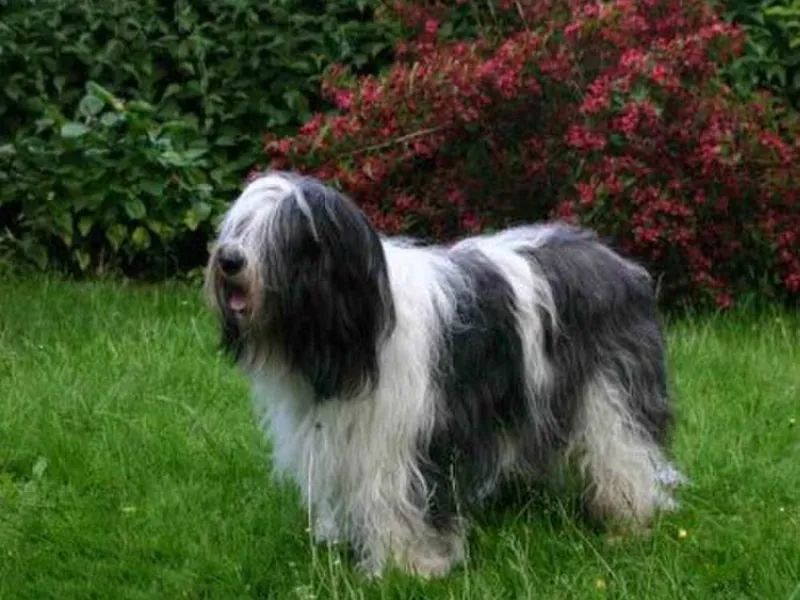
The expression is what earns it the nickname monkey dog: a bearded face, long eyebrows and dark, lively eyes give it an almost human look. The ears are set high and hang, though cropping is still seen in some Portuguese working dogs.
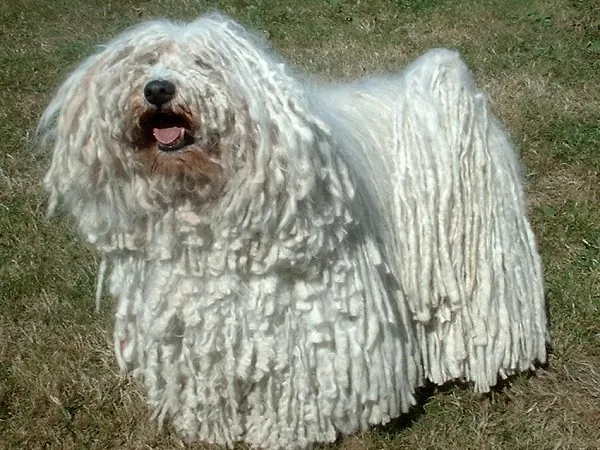
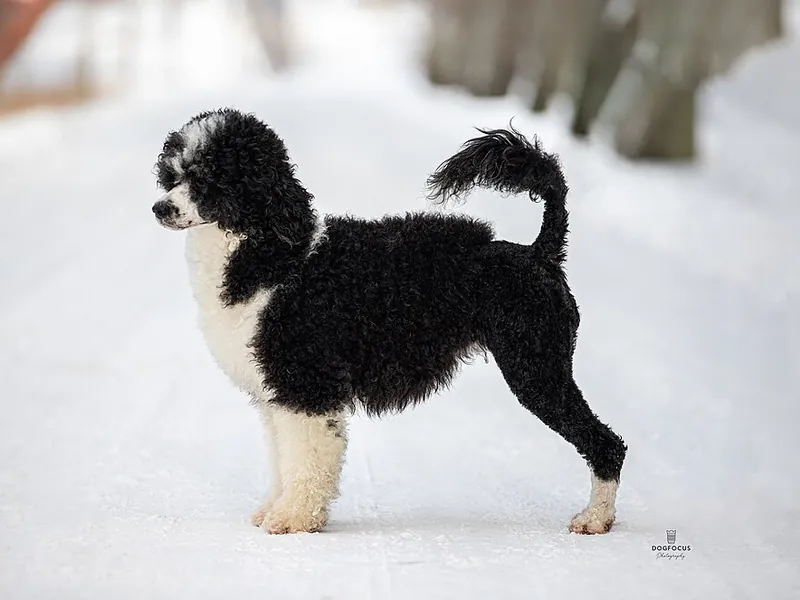
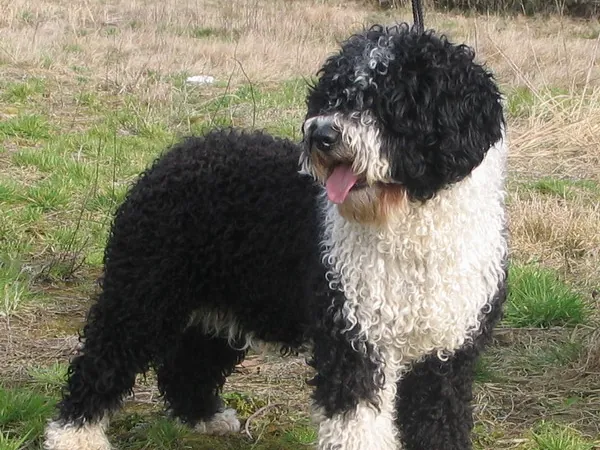
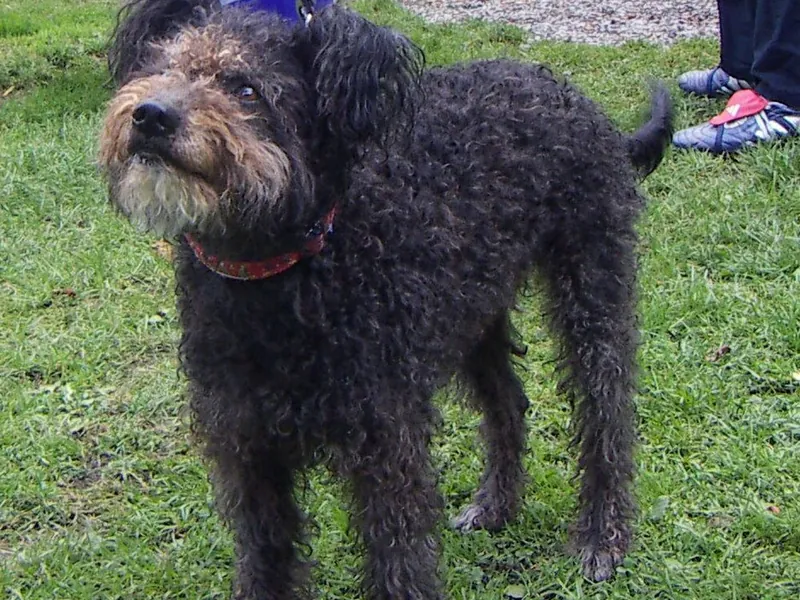
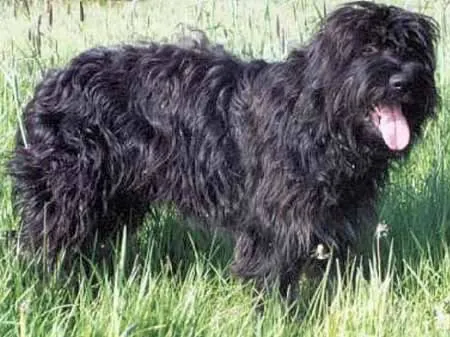
The coat is long, smooth or slightly wavy, and has a texture often compared to goat hair. It has no undercoat, which helps explain the low shedding.
Accepted colors include:
- Yellow, chestnut and fawn
- Gray and wolf-gray
- Black, with or without tan markings
Small white markings on the chest are acceptable; large white areas are not. The tail is well feathered and carried low at rest.
Temperament and Personality
Portuguese Sheepdogs are lively, intelligent and very devoted to their families. They are alert and wary of strangers, quick to warn of anything unusual.
They are also sensitive and respond poorly to harsh treatment. With gentle consistency and early socialization, they become affectionate and responsive companions. They dislike being left alone.
Many Portuguese Sheepdogs are playful and clownish with their families, adding to the monkey dog nickname. They tend to stay close to their people and follow them around the house.
Are Portuguese Sheepdogs Good Family Dogs?
Yes, for active families who understand herding breeds. Portuguese Sheepdogs are loyal, playful and affectionate, and they bond closely with everyone in the household.
They usually do well with respectful children but may try to herd running kids, so supervision and clear rules help. Their wariness of strangers means visiting friends should be introduced calmly. The breed needs plenty of daily activity and does not like being left alone, so it suits families with time for long walks, games and training. Daily grooming is a family commitment as well.
Is the Portuguese Sheepdog Good for First-Time Owners?
The Portuguese Sheepdog is not usually recommended for first-time owners. Its very high activity needs, independent streak and daily coat care require experience and time.
The breed responds poorly to harsh methods and needs creative, positive training. Without enough work, it may bark or herd family members. A first-time owner who is very active, has prior experience with herding breeds through friends or volunteering, and can work closely with the breeder may succeed. For most beginners, a less demanding herding breed is a safer starting point.
Do Portuguese Sheepdogs Bark a Lot?
Portuguese Sheepdogs are alert and vocal. They bark to warn of strangers or unusual activity, and bored dogs may bark to entertain themselves.
Barking can be managed with enough exercise, mental work and early training of a quiet cue. Herding sessions, agility or scent games help channel their energy. Because they are wary of strangers, socialization reduces alarm barking at visitors. They are not a good choice for apartments or close neighbors where barking would be a problem. Its bark is sharp and carries well, which suited open hillsides but can surprise new neighbors.
Exercise and Training
This is a very active breed. Expect two to three hours of daily activity, including both physical exercise and mental work such as herding, agility, obedience or scent games.
They learn quickly but can be independent, so training requires patience and creativity. Avoid harsh methods. A bored Portuguese Sheepdog may invent its own jobs, often barking or herding family members.
Grooming and Shedding
The long, goat-like coat needs daily brushing to prevent mats and remove debris. Pay attention to the beard, ears and legs.
Shedding is relatively low, as loose hair stays in the coat until brushed out. Bathe occasionally and keep the hair around the eyes clean.
The coat comes in shades of yellow, chestnut, gray, fawn, wolf-gray and black, sometimes with tan. It has a goat-like texture, long and slightly wavy.
Feeding and Nutrition
The Portuguese Sheepdog is a lean, agile working dog, and its food needs follow its activity level. A dog that herds or trains for hours each day needs more than one with long walks. Adjust portions to body condition, checking by feel under the long coat.
Puppies should grow steadily on a diet suited to medium-sized breeds. Feed three to four meals a day early on and two as adults. Keeping young dogs lean protects developing joints, especially since breeding dogs are screened for hips.
The coat has no undercoat, so its condition reflects overall nutrition clearly. A dull or brittle coat can be a sign that the diet needs review, and a vet can help rule out other causes.
The beard collects food and water. Wipe it after meals to prevent odor, staining and mats around the mouth.
Food rewards are valuable in training this independent breed. Use small, varied treats to keep sessions interesting, and count them in the daily ration. Puzzle feeders and scent games at mealtime provide extra mental work on rest days.
| Adult weight | Less active | Typical adult | Very active |
|---|---|---|---|
| 26 lb | 620 kcal | 710 kcal | 890 kcal |
| 40 lb | 860 kcal | 980 kcal | 1,230 kcal |
Estimates use the resting energy formula veterinarians work with (70 × body weight in kg0.75) and standard activity factors. Use the feeding guide on your food as a starting point and adjust to body condition. Puppies, seniors, pregnant animals and pets that need to lose weight have different needs, so ask your vet.
Health and Lifespan
The Portuguese Sheepdog is considered generally healthy, and no breed-specific diseases are well documented. The AKC recommends that breeding dogs be tested, typically for hips and eyes. Ask breeders for results on both parents.
Typical lifespan is about 12 to 13 years.
Portuguese Sheepdog Price and Cost of Ownership
The Portuguese Sheepdog is very rare in the US, and there is no reliable published price range. Most dogs are imported from Portugal, and transport and paperwork add to the cost. Prices vary by breeder, region and lines. Expect to contact breeders in Portugal or through the breed's small US community and to wait.
Rescue options are very limited.
Ongoing cost drivers include:
- Grooming tools for daily brushing, and occasional professional help with mats
- Training and sports such as herding or agility
- Insurance covering orthopedic and eye conditions
- Health screening: hip and eye evaluations
Food costs are moderate for a medium-sized, active dog.
Is the Portuguese Sheepdog Right for You?
This breed suits experienced, very active owners who enjoy dog sports or have a farm, and who can commit to daily grooming. It can be good with respectful children.
It is not suited to apartment living, owners who are away all day or those looking for a low-maintenance coat.
Daily grooming and two to three hours of activity are a major time commitment. If you can provide both, this breed offers loyalty, humor and an eager partner for adventures.
Portuguese Sheepdog Traits at a Glance
Portuguese Sheepdog FAQ
How big do Portuguese Sheepdogs get?
They stand about 17 to 22 inches tall and weigh roughly 26 to 40 lb.
Why is the Portuguese Sheepdog called the monkey dog?
Its bearded, expressive face and lively behavior earned it the Portuguese nickname cão macaco, monkey dog.
How much exercise does a Portuguese Sheepdog need?
A lot: about two to three hours of activity daily, including mental work.
Do Portuguese Sheepdogs shed?
They shed relatively little, but their long coat needs daily brushing.
How long do Portuguese Sheepdogs live?
Typically about 12 to 13 years.
Are Portuguese Sheepdogs hypoallergenic?
No breed is truly hypoallergenic. They shed relatively little, but individual allergy reactions vary.