Gaddi KuttaHimalayan flock guardian of the Gaddi herders
The Gaddi Kutta is a large livestock guardian from the western Himalayas, kept by Gaddi shepherds to protect their flocks from predators. Powerful, watchful and strongly protective, it is a working dog for experienced owners rather than a casual family pet.
Why people love the Gaddi Kutta
- Powerful, dedicated guardian of livestock and property
- Hardy in cold mountain climates
- Loyal to its family and its animals
- Coat needs only weekly brushing most of the year
- Long working history with Himalayan shepherds
Things to consider
- Strongly protective and suspicious of strangers
- Large and heavy, up to 99 lb
- Little reliable data on health or companion life
- Uncomfortable in hot climates
- Almost impossible to find outside India
Is this breed right for you?
10 questions · live resultHistory and Origin
The breed is named after the Gaddi people, semi-nomadic shepherds of Himachal Pradesh and nearby regions in northern India. For generations they have moved sheep and goats between high summer pastures and lower winter grazing, accompanied by these dogs.
The dogs' job is to guard the flock and camp against leopards, bears and other predators, as well as thieves. Selection has been for function rather than looks, so appearance varies. The Gaddi Kutta is not recognized by the FCI, AKC or The Kennel Club and remains largely a regional working dog.
Size, Build and Coat
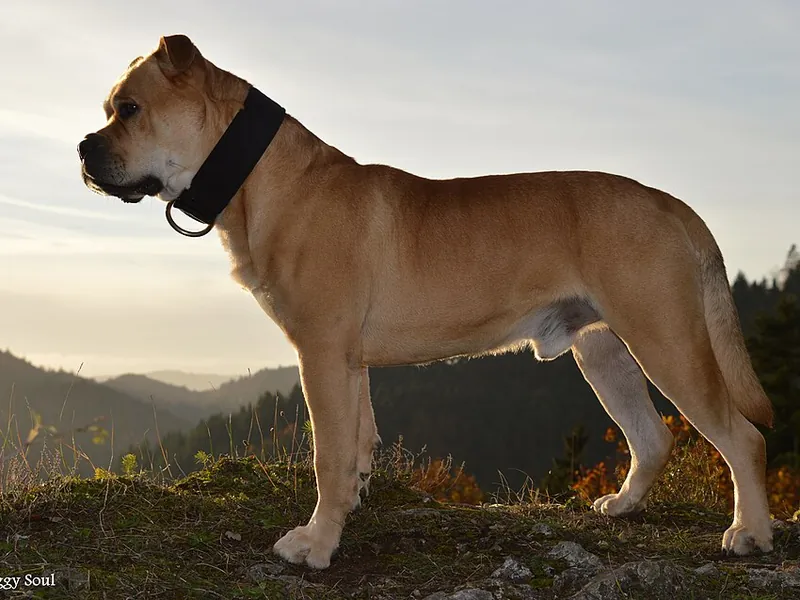
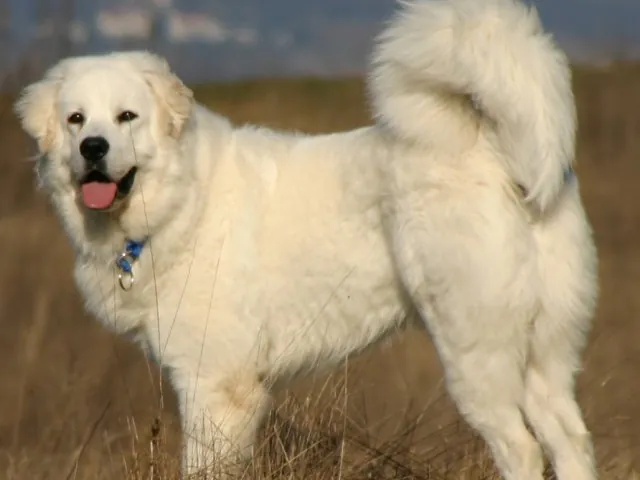
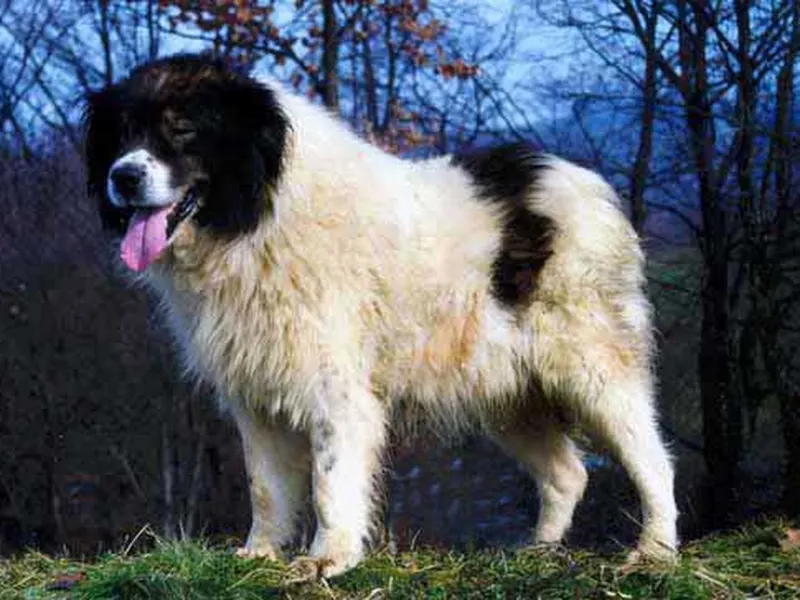
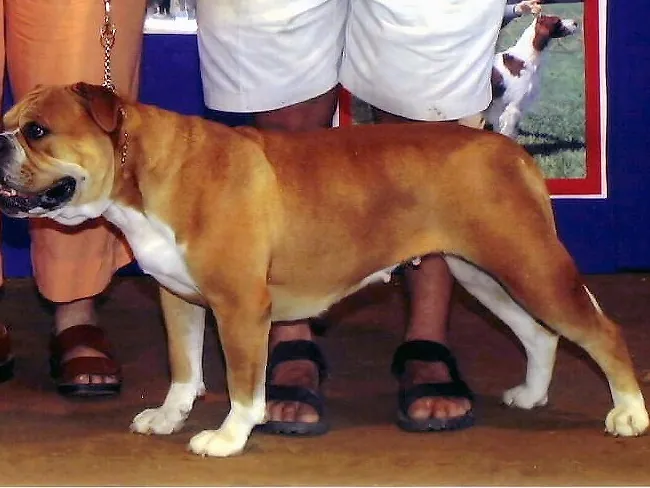
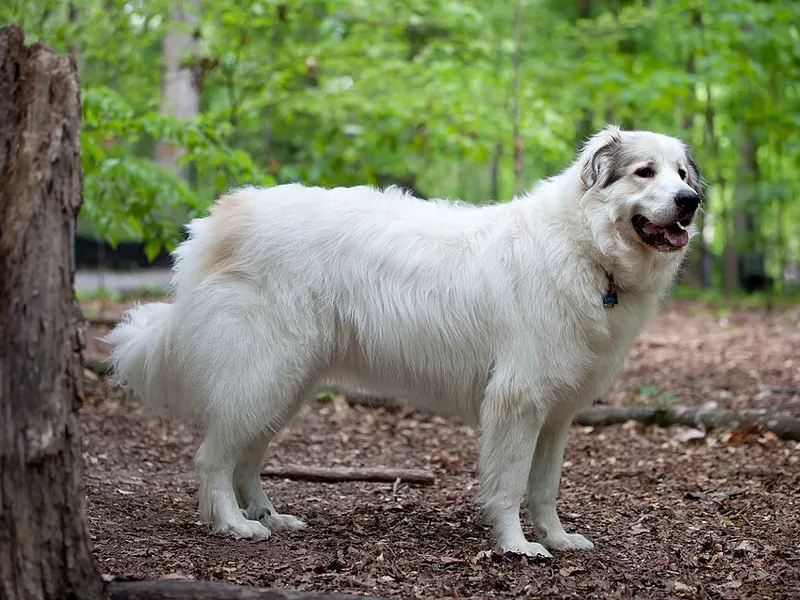
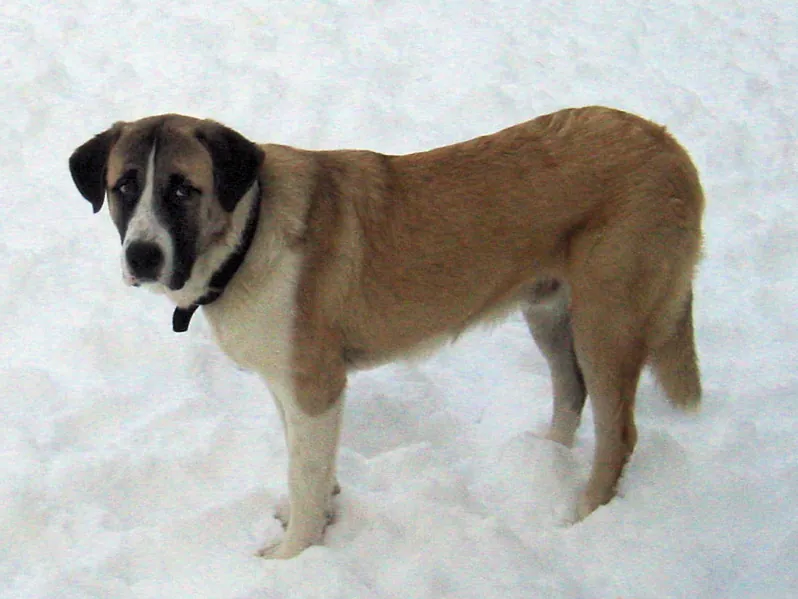
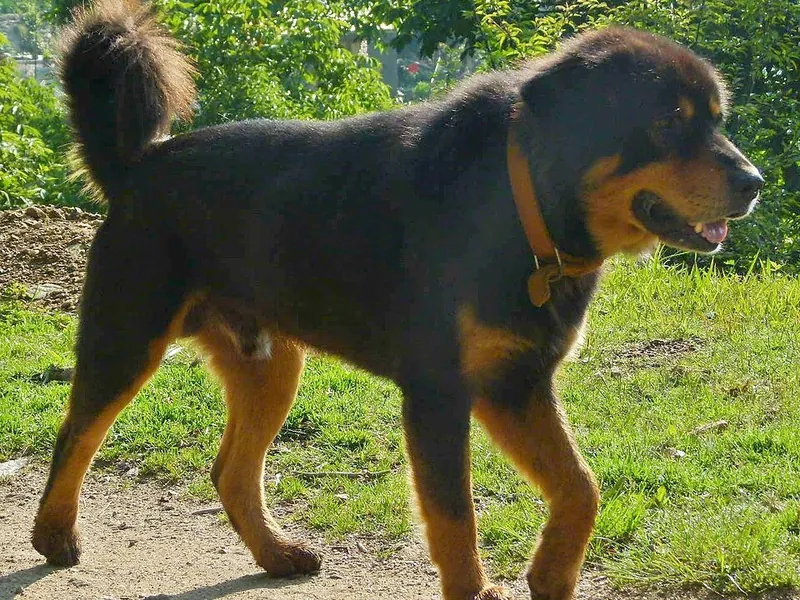
The Gaddi Kutta is a large, powerful dog with a muscular frame and a broad head. Adults stand roughly 20 to 30 inches at the shoulder and weigh about 66 to 99 lb. The wide height range reflects the fact that the breed has been selected for work rather than to a strict written standard, so individual dogs vary noticeably. Males are generally larger and heavier, with more massive heads.
The coat is medium length and dense, with a thick undercoat that protects against cold mountain weather. Males often carry a fuller ruff around the neck in winter.
Colors vary. Commonly reported colors include:
- Black with tan markings
- Black and white
- Brown, fawn or tan shades
- Mixed and patched patterns
The ears hang down, and the tail is often carried curled over the back or in a loose curve when alert. Because there is no widely recognized standard, appearance alone should not be used to judge whether a dog is a Gaddi.
Temperament and Personality
Like most flock guardians, the Gaddi Kutta thinks for itself. It is loyal to its people and its animals, watchful by nature and quick to confront anything it sees as a threat.
Strangers are usually treated with suspicion. These dogs can be gentle with their own family but need careful introductions to visitors. There is very little reliable information on how they fare as companion dogs outside their working environment, so any description of family life should be taken cautiously.
Is the Gaddi Kutta Good for First-Time Owners?
No. The Gaddi Kutta is a large, independent livestock guardian bred to confront predators such as leopards and bears, and it needs an owner experienced with guardian breeds.
Key challenges include:
- A strong protective instinct that grows as the dog matures
- Suspicion of strangers that requires careful management
- Size and strength that make leash handling demanding
- Very limited breed-specific information
For most people, especially first-time owners, a more predictable companion breed is a better and safer fit for everyone involved.
Are Gaddi Kuttas Aggressive?
Gaddi Kuttas are protective rather than aggressive by default, but their guarding instinct is strong. They were selected to defend flocks and camps, and they respond decisively to what they perceive as threats.
Toward their own family, they can be gentle and loyal. Toward strangers and unfamiliar animals, they are typically wary and may act to protect their territory.
Responsible ownership means early socialization, secure fencing, careful introductions to visitors and, ideally, guidance from someone experienced with livestock guardians. As with any large guardian breed, behavior depends heavily on upbringing and management, and individual dogs vary.
Are Gaddi Kuttas Good with Other Dogs?
It depends on context. Within their own group, including other dogs they grew up with, Gaddi Kuttas often work and live together, as shepherds traditionally keep several guardians with a flock.
Unfamiliar dogs entering their territory are another matter. A Gaddi may challenge or drive away strange dogs, which is part of its guarding role.
Introduce new dogs carefully and on neutral ground, supervise interactions and be cautious with same-sex dogs of similar size. Dog parks are generally not a good setting for a guardian breed of this type.
Exercise and Training
Guardians are not marathon runners, but they do need space to patrol and a purpose. A large, securely fenced property is far better than long walks in a busy town.
- Start socialization early with people, other dogs and household routines.
- Use calm, consistent training. Harsh methods tend to backfire with independent guardians.
- Expect guarding behavior to grow stronger as the dog matures, often between one and three years.
- Professional guidance from someone who knows livestock guardians is worthwhile.
Grooming and Shedding
The coat is medium length and dense, suited to cold mountain weather. Weekly brushing is enough most of the year, with more frequent sessions when the undercoat sheds seasonally.
Check for burrs and mats around the neck and hindquarters, and keep nails trimmed if the dog lives on soft ground. Warm climates can be uncomfortable for a dog bred in the Himalayas, so shade and cool resting spots matter.
Feeding and Nutrition
No breed-specific nutrition data exists for the Gaddi Kutta, so guidance follows what works for other large livestock guardians. The most important principle is controlled growth. Large puppies that grow too fast are at greater risk of joint problems.
- Feed a complete large-breed puppy food in measured meals rather than free choice.
- Keep puppies lean, with ribs easy to feel.
- Avoid extra calcium or supplements unless a vet advises them.
Adult guardians are often moderate eaters for their size, since they spend much of the day watching rather than running. Working dogs living outdoors in cold mountain conditions burn more, especially in winter, while dogs living indoors or in warm climates may need noticeably less.
As a large, deep-chested dog, feed two or more meals a day and avoid hard exercise right after eating. In warm climates, offer plenty of fresh water and shade, as heat can reduce appetite in a breed adapted to the Himalayas. Adjust portions based on body condition rather than a fixed amount.
| Adult weight | Less active | Typical adult | Very active |
|---|---|---|---|
| 66 lb | 1,250 kcal | 1,430 kcal | 1,790 kcal |
| 99 lb | 1,700 kcal | 1,940 kcal | 2,430 kcal |
Estimates use the resting energy formula veterinarians work with (70 × body weight in kg0.75) and standard activity factors. Use the feeding guide on your food as a starting point and adjust to body condition. Puppies, seniors, pregnant animals and pets that need to lose weight have different needs, so ask your vet.
Health and Lifespan
No dependable health or lifespan data exist for this breed. As a large, heavy dog, it may share the general risks of giant breeds, such as joint problems and bloat, but this is not documented for the Gaddi Kutta specifically.
Raise puppies on a controlled growth plan, avoid excessive jumping and high-impact exercise while young, and keep adults lean. Feeding smaller meals and avoiding hard exercise right after eating are sensible precautions for any deep-chested large dog.
Gaddi Kutta Price and Cost of Ownership
The Gaddi Kutta is essentially unavailable in the US. It is a regional working dog in northern India, not recognized by major kennel clubs, and there is no established breeding or price structure for American buyers. Be very cautious of anyone claiming to sell purebred Gaddi Kuttas, as pedigrees are hard to verify.
Rescue is not a realistic route outside India.
If you do own a large guardian of this type, cost drivers include:
- Food for a dog of up to 99 lb
- High, secure fencing for a large property
- Professional training support from guardian-breed specialists
- Hip and elbow evaluations
- Insurance for a large breed, including possible bloat surgery
- Cooling measures in warm climates
Is the Gaddi Kutta Right for You?
For most people, the answer is no. This breed is best with livestock keepers who need a guardian and understand the type.
- Good match: farms with flocks to protect, owners experienced with large guardian breeds, rural properties with strong fencing.
- Poor match: apartments, suburban homes with frequent visitors, first-time owners, families wanting a sociable pet.
Outside India, obtaining a well-bred dog is very difficult, so be wary of claims about pedigree.
Gaddi Kutta Traits at a Glance
Gaddi Kutta FAQ
How big do Gaddi Kuttas get?
They are large dogs, roughly 20 to 30 inches at the shoulder and about 66 to 99 lb.
Are Gaddi Kuttas good guard dogs?
Yes. Guarding is their purpose, and they are highly protective of their flock, territory and people.
Is the Gaddi Kutta good with children?
There is little reliable information. As with other flock guardians, close supervision and careful management of visiting children are essential.
Why is it called the Indian Panther Hound?
The name reflects its traditional role of defending livestock against leopards and other predators in the Himalayas.
Is the Gaddi Kutta recognized by kennel clubs?
It is not recognized by the FCI, the AKC or The Kennel Club.
Does the Gaddi Kutta need a lot of exercise?
It needs space and a job more than long runs. A large, secure property where it can patrol suits it better than walks in town.