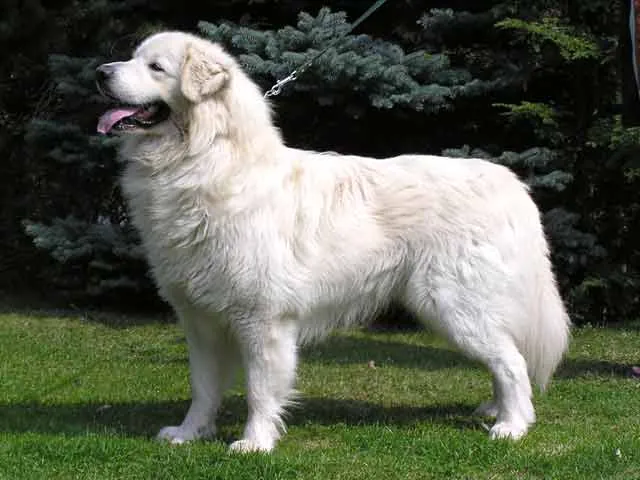
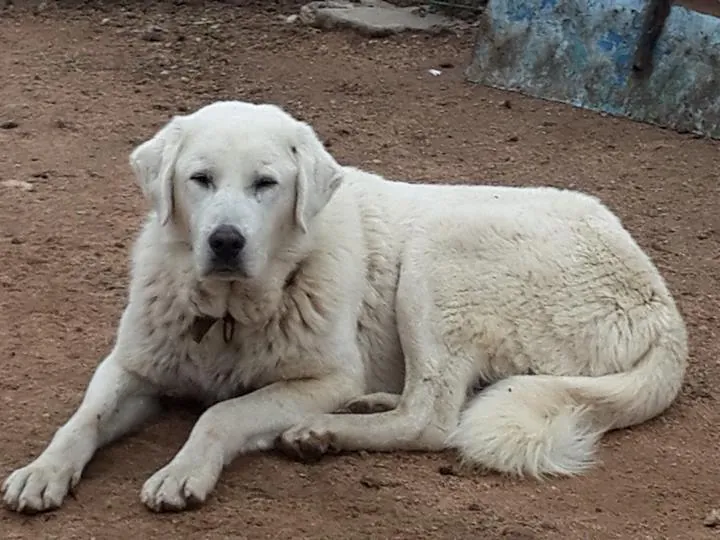
Central Asian Shepherd DogAncient, self-reliant livestock guardian
The Central Asian Shepherd Dog is a giant, ancient livestock guardian from the steppes and mountains between the Caspian Sea and China. Calm, confident and fiercely territorial, it makes its own decisions about threats and belongs only with experienced owners who have land and secure fencing.
Why people love the Central Asian Shepherd Dog
- Calm and steady at home with its own family
- Exceptional, self-reliant livestock and property guardian
- Hardy in both heat and cold
- Short to medium coat needs little care most of the year
- Moderate exercise needs for a giant breed
Things to consider
- Strong territorial instinct needs expert management
- Often intolerant of unfamiliar dogs
- Slow to mature, often around three years
- Restricted in some countries and cities
- Heavy seasonal shedding and night-time barking
Is this breed right for you?
10 questions · live resultHistory and Origin
This is a landrace breed shaped over many centuries by nomadic herders across Central Asia, in what are now Turkmenistan, Uzbekistan, Kazakhstan, Tajikistan, Kyrgyzstan and neighboring regions. The dogs guarded flocks, camps and caravans against wolves, other predators and thieves, and natural selection in a harsh climate favored strength, endurance and independent judgment.
In the Soviet era, the type was standardized in Russia, which holds FCI patronage. In Turkmenistan the breed, known as the Alabai, is regarded as a national treasure. The AKC lists it in its Foundation Stock Service.
Size, Coat Types and Colors
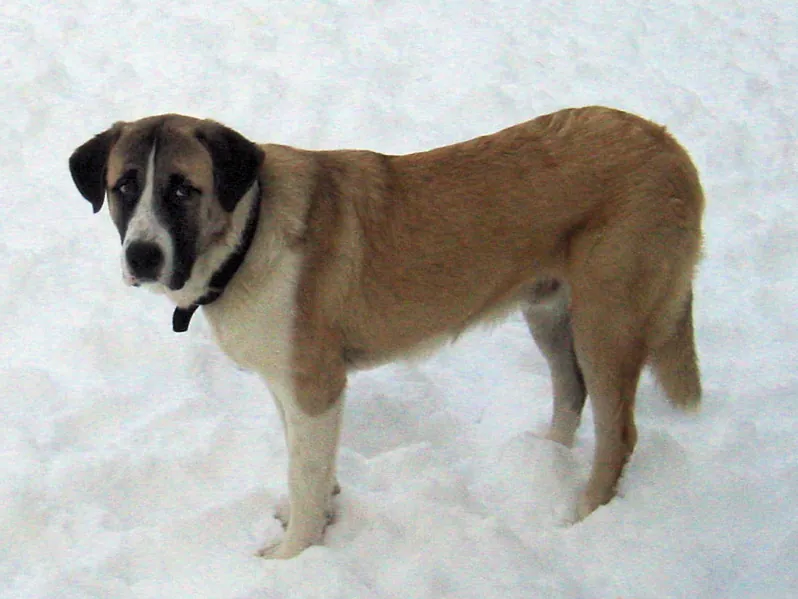
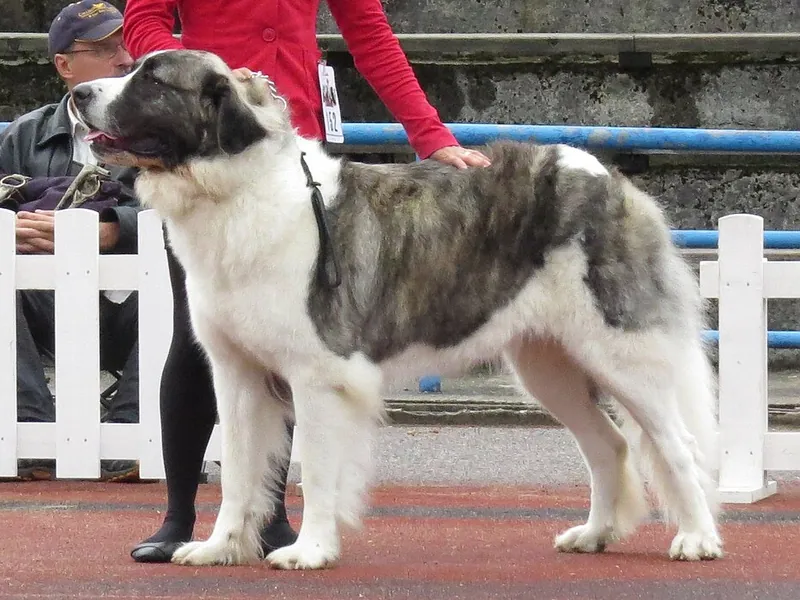
The Central Asian Shepherd Dog is a giant, heavy-boned guardian with a broad, massive head, deep chest and thick skin. Adults stand at least about 26 inches at the shoulder and weigh 88 lb or more. Those figures describe the minimum for females; males are clearly taller and much heavier, with a larger head and more pronounced chest, and many exceed the minimums by a wide margin.
Two coat lengths occur:
- Short coat: dense, straight outer hair with a thick undercoat.
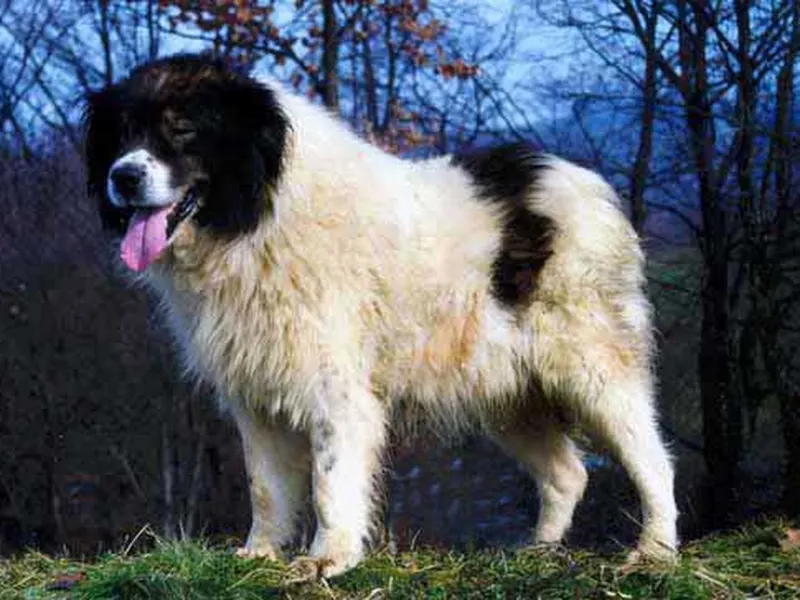
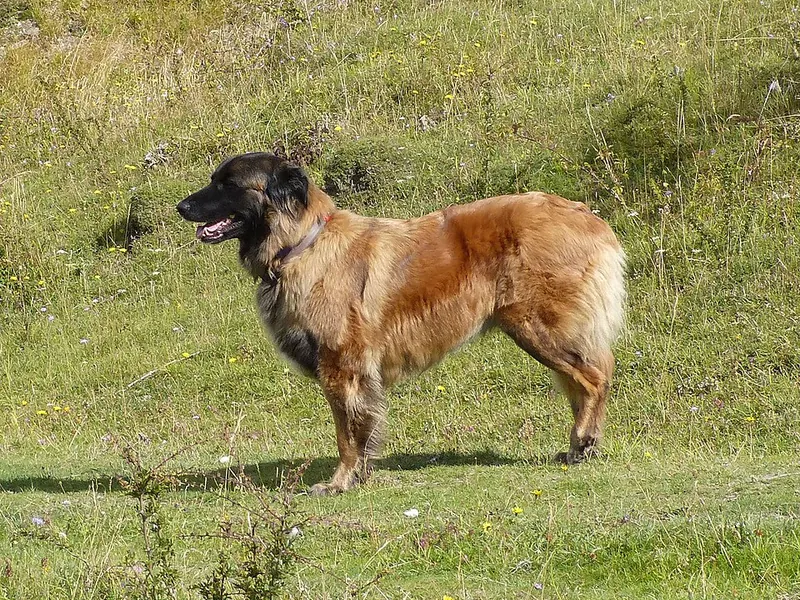
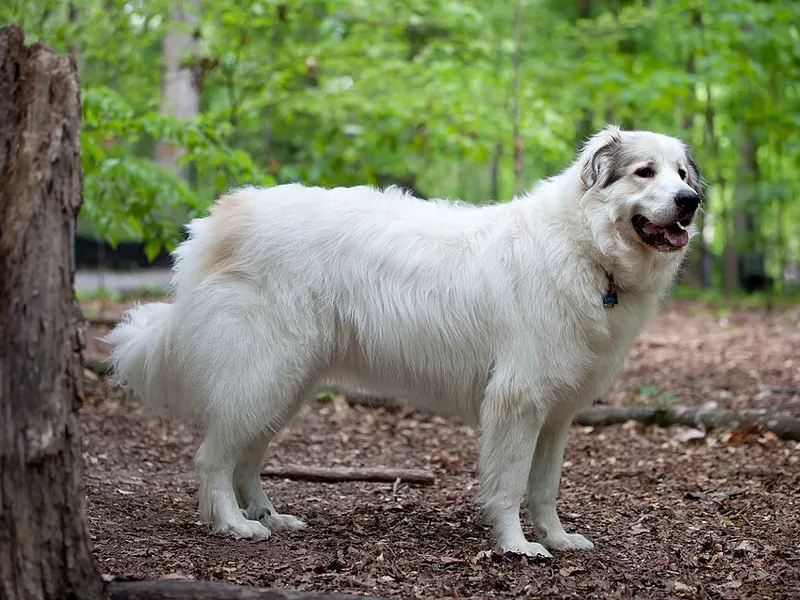
- Longer coat: noticeably longer hair forming a mane on the neck, feathering behind the ears, on the legs and tail.
Colors are varied and include white, black, gray, fawn, brindle, straw and pied combinations. Under the FCI standard, genetic blue and brown (liver) in any combination are faults, as is a black mantle on tan. In Central Asia, ears and tails were traditionally cropped and docked, but these procedures are banned or restricted in many countries, so natural ears and tails are increasingly common.
Temperament and Personality
At home, a Central Asian Shepherd is usually calm, steady and affectionate with its own family, including children it has grown up with. It is not demonstrative like a retriever but quietly watchful.
Its guardian instinct is strong. It is suspicious of strangers, territorial about its property and may not accept unfamiliar dogs. It was bred to act without instruction, so it is independent and weighs commands rather than following them automatically. Males in particular can be dominant toward other dogs.
Many owners describe these dogs as calm and reserved, with a strong sense of responsibility for their territory.
Are Central Asian Shepherd Dogs Good for First-Time Owners?
No, the Central Asian Shepherd Dog is generally not suitable for first-time owners.
This breed was selected over centuries to decide independently who and what counts as a threat. Combined with a giant body and slow maturity, that requires an owner who understands guardian behavior, can manage visitors safely and can handle a powerful dog physically. Training must be consistent and calm for several years, not just through puppyhood. Even experienced owners of other large breeds are advised to talk with breed specialists, meet adult dogs and check local legislation and insurance before committing.
Are Central Asian Shepherds Good with Other Dogs?
Central Asian Shepherds often accept dogs they live with but can be intolerant of unfamiliar dogs, especially of the same sex.
As flock guardians they tend to treat their property as territory, and strange dogs entering it may be challenged. Males in particular can be dominant toward other males. Many live peacefully with an opposite-sex companion raised alongside them, and with smaller livestock or pets they consider part of their group. Dog parks are not a good fit. Careful socialization from puppyhood, controlled introductions and secure fencing help prevent conflicts.
Do Central Asian Shepherds Need a Yard?
Yes. A large, securely fenced property is close to essential for this breed, and apartment living is not a realistic option.
Central Asian Shepherds like to patrol and watch their territory, and many are more active in the evening and at night. Fencing should be tall, solid and regularly checked, since a determined guardian will test weak spots. The yard should not border busy public paths, as constant passersby can heighten guarding and barking. Even with land, the dog still needs daily walks and socialization outside its property to stay stable around people.
Exercise and Training
Exercise needs are moderate: daily walks plus time to patrol a large, securely fenced property. These are not jogging partners, and many are more active in the evening and at night.
- Socialize intensively from puppyhood and continue through adolescence.
- Use calm, consistent leadership and rewards; confrontation backfires.
- Manage visitors carefully and never leave the dog unsupervised with guests.
The breed matures slowly, often not reaching full mental and physical maturity until around three years old, so training is a long-term commitment.
Grooming and Shedding
The coat is short to medium in length with a dense undercoat, in many colors including white, fawn, brindle and black. Weekly brushing is enough most of the year, but the undercoat sheds heavily once or twice a year and needs daily raking during that time.
Drool is moderate. Keep nails short and check ears regularly, especially if the dog spends time outdoors.
Feeding and Nutrition
Central Asian Shepherd puppies grow from a few pounds to over 100 lb, and controlled growth is the most important nutritional goal. Feed a complete food formulated for giant or large-breed puppies, with balanced calcium and phosphorus, and do not add calcium or other supplements unless your vet recommends them. Slow, steady growth with a lean body supports hip and elbow development.
The breed matures slowly, often until around three years of age, so move to adult food only when your vet agrees the dog is physically mature.
- Feed two or three meals a day to reduce bloat risk in this deep-chested giant.
- Avoid exercise for about an hour before and after meals.
- Many guardians eat less in hot weather and more in winter; adjust by body condition.
- Feed in a quiet spot. Some guardian dogs guard food, especially from other dogs.
Keep adult dogs lean, as extra weight strains joints in a heavy body.
| Adult weight | Less active | Typical adult | Very active |
|---|---|---|---|
| 88 lb | 1,560 kcal | 1,780 kcal | 2,220 kcal |
Estimates use the resting energy formula veterinarians work with (70 × body weight in kg0.75) and standard activity factors. Use the feeding guide on your food as a starting point and adjust to body condition. Puppies, seniors, pregnant animals and pets that need to lose weight have different needs, so ask your vet.
Health and Lifespan
As a landrace selected for working ability, the breed is considered hardy, but reliable lifespan data are limited. Like other giant breeds, it is prone to hip and elbow dysplasia, and it may be at risk of bloat because of its deep chest.
Puppies should grow slowly on a controlled diet, without forced exercise or repeated jumping. Choose breeders who screen hips and elbows and who select for stable temperament.
Central Asian Shepherd Dog Price and Cost of Ownership
Central Asian Shepherd Dogs are uncommon in the US, and prices from breeders vary widely. Puppies from imported or working lines may cost considerably more than those from local breedings. Expect to research breeders carefully, ask about health testing for hips and elbows, and meet the parents to assess temperament.
Rescue placements are rare but possible, often through livestock guardian dog rescues that understand the breed's needs.
Breed-specific ongoing costs include:
- Large quantities of giant-breed food during growth and adulthood.
- Solid, tall fencing and its maintenance.
- Pet insurance for joint problems and bloat.
- Homeowners insurance adjustments, as some policies restrict guardian breeds.
- Training with professionals experienced in livestock guardians.
Is the Central Asian Shepherd Dog Right for You?
Males stand 26 inches or more and weigh 88 lb or more, often considerably more. This breed suits experienced owners with land, livestock or a large secure property, who value a self-reliant guardian.
It is unsuitable for apartments, suburban yards with low fences, first-time owners and homes with frequent visitors. Some countries and municipalities restrict ownership of this breed, so check local rules before getting one.
Central Asian Shepherd Dog Traits at a Glance
Central Asian Shepherd Dog FAQ
Are Central Asian Shepherd Dogs good family dogs?
They can be calm and loyal with their own family, but their guarding instinct and size require experienced handling and careful management of visitors.
How big do Central Asian Shepherd Dogs get?
Males usually stand 26 inches or more and weigh 88 lb or more; many are much heavier.
What is an Alabai?
Alabai is the Turkmen name for the Central Asian Shepherd Dog, a national symbol in Turkmenistan.
Are Central Asian Shepherds restricted?
Some countries and cities restrict the breed. Check local laws and insurance conditions before buying.
Do Central Asian Shepherds shed?
They shed moderately most of the year and heavily once or twice a year.
How long do Central Asian Shepherds live?
Reliable data are limited; like other giant breeds, they often live into their early teens at best.