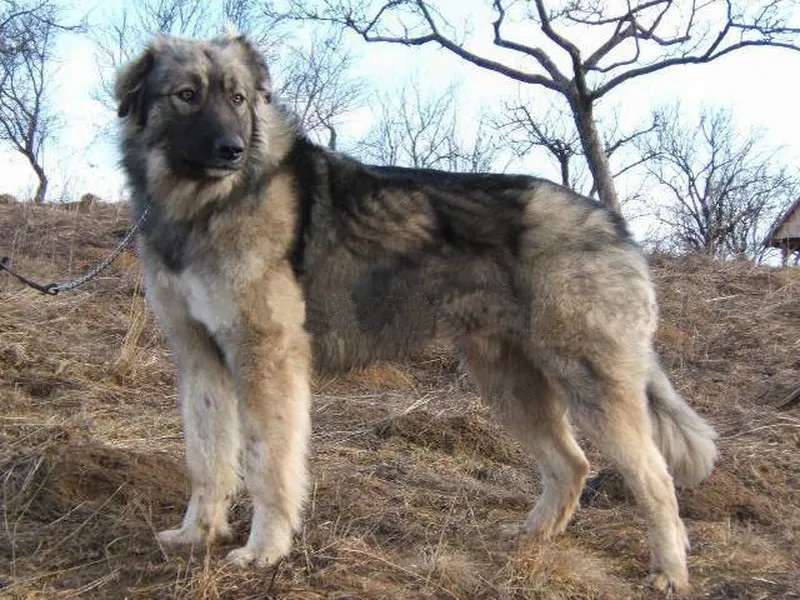
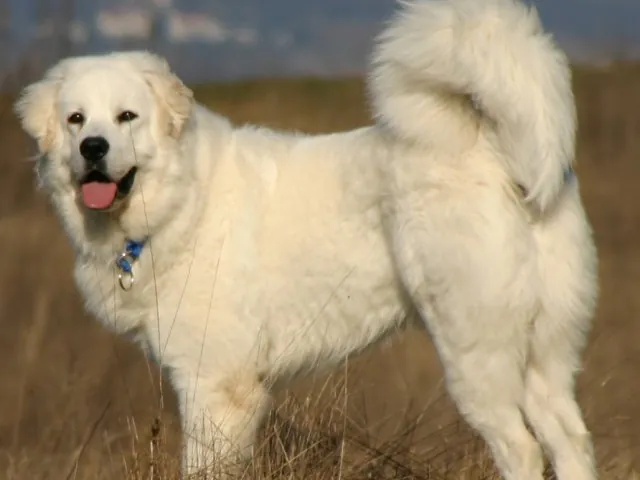
Slovensky CuvacSlovakia's white mountain guardian
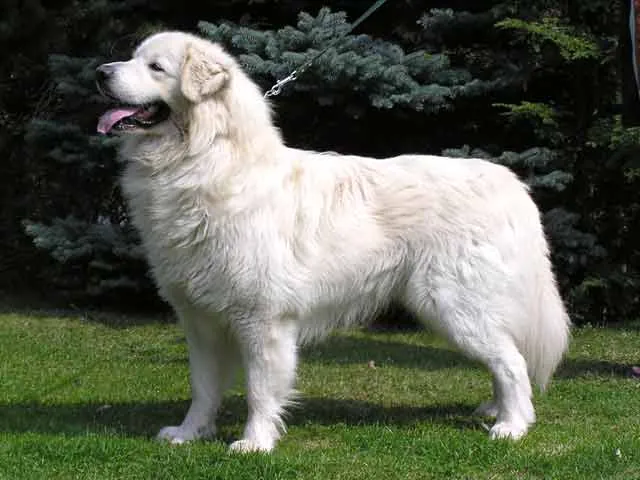
The Slovensky Cuvac is a large, white livestock guardian from the Slovak mountains, bred to protect flocks and homes from wolves, bears and intruders. Loyal and gentle with its family, alert and reserved with strangers, it suits experienced owners with land to guard.
Why people love the Slovensky Cuvac
- Devoted, gentle guardian for family, flock and property
- Patient and affectionate with its own children
- Calm and quiet indoors when its role is clear
- Barks less than many livestock guardian breeds
- Hardy in cold, mountain-style climates
Things to consider
- Large and powerful, up to 97 lb
- Protective and wary with strangers
- Heavy seasonal shedding of a white double coat
- Independent; not suited to first-time owners
- Rare in the US, with very few breeders
Is this breed right for you?
10 questions · live resultHistory and Origin
White guardian dogs were used for centuries by shepherds in the mountains of Slovakia, especially the Tatras. Their pale coats helped shepherds tell them apart from wolves at night. The name comes from the Slovak word čuvať, meaning to hear or listen, a nod to the breed's alertness.
As mountain shepherding declined, numbers dropped. After the Second World War, Professor Antonín Hrůza of the veterinary college in Brno led efforts to gather remaining dogs and establish a breed standard. The FCI recognizes the breed in Group 1, and the AKC records it in its Foundation Stock Service.
The breed's history is closely tied to mountain pastures where flocks spent summers far from villages. Shepherds needed dogs that could work without supervision, deciding for themselves when to warn and when to act, which explains the Cuvac's independent mind today.
Size, Coat and Color
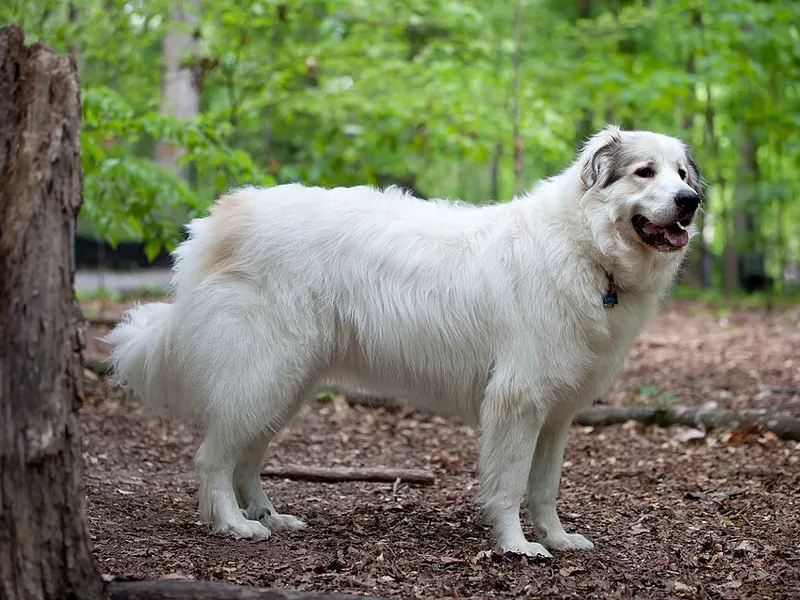
The Slovensky Cuvac is a large, sturdy livestock guardian with a rectangular body and strong bone. Adults stand 23 to 28 inches at the shoulder and weigh about 68 to 97 lb. Males are noticeably larger, taller and heavier, with a broader head and a thicker mane around the neck. Females are smaller and somewhat more refined.
The coat is a dense double coat. The outer coat is wavy and medium length on the body, shorter on the head and legs, with a thick undercoat that is fuller in winter. Males often show a pronounced mane, especially in cold seasons.
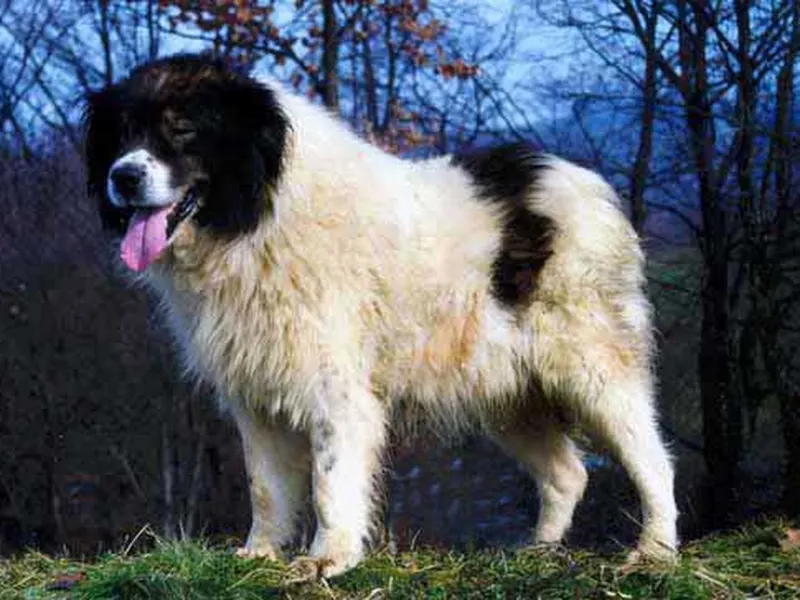
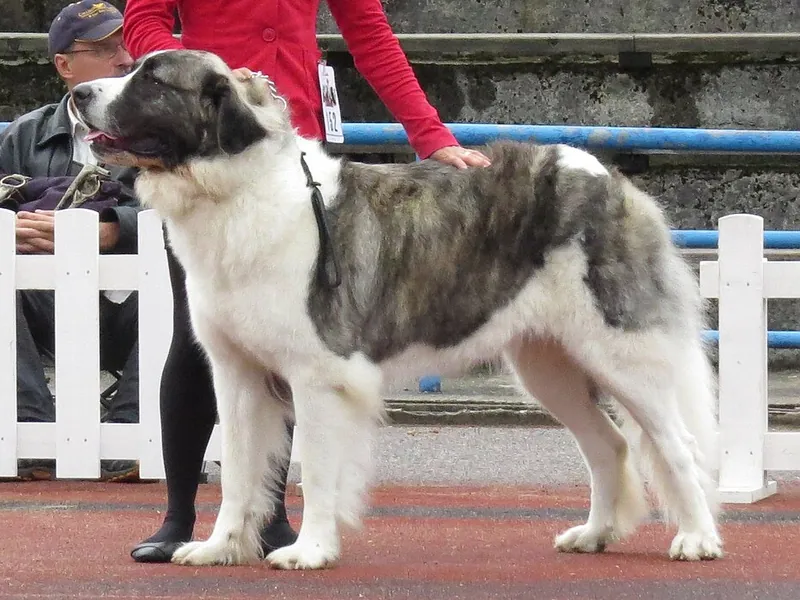
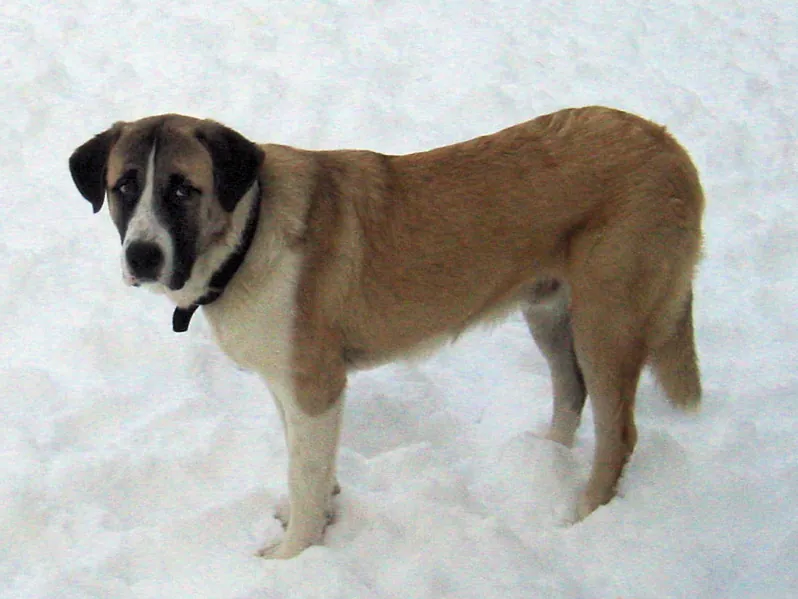
The only accepted color is white. A slight yellowish tinge on the ears is tolerated, but yellow patches elsewhere are faults. The nose, lips and eye rims are black, and the eyes are dark brown and oval.
The Cuvac is closely related in type to the Hungarian Kuvasz and the Polish Tatra Sheepdog. It is generally smaller than the Kuvasz, with a coat that is wavier than the Tatra's.
Temperament and Personality
Cuvacs are loyal, brave and devoted, with a strong protective instinct. They are typically affectionate and patient with their own family, including children, and wary of strangers.
Compared with some guardian breeds they tend to bark less, but they respond decisively if they perceive a threat. Early, ongoing socialization and a confident owner are key to a well-balanced adult.
Indoors, a Cuvac is usually calm and quiet, often lying where it can watch doors and windows. It may be slow to accept new people into the household, but once it does, it is steady and affectionate.
Is the Slovensky Cuvac Good for First-Time Owners?
Generally no. The Cuvac is a large, independent livestock guardian that makes its own decisions about threats, which requires an owner with experience handling guardian breeds.
Challenges for beginners include:
- Socializing a protective dog so it accepts visitors
- Managing a strong, heavy adult on leash
- Securing a large property with high fencing
- Dealing with heavy shedding
A first-time owner with livestock and close support from an experienced breeder or mentor might succeed, but most beginners are better served by a less protective breed.
Are Slovensky Cuvacs Aggressive?
Cuvacs are not typically aggressive toward their families, but they are protective guardians, and that instinct is central to the breed. They are naturally wary of strangers and will respond to what they perceive as a threat to their family, flock or property.
How that protectiveness shows depends heavily on socialization, training and management. A well-raised Cuvac is usually calm and discerning, warning with barking before taking any further action.
Owners should introduce visitors carefully, supervise children's friends and keep the dog securely fenced. Professional guidance from someone experienced with guardian breeds is valuable, especially during adolescence.
Are Slovensky Cuvacs Good with Other Pets?
Usually, especially with animals they grow up with. As flock guardians, Cuvacs tend to bond with and protect the animals in their household, including livestock, cats and other dogs.
Some points to consider:
- Introduce puppies early to the pets they will live with.
- Unfamiliar dogs entering the property may be challenged.
- Same-sex dogs of similar size can have tension in some households.
Supervise interactions with smaller pets until you are confident, since the Cuvac is large and may play roughly as a youngster. Many owners find adult Cuvacs gentle, watchful companions to the animals in their care.
Exercise and Training
Exercise needs are moderate. Daily walks and space to patrol a fenced property are ideal. Young dogs should not be pushed into intense exercise while their joints develop.
Cuvacs are intelligent but independent, as guardians must make decisions on their own. Training works best with calm consistency and rewards. Begin leash training early, as adults are very strong, and expose puppies to many people and situations.
Grooming and Shedding
The dense white double coat sheds heavily, especially seasonally. Brush two or three times a week, and daily during sheds.
The coat is fairly dirt-resistant; mud usually brushes out once dry. Avoid frequent bathing. Some individuals drool a little, especially after drinking.
The coat is pure white, and a yellowish tinge on the ears is permitted by the standard. Males often carry a thicker mane around the neck.
Feeding and Nutrition
The Cuvac is a large, slow-maturing breed, and controlled growth matters more than anything else in its first two years. Puppies that grow too fast are at higher risk of joint problems, including hip dysplasia, which is the main health concern in the breed.
- Feed a complete large-breed puppy food in measured meals, not free choice.
- Keep puppies lean, with ribs easy to feel, rather than chubby.
- Avoid adding calcium or other supplements unless your vet recommends them.
Adult Cuvacs are often surprisingly modest eaters for their size, especially guardians that spend much of the day watching rather than running. Adjust portions to activity, season and body condition.
As a large, deep-chested dog, feed two or more meals a day rather than one large meal, and avoid vigorous exercise right before and after eating. Livestock guardians that live outdoors in cold weather may need more food in winter, while dogs living indoors often need less. Use calm, food-based training rewards and count them in the daily total.
| Adult weight | Less active | Typical adult | Very active |
|---|---|---|---|
| 68 lb | 1,280 kcal | 1,470 kcal | 1,830 kcal |
| 97 lb | 1,670 kcal | 1,910 kcal | 2,390 kcal |
Estimates use the resting energy formula veterinarians work with (70 × body weight in kg0.75) and standard activity factors. Use the feeding guide on your food as a starting point and adjust to body condition. Puppies, seniors, pregnant animals and pets that need to lose weight have different needs, so ask your vet.
Health and Lifespan
The Slovensky Cuvac is generally regarded as a healthy breed. As a large, heavy dog, hip dysplasia is a concern, so choose breeders who screen hips (and ideally elbows) and keep puppies lean and steadily growing.
Typical lifespan is about 11 to 13 years.
Slovensky Cuvac Price and Cost of Ownership
The Slovensky Cuvac is very rare in the US, and only a handful of breeders exist. Many dogs are imported from Slovakia or elsewhere in Europe, so prices vary widely and include transport and import costs. Prices vary by breeder, region and lines.
Livestock guardian rescues occasionally place white guardian dogs, though purebred Cuvacs are rarely available this way.
Breed-specific ongoing costs include:
- Food for a large dog of up to 97 lb
- High, secure fencing for a large property
- Hip and elbow screening if breeding
- Insurance that covers hip dysplasia and bloat surgery
- Professional training support from guardian-breed specialists
- Deshedding tools or grooming during heavy sheds
Is the Slovensky Cuvac Right for You?
The Cuvac is best for experienced owners in rural areas with livestock or property to guard and a large, secure yard. It makes a devoted family guardian.
It is not suited to apartments, small yards or first-time owners who are unprepared for its size, shedding and protective instincts.
A Cuvac kept as a family guardian needs secure, high fencing, as it will patrol and may try to extend its territory. Plan carefully for visitors, deliveries and children's friends.
Slovensky Cuvac Traits at a Glance
Slovensky Cuvac FAQ
How big do Slovensky Cuvacs get?
They stand about 23 to 28 inches tall and weigh roughly 68 to 97 lb.
Are Slovensky Cuvacs good family dogs?
They are loyal and gentle with their families, including children, but need experienced owners and plenty of space.
Do Slovensky Cuvacs shed a lot?
Yes. The thick white double coat sheds heavily, especially seasonally.
Are Slovensky Cuvacs good with livestock?
Yes. They were bred as flock guardians and usually bond with the animals they protect.
How long do Slovensky Cuvacs live?
Typically about 11 to 13 years.
Do Slovensky Cuvacs bark a lot?
They are watchful and will bark at real disturbances, but they are often less noisy than many guardian breeds. Individual dogs vary.