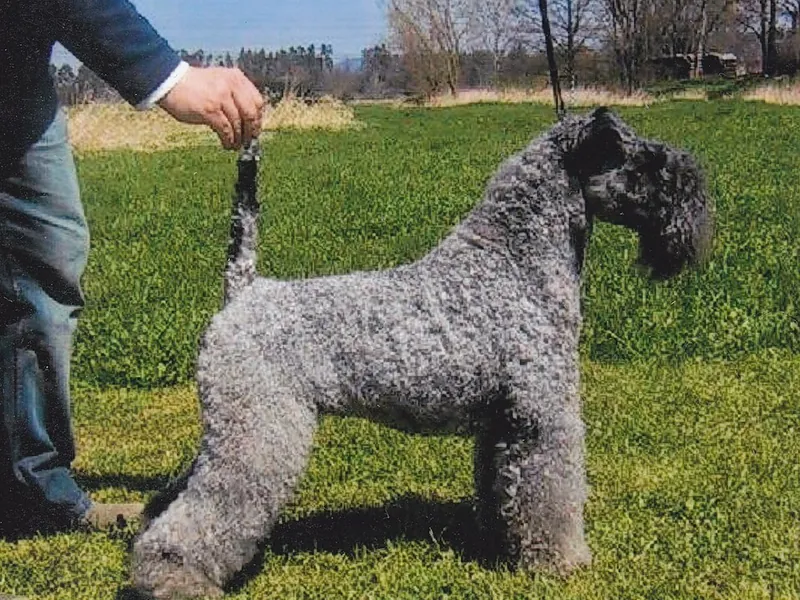
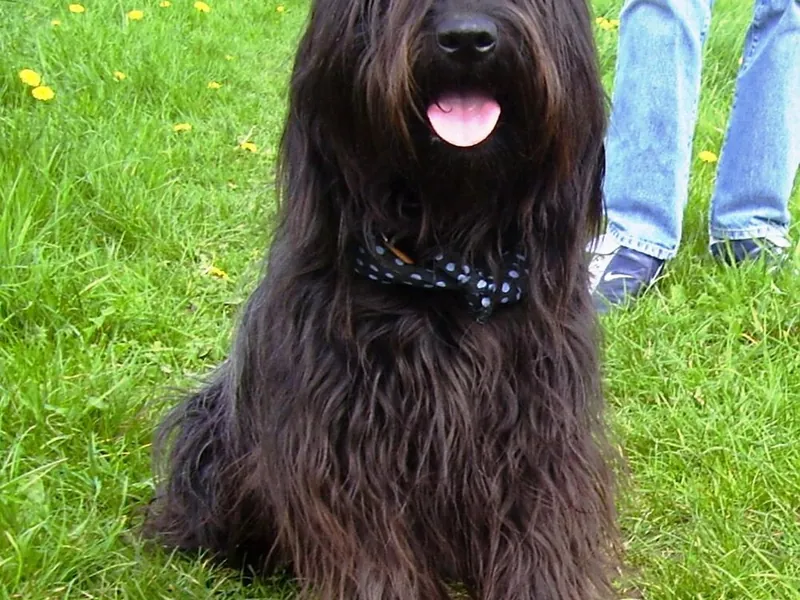
Standard SchnauzerThe original German farm schnauzer
The Standard Schnauzer is the original of the three schnauzer breeds: a medium-sized, bearded German farm dog that guarded property and hunted rats. Smart, alert and spirited, it suits owners who enjoy training and can keep up with coat care.
Why people love the Standard Schnauzer
- Very low shedding for a medium-sized dog
- Smart, versatile and excellent in dog sports
- Alert watchdog that is protective of family
- Long-lived breed, often 13 to 16 years
- Adaptable to apartments if exercised and trained
Things to consider
- Wiry coat needs stripping or clipping several times a year
- Strong-willed and likes to test boundaries
- May chase small animals due to ratting history
- Can bark, dig or invent games when bored
- Breeders are scarce compared with Miniature Schnauzers
Is this breed right for you?
10 questions · live resultHistory and Origin
The Standard Schnauzer developed in southern Germany, especially Württemberg and Bavaria, as an all-purpose farm dog. It hunted rats, guarded farmyards and stables, and accompanied wagons to market. In the 19th century it was known as the Wirehaired Pinscher, and the name Schnauzer, from the German word for snout, came from its bearded muzzle. Dogs of this type appear in paintings by Albrecht Dürer and Rembrandt.
The Miniature and Giant Schnauzers were later developed from the Standard. During World War I, Standard Schnauzers served as messenger and Red Cross dogs. The AKC recognized the breed in 1904 and places it in the Working group, while The Kennel Club lists it simply as the Schnauzer in the Utility group.
Size, Coat and Colors
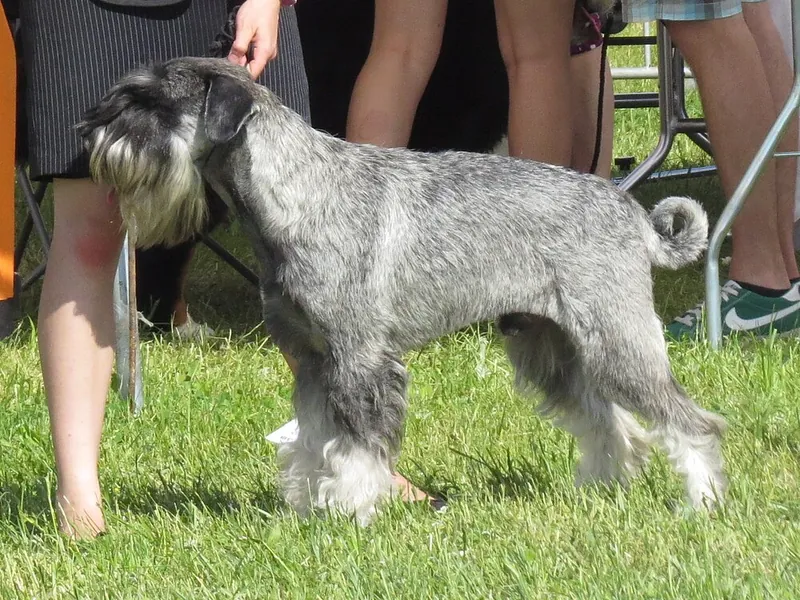
The Standard Schnauzer is a medium-sized, square-built dog, roughly as tall as it is long, with a robust, muscular body. Adults stand 18 to 20 inches at the shoulder and weigh about 31 to 44 lb. Males are slightly taller and heavier than females, with a bolder head.
The breed's most recognizable feature is its harsh, wiry double coat with bushy eyebrows, a full beard and longer furnishings on the legs. The topcoat is tight and hard, while the undercoat is soft and dense.
Only two colors are allowed by the standard:
- Pepper and salt, a mix of black and white banded hairs in shades from dark iron gray to silver gray
- Pure black
White markings are not accepted. In the US, ears are often cropped and tails docked, though natural ears and tails are increasingly common and accepted. The Standard is the middle size of the three schnauzer breeds, between the Miniature and the Giant, and should not be confused with an oversized Miniature.
Temperament and Personality
Standard Schnauzers are clever, lively and devoted to their family. They are alert, protective watchdogs that are usually reserved with strangers until properly introduced. With children they know, they are typically playful and patient, and many enjoy being part of family activities.
They have a strong will and like to test boundaries, especially as adolescents. Their ratting heritage means they may chase small animals. Most get along with other pets when raised with them, though some are bossy with other dogs.
Many owners describe them as having a sense of humor: they enjoy games, invent tricks and often seem to understand household routines remarkably well.
Is the Standard Schnauzer Good for First-Time Owners?
It can be, for owners who enjoy training. Standard Schnauzers are smart and eager to be involved, but they are also strong-willed and quick to take advantage of inconsistent rules.
First-time owners do best when they:
- Attend puppy and obedience classes
- Keep training varied and reward-based
- Provide daily mental challenges, not just walks
- Plan for regular coat care or a groomer
If you want a dog that just goes along with things, a more easygoing breed may suit you better. If you like an engaged, clever partner, the Standard can be a great first dog.
Do Standard Schnauzers Bark a Lot?
They are moderate to frequent barkers. As alert farm guardians, Standard Schnauzers bark at visitors, unusual noises and anything they consider out of place.
Barking increases with boredom. A Schnauzer without enough mental work may bark at passing dogs or invent its own projects. Ways to keep barking reasonable:
- Give daily training, puzzle feeders or nosework.
- Teach a quiet cue and reward calm behavior.
- Limit window access in busy areas.
Most owners appreciate the watchdog bark but find it needs guidance to stay within limits.
Are Standard Schnauzers Easy to Train?
They learn very quickly, but they are not pushovers. Standard Schnauzers are clever enough to figure out what you want and independent enough to ask why.
Training goes best with:
- Short, varied sessions, since repetition bores them
- Food and play rewards with clear, fair rules
- Early socialization to people, dogs and places
They excel at obedience, agility, tracking, nosework and even herding when motivated. Adolescents often test limits, so stay consistent through that phase. Harsh methods tend to create a stubborn dog, while a fun, structured approach produces a remarkably capable companion.
Exercise and Training
Moderate daily exercise is enough for most: brisk walks, play and plenty of mental challenges. What matters most is giving them something to think about. Standard Schnauzers excel at obedience, agility, tracking, nosework and even herding.
Training should be consistent, fair and reward-based. They learn fast and get bored with repetition, so keep sessions varied. Without stimulation, they may bark, dig or invent their own entertainment.
Grooming and Shedding
The harsh, wiry double coat sheds very little but needs regular care:
- Brush once or twice a week and comb the beard and leg furnishings, which collect food and debris.
- Hand-strip the coat a few times a year to keep its harsh texture and color, or clip it, which is easier but softens the coat.
- Trim around the eyes, ears and feet and keep nails short.
Feeding and Nutrition
Standard Schnauzers are moderately active, food-motivated dogs that gain weight easily if treats flow freely during training. Keep them lean, with a visible waist and ribs easy to feel under the coat, since extra weight adds strain to hips.
Feed adults two measured meals a day and puppies three or four meals. A complete food suited to medium-sized dogs supports steady growth without pushing puppies to grow too fast.
- Count training treats in the daily total; this breed trains a lot.
- Wipe or comb the beard after meals, as food residue causes odor and staining.
- Schnauzer comedo syndrome is a skin condition; skin and coat quality depend on a complete diet, but blackheads are managed with skin care rather than food alone.
Pancreatitis and high blood fat levels are well documented in the related Miniature Schnauzer, and some owners of Standards are cautious with very fatty treats and table scraps as well. Ask your vet if your dog has digestive upsets after rich foods.
| Adult weight | Less active | Typical adult | Very active |
|---|---|---|---|
| 31 lb | 710 kcal | 810 kcal | 1,020 kcal |
| 44 lb | 930 kcal | 1,060 kcal | 1,320 kcal |
Estimates use the resting energy formula veterinarians work with (70 × body weight in kg0.75) and standard activity factors. Use the feeding guide on your food as a starting point and adjust to body condition. Puppies, seniors, pregnant animals and pets that need to lose weight have different needs, so ask your vet.
Health and Lifespan
Standard Schnauzers are generally healthy and long-lived, typically 13 to 16 years. Health issues seen in the breed include:
- Schnauzer comedo syndrome, small blackheads along the back
- Hip dysplasia
Eye conditions have also been reported. Choose a breeder who screens hips and eyes, and keep your dog at a healthy weight.
Standard Schnauzer Price and Cost of Ownership
Typical breeder price in the US$1,500 to $3,000
A Standard Schnauzer puppy from a reputable US breeder typically costs about $1,500 to $3,000. Prices vary by breeder, region and lines. Breeders are far fewer than for Miniature Schnauzers, so expect a waitlist.
Standard Schnauzer rescue groups place adult dogs occasionally, though purebred Standards are less common in shelters than Miniatures, so be patient.
Breed-specific ongoing costs include:
- Professional grooming: hand-stripping a few times a year, or clipping every six to eight weeks
- Hip and eye screening if breeding
- Insurance that covers hip and eye conditions
- Training classes and dog sports, which suit the breed
- Puzzle toys and enrichment to prevent boredom
Is the Standard Schnauzer Right for You?
A Standard Schnauzer suits active families and individuals who want a smart, loyal, low-shedding dog of medium size and enjoy training. It can live in an apartment if exercise and mental work are provided. It is less suited to owners who want a dog that needs little grooming or training, or homes with small pets like rodents.
Breeders of Standard Schnauzers are less common than for the Miniature, so expect to wait for a puppy and ask about health checks and the temperament of the parents.
Standard Schnauzer Traits at a Glance
Standard Schnauzer FAQ
How big do Standard Schnauzers get?
They stand about 18 to 20 inches tall and weigh roughly 31 to 44 lb.
Are Standard Schnauzers good family dogs?
Yes. They are usually playful and protective with children they know and enjoy being part of family life.
Do Standard Schnauzers shed?
Very little, though the wiry coat needs regular brushing and stripping or clipping.
Are Standard Schnauzers hypoallergenic?
No dog is truly hypoallergenic, but they shed very little and many allergy sufferers tolerate them well.
What is the difference between Standard, Miniature and Giant Schnauzers?
They are three separate breeds. The Standard is the original medium-sized farm dog; the Miniature and Giant were developed from it later.
How long do Standard Schnauzers live?
Typically 13 to 16 years.