Norwegian ElkhoundNorway's bold gray moose hunter
The Norwegian Elkhound is a sturdy gray spitz from Norway, bred for thousands of years to track moose and hold them at bay by barking. Friendly, confident and loyal, it makes a lively family dog for active owners who can handle its voice, independence and heavy shedding.
Why people love the Norwegian Elkhound
- Friendly, bold and usually good with children
- Hardy, compact build thrives in cold climates
- Excellent watchdog that announces every arrival
- Weather-resistant coat rarely needs bathing
- Good companion for hiking and long outdoor days
Things to consider
- Very vocal, with a loud, persistent bark
- Heavy shedding, especially during seasonal coat blows
- Independent and stubborn in training
- Recall is unreliable once a scent is found
- Food-driven and prone to weight gain
Is this breed right for you?
10 questions · live resultHistory and Origin
Spitz-type hunting dogs have lived in Scandinavia for a very long time, and dogs resembling the Elkhound have been linked to Viking-era sites. In Norway, these dogs hunted moose (called elk in Europe) as well as bear and lynx, and also guarded farms and flocks.
The Elkhound's method is distinctive: it searches independently, finds a moose, then circles and barks to keep it in place until the hunter arrives. The Norwegian Hunters Association began showing and standardizing the breed in the late 19th century. The AKC recognized it in 1913 and places it in the Hound Group, as does The Kennel Club.
The breed's compact, square build, tightly curled tail and gray coat with black-tipped guard hairs are all adaptations for working in cold, rugged forests. In Norway, elkhounds are still tested on their ability to track and hold moose, and many working dogs come from hunting lines.
Size, Coat and Color
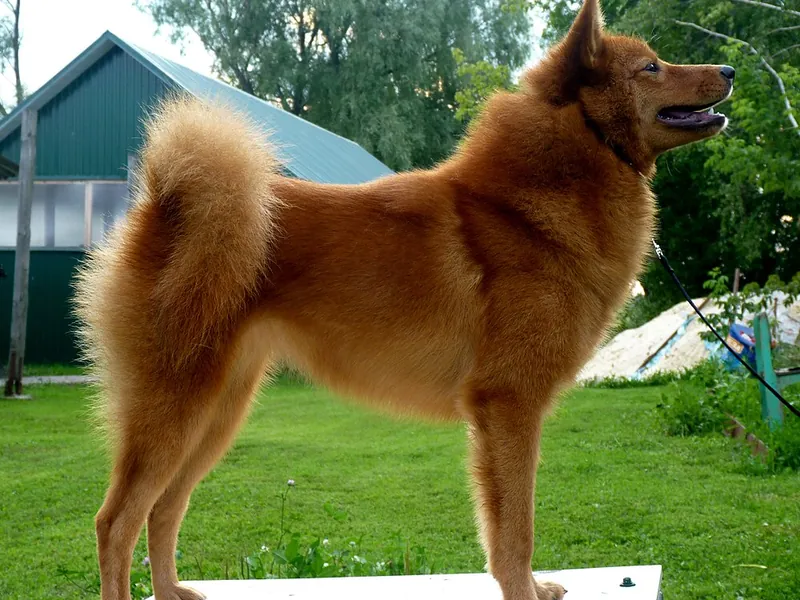
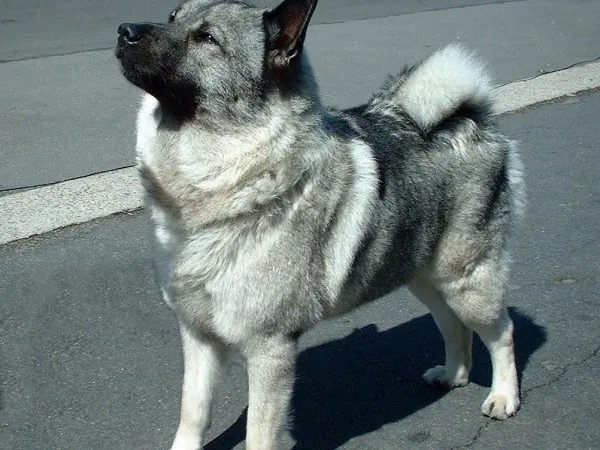
The Norwegian Elkhound is a compact, square, sturdy spitz with a wedge-shaped head, erect pointed ears and a tightly curled tail carried over the back. Adults stand about 20 inches at the shoulder and weigh roughly 48 to 55 lb. Under the AKC standard males are about 20.5 inches and females about 19.5 inches, and males tend to look bolder and heavier in the head and ruff.
The double coat consists of a soft, dense, woolly undercoat and a thick, straight, smooth-lying outer coat. It is shortest on the head and front legs and longest on the neck, chest, back of the thighs and tail, which gives the breed its full ruff.
The color is always gray. The undercoat is light silver, while the guard hairs carry black tips, so the shade depends on the length of those tips. The saddle is darker, the chest, legs and underside lighter, and the muzzle, ears and tail tip are dark. A distinct lighter harness mark runs from the shoulders. Solid black dogs belong to a separate breed, the Black Norwegian Elkhound.
Temperament and Personality
Elkhounds are bold, playful and affectionate with their families. They usually get on well with children and are friendly with visitors once introduced, while still acting as excellent watchdogs that announce every arrival.
They are also independent and stubborn, bred to think for themselves while hunting. They are very vocal, with a strong bark, and have a high prey drive. Many get along with other dogs, but supervision with small pets is wise.
Elkhounds often treat food as a top priority and can be clever thieves from countertops. They also enjoy cold weather and usually love snow.
Are Norwegian Elkhounds Good for First-Time Owners?
Norwegian Elkhounds can work for first-time owners who are patient and outdoorsy, but they are not the easiest first dog. Their friendly, robust nature is a plus, yet they are independent thinkers bred to work away from the hunter.
Expect to invest in training with plenty of food rewards and short, varied sessions, since Elkhounds tune out repetition. You will also need to manage barking, heavy shedding and a strong urge to follow scents, which means a secure yard and a leash in open areas. Novices who love hiking and can laugh at a bit of stubbornness often find the breed rewarding.
Can a Norwegian Elkhound Live in an Apartment?
It is possible but rarely ideal. Elkhounds are medium-sized and can be calm indoors, but their loud, frequent bark is the biggest problem in shared-wall housing. A dog bred to bay at moose for long periods can test neighbors' patience.
An apartment Elkhound needs at least an hour of vigorous exercise every day, preferably on trails or in open spaces, plus training to manage barking at hallway noises. Shedding also concentrates in small spaces. Owners in apartments should teach a quiet cue early, use white noise to muffle outside sounds and plan for a cool environment in summer, since the thick coat makes heat hard on the breed.
Are Norwegian Elkhounds Good with Cats?
Some are, especially when raised with a cat from puppyhood, but the breed's prey drive makes it a case-by-case decision. Elkhounds were bred to pursue game, and a fleeing cat can trigger chasing.
A puppy that grows up with a confident, dog-savvy cat often accepts that cat as family. Unfamiliar cats outdoors, rabbits and other small animals are a different matter, so keep your Elkhound leashed on walks. When introducing an adult dog to a cat, go slowly, use baby gates, reward calm behavior and give the cat high escape routes. Supervise until you are sure both animals are comfortable.
Exercise and Training
Elkhounds need about an hour or more of vigorous activity daily. Hiking, jogging, tracking, agility and herding activities are good outlets. Without enough exercise they may bark, dig or escape to explore.
Training requires patience and creativity. Elkhounds learn quickly but get bored with repetition and may ignore commands that seem pointless to them. Use short, positive sessions and plenty of rewards. Keep them leashed or in secure areas, as recall can fail when they catch a scent.
Puppies should not be overexercised while their joints develop, but they benefit from short, varied outings and early socialization with people and other dogs.
Grooming and Shedding
The thick, weather-resistant double coat sheds heavily, especially during seasonal coat blows. Brushing two or three times a week, and daily during heavy sheds, keeps hair under control. An undercoat rake is helpful.
The coat repels dirt and rarely needs bathing. Do not shave it, as it protects against both cold and sun. Trim nails and check ears regularly.
Feeding and Nutrition
Elkhounds are famously food-motivated and tend to put on weight, which strains the hips, a concern in the breed. The thick coat hides extra pounds, so check body condition with your hands: you should feel the ribs easily and see a waist from above. Measure every meal and adjust for activity, especially in older or less active dogs.
Hypothyroidism is reported in the breed and can cause weight gain despite normal portions. If your Elkhound gains weight without eating more, ask your vet to check thyroid function before cutting food drastically.
Puppies do well on three meals a day until about six months, then two meals. A complete puppy food for medium-sized breeds supports steady growth. Elkhounds are skilled counter surfers, so keep food out of reach and store bags securely. Their love of food is an advantage in training: use tiny treats or part of the daily ration as rewards. Fanconi syndrome affects the kidneys, so increased thirst or urination is worth a vet visit.
| Adult weight | Less active | Typical adult | Very active |
|---|---|---|---|
| 48 lb | 990 kcal | 1,130 kcal | 1,410 kcal |
| 55 lb | 1,090 kcal | 1,250 kcal | 1,560 kcal |
Estimates use the resting energy formula veterinarians work with (70 × body weight in kg0.75) and standard activity factors. Use the feeding guide on your food as a starting point and adjust to body condition. Puppies, seniors, pregnant animals and pets that need to lose weight have different needs, so ask your vet.
Health and Lifespan
Elkhounds are generally sturdy, but several inherited conditions occur in the breed:
- Hip dysplasia, screened by X-ray.
- Hypothyroidism, often treatable with medication.
- Fanconi syndrome, a kidney disorder for which a DNA test exists.
- Eye diseases, including progressive retinal atrophy, glaucoma and retinal dysplasia.
- Skin cysts, usually benign.
Choose breeders who test hips, eyes and thyroid and use the Fanconi DNA test. Elkhounds also tend to gain weight, so watch portions. The AKC gives a lifespan of 12 to 15 years.
Norwegian Elkhound Price and Cost of Ownership
Typical breeder price in the US$1,200 to $2,500
A Norwegian Elkhound puppy from a reputable US breeder typically costs about $1,200 to $2,500. Prices vary by breeder, region and lines, and breeders who test hips and eyes and use the Fanconi DNA test may charge more. The breed is not very common, so expect to contact breeders well in advance. Breed rescues occasionally have Elkhounds and Elkhound mixes looking for homes.
Grooming costs are low, since the coat does not need clipping, but a good undercoat rake, a sturdy slicker and a strong vacuum are worthwhile investments. Some owners book a professional de-shedding session during the seasonal coat blow.
Other breed-specific cost drivers include thyroid testing and lifelong medication if hypothyroidism develops, monitoring for Fanconi syndrome, and secure fencing to stop a scent-driven dog from roaming.
Is the Norwegian Elkhound Right for You?
The Elkhound is a great choice for active families who love outdoor life, live in cooler climates and want a friendly, robust companion with a big personality. It does best with a fenced yard.
- Good fit: hikers, families with kids, experienced dog owners.
- Poor fit: shared-wall apartments, owners bothered by barking or dog hair, long workdays.
Expect to vacuum frequently, invest in a good undercoat rake and teach a quiet cue early. If you can live with hair and noise, the Elkhound rewards you with loyalty and good humor.
Norwegian Elkhound Traits at a Glance
Norwegian Elkhound FAQ
How big do Norwegian Elkhounds get?
They are medium-sized, about 19.5 to 20.5 inches tall and around 48 to 55 lb.
Do Norwegian Elkhounds shed a lot?
Yes. They shed year-round and very heavily during seasonal coat blows.
Are Norwegian Elkhounds good family dogs?
Yes, they are usually affectionate and good with children, as long as they get enough exercise and training.
Do Norwegian Elkhounds bark a lot?
Yes. They were bred to bark at game and remain very vocal.
How long do Norwegian Elkhounds live?
Usually 12 to 15 years.
Are Norwegian Elkhounds hypoallergenic?
No. They shed heavily and are not suitable for people with dog allergies.