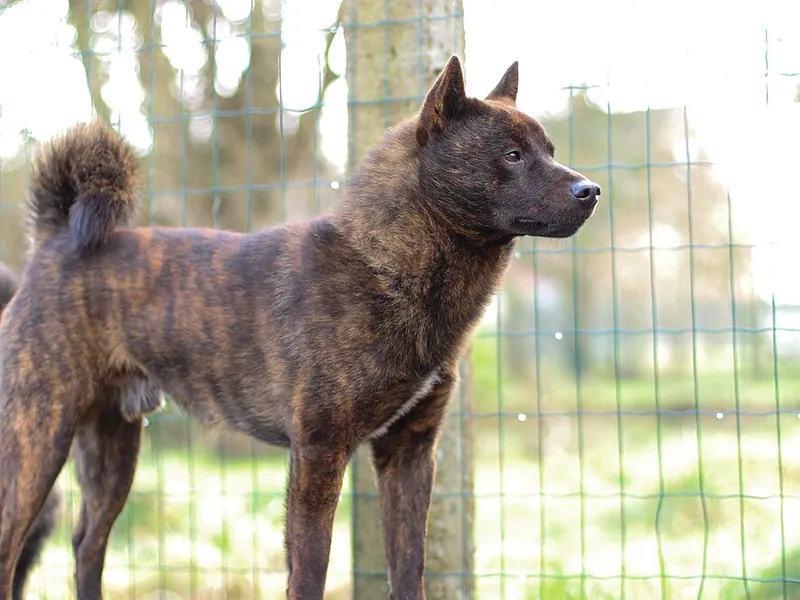
Kai KenRare brindle hunter from Japan
The Kai Ken is a rare, medium-sized Japanese hunting breed known for its striking brindle coat, which earned it the nickname Tiger Dog. It is loyal and quiet at home but independent, watchful with strangers and driven to hunt, so it suits experienced owners rather than first-timers.
Why people love the Kai Ken
- Loyal, devoted bond with its family
- Clean, quiet indoors once exercised
- Low-maintenance coat that needs no trimming
- Athletic, agile partner for hikes
- Few documented hereditary health problems
Things to consider
- Strong prey drive puts cats and small pets at risk
- Reserved or aloof with strangers
- Can guard food or toys
- Skilled climber and jumper; needs tall fencing
- Very rare outside Japan, with few US breeders
Is this breed right for you?
10 questions · live resultHistory and Origin
The Kai Ken comes from the mountainous Kai region, roughly today's Yamanashi Prefecture, west of Tokyo. Isolated villages there used these agile dogs to hunt game such as deer and wild boar in steep terrain. Because the region was cut off, the dogs remained relatively pure.
In the early 1930s Japanese enthusiasts formed a preservation society, and in 1934 the Kai Ken was designated a natural monument of Japan, as were other native breeds. The breed remains uncommon outside Japan. The FCI recognizes it as a Japanese spitz-type breed, and in the US it has progressed through the AKC Foundation Stock Service into the Miscellaneous Class.
Size, Coat and Brindle Colors
The Kai Ken is a medium-sized Japanese spitz with a well-balanced, muscular body and a lighter, more agile build than larger Japanese breeds. Adults stand about 19 to 21 inches at the shoulder and weigh around 35 to 40 lb. Males are slightly taller and more substantial, with a broader head, while females are lighter and finer.
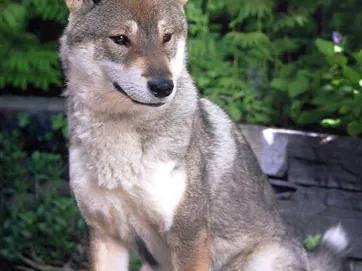
The head is wedge-shaped with a slightly triangular muzzle, small, triangular, erect ears and small, triangular dark brown eyes. The tail is thick and carried either curled over the back or in a sickle shape.
The coat is a double coat with a harsh, straight outer coat over a soft, dense undercoat. It is medium short on the body and slightly longer on the tail.
All Kai Ken are brindle, which is why the breed is called the tiger dog. Recognized shades are:
- Black brindle (kuro-tora)
- Red brindle (aka-tora)
- Brindle (chu-tora), between the two
Puppies are often born nearly solid and develop their stripes over months or even years, so a puppy's final color can be hard to predict.
Temperament and Personality
Kai Ken typically bond deeply with one person or a small family and are reserved, sometimes aloof, with strangers. They are alert and make good watchdogs, noticing unusual activity without constant barking.
Their hunting heritage shows in a strong prey drive and quick reactions to small animals. Cats and small pets are a risk unless the dog has been raised with them, and even then supervision is wise. Some individuals guard food or toys, so teaching trades and respecting their space during meals is helpful. Same-sex tension with other dogs can occur.
Indoors, a well-exercised Kai is usually calm and clean.
Are Kai Ken Good Family Dogs?
They can be, in the right family. Kai Ken bond deeply with their own people and are usually calm and gentle at home. They tend to be tolerant of respectful children they are raised with.
Their reserve with strangers, strong prey drive and occasional resource guarding mean families need clear rules: no disturbing the dog while it eats, supervision with young children and visitors, and careful management with cats or small pets. A Kai often attaches most strongly to one person, though it remains loyal to the whole household. Active families who hike or enjoy outdoor time and want a dignified, independent companion tend to find the Kai a good fit.
Do Kai Ken Bark a Lot?
No, Kai Ken are generally quiet dogs. They alert when something unusual happens, but they rarely bark without a reason, which suits many homes better than more vocal spitz breeds.
When they do vocalize, it tends to be a purposeful alert, a whine of frustration or a growl of warning rather than nuisance barking. Some individuals bark at wildlife they cannot reach, reflecting their hunting background. Barking can increase if a Kai is bored, under-exercised or left alone for long periods. Daily hikes, mental work and respecting the dog's need for quiet rest keep vocalizing low.
Can Kai Ken Be Left Alone?
Most adult Kai Ken handle a typical workday alone better than many breeds, as long as they are well exercised. They are fairly independent and often rest calmly when nobody is home.
Young Kai, however, can be inventive escape artists and chewers. Crate training or a dog-proofed room is wise until the dog is mature. Never leave a Kai unsupervised in a yard with low fences, as many can climb or jump out. A long morning walk, a food puzzle and a quiet resting area help the dog settle. If boredom becomes a problem, a midday walk usually helps.
Exercise and Training
Kai Ken are athletic and agile climbers. Daily walks of an hour or more, hiking on leash and secure play areas suit them well. Fences need to be tall and secure, as some Kai are skilled jumpers and climbers.
Training requires patience. They are intelligent but independent and lose interest in repetitive drills. Short, reward-based sessions and early, varied socialization give the best results. Off-leash freedom is risky in unfenced areas because of their hunting instincts.
Grooming and Shedding
The Kai has a harsh outer coat over a soft undercoat. Weekly brushing is usually enough, and the coat does not need trimming. Twice a year the undercoat sheds heavily, and daily brushing for a couple of weeks helps.
Brindle colors include black brindle, red brindle and brindle, and puppies are often born darker, with the brindle pattern developing as they mature.
Feeding and Nutrition
Kai Ken are athletic, lean dogs and are generally moderate, efficient eaters. Many self-regulate fairly well, but neutered adults with reduced activity can still gain weight. Feel for ribs regularly and adjust portions to keep a visible waist.
Food guarding appears in some individuals, a common trait in primitive spitz breeds. Feed your Kai in a quiet area, away from other pets and children, and do not take its bowl away to test it. Instead, teach that a person approaching means something good, such as adding a tasty topper.
- Feed puppies three or four meals a day and adults two.
- Choose a complete and balanced diet suited to an active, medium-sized dog.
- Use high-value rewards for recall and handling practice, since Kai are not naturally eager to please.
- Puzzle feeders give this clever hunter mental work.
Because the breed is rare, discuss feeding needs with your breeder, who will know how their lines typically eat.
| Adult weight | Less active | Typical adult | Very active |
|---|---|---|---|
| 35 lb | 780 kcal | 890 kcal | 1,110 kcal |
| 40 lb | 860 kcal | 980 kcal | 1,230 kcal |
Estimates use the resting energy formula veterinarians work with (70 × body weight in kg0.75) and standard activity factors. Use the feeding guide on your food as a starting point and adjust to body condition. Puppies, seniors, pregnant animals and pets that need to lose weight have different needs, so ask your vet.
Health and Lifespan
The Kai Ken typically lives 12 to 15 years. There is little published breed-specific health data and no well-documented hereditary disease pattern in the sources used here. As with any medium-sized active breed, ask breeders about hip and eye screening of the parents.
Because the gene pool outside Japan is small, working with an established breeder connected to a breed club is especially important.
Kai Ken Price and Cost of Ownership
The Kai Ken is very rare in the US, and there is no widely published, reliable price range. Puppies come from a small number of breeders associated with the national breed club, and many lines trace back to imports from Japan. Prices vary by breeder, region and lines, and waiting lists can be long. Avoid sellers who cannot show pedigrees or breed club involvement.
Rescue Kai Ken are extremely rare, though breed club networks sometimes rehome adult dogs.
Breed-specific ongoing costs include:
- Tall, climb-resistant fencing
- Training to manage reserve with strangers and food guarding
- Hip and eye screening if you plan to breed or show
- Undercoat rakes for twice-yearly sheds
- Travel costs to meet breeders and collect a puppy
Is the Kai Ken Right for You?
The Kai Ken suits experienced, active owners who appreciate an independent, loyal dog and can manage prey drive with secure fencing and leash walks.
It is less suited to first-time owners, homes with cats or small pets, or families wanting a dog that is outgoing with everyone.
If you are drawn to Japanese breeds, the Kai sits between the Shiba Inu and the larger Akita in size and shares their independent, reserved spirit.
Kai Ken Traits at a Glance
Kai Ken FAQ
Why is the Kai Ken called the Tiger Dog?
Because of its brindle coat, which shows dark stripes over a lighter base, reminiscent of a tiger.
How big is a Kai Ken?
Kai Ken stand about 19 to 21 inches tall and weigh roughly 35 to 40 lb.
Are Kai Ken good with other pets?
They have a strong prey drive, so cats and small pets are at risk unless raised together and supervised.
Do Kai Ken shed?
Yes. The coat is easy to care for most of the year but sheds heavily twice yearly.
Are Kai Ken good for first-time owners?
Generally not. Their independence, prey drive and reserve with strangers call for an experienced, patient handler.
How long do Kai Ken live?
Most Kai Ken live 12 to 15 years.