Shiba InuJapan's bold, catlike spitz
The Shiba Inu is Japan's smallest native breed, a fox-like spitz bred to hunt in mountain brush. It is clean, confident and loyal, but also strong-willed and famously independent. It suits patient owners who appreciate a self-possessed dog and accept that off-leash freedom is rarely safe.
Why people love the Shiba Inu
- Clean, nearly odorless dog that often house trains quickly
- Compact size suits apartments with daily exercise
- Hardy, long-lived breed often reaching 13 to 16 years
- Alert watchdog without constant nuisance barking
- Independent nature copes moderately well with time alone
Things to consider
- Recall is unreliable, so leash or fence is almost always needed
- Twice-yearly coat blows bring heavy shedding
- Can guard food and toys without early training
- Often intolerant of same-sex dogs and small pets
- Dislikes restraint, nail trims and close handling
Is this breed right for you?
10 questions · live resultHistory and Origin
Small spitz-type dogs have lived in Japan for many centuries and were used to flush birds and small game in dense, mountainous terrain. Several regional types existed, such as dogs from the Shinshu, Mino and San'in areas.
Crossbreeding with Western dogs and the hardships of World War II, followed by a distemper epidemic, brought the Shiba close to extinction. Japanese breeders rebuilt it from the surviving regional lines, and the breed was designated a natural monument of Japan in 1936. The first Shibas arrived in the United States in the 1950s, and the AKC recognized the breed in 1992.
Size, Coat and Colors
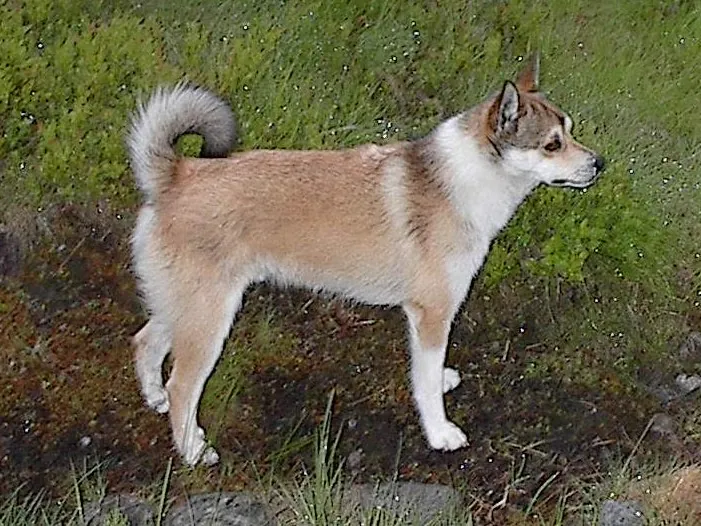
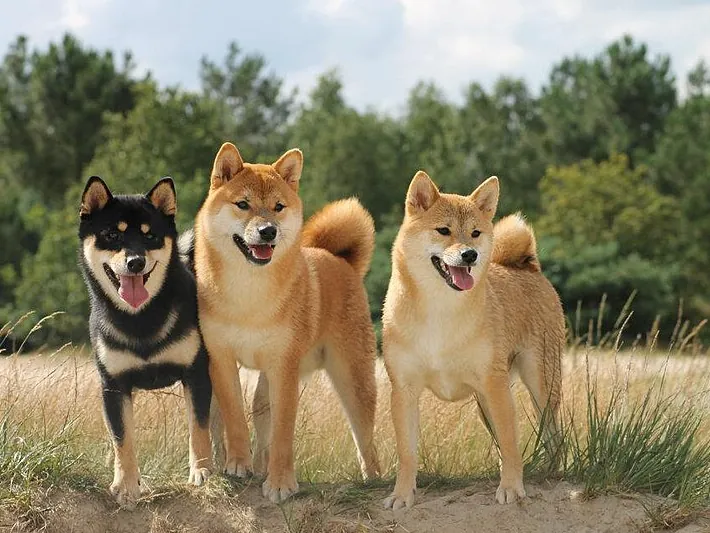
The Shiba Inu is a small, well-muscled spitz with a fox-like face, small triangular ears that tilt forward, deep-set triangular eyes and a thick tail curled over the back. The body is slightly longer than tall, with a compact, athletic outline built for moving through brush.
Adults stand about 14 to 17 inches and weigh roughly 18 to 22 lb. Sex differences are clear: males are larger, with a bolder head and heavier bone, while females look more refined but should never appear weak.
The double coat combines a stiff, straight outer coat with a soft, dense undercoat. Three colors are preferred in the standard:
- red, the most common
- black and tan
- sesame, red with black-tipped hairs
All three show urajiro, the cream to white markings on the cheeks, throat, chest, belly and inside the legs. Cream Shibas do occur, but the AKC treats cream as a serious fault, so they are generally sold as pets rather than show dogs.
Temperament and Personality
Shibas are alert, bold and dignified. They are often described as catlike: tidy, reserved and affectionate on their own terms. Many dislike being restrained or handled too much.
They are excellent watchdogs and quick to notice changes. With other dogs, especially of the same sex, some can be intolerant, and many will chase cats and small animals. When upset they may let out the famous high-pitched "Shiba scream". Possessiveness over food and toys is common and should be addressed early with positive training.
Shibas are famous for being clean: many house train quickly, avoid puddles and groom themselves. They also value personal space, and many dislike strangers reaching for them. Teaching children to let the dog approach first prevents most problems.
Are Shiba Inus Good Family Dogs?
Shiba Inus can be good family dogs in homes with older, calm children who respect a dog's space. They are loyal and often playful with their own people, but they are not a cuddly breed that tolerates hugs and being carried.
Many Shibas guard food, toys or resting spots and dislike being grabbed, so homes with toddlers need firm rules, baby gates and constant supervision. Teach children to let the Shiba approach first and never to take things from its mouth. Families who enjoy an independent dog and accept that it will choose when to cuddle usually do well. Families wanting a playmate that comes when called may be frustrated.
Are Shiba Inus Good With Cats?
It depends heavily on the individual and the upbringing. A Shiba raised with a confident cat from puppyhood can share a home peacefully, and some even become friends. Adult Shibas with no cat experience are a much bigger gamble.
The breed was used to flush and hunt small game, and its prey drive is real. A cat that runs can trigger a chase, and small pets such as rabbits, guinea pigs and birds are rarely safe around a Shiba. Introduce animals slowly with the dog on a leash, give the cat escape routes and dog-free rooms, and never leave them alone together until you are confident in the relationship.
Can Shiba Inus Be Left Alone?
Yes, most adult Shibas handle a normal workday better than many companion breeds. Their independent, self-contained temperament means they are often content to nap while you are out.
That does not mean they need no structure. Give a good walk before you leave, provide puzzle toys and teach alone time gradually in puppyhood. Shibas are skilled escape artists, so a crate or secure room is safer than free roaming at first, and they should never be left unsupervised in a yard, where they may dig or climb out. Young Shibas left bored for long periods can become destructive, so a dog walker helps during adolescence.
Exercise and Training
A daily walk of 45 to 60 minutes plus play keeps most Shibas fit, but mental activity matters as much. Puzzle toys, sniffing walks and short training games help.
Shibas are intelligent but independent, which makes training a slow negotiation. Food rewards, short sessions and plenty of patience work far better than force. Recall is the weak point: most Shibas cannot be trusted off leash outside a secure area because the hunting instinct takes over. Many are also skilled escape artists, so check fences and gates.
Grooming and Shedding
The short, stiff double coat comes in red, sesame, and black and tan, with cream markings known as urajiro. Shibas groom themselves and have little dog odor. Brush weekly most of the year. Twice a year they "blow" their undercoat, and for a few weeks you will need to brush daily. Many Shibas dislike nail trims and baths, so start handling practice in puppyhood.
Feeding and Nutrition
Shibas are small, active and generally good eaters, but many become less active as adults, and weight can creep up quietly under the thick coat. Check body condition with your hands rather than your eyes: you should feel the ribs without pressing hard.
- Feed puppies three or four meals daily, then two measured meals for adults.
- Prevent and address resource guarding by feeding in a quiet spot, never taking the bowl away as a test, and trading for high-value treats instead.
- Use food in puzzle toys and on sniffing walks to satisfy a busy mind.
- Keep treats small, since training this independent breed often means many rewards.
Allergies and itchy skin are reported in Shibas. If your dog scratches, licks its paws or has recurring ear problems, discuss parasite control and a vet-guided elimination trial before changing foods repeatedly. Some Shibas are fussy, and free feeding tends to make picky eating worse, so offer meals for a set time and remove what is left.
| Adult weight | Less active | Typical adult | Very active |
|---|---|---|---|
| 18 lb | 470 kcal | 540 kcal | 680 kcal |
| 22 lb | 550 kcal | 630 kcal | 790 kcal |
Estimates use the resting energy formula veterinarians work with (70 × body weight in kg0.75) and standard activity factors. Use the feeding guide on your food as a starting point and adjust to body condition. Puppies, seniors, pregnant animals and pets that need to lose weight have different needs, so ask your vet.
Health and Lifespan
Shibas are generally healthy and often live 13 to 16 years. Conditions reported by the national breed club and veterinary sources include:
- Luxating kneecaps
- Hip dysplasia
- Eye conditions such as cataracts and glaucoma
- Allergies, including flea allergy and itchy skin
Ask breeders for knee, hip and eye evaluations on both parents. Regular flea control and skin checks help with allergy-prone dogs.
Shiba Inu Price and Cost of Ownership
Typical breeder price in the US$1,400 to $3,500
A Shiba Inu puppy from a reputable US breeder typically costs about $1,400 to $3,500. Prices vary by breeder, region and lines, with show prospects and imported bloodlines at the top. Breed-specific rescues regularly rehome adult Shibas, often because previous owners underestimated their independence.
Breed-specific costs to plan for:
- Secure fencing, escape-proof crates and sturdy harnesses
- Professional nail trims if your Shiba resists handling at home
- Deshedding tools or occasional bath-and-blowout appointments during coat blows
- Allergy care, as itchy skin is reported in the breed
- Insurance covering knee, hip and eye conditions
Food costs are moderate for a dog of 18 to 22 lb.
Is the Shiba Inu Right for You?
A Shiba suits owners who enjoy an independent companion, can be consistent without being harsh, and will keep the dog on leash or behind secure fencing. It adapts to apartments if exercised daily and copes moderately well with time alone.
It is a poor choice for first-time owners wanting a cuddly, obedient dog, for homes with small pets, or for families with young children who want to hug and carry the dog.
Shiba Inu Traits at a Glance
Shiba Inu FAQ
Are Shiba Inus good for first-time owners?
They can work for committed first-time owners, but their stubbornness and poor recall make them challenging; experience helps.
How big do Shiba Inus get?
They stand about 14 to 17 inches tall and weigh roughly 18 to 22 lb, with males larger than females.
Do Shiba Inus shed a lot?
They shed moderately most of the year and heavily twice a year when they blow their undercoat.
Can Shiba Inus be off leash?
Usually not outside secure areas; their prey drive and independence make recall unreliable.
What is the Shiba scream?
It is a loud, high-pitched vocalization many Shibas make when excited, frustrated or handled against their wishes.
How long do Shiba Inus live?
Typically 13 to 16 years.