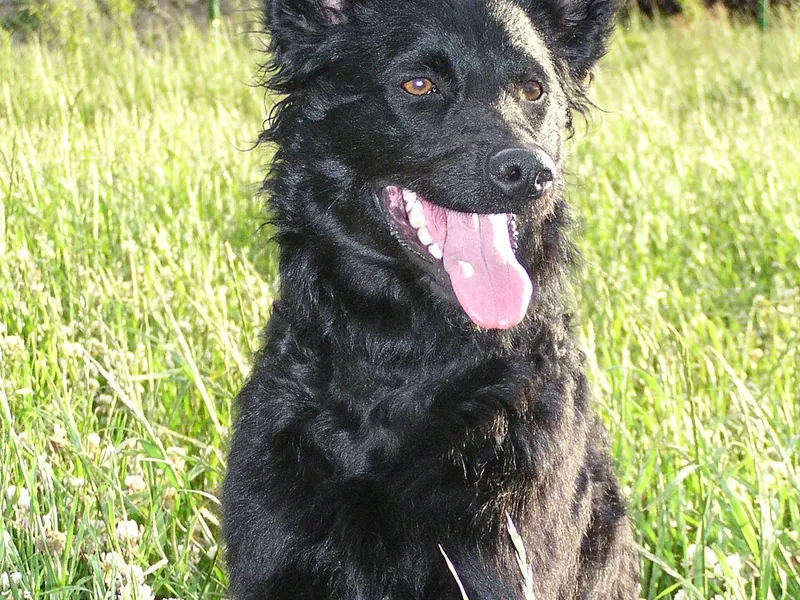
AidiMorocco's watchful Atlas Mountain guardian
The Aidi is a medium-large guardian dog from Morocco's Atlas Mountains, bred to protect flocks and camps from predators and intruders. Fearless, alert and independent, it suits experienced owners who can offer space and a real guarding role.
Why people love the Aidi
- Hardy, rustic breed with no documented breed-specific diseases
- Watchful, protective guardian
- Devoted to its own family
- Weather-resistant coat with simple care
- Thrives in rural settings with space
Things to consider
- Loud barking, especially at night
- Suspicious of strangers; needs extensive socialization
- Independent; limited obedience and recall
- Not suited to city or apartment life
- Virtually unavailable in the US
Is this breed right for you?
10 questions · live resultHistory and Origin
The Aidi has been kept for centuries by Berber nomads in the Atlas Mountains of Morocco and neighboring North African regions. It guarded flocks and tents against predators such as jackals and wild cats, and against human intruders. It was also sometimes used alongside the Sloughi for hunting, using its nose to locate game.
The FCI recognizes the breed with Moroccan patronage. It remains rare outside North Africa, and the AKC and The Kennel Club do not recognize it.
Village and nomad dogs of this type were selected for hardiness rather than appearance, so the breed still shows some variation in size and coat.
Size, Coat and Colors
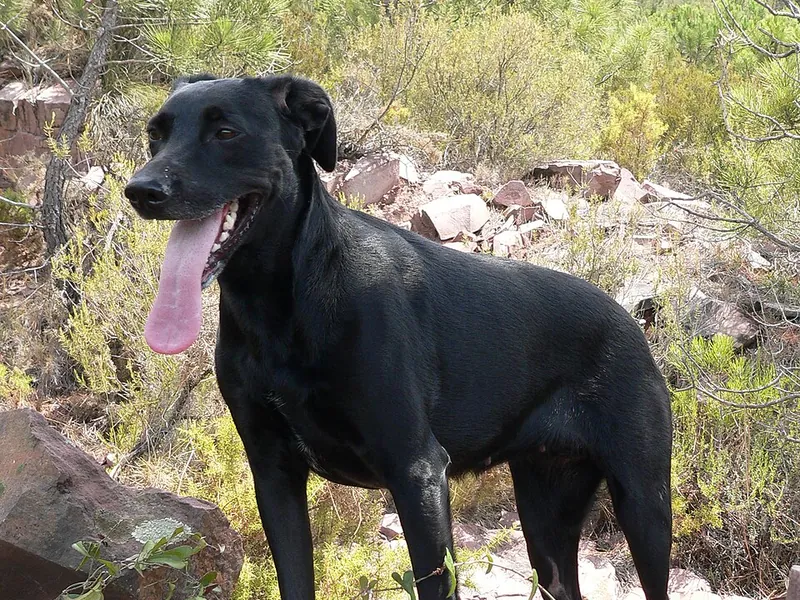
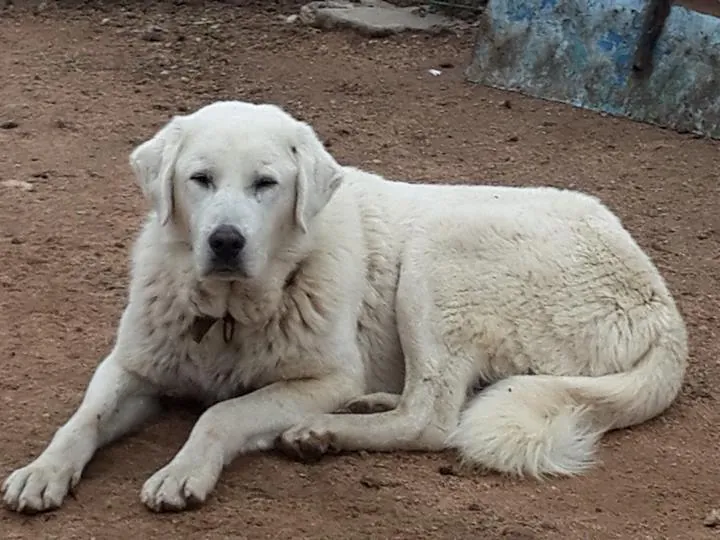
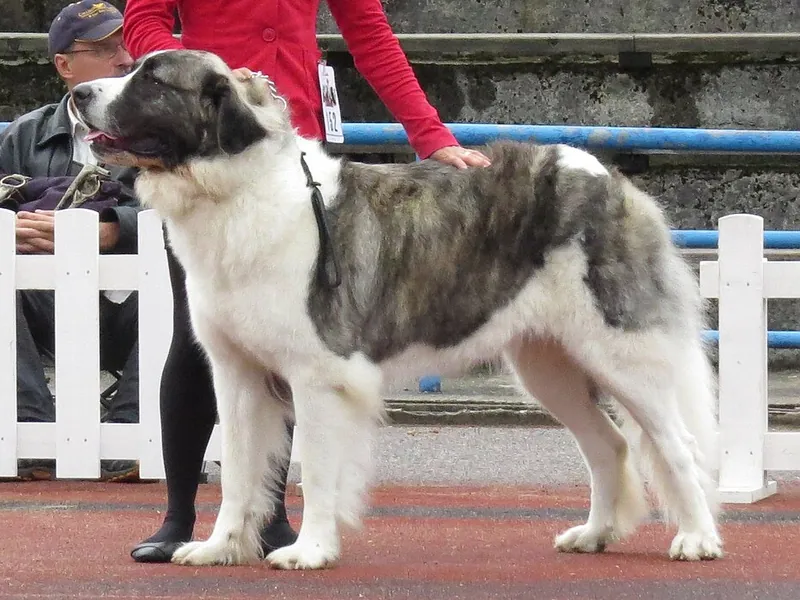
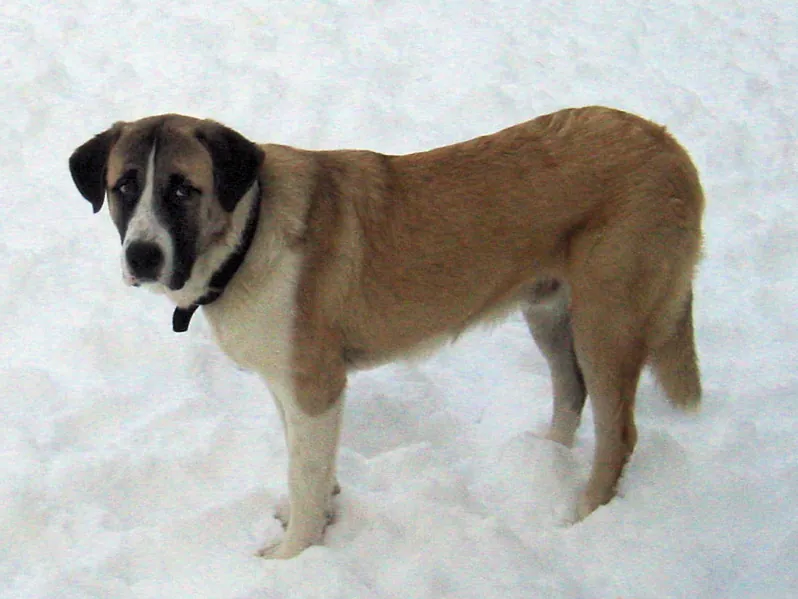
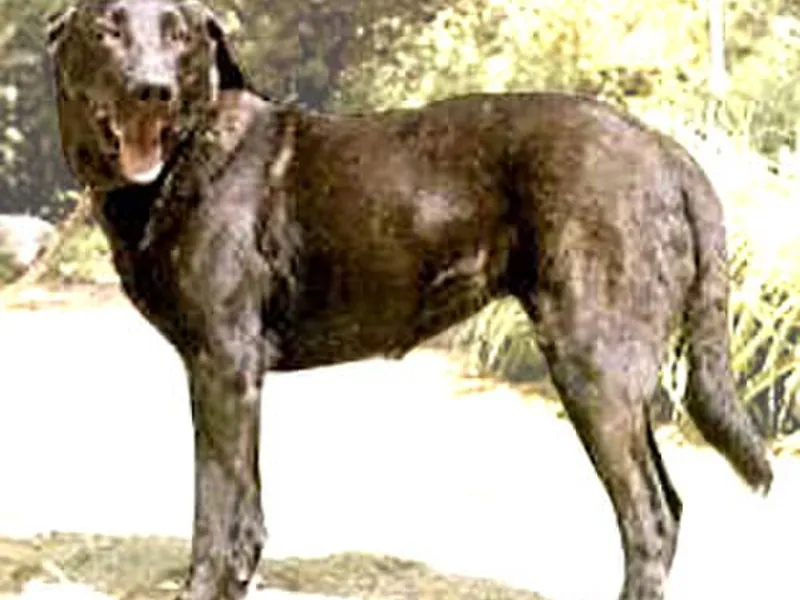
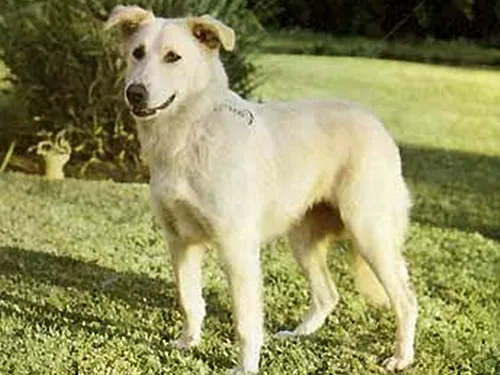
The Aidi is a medium-sized, muscular mountain dog from Morocco, standing about 20 to 24 inches and weighing around 55 lb. It has a strong, well-balanced body, a bear-like head with a tapering muzzle and medium-sized, slightly rounded ears that are carried semi-erect or tilted forward when alert. The tail is long and bushy, often carried low but raised when the dog is excited.
The coat is thick, coarse and weather-resistant, about 2 to 3 inches long, with a dense undercoat. It protects against sun, cold and predators. The neck often has a slight mane.
Colors range from white to tan, black or pied, and many dogs show combinations of these. White is common. Males are usually larger and more massive than females, though detailed size data for the breed is limited.
Temperament and Personality
Aidis are watchful, energetic and highly protective. They are reserved and suspicious with strangers, and they warn loudly of anything unusual. With their own family they can be affectionate and devoted.
Independence is a defining trait. As a guardian bred to make decisions alone, the Aidi does not typically respond to commands on cue the way herding breeds do.
An Aidi may bark loudly at night, as it is naturally alert to sounds and movement. This is part of its guarding job, so consider neighbors before choosing this breed.
Toward children in its own family, a well-socialized Aidi can be tolerant and protective, but supervision is always wise, especially when visiting children are present.
Is the Aidi Good for First-Time Owners?
No, the Aidi is best for experienced owners with guardian breeds and rural space.
The breed is independent, protective and wary of strangers. It was bred to guard flocks and property on its own, so it does not respond to commands the way herding or gundog breeds do. A first-time owner may struggle to manage its guarding behavior and night barking. Extensive socialization and a calm, consistent handler are essential.
If you are drawn to the breed, spend time with experienced Aidi or livestock guardian owners first, and be realistic about how a protective, night-barking dog fits your property and neighbors.
Is the Aidi Good with Other Pets?
The Aidi can live with other pets in its household, especially when raised with them, but supervision is important.
As a guardian breed, the Aidi often accepts household animals as part of its family. Livestock it is raised with is usually protected rather than chased. Unfamiliar animals entering the property may be treated as intruders. Introduce new pets slowly and with supervision. Same-sex tension with other dogs can occur.
Give each animal its own resting and feeding area, and avoid leaving the Aidi unsupervised with new pets until you are confident in its reactions.
Can an Aidi Be Left Alone?
Aidis can spend time alone, especially outdoors with access to shelter, but they need company and purpose.
Many Aidis spend much of the day outside guarding property. This independence means they are less likely to suffer from separation stress than companion breeds. However, they still need regular contact with their family. Secure fencing is essential, as an Aidi left alone may try to expand its territory. Barking at night may increase when the dog is outside alone.
Inside the house, alone-time training from puppyhood helps the dog stay calm and avoids barking or digging when the family is away.
Exercise and Training
Aidis are active dogs that need daily exercise and space to patrol. A large, securely fenced property suits them best. They are not suited to apartment life.
Training focuses on socialization, boundaries and trust. Start early, use calm, reward-based methods and expose the dog to many people and situations. Expect limited obedience and an unreliable recall.
Because the breed is used to working outdoors, it typically prefers to spend much of the day outside, with access to shelter. Secure fencing is a must, as an Aidi may try to expand its territory.
Grooming and Shedding
The thick, weather-resistant coat protects against sun, cold and predators. Weekly brushing is enough for most of the year, with more during seasonal shedding. Do not shave the coat; it insulates against both heat and cold.
The coat colors range from white to tan, black or pied. Check ears, trim nails and look for ticks and burrs after time outdoors.
Feeding and Nutrition
Aidis are hardy, rustic dogs and usually have moderate appetites. Feed by body condition rather than by the bag: the ribs should be easy to feel under the thick coat, and the waist should be visible from above. Keeping the dog lean supports joint health and endurance.
- Feed puppies a growth diet suited to a medium-large breed, divided into three or four meals.
- Adults usually do well on two meals a day.
- Avoid vigorous exercise right after meals.
Outdoor dogs need more energy in cold weather and may need less in summer. Fresh water should always be available, especially in hot weather. Use small treats in training and count them in the daily ration. Because the breed is rare outside Morocco, there is no breed-specific nutrition research, so work with your vet to adjust portions to activity and body condition.
| Adult weight | Less active | Typical adult | Very active |
|---|---|---|---|
| 55 lb | 1,090 kcal | 1,250 kcal | 1,560 kcal |
Estimates use the resting energy formula veterinarians work with (70 × body weight in kg0.75) and standard activity factors. Use the feeding guide on your food as a starting point and adjust to body condition. Puppies, seniors, pregnant animals and pets that need to lose weight have different needs, so ask your vet.
Health and Lifespan
No breed-specific health problems are documented in reliable sources, and the Aidi is considered a hardy breed. Lifespan data are limited, but medium-large guardian breeds typically live around 10 to 12 years. Ask breeders about hip screening and keep the dog lean.
Aidi Price and Cost of Ownership
The Aidi is virtually unavailable in the US, and there is no reliable puppy price. The breed is rare outside Morocco, and acquiring one usually means importing, which involves travel costs, health certificates and import requirements.
Adoption is not a realistic option for this breed in the US.
Breed-specific ongoing costs include secure fencing for a dog that patrols its territory, shelter if the dog spends time outdoors, and food for a medium-large active dog. Veterinary costs are typically moderate for a hardy breed, but insurance or an emergency fund is still worth having. Some owners invest in professional training to manage guarding behavior.
Is the Aidi Right for You?
An Aidi suits you if you:
- Have rural property or livestock to protect
- Have experience with guardian breeds
- Can socialize and manage a protective dog
It is not suitable for city living, first-time owners or homes with frequent visitors.
Aidi Traits at a Glance
Aidi FAQ
What is the Aidi used for?
Traditionally, guarding flocks and nomad camps in Morocco's Atlas Mountains.
How big does an Aidi get?
Adults stand about 20 to 24 inches tall and weigh around 55 lb.
Is the Aidi a good family dog?
It can be devoted to its family, but its protective nature suits experienced owners in rural settings.
Does the Aidi shed?
It sheds moderately, more during seasonal coat changes.
Is the Aidi recognized by the AKC?
No. It is recognized by the FCI but not by the AKC or The Kennel Club.
Does the Aidi bark a lot?
It barks to warn of intruders, especially at night. This is part of its guarding role and should be considered before bringing one home.