Swiss Dog BreedsMountain dogs, rescuers and hounds
Breeds on this list were developed in Switzerland, most famously the four tricolor Swiss mountain dogs and the Saint Bernard. The guide helps you understand the differences between them and decide whether a large, loyal Swiss breed fits your home.
All Swiss Dog Breeds A to Z
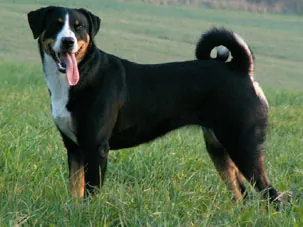
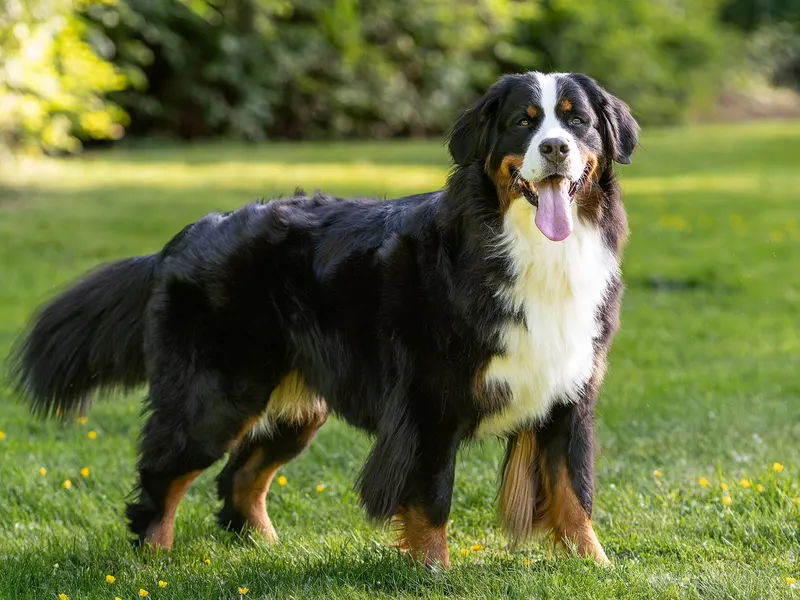
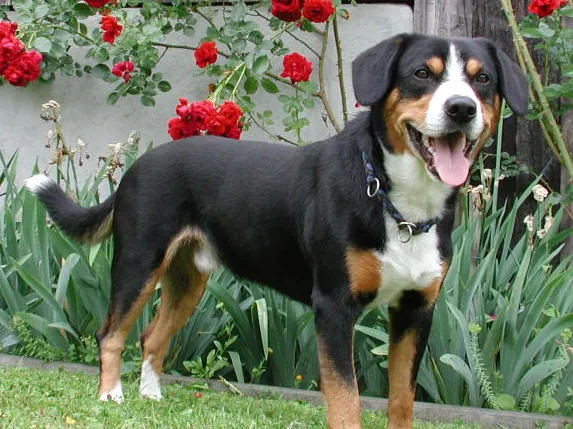
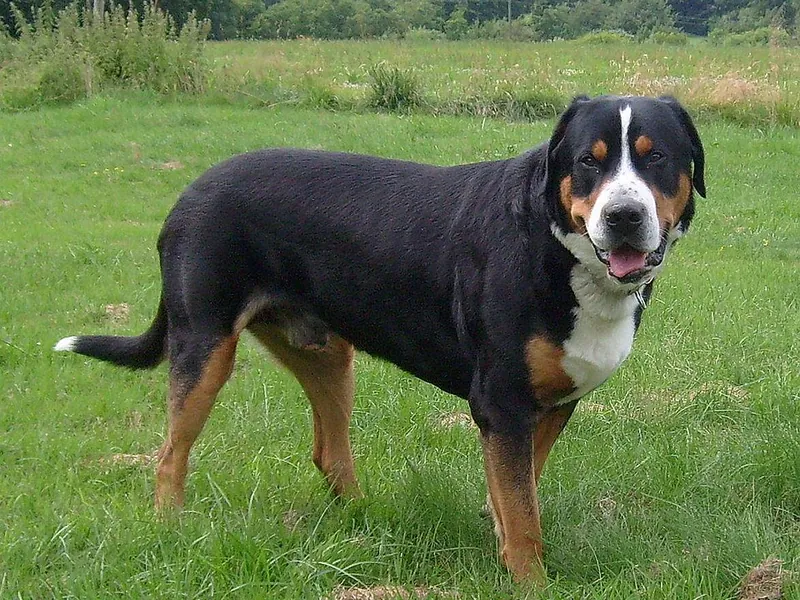
The Four Swiss Mountain Dogs
Switzerland's best-known breeds are the four Sennenhunde, farm dogs that guarded property, drove cattle and pulled carts of milk and cheese. All share a black, white and rust tricolor coat, but they differ in size and coat:
- Greater Swiss Mountain Dog: the largest, with a short coat and a calm, strong presence.
- Bernese Mountain Dog: large with a long, silky coat and a famously gentle temperament.
- Appenzeller Sennenhund: medium-large, short-coated, lively and an alert watchdog.
- Entlebucher Mountain Dog: the smallest, compact, quick and energetic herding dog.
Other Swiss Breeds
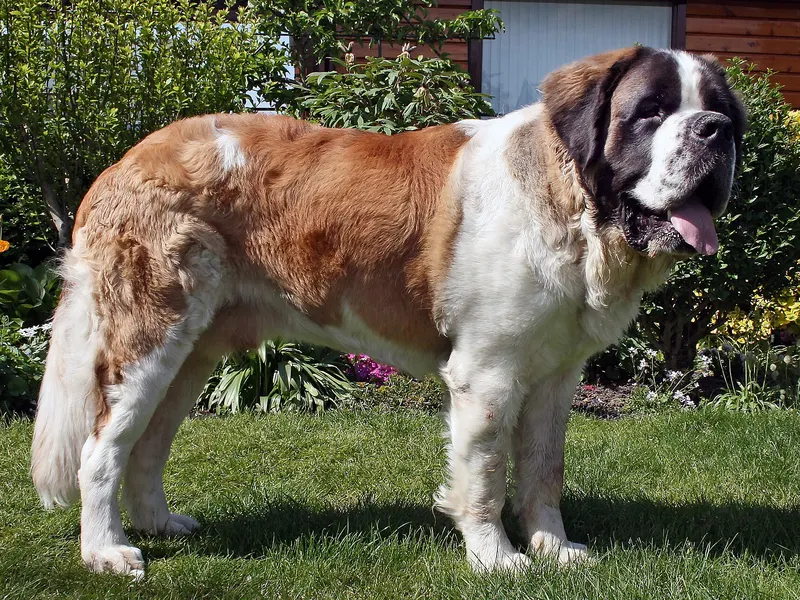
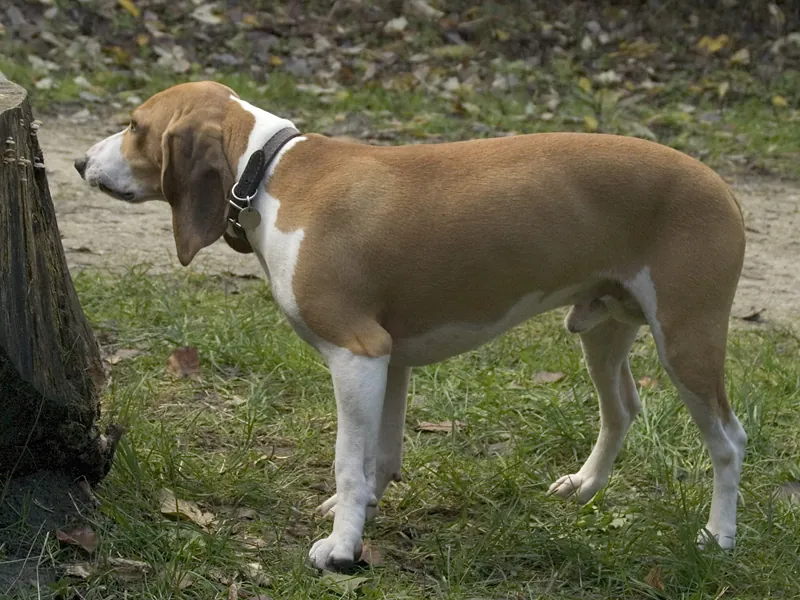
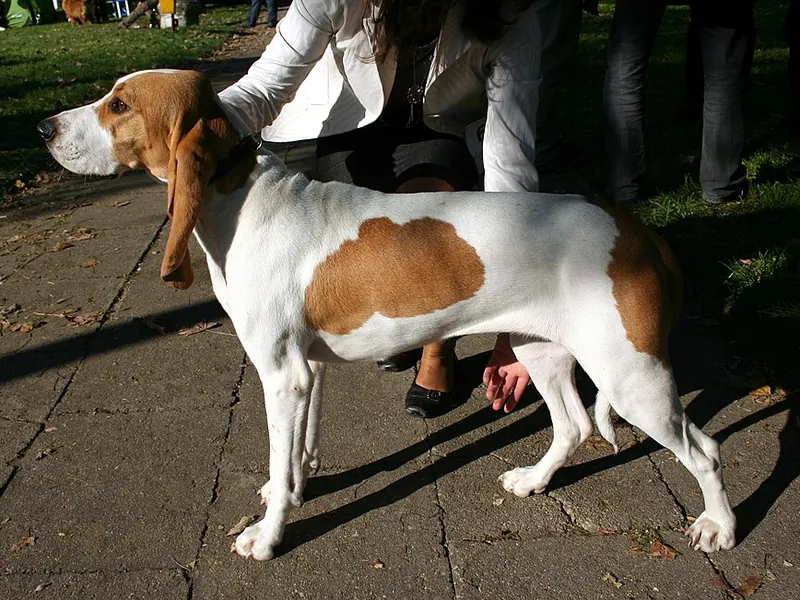
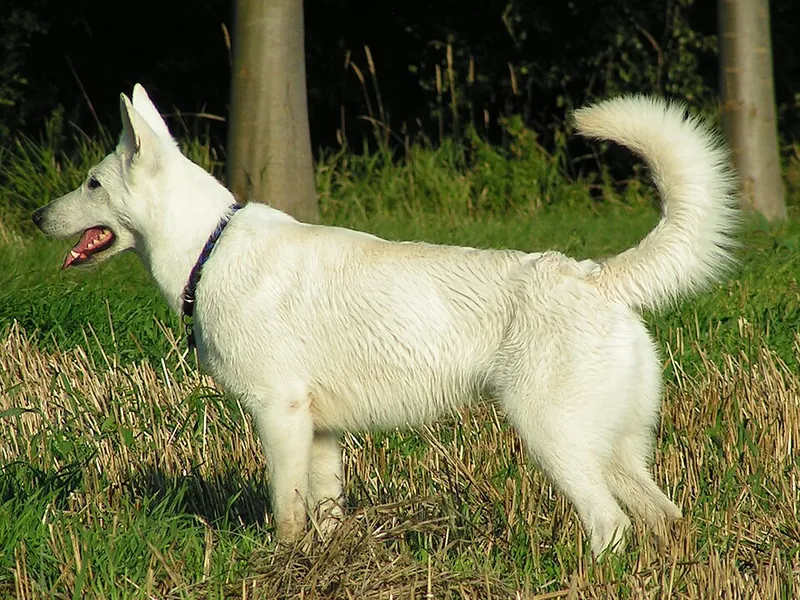
The Saint Bernard is linked to the hospice at the Great St. Bernard Pass, where dogs helped monks find travelers lost in the snow. Today it is a gentle giant and family companion. The Swiss Hound and Small Swiss Hound are scent hounds bred to hunt by voice and nose. The White Swiss Shepherd was developed from white-coated shepherd dogs and is an intelligent, sensitive and versatile companion.
Is a Swiss Breed Right for You?
Most Swiss breeds are devoted to their families and good with children, but they are large, strong and shed a lot. The Bernese and Saint Bernard are relatively calm indoors, while the Appenzeller and Entlebucher are much more energetic and benefit from herding-style activities, agility or long walks. Swiss hounds need plenty of exercise and secure fencing because they follow scents.
All of these breeds thrive on close contact with people and do poorly when left alone for long periods.
Health and Lifespan
Large size brings health considerations. The Bernese Mountain Dog has a notably short average lifespan, and the breed is affected by certain cancers, so health-focused breeding matters. Swiss mountain dogs and Saint Bernards can be prone to hip and elbow dysplasia and bloat. Ask for health-tested parents, keep puppies lean, avoid excessive exercise on growing joints and protect these thick-coated dogs from summer heat.
Grooming and Daily Care
The Bernese Mountain Dog's long coat needs brushing several times a week and more during heavy shedding. The short-coated Greater Swiss, Appenzeller and Entlebucher are easier but still shed a lot. Saint Bernards come in rough and smooth coat varieties and are known for drooling, so keep a towel handy. Large Swiss breeds should be kept lean throughout life, which protects their joints. They love cool weather and snow and appreciate a job, whether that is carting, hiking with a light pack or simply accompanying the family everywhere. Training should start early, while they are still easy to handle. Short daily brushing sessions from puppyhood also make handling easier once the dog is fully grown.
Frequently Asked Questions
What are the four Swiss mountain dogs?
The Bernese Mountain Dog, Greater Swiss Mountain Dog, Appenzeller Sennenhund and Entlebucher Mountain Dog.
Is the Saint Bernard a Swiss breed?
Yes. It was developed in the Swiss Alps and is associated with rescue work at the Great St. Bernard Pass.
Which Swiss breed is best for families?
The Bernese Mountain Dog is widely loved as a gentle family dog, and the Greater Swiss Mountain Dog is also calm and affectionate with good training.
What is the smallest Swiss mountain dog?
The Entlebucher Mountain Dog is the smallest of the four, a compact and energetic herding breed.
Do Swiss mountain dogs shed a lot?
Yes. Both short- and long-coated Swiss breeds have dense double coats and shed heavily, especially in spring and fall.
Not sure which breed fits you?
Answer 8 quick questions and get breeds ranked for your home, schedule and experience.