White Swiss ShepherdGentle, trainable shepherd in a white coat
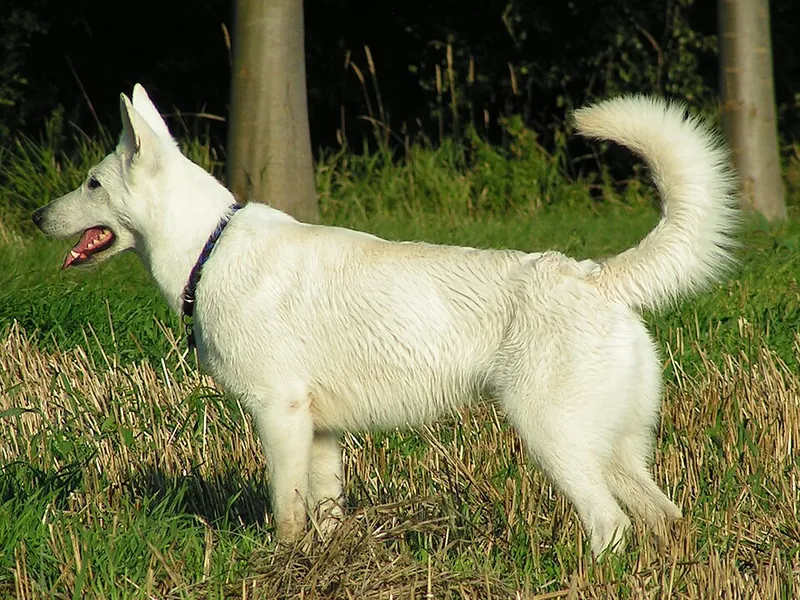
The White Swiss Shepherd is a graceful, white-coated shepherd dog with the intelligence of its German Shepherd ancestors and a notably gentle, sociable nature. Loyal, eager to learn and family-friendly, it suits active households that can provide daily exercise and accept plenty of shed hair.
Why people love the White Swiss Shepherd
- Gentle, sociable shepherd temperament
- Highly trainable and eager to learn
- Good with children and other pets when raised together
- Excels in obedience, tracking and therapy work
- Striking all-white coat in two lengths
Things to consider
- Heavy seasonal shedding of white hair
- Needs at least an hour of exercise daily
- Sensitive; reacts poorly to harsh handling
- Can develop anxiety when left alone
- MDR1 drug sensitivity occurs in the breed
Is this breed right for you?
10 questions · live resultHistory and Origin
The breed descends from white-coated German Shepherd Dogs. White dogs were present in the early German Shepherd population, but from the 1930s onward the white coat was excluded from the German Shepherd standard in Germany. White shepherds remained popular in North America.
From the late 1960s and 1970s, white shepherds imported from the United States and Canada were bred in Switzerland and later across Europe. The FCI recognized the White Swiss Shepherd Dog, or Berger Blanc Suisse, under Swiss patronage, first provisionally in 2003 and definitively in 2011. The AKC does not recognize it.
Size, Coat Types and Color
The White Swiss Shepherd is a strong, well-muscled shepherd standing 21 to 26 inches at the shoulder and weighing 55 to 88 lb. Males are noticeably larger, with stronger heads and more substance; females are lighter and more feminine. The body is slightly longer than tall, with a level back rather than the sloping topline seen in many German Shepherds.
The coat is always pure white and comes in two types:
- Medium-length stock coat: dense and straight with a thick undercoat
- Long-stock coat: longer outer coat with feathering on the ears, legs and tail
Despite the white coat, the breed is not albino. The nose, lips and eye rims should be black, and the eyes dark brown. The ears are erect and triangular, and the tail is long and bushy, carried low at rest. A light cream tinge on the ears or back is common in some dogs.
Temperament and Personality
White Swiss Shepherds are friendly, attentive and very attached to their family. They tend to be softer and more sociable than many working-line German Shepherds, though they remain alert and will announce visitors.
They are sensitive dogs that react poorly to harsh handling. Many are good with children and other pets when raised with them. Being left alone for long periods can lead to anxiety or unwanted behavior.
White Swiss Shepherds are often described as calm and adaptable indoors, as long as they are well exercised. They tend to be less reactive than some German Shepherd lines but still serve as attentive watchdogs.
White Swiss Shepherds are often praised for their soft, sensitive nature, which makes them responsive to their owners' moods and good companions for calm households.
Is the White Swiss Shepherd Good for First-Time Owners?
Yes, the White Swiss Shepherd can be a good choice for first-time owners who are willing to train and exercise it daily.
It is softer and more sociable than many working-line German Shepherds, which helps beginners. The challenges are practical: at least an hour of daily exercise, regular training, early socialization and plenty of shed hair. Its sensitivity means gentle, consistent handling works best. First-time owners should join a puppy class and plan mental activities such as tracking or obedience. MDR1 testing and informing your vet are also important.
Are White Swiss Shepherds Good with Cats?
Most White Swiss Shepherds get along well with cats, especially when they are raised together.
The breed is generally sociable and less intense than many herding dogs. A puppy brought up with a calm cat usually treats it as family. Adult dogs without cat experience may show herding behaviors such as circling or nudging, which can stress a cat. Introduce them gradually, keep the dog leashed at first and provide the cat with high perches and a dog-free area. Reward calm behavior around the cat consistently.
Do White Swiss Shepherds Bark a Lot?
White Swiss Shepherds are moderately vocal: they announce visitors and unusual sounds but are generally less reactive than some German Shepherd lines.
Barking increases with boredom, lack of exercise or long periods alone. Some are also vocal when excited, with whines and talkative sounds. Teach a quiet cue early, reward calm behavior and provide daily exercise and mental work. In apartments or close neighborhoods, management of alert barking at the door matters. Sudden increases in barking can signal anxiety, so look at routine and alone time first.
Exercise and Training
Plan on at least an hour to ninety minutes of activity daily: walks, play, training and dog sports. They excel in obedience, agility, tracking, rally and therapy work.
- Use positive, consistent training; they learn quickly.
- Socialize early to build confidence.
- Provide mental challenges alongside physical exercise.
White Swiss Shepherds often enjoy hiking, swimming and long walks. Their adaptability makes them good partners for families with varied activities.
Grooming and Shedding
The coat is pure white, either medium length (stock hair) or long, with a dense undercoat. Brush two or three times a week, daily during heavy seasonal shedding, which can be dramatic.
Despite the white color, the coat sheds dirt well once dry. Bathe only when needed, and check ears and trim nails regularly.
Feeding and Nutrition
White Swiss Shepherds are large dogs, and puppies should be fed a diet formulated for large-breed growth. Keep puppies lean to support healthy hips and elbows, both of which are screened in breeding dogs. Avoid adding calcium or other supplements unless your vet recommends them.
As a large, deep-chested breed, the White Swiss Shepherd may be at risk of bloat. Feed two meals a day rather than one large meal, avoid vigorous exercise right before and after eating, and learn the warning signs: a swollen belly, restlessness and retching without vomiting.
- Feed puppies three or four meals a day and adults two.
- Use part of the daily ration as training rewards.
- Adjust portions to activity; working or sport dogs need more food.
- Check body condition by feel, since the dense coat hides the waist.
Some White Swiss Shepherds have sensitive digestion. If your dog has persistent soft stools or gas, a vet check is better than frequent food changes. Food puzzles provide mental stimulation for this intelligent breed.
| Adult weight | Less active | Typical adult | Very active |
|---|---|---|---|
| 55 lb | 1,090 kcal | 1,250 kcal | 1,560 kcal |
| 88 lb | 1,560 kcal | 1,780 kcal | 2,220 kcal |
Estimates use the resting energy formula veterinarians work with (70 × body weight in kg0.75) and standard activity factors. Use the feeding guide on your food as a starting point and adjust to body condition. Puppies, seniors, pregnant animals and pets that need to lose weight have different needs, so ask your vet.
Health and Lifespan
The MDR1 gene mutation, which makes certain medications dangerous, is known to occur in the breed, so test your dog and inform your veterinarian. Hip and elbow dysplasia screening is standard for breeding dogs.
Reliable lifespan data are limited, but White Swiss Shepherds are commonly reported to live around 12 to 14 years. Choose breeders who screen hips, elbows and MDR1 status.
White Swiss Shepherd Price and Cost of Ownership
The White Swiss Shepherd is not recognized by the AKC, and FCI-registered breeders in the US are few. Some puppies are imported from Europe, which adds transport costs. Prices vary by breeder, region and lines. Note that white German Shepherds bred in the US are a related but separate population with different registration. Rescue groups for white shepherds occasionally have adults available.
Breed-specific cost drivers include:
- Hip, elbow and MDR1 testing of parents
- Food for a large, active dog
- Grooming tools for heavy seasonal shedding
- Training classes and dog sports such as tracking or obedience
- Pet insurance that covers bloat and joint surgery
Grooming costs are mostly home brushing, with occasional professional deshedding.
Is the White Swiss Shepherd Right for You?
At 55 to 88 lb and 21 to 26 inches, the White Swiss Shepherd suits active families, first-time owners willing to train, and people who want a shepherd with a gentler temperament.
It is not ideal for small apartments, owners away all day or people who dislike dog hair.
They suit people who enjoy training and outdoor activities. Their friendly nature makes them a good choice for therapy and assistance work.
White Swiss Shepherd Traits at a Glance
White Swiss Shepherd FAQ
Is the White Swiss Shepherd the same as a white German Shepherd?
It descends from white German Shepherds but is now a separate breed recognized by the FCI, with its own standard.
Are White Swiss Shepherds good family dogs?
Yes. They are friendly, loyal and usually very good with children.
Do White Swiss Shepherds shed?
Yes, moderately year-round and heavily during seasonal coat changes.
How big do White Swiss Shepherds get?
They stand 21 to 26 inches tall and weigh 55 to 88 lb.
What is MDR1 in White Swiss Shepherds?
It is a gene mutation that makes some drugs toxic. A DNA test reveals your dog's status.
How long do White Swiss Shepherds live?
Commonly around 12 to 14 years, though reliable data are limited.