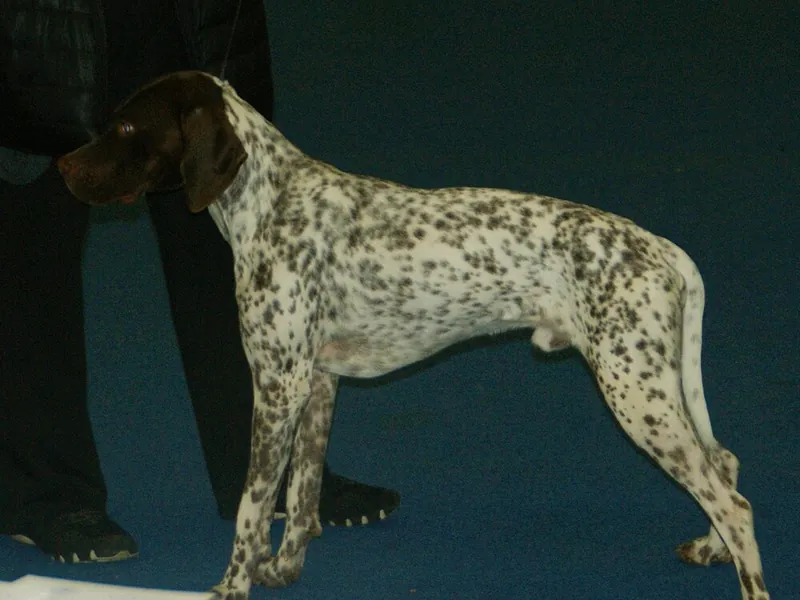
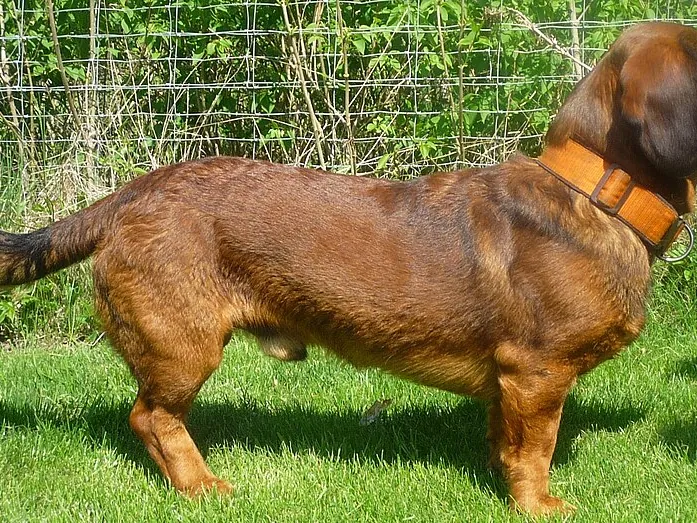
Deutscher WachtelhundThe German hunter's flushing spaniel
The Deutscher Wachtelhund, or German Spaniel, is a versatile hunting dog that flushes game from dense cover, tracks wounded animals and retrieves on land and water. It is friendly and good with people but has an intense hunting drive. It suits hunters and very active, outdoor-oriented owners.
Why people love the Deutscher Wachtelhund
- Versatile flushing, tracking and retrieving dog
- Friendly and affectionate with family and children
- Calm at home when working needs are met
- Weather-resistant coat that is fairly easy to maintain
- Generally healthy, typically living 12 to 14 years
Things to consider
- Very strong hunting drive; small pets at risk
- Needs real work, ideally hunting
- Vocal on scent and when frustrated
- Recall around game takes years to build
- Breeders often place puppies only with hunters
Is this breed right for you?
10 questions · live resultHistory and Origin
The Wachtelhund descends from the old German "Stöberhunde", flushing dogs used for centuries in forests and thickets. In the late 19th century, Frederick Roberth and other hunters worked to preserve and standardize these dogs, and a breed club was founded in 1903.
From the start, the breed was bred "by hunters, for hunters", and in Germany puppies are still mostly sold to hunters. The AKC lists the Deutscher Wachtelhund in the Foundation Stock Service; The Kennel Club does not recognize it.
The breed is used especially for driven hunts in dense woodland.
Size, Coat and Colors
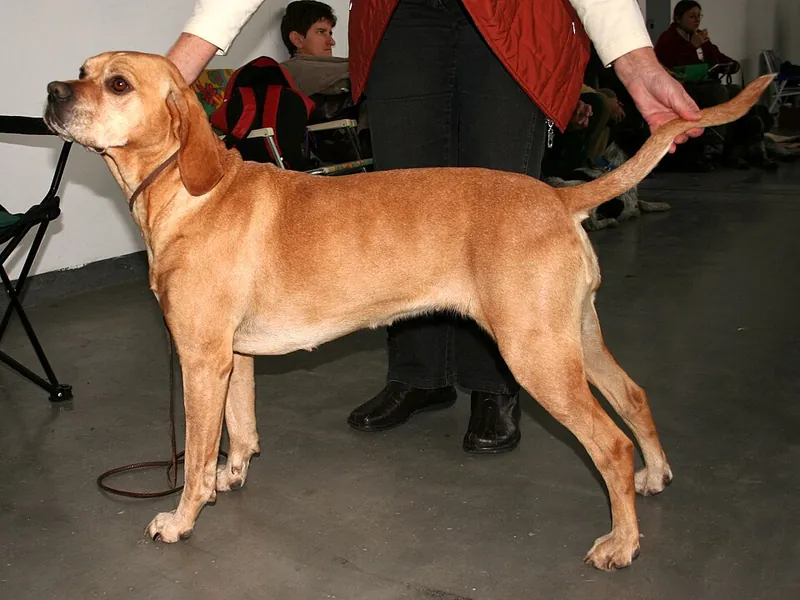
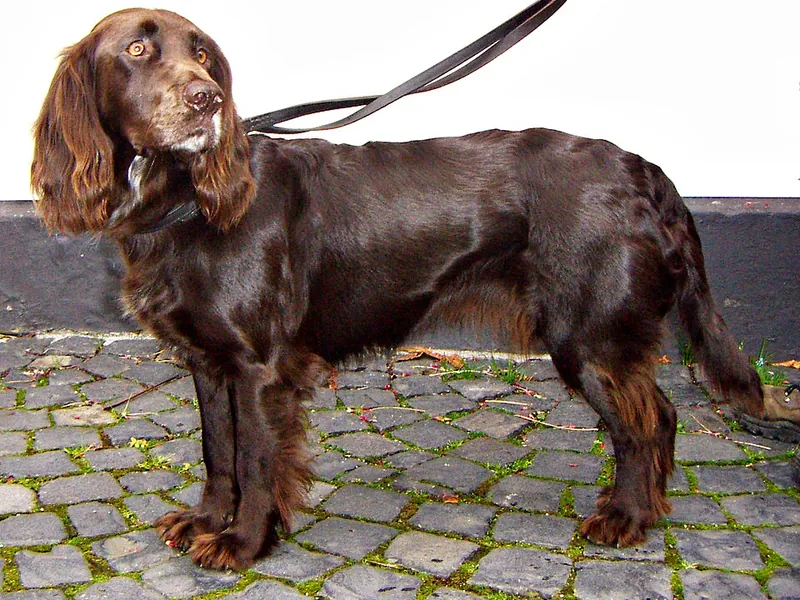
The Deutscher Wachtelhund is a medium-sized, muscular flushing dog with a body noticeably longer than tall, giving it a low, powerful outline suited to working through thick cover. Adults stand about 18 to 21 inches at the shoulder and weigh roughly 40 to 55 lb. Males are larger and more robust than females.
The head is lean with a long muzzle, a gentle expression and broad, flat ears that hang close to the cheeks. The tail is well feathered and carried horizontally or slightly downward.
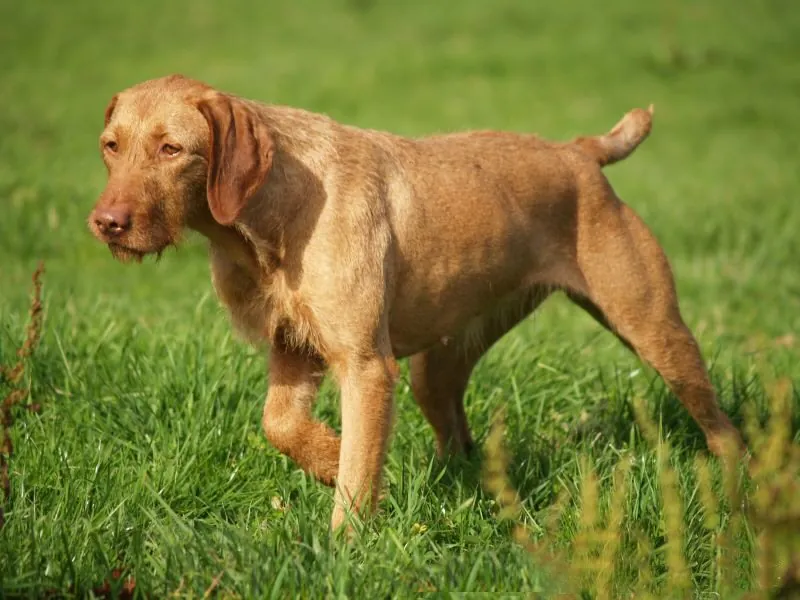
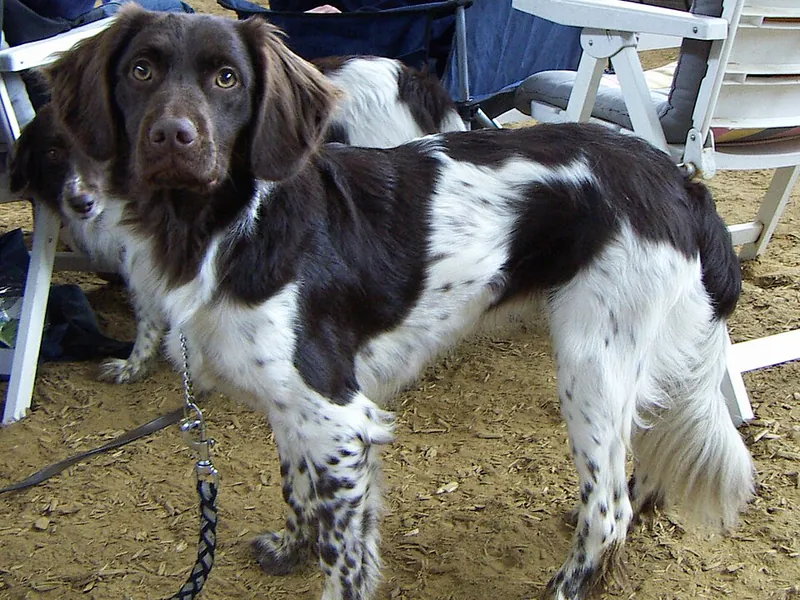
The coat is strong, dense and wavy or straight, lying close to the body, with feathering on the ears, legs, belly and tail. It protects the dog from thorns, cold and water.
The two main colors are:
- Solid brown, often with white or ticked markings on the chest and toes
- Brown roan, a mixture of brown and white hairs, often with a brown head and brown patches
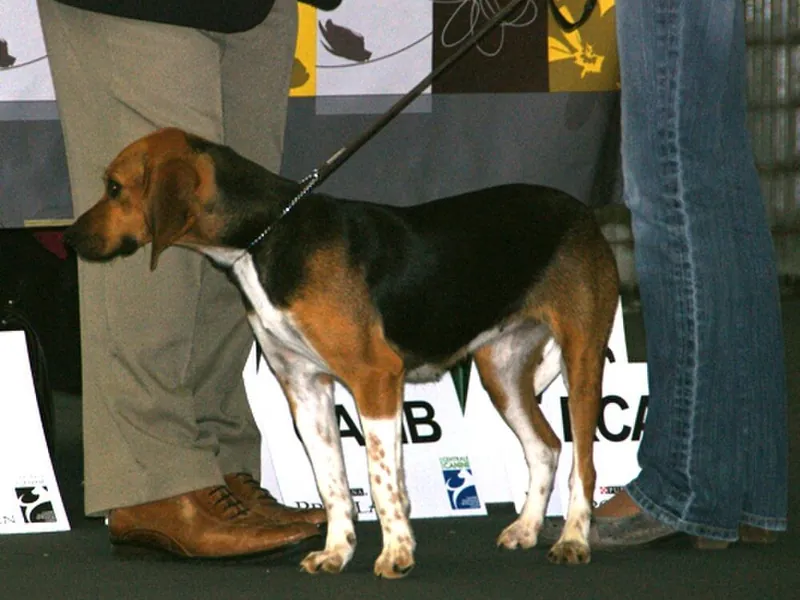
Red and red roan dogs are also recognized but less common. Dogs from European working lines vary in shade and the extent of white.
Temperament and Personality
Wachtelhunde are friendly, affectionate and good with children in their family. They are known for working independently in thick cover, using their nose and voice to follow game.
That independence and very strong hunting drive mean they need careful management around cats and small animals. Without enough work, they can become frustrated, vocal or destructive.
In the field, the Wachtelhund works close enough to stay in contact but independently searches dense cover, giving voice when it finds a fresh scent. At home, it is usually calm and affectionate if its needs are met. Many owners describe them as gentle with children, sociable with people and quick to settle after a good day outdoors.
Are Wachtelhunde Good for First-Time Owners?
Generally not, unless the first-time owner is a hunter or a very committed outdoor enthusiast with access to experienced mentors. The Wachtelhund is friendly and willing, but its strong hunting drive and need for real work are hard to satisfy in a typical household.
New owners would need to provide daily, demanding activities like tracking, retrieving and long outings, plus years of steady recall training around wildlife. Breed clubs in Germany and North America often place puppies only with hunters, which reflects that reality. For first-time owners wanting a spaniel-type companion, a less driven breed from show or pet lines is usually a better choice.
Do Wachtelhunde Bark a Lot?
They are vocal in specific situations. On a fresh scent, a Wachtelhund gives voice, called being scent-loud, so hunters can follow it through dense cover. This trait is bred for and valued.
At home, a well-exercised Wachtelhund is usually calm and not a constant barker. Frustration changes that: a dog without enough work may bark, whine or howl, especially when left alone or when it hears wildlife. Regular hunting or tracking, plenty of exercise and teaching a quiet cue keep household noise manageable. Neighbors may still hear the dog when wildlife passes the yard.
Can a Wachtelhund Live With Cats?
It is possible but requires care. Wachtelhunde have a very strong hunting drive, and some individuals never become reliable with cats or small animals.
The best chance comes from raising a puppy with a calm, confident resident cat, giving the cat secure high spaces and supervising interactions for months. Even dogs that accept their own cat are likely to chase strange cats outdoors. Rabbits, guinea pigs and birds should be kept fully separated. If you have small pets and do not hunt, a less driven breed may be easier and fairer to all animals involved.
Exercise and Training
This breed needs a lot of daily activity, ideally hunting, tracking or retrieving. Non-hunting owners need to provide long hikes, scent work, swimming and other demanding tasks.
Training should start early and be consistent and positive. The Wachtelhund is intelligent and willing but can be distracted by scent, so reliable recall takes time. Use long lines in areas with game.
Water work comes naturally to most Wachtelhunde, and many enjoy swimming and retrieving from lakes and rivers. Tracking courses are another excellent outlet that uses their excellent nose.
Grooming and Shedding
The dense, wavy coat, typically brown or brown roan, is weather-resistant and fairly easy to care for. Brush weekly and after fieldwork to remove burrs and seeds. Shedding is low to moderate. Check and clean the hanging ears regularly to prevent infections.
Check the feathering on the legs and ears for burrs and thorns after outings, and trim the hair between the paw pads to prevent matting.
Feeding and Nutrition
A Wachtelhund's food needs vary with its workload. Dogs on driven hunts or long tracking days burn substantially more energy than in the off-season, so increase portions during active periods and reduce them afterward to prevent weight gain. Keep the dog lean, with ribs easy to feel under the dense coat.
Puppies should eat a complete diet for medium to large breeds to support steady growth. Avoid overfeeding young dogs, as rapid growth and excess weight stress developing joints.
- Feed puppies three to four meals a day and adults two.
- On hunting days, give a light meal well before work and the main meal after the dog has rested.
- Carry water and check for dehydration on warm days in heavy cover.
- Use part of the daily ration for tracking and recall training rewards.
Long ears and thick feathering collect food, so wipe them after meals. Check ears regularly, since moisture and debris can lead to infections.
| Adult weight | Less active | Typical adult | Very active |
|---|---|---|---|
| 40 lb | 860 kcal | 980 kcal | 1,230 kcal |
| 55 lb | 1,090 kcal | 1,250 kcal | 1,560 kcal |
Estimates use the resting energy formula veterinarians work with (70 × body weight in kg0.75) and standard activity factors. Use the feeding guide on your food as a starting point and adjust to body condition. Puppies, seniors, pregnant animals and pets that need to lose weight have different needs, so ask your vet.
Health and Lifespan
The Wachtelhund is generally considered a healthy breed, with a typical lifespan of 12 to 14 years. No major breed-specific diseases are widely reported, but ear infections can occur due to the hanging ears. Hunting dogs also face practical risks such as cuts, thorns and ticks.
Choose breeders who follow club health and working test requirements, and keep up with routine vet checks.
Deutscher Wachtelhund Price and Cost of Ownership
The Deutscher Wachtelhund is rare in the US, and there is no widely published price range. Puppies typically come through breed clubs that follow German breeding rules, and many breeders place puppies only with active hunters. Prices vary by breeder, region and lines, and imported puppies come with added transport and paperwork costs.
Rescue dogs are rare, though hunting dog networks occasionally rehome adults.
Breed-specific ongoing costs include:
- Hunting licenses, club membership and breed testing events
- GPS tracking collars for driven hunts
- Protective vests and first-aid supplies for fieldwork
- Ear care and treatment of field injuries
- Higher food volume during hunting season
Is the Deutscher Wachtelhund Right for You?
A Wachtelhund is ideal for hunters needing a versatile flushing and tracking dog, or very active owners who can provide intensive outdoor work. It is friendly with families and children.
It is not suitable for apartments, sedentary households or homes with cats and small pets. Many breeders place puppies only with hunters.
If you are not a hunter, consider whether you can give this dog an equivalent daily challenge; otherwise, a less driven spaniel may be a better fit.
Deutscher Wachtelhund Traits at a Glance
Deutscher Wachtelhund FAQ
How big do Deutscher Wachtelhunde get?
They stand about 18 to 21 inches tall and weigh roughly 40 to 55 lb.
Are Wachtelhunde good family dogs?
They are friendly and good with children, but their hunting needs make them best for hunting or very active homes.
How much exercise does a Deutscher Wachtelhund need?
A lot; ideally regular hunting or tracking work plus long daily outings.
Is the Deutscher Wachtelhund AKC-recognized?
It is in the AKC Foundation Stock Service, not yet fully recognized.
Do Wachtelhunde shed?
They shed lightly to moderately and need weekly brushing.
How long do Deutscher Wachtelhunde live?
Typically 12 to 14 years.