Wirehaired VizslaHungary's rugged, versatile pointing dog
The Wirehaired Vizsla is Hungary's all-weather gundog: a russet pointer with a wiry coat, a bearded face and a big appetite for work. It is affectionate, sensitive and eager to learn, and it thrives with active families who hunt, run or do dog sports.
Why people love the Wirehaired Vizsla
- Affectionate, people-focused family companion
- Versatile hunter: points, retrieves and tracks
- Weather-resistant coat for cold water and winter
- Learns quickly with praise and rewards
- Usually gentle and patient with children
Things to consider
- Needs at least an hour of vigorous daily exercise
- Does not cope well when left alone
- Strong prey drive toward cats and birds
- Beard collects water and food
- Sensitive to harsh handling
Is this breed right for you?
10 questions · live resultHistory and Origin
The Wirehaired Vizsla was developed in Hungary in the 1930s. Hunters and breeders wanted a pointing dog with the Vizsla's nose, color and temperament but a denser, weather-resistant coat for working in cold water and harsh winters. Smooth Vizslas were crossed mainly with German Wirehaired Pointers, with other wire-coated gundogs used in smaller numbers.
The FCI recognized the breed in 1966. The Kennel Club in the UK lists it as the Hungarian Wire Haired Vizsla in the Gundog group, and the AKC granted full recognition in the Sporting Group in 2014. Today it remains a true versatile hunting dog: it points, retrieves on land and from water, and tracks wounded game.
Size, Coat and Color
The Wirehaired Vizsla is a medium-sized, athletic pointer with a slightly heavier frame than the smooth Vizsla. Adults stand 21 to 25 inches and weigh 44 to 64 lb. Under the AKC standard, males measure about 23 to 25 inches and females about 21.5 to 23 inches, with males showing more substance and a broader head.
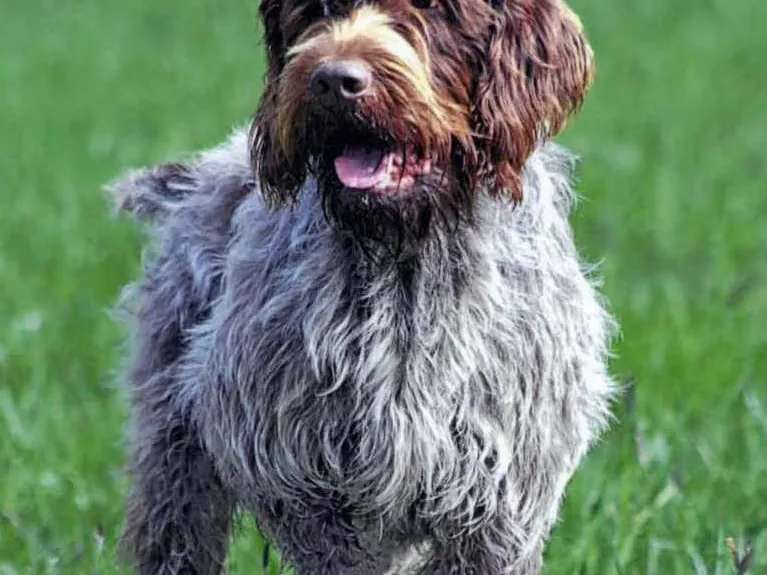
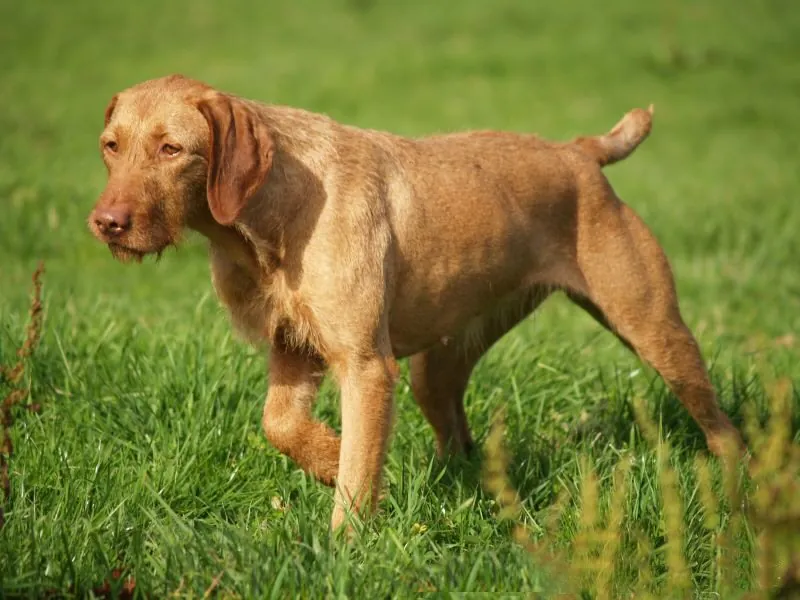
The face is the breed's signature: a short, harsh beard, bushy eyebrows and an alert, intelligent expression. The eyes blend with the coat color, and the nose is brown, always harmonizing with the coat.
The coat is dense, wiry and close-lying with a protective undercoat that sheds water. It is shorter on the head and ears and slightly longer on the lower legs and underside.
The only accepted color is golden rust, in shades from lighter to darker. Small white markings on the chest and toes are acceptable. A black nose, a solid white chest patch or a coat that is too long, too soft or lacks undercoat are faults. In the US the tail may be docked by about one quarter of its length or left natural; it is left natural in countries that ban docking.
Temperament and Personality
Wirehaired Vizslas are affectionate and people-focused. Many follow their owners from room to room and want to be involved in everything. They are typically gentle and patient with children, and they bond closely with the whole family.
They are also sensitive. Harsh handling backfires, and some can be a little stubborn or persistent when they have an idea of their own. With other dogs they are usually sociable, but a strong prey drive means cats, rabbits and birds need careful management.
Is the Wirehaired Vizsla Good for First-Time Owners?
A Wirehaired Vizsla can work for a first-time owner who is very active and has time every day for exercise and training. Its affectionate, cooperative nature makes it easier than many hunting breeds.
The challenges are energy, company and sensitivity. New owners often underestimate how much exercise a young dog needs, and an under-exercised Wirehaired Vizsla becomes restless and destructive. The breed also bonds tightly and dislikes being left alone. Plan for puppy classes, daily running or field work and gentle, consistent training. Owners who are away all day or prefer a calm dog should consider another breed.
Can Wirehaired Vizslas Be Left Alone?
Wirehaired Vizslas can manage a few hours alone, but long daily absences do not suit them. They are close companions that want to be with their family.
Gradually teach a puppy to be alone in a crate or safe room with chews and food puzzles. Exercise before you leave so the dog is ready to rest. Watch for signs of stress such as howling, scratching at doors or chewing near exits. For full workdays, plan for a dog walker, a trusted friend or daycare. A second dog can help some individuals but does not replace human company for this breed.
Are Wirehaired Vizslas Good With Cats?
Some Wirehaired Vizslas live well with cats, especially when raised with them, but the breed's strong prey drive makes it a case-by-case question.
A puppy introduced to a calm, confident cat has the best chance of forming a peaceful relationship. Even then, many dogs chase cats outdoors or treat unfamiliar cats as game. Provide the cat with escape routes and dog-free zones, supervise early interactions and teach a solid leave-it cue. Birds, rabbits and rodents are a much greater risk. Rescue groups can help match you with an adult dog known to be cat-safe.
Exercise and Training
This breed needs vigorous daily exercise: think at least an hour or more of running, swimming, field work or hiking, not just a leash walk. Mental exercise matters equally. Without both, Wirehaired Vizslas tend to invent their own projects, such as chewing, digging or barking.
- Training is generally easy. They learn quickly and respond best to praise, food and play.
- Good outlets include hunt tests, field trials, tracking, agility, canicross and dock diving.
- Teach a solid recall early and practice it around birds and wildlife.
- They do not cope well alone. Plan for company or a dog walker on long days.
Grooming and Shedding
The coat is dense and wiry, about 1 inch long on the body, with a distinct beard and eyebrows. Brush weekly to remove loose hair. Most pet coats need only light hand-stripping a few times a year to remove dead hair; clipping softens the texture and reduces weather protection.
Shedding is moderate. The beard collects water and food, so wipe it after meals. Check the drop ears weekly, especially after swimming, and keep nails short.
Feeding and Nutrition
A Wirehaired Vizsla's food needs depend on how much it works. A dog hunting or training most days needs considerably more than one with a daily walk. Adjust portions to body condition: ribs easy to feel, a clear waist and a tucked belly. The wiry coat can hide extra weight, so check by hand.
Hyperuricosuria is a known inherited condition in the breed and can cause urate stones. Ask the breeder for DNA results. Dogs that carry two copies of the gene need a vet-directed diet plan, typically with attention to water intake and certain protein sources. For all dogs, fresh water should always be available, especially during exercise and after field work.
Medium to large puppies should grow steadily on a diet suited to their expected adult size. Avoid overfeeding, which stresses developing hips and elbows.
On hunting days, feed a smaller meal well before the outing and the main meal after the dog has cooled down. This also lowers bloat risk in deep-chested dogs.
Wipe the beard after meals. Use small treats for training, as the breed responds well to food rewards.
| Adult weight | Less active | Typical adult | Very active |
|---|---|---|---|
| 44 lb | 930 kcal | 1,060 kcal | 1,320 kcal |
| 64 lb | 1,230 kcal | 1,400 kcal | 1,750 kcal |
Estimates use the resting energy formula veterinarians work with (70 × body weight in kg0.75) and standard activity factors. Use the feeding guide on your food as a starting point and adjust to body condition. Puppies, seniors, pregnant animals and pets that need to lose weight have different needs, so ask your vet.
Health and Lifespan
The Wirehaired Vizsla is generally a healthy breed with a lifespan of about 12 to 14 years. Responsible breeders screen for:
- Hip and elbow dysplasia
- Hyperuricosuria, which can lead to bladder or kidney stones (DNA test available)
- Subvalvular aortic stenosis, a heart condition
- Eye conditions including glaucoma, progressive retinal atrophy and cataracts
Ask breeders for the parents' screening results and buy from those who share them openly. Keep the dog lean, since extra weight stresses the joints of an active dog.
Wirehaired Vizsla Price and Cost of Ownership
Typical breeder price in the US$1,500 to $3,000
Wirehaired Vizsla puppies from reputable US breeders typically cost about $1,500 to $3,000, depending on breeder, region and lines. The breed is less common than the smooth Vizsla, so waiting lists are normal. Dogs from proven hunting lines may be priced higher. Breed club rescue programs occasionally place adult dogs.
Ongoing costs include:
- Food for an active, medium-to-large dog
- Insurance covering hip and elbow dysplasia, heart disease, eye conditions and urinary stones
- Health screening: DNA test for hyperuricosuria, hip, elbow, heart and eye evaluations
- Field training, hunt test fees and gear if you hunt or compete
- Dog walker or daycare on long workdays
Is the Wirehaired Vizsla Right for You?
The Wirehaired Vizsla suits active families, hunters and sport enthusiasts who want a close companion and have time to exercise it every day. It is less suited to apartments and to owners who are out all day. First-time owners can succeed if they are genuinely active and commit to training.
- Good fit: hunting homes, runners, hikers, families with older kids who love the outdoors.
- Poor fit: sedentary households, long hours alone, homes with free-roaming small pets.
Wirehaired Vizsla Traits at a Glance
Wirehaired Vizsla FAQ
Are Wirehaired Vizslas good family dogs?
Yes, for active families. They are affectionate and usually very good with children, but they need a lot of exercise and company.
How big do Wirehaired Vizslas get?
They stand about 21 to 25 inches at the shoulder and weigh roughly 44 to 64 lb, with males larger than females.
Do Wirehaired Vizslas shed?
They shed moderately. Weekly brushing and occasional hand-stripping keep the wiry coat in shape.
Are Wirehaired Vizslas hypoallergenic?
No. They shed and produce dander like other dogs, so they are not a good choice for people with dog allergies.
What is the difference between a Vizsla and a Wirehaired Vizsla?
They are separate breeds. The Wirehaired Vizsla has a dense, wiry coat with a beard, a slightly heavier build, and was developed in the 1930s from Vizslas crossed with wire-coated pointers.
How long do Wirehaired Vizslas live?
Typically about 12 to 14 years.