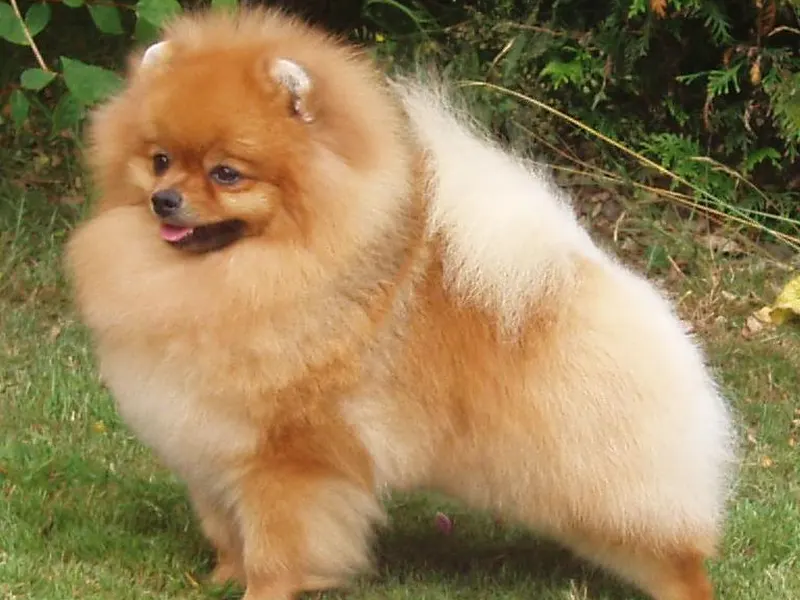
German SpitzAlert, loyal watchdog with a lion's mane
The medium German Spitz, or Mittelspitz, is a fox-faced, fluffy companion with a plumed tail curled over its back and a strong sense of duty as a house watchdog. It is affectionate, easy to train and has almost no hunting instinct, but it loves to bark and needs regular brushing.
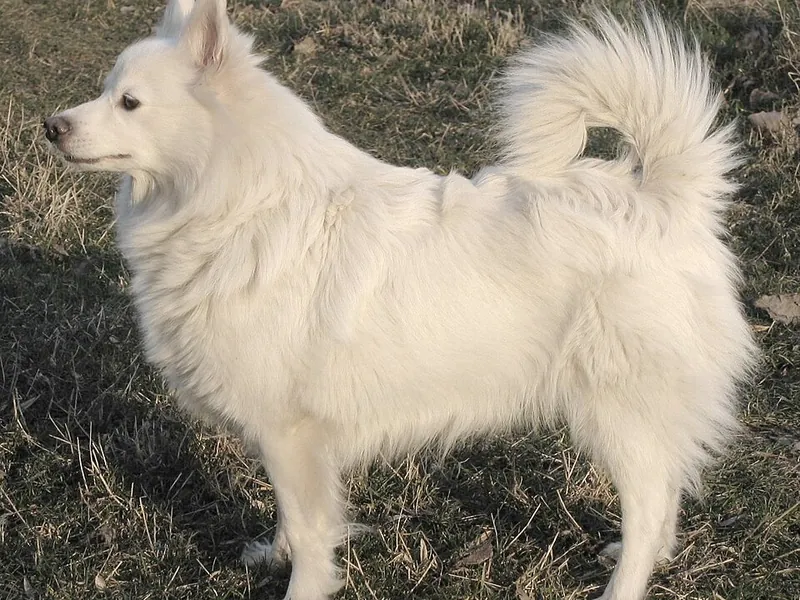
Why people love the German Spitz
- Very low prey drive, stays close on walks
- Usually lives peacefully with cats and other pets
- Fast learner that enjoys tricks and dog sports
- Robust and long-lived, typically 13 to 15 years
- Reliable watchdog that alerts to every visitor
Things to consider
- Barks readily; challenging with noise-sensitive neighbors
- Heavy seasonal shedding from a dense double coat
- Needs brushing two or three times a week
- Wary of strangers without good socialization
- Rare in the US; few breeders available
Is this breed right for you?
10 questions · live resultHistory and Origin
German Spitz dogs are among the oldest dog types in Central Europe. For centuries farmers, vintners and boat owners kept them as watchdogs that stayed close to home and raised the alarm rather than wandering off to hunt.
The FCI standard groups several sizes under German Spitz, from the large Wolfsspitz (Keeshond) to the Pomeranian. The Mittel, standing about 12 to 15 inches (30 to 38 cm), sits in the middle. The Kennel Club lists the Mittel and the smaller Klein in its Toy Group, while the AKC records the German Spitz in its Foundation Stock Service.
Spitz dogs were especially common in rural Germany, where their tendency to stay near the house and their suspicion of strangers made them dependable guardians of yards, carts and barges. The breed comes in many colors, including white, black, brown, orange, gray-shaded and parti-color.
Sizes, Coat and Colors
The Mittelspitz, or medium German Spitz, is a compact, square dog with a fox-like head, small pointed ears and a plumed tail curled over the back. It stands about 12 to 15 inches tall and weighs roughly 15 to 24 lb. Males usually have a fuller mane and a slightly larger frame; females are a little lighter and often carry less coat after a season or litter.
The Mittel is one size in the German Spitz family. The FCI standard covers the Wolfsspitz or Keeshond, the Giant, the Medium, the Miniature (Klein) and the Toy (Pomeranian). The Kennel Club recognizes the Klein and Mittel as one breed with two sizes.
The coat is a stand-off double coat, with a long, straight outer coat over a thick, cottony undercoat. A lion-like ruff frames the neck, and the hind legs carry generous trousers.
Colors: the FCI accepts black, brown, white, orange, gray-shaded, cream, cream-sable, orange-sable, black and tan and parti-color for the Mittel. The Kennel Club allows all colors and patterns.
Temperament and Personality
A Mittelspitz is lively, cheerful and devoted to its family, and many are gentle and patient with respectful children. It is naturally wary of strangers and very territorial about its home, which makes it an excellent alarm system.
That vigilance is also the breed's main challenge: it barks at noises, visitors and passersby. Because it has very little prey drive, it tends to stay close on walks and usually lives peacefully with cats and other pets.
Is the German Spitz Easy to Train?
Yes, the German Spitz is one of the easier small companion breeds to train. It is attentive, eager for rewards and quick to learn routines and tricks.
Most owners find house training, recall and basic manners straightforward, especially because the breed tends to stay close and has little interest in chasing wildlife. The main training topic is barking: teach a quiet cue early and reward the dog for calm behavior at doors and windows. Spitz dogs are sensitive to harsh corrections and work best with short, upbeat sessions. Many enjoy agility, rally and trick training, which give them a useful outlet for their energy.
Can a German Spitz Live in an Apartment?
A German Spitz can live happily in an apartment, provided the owner manages barking and offers about an hour of daily activity.
Size and coat are not the issue; noise is. Spitz dogs are territorial watchdogs and will alert to footsteps in the hallway, doorbells and elevator sounds. Early training, a resting place away from the front door and rewards for quiet behavior help a great deal. Window film or curtains can reduce barking at passersby. Expect to vacuum often during seasonal shedding. A Spitz that walks and plays enough is usually calm and adaptable indoors.
Can a German Spitz Be Left Alone?
Most adult German Spitz dogs can be left alone for around four hours once they have been taught gradually. The breed is attached to its family but generally more independent than many lap breeds.
The concern with a Spitz left alone is barking. A dog left in a room facing the street may spend the day alerting at every noise, which can cause problems with neighbors. Leave the dog in a quiet, interior area, give it a chew or puzzle toy and exercise it beforehand. Start alone-time training with short absences in puppyhood. For longer days, a midday walk or a dog sitter helps.
Exercise and Training
Despite its fluffy look, the Mittel is an energetic, sturdy dog that enjoys long walks, hikes and dog sports such as agility, obedience and trick training. Plan on about an hour of activity daily, split into walks and games.
- Teach a quiet cue and reward calm behavior at windows and doors.
- Expose puppies to many visitors so wariness does not turn into anxiety.
- Use rewards; the breed learns fast and dislikes heavy-handed training.
Grooming and Shedding
The coat is a stand-off double coat: a long, straight outer coat over a dense, cottony undercoat, with a thick ruff around the neck. Brush thoroughly at least two or three times a week with a pin brush and comb, paying attention to the areas behind the ears and the trousers where mats form.
Expect heavy seasonal shedding once or twice a year. Do not shave the coat, as it protects against heat and cold and may grow back poorly.
Feeding and Nutrition
The German Spitz is a robust, active small breed, and keeping it lean is the main nutrition goal. The dense coat hides extra weight very well, so feel for the ribs and waist rather than relying on how the dog looks. Excess weight adds strain on the kneecaps, and patellar luxation is the condition most often reported in the breed.
Puppies: feed a complete puppy diet suited to small to medium breeds, in three or four meals a day at first. Most adults do well on two meals a day.
Coat and skin: a balanced diet with adequate essential fatty acids supports the dense double coat. Do not add supplements without asking your vet. If the coat stays thin or dull after a seasonal shed, a vet check can rule out thyroid or skin problems.
Dental care: small breeds tend to accumulate tartar. Brushing teeth several times a week matters more than any particular food.
Spitz dogs learn quickly with food rewards. Use small pieces of their regular food, especially when training a quiet cue, and count treats in the daily ration.
| Adult weight | Less active | Typical adult | Very active |
|---|---|---|---|
| 15 lb | 410 kcal | 470 kcal | 590 kcal |
| 24 lb | 590 kcal | 670 kcal | 840 kcal |
Estimates use the resting energy formula veterinarians work with (70 × body weight in kg0.75) and standard activity factors. Use the feeding guide on your food as a starting point and adjust to body condition. Puppies, seniors, pregnant animals and pets that need to lose weight have different needs, so ask your vet.
Health and Lifespan
The German Spitz is considered a robust, long-lived breed, typically reaching 13 to 15 years. Patellar luxation, a slipping kneecap, is the condition most often mentioned, and eye checks are also sensible in breeding dogs.
Keep the dog lean, brush its teeth regularly and choose a breeder who screens knees and eyes in the parents.
German Spitz Price and Cost of Ownership
The German Spitz is rare in the United States. It is recorded in the AKC Foundation Stock Service rather than fully recognized, and only a small number of breeders produce Mittel-sized dogs. Many US owners find a puppy through breeders in Europe or the UK, which adds import, travel and paperwork costs. Prices vary by breeder, region and lines, and color can influence price.
Be careful not to confuse the German Spitz with the Pomeranian, the American Eskimo Dog or the Keeshond when browsing listings. Ask for kneecap and eye screening results for the parents.
Adoption is possible through Spitz and Nordic breed rescues, though German Spitz dogs are seldom available.
Ongoing costs are modest for a small, healthy breed. The main drivers are grooming tools or occasional professional deshedding, dental care and treatment if patellar luxation develops.
Is the German Spitz Right for You?
At 15 to 24 lb, the Mittel is a great choice for active families and first-time owners who want a trainable, loyal dog that stays close. It can live in an apartment if you manage the barking and provide daily exercise.
It is less ideal if you have close neighbors who are sensitive to noise, or if you dislike brushing and finding hair on your clothes.
German Spitz Traits at a Glance
German Spitz FAQ
Do German Spitz dogs bark a lot?
Yes. Barking is a core trait of this watchdog breed. Training and enough exercise help keep it manageable.
How big does a German Spitz Mittel get?
The Mittel stands about 12 to 15 inches tall and weighs roughly 15 to 24 lb.
Is the German Spitz good with children?
Most are affectionate, playful family dogs and do well with children who treat them respectfully.
Do German Spitz shed?
They shed moderately year-round and heavily during seasonal coat changes, so regular brushing is essential.
What is the difference between a German Spitz and a Pomeranian?
Both are German Spitz types, but the Pomeranian is the smallest size and is bred mainly as a toy companion, while the Mittel is larger and sturdier.
How long do German Spitz live?
They commonly live 13 to 15 years.