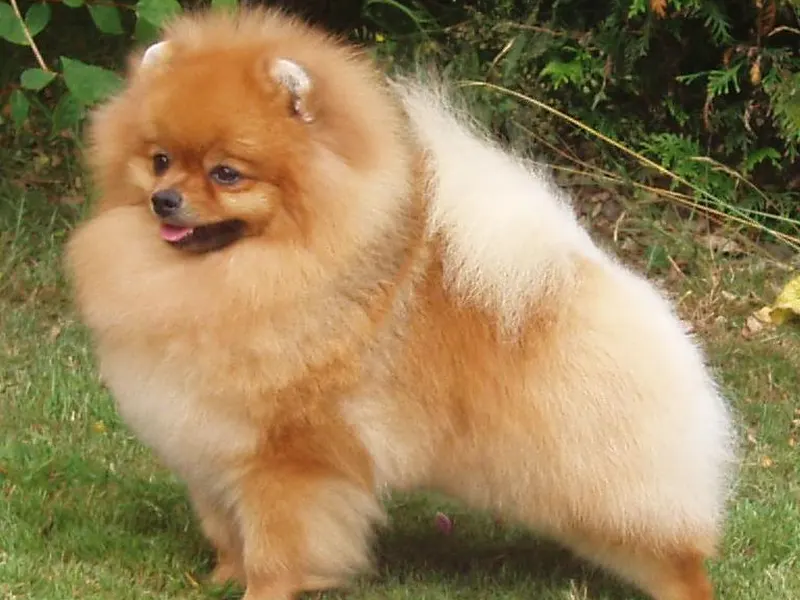
PomeranianFluffy toy spitz with a bold voice
The Pomeranian is the smallest member of the German Spitz family, with a fox-like face, plumed tail and thick double coat. It is lively, alert and affectionate, and it suits owners who want a portable companion and can manage barking and regular brushing.
Why people love the Pomeranian
- Small and portable, adapts well to apartments
- Lively, affectionate personality with plenty of confidence
- Quick learner that loves tricks and short games
- Long-lived, often reaching 12 to 16 years
- Alert watchdog despite its tiny size
Things to consider
- Barks readily at noises, visitors and passersby
- Fragile around toddlers and from falls
- Dense double coat needs regular brushing
- House training can take extra patience
- Prone to dental disease and slipping kneecaps
Is this breed right for you?
10 questions · live resultHistory and Origin
The Pomeranian takes its name from Pomerania, a region on the Baltic coast now divided between Germany and Poland. Its ancestors were larger spitz dogs used for herding and guarding. In Germany the breed belongs to the German Spitz family, and the FCI lists the Pomeranian as the toy-sized German Spitz.
Queen Victoria popularized the breed in Britain after bringing home a small spitz from Italy in 1888, and breeders began selecting for smaller size. The AKC recognized the Pomeranian in 1900. Today Poms are among the most popular toy breeds.
Size, Coat and Colors
The Pomeranian is a compact, short-backed toy spitz with a wedge-shaped, fox-like head, small erect ears and a heavily plumed tail carried flat over the back. Adults weigh 2 to 7 lb and stand about 7 to 9 inches tall. The AKC standard prefers 4 to 6 lb for show dogs, and dogs bred far below that range are more prone to health problems.
The double coat has a soft, thick undercoat and a longer, harsh outer coat that stands off the body, with a large frill around the neck and chest. The coat is fullest in adult males, while females often carry less coat, especially after a litter.
The breed comes in more colors than almost any other. The AKC accepts orange, red, cream, sable, black, brown, blue, white and wolf sable, along with parti-color, brindle, black and tan and other tan-pointed patterns. Orange and red are the most familiar. Some registries do not accept every color, so check the standard if you plan to show.
Temperament and Personality
Pomeranians are lively, curious and affectionate. They love attention and often perform tricks to get it. Many are alert watchdogs and bark at noises, visitors and passersby.
They usually have little prey drive and can live with other pets, though some are bossy with larger dogs. With children, they do best with older kids who are gentle. Poms can cope with short absences but prefer company.
Poms are often described as big dogs in small bodies. They tend to be confident and curious, keen to explore and quick to investigate new people or objects. Their expressive, fox-like faces and spinning, bouncing greetings make them entertaining companions.
Is the Pomeranian Good for First-Time Owners?
Yes, a Pomeranian can be a good first dog for owners who are ready for barking and grooming. It is small, easy to handle and learns quickly with treats, so basic manners are within reach for most beginners.
The common pitfalls are owner-made. Because Poms are tiny and cute, many get carried everywhere and never learn rules, which can lead to bossy behavior and constant barking. Treat your Pom like a real dog: teach a quiet cue, polite greetings and a reliable recall. Plan for brushing two or three times a week and daily tooth brushing from the start.
Are Pomeranians Hard to Potty Train?
Pomeranians are often slower to house train than larger breeds, but they can be reliably trained with a consistent routine. A tiny bladder means they need to go out more often, and accidents on rugs are easy to miss.
Take a young Pom out after every meal, nap and play session, and at least every two hours during the day. Reward right after it goes outside. Many owners use an indoor pad or litter area for very young puppies or bad weather, but switch gradually if you want outdoor-only habits. Clean accidents with an enzyme cleaner so the spot does not invite repeats.
Can Pomeranians Be Left Alone?
Most adult Pomeranians can cope with four to six hours alone if they are used to it. They are more independent than many toy breeds, but they still prefer company and can bark when bored.
Set up a safe area, such as a puppy pen or small room, where your Pom cannot jump from furniture or chew cables. Leave a chew or food puzzle and a comfortable bed. Practice short departures from puppyhood and keep them low-key. Young puppies need potty breaks more often, so arrange a midday visit if you work full-time. If barking becomes a problem, ask neighbors for feedback and adjust the routine.
Exercise and Training
Two short walks and indoor play, around 30 to 45 minutes a day, usually keep a Pomeranian fit. They enjoy trick training, agility and short games. Use a harness to protect the windpipe, and avoid overheating in summer, since the thick coat holds heat.
Training goes well with positive reinforcement and short sessions. Poms learn tricks quickly but can be stubborn about house training. Teach a quiet cue early, as barking can become a habit.
Despite their size, Poms are often surprisingly athletic and can join longer walks once fully grown, as long as they are not overheated. Their small size makes them vulnerable to falls, so discourage jumping from high furniture and be careful when carrying them.
Grooming and Shedding
The double coat has a soft, dense undercoat and a longer outer coat. Brush two or three times a week, more during seasonal shedding, using a pin brush and comb to reach the undercoat. Do not shave the coat, as this can affect regrowth and temperature control. Trim around the feet and ears for tidiness. Brush teeth daily, since dental disease is common.
Puppies go through a phase sometimes called the puppy uglies, when the fluffy puppy coat sheds and the adult coat grows in. This is normal and resolves as the dog matures, usually by the end of the first year.
Feeding and Nutrition
Feeding a Pomeranian is mostly about precision. With an adult weight of only 2 to 7 lb, a few extra treats a day can add a noticeable percentage of body weight, and excess weight worsens slipping kneecaps and tracheal collapse.
- Puppies, especially very small ones, can be prone to low blood sugar. Feed small meals three to four times a day and do not let a young puppy skip meals.
- Adults usually do well on two or three small meals daily.
- Choose a small-bite food that suits a tiny mouth. Toy breeds have crowded teeth and are prone to tartar, so daily tooth brushing matters more than any food choice.
- Weigh your Pom monthly on a kitchen or baby scale, since the thick coat hides weight gain.
Use very small treats or pieces of the daily ration for trick training. Avoid feeding from the table, which can encourage both begging and picky eating.
| Adult weight | Less active | Typical adult | Very active |
|---|---|---|---|
| 2 lb | 90 kcal | 100 kcal | 130 kcal |
| 4 lb | 150 kcal | 180 kcal | 220 kcal |
| 7 lb | 230 kcal | 270 kcal | 330 kcal |
Estimates use the resting energy formula veterinarians work with (70 × body weight in kg0.75) and standard activity factors. Use the feeding guide on your food as a starting point and adjust to body condition. Puppies, seniors, pregnant animals and pets that need to lose weight have different needs, so ask your vet.
Health and Lifespan
Pomeranians can be affected by luxating patellas, collapsing trachea, Chiari-like malformation and syringomyelia, hydrocephalus, progressive retinal atrophy and hypothyroidism. Some develop alopecia X, a hair-loss condition. Many risks increase with extreme miniaturization, so avoid dogs bred to be as small as possible.
Choose a breeder who checks knees, eyes and hearts. Pomeranians typically live 12 to 16 years.
Pomeranian Price and Cost of Ownership
Typical breeder price in the US$1,000 to $3,000
A Pomeranian puppy from a reputable US breeder typically costs about $1,000 to $3,000. Prices vary by breeder, region and lines, and rare colors or show prospects can cost more. Be cautious with puppies marketed as teacup or micro, since breeding for extreme smallness raises health risks.
Pomeranians regularly turn up in shelters and toy-breed rescues, so adoption is a realistic option.
Breed-specific ongoing costs include:
- Professional dental cleanings under anesthesia, often needed every year or two.
- Grooming tools or regular trims at a groomer to keep the coat tidy.
- Insurance or savings for luxating patellas and collapsing trachea.
- A harness, sweater for cold weather and safe gates or ramps at home.
Is the Pomeranian Right for You?
The Pomeranian suits apartment dwellers, seniors and families with older children who want a lively, affectionate companion. It travels well and enjoys being included in daily life.
It is less suited to homes with toddlers or owners bothered by barking. Regular brushing and dental care are necessary.
The breed also appeals to people who want a small dog with a real personality and some independence, since Poms tend to be more self-assured than clingy. Budget for regular grooming tools and veterinary dental cleanings.
Pomeranian Traits at a Glance
Pomeranian FAQ
Are Pomeranians good with kids?
They can be playful with older, gentle children. Toddlers can easily injure a Pom.
How big do Pomeranians get?
Adults usually weigh 2 to 7 lb and stand about 7 to 9 inches tall.
Do Pomeranians shed?
Yes, moderately year-round and more during seasonal shedding. Regular brushing keeps loose hair under control.
Do Pomeranians bark a lot?
Many do. They are alert and quick to bark at noises or visitors, so early training helps.
Is a Pomeranian the same as a Zwergspitz?
Yes, the FCI treats the Pomeranian as the toy variety of the German Spitz, called Zwergspitz in German.
How long do Pomeranians live?
Pomeranians typically live 12 to 16 years.