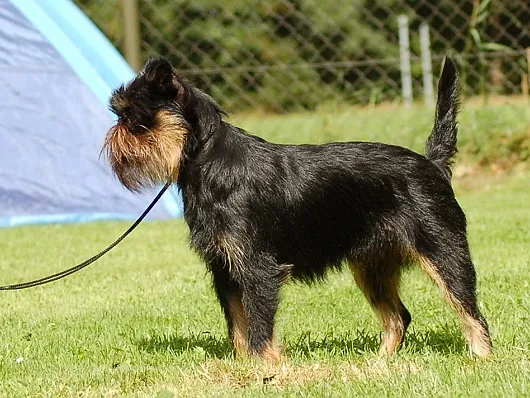
AffenpinscherThe bold little monkey-faced ratter
The Affenpinscher is a tiny, rough-coated dog from Germany with a monkey-like face and an outsized personality. Confident, comical and sometimes bossy, it is a devoted companion for adults who enjoy a dog with attitude and can stay consistent with training.
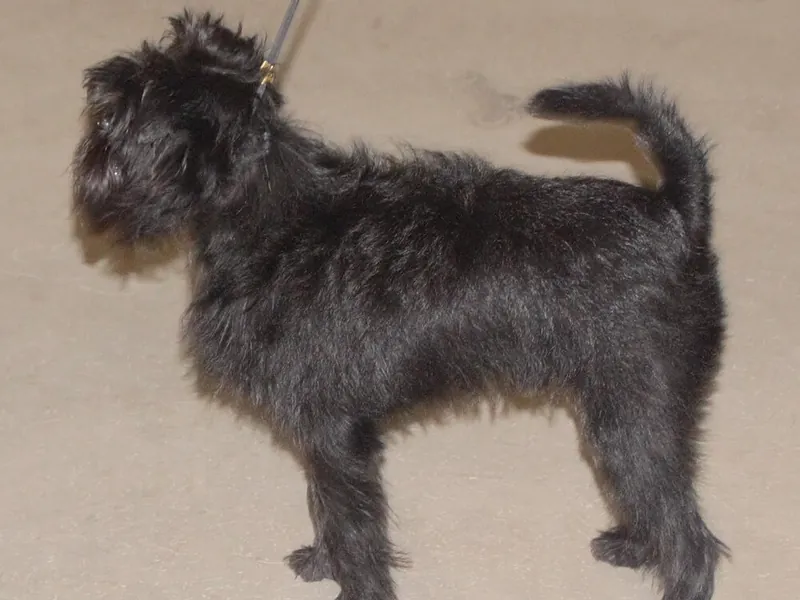
Why people love the Affenpinscher
- Small, sturdy and well suited to apartment living
- Comical, confident personality with plenty of character
- Loyal and affectionate with its household
- Moderate exercise needs met by walks and indoor games
- Long lifespan of 12 to 15 years
Things to consider
- Can be bossy and quick-tempered when handled roughly
- House training often takes extra patience
- Barks at visitors and noises
- Shaggy coat needs regular brushing and stripping
- Rare breed, puppies can be hard to find
Is this breed right for you?
10 questions · live resultHistory and Origin
Small wire-haired pinschers were kept in Germany from at least the 17th century to control rats and mice in stables, kitchens and shops. Over time breeders selected smaller dogs that also made charming house companions. The name means "monkey pinscher" in German, and in France the breed was nicknamed the "diablotin moustachu", the mustached little devil.
The Affenpinscher contributed to the development of the Brussels Griffon and possibly the Miniature Schnauzer. The AKC recognized it in 1936. An Affenpinscher won Best in Show at Westminster in 2013, which brought the rare breed new attention.
Size, Coat and Colors
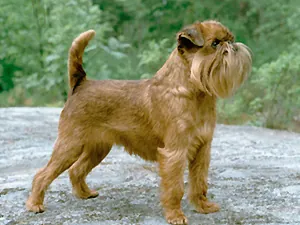
The Affenpinscher is a small, square, compact toy dog standing 10 to 12 inches and weighing 9 to 13 lb. It is sturdier and more substantial than it looks under the coat, with a medium-boned body and a short back.
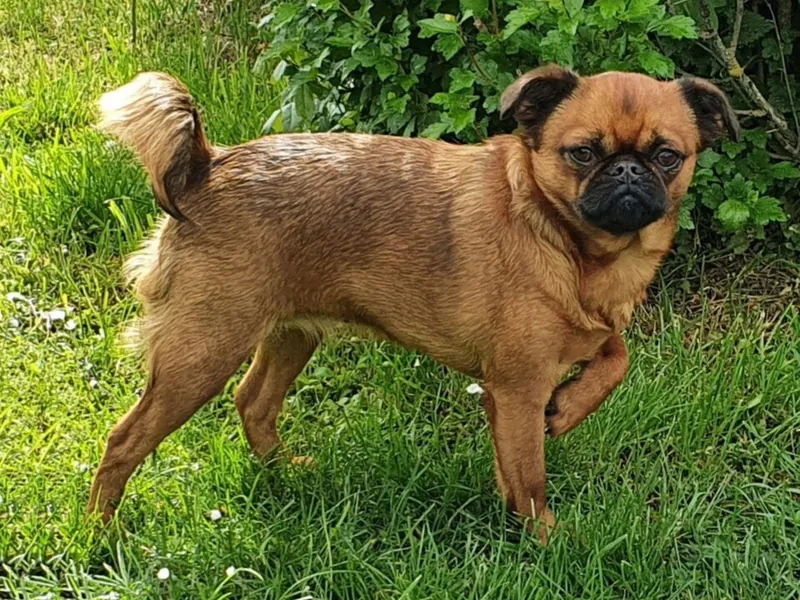
The face gives the breed its name. A round, domed skull, a short muzzle, a slightly undershot jaw and dark, round eyes create a monkey-like expression, framed by shaggy hair on the head, brows and beard. Ears may be cropped or natural.
Males and females are similar in size, with males sometimes slightly heavier.
The coat is harsh and dense, about 1 inch long on the body and longer and shaggier on the head, legs and chest, giving a deliberately untidy look. AKC-accepted colors include:
- Black, the most common
- Gray and silver
- Red
- Black and tan
- Beige, a mix of black, brown and white hairs
The FCI accepts only pure black.
Temperament and Personality
Affens are fearless, curious and loyal. They often act much bigger than they are and will confront larger dogs without hesitation. With their family they are affectionate and playful; with strangers they may be watchful and bark.
They can be quick-tempered if handled roughly, guard toys or food, and do not like being teased. That makes them a better fit for homes with adults or older, gentle children.
Many Affens are natural entertainers. They may stand on their hind legs, "talk" with grumbles and snorts, and carry toys around with great seriousness. Their confidence means they need protection from their own boldness around large dogs at the park.
Is the Affenpinscher Good for First-Time Owners?
An Affenpinscher can suit a first-time owner who enjoys a dog with attitude and is ready to stay consistent. Its small size and moderate exercise needs make daily care manageable.
Challenges for beginners are mostly behavioral:
- House training often takes longer than with larger breeds
- Barking at visitors needs guidance from puppyhood
- Resource guarding of toys or food may appear
- The coat needs brushing and occasional stripping
Owners who are home much of the day and like a dog that thinks for itself usually do well.
Are Affenpinschers Easy to Train?
Affenpinschers are clever and learn fast, but they are not always eager to comply. Training works best when it feels like a game and rewards come quickly.
Helpful approaches:
- Keep sessions short and upbeat
- Use tiny, tasty treats and praise
- Avoid rough corrections, which can make them defensive
- Use a crate and frequent outdoor trips for house training
Many Affens enjoy trick training and do well in rally and agility. Consistency from every household member is more important than any specific method.
Are Affenpinschers Good With Other Dogs?
Affenpinschers usually get along with other dogs in their household, especially if raised together. The bigger risk is their fearlessness: they may confront much larger dogs without hesitation.
That boldness can put them in danger at dog parks or on walks. Supervise play with large dogs, avoid busy off-leash areas and step in early if your Affen starts posturing. Small pets such as rodents are a different matter, as the breed was created to hunt rats. Cats raised with an Affen are usually accepted, but keep hamsters, rats and similar pets out of reach.
Exercise and Training
Daily walks and indoor games meet most of an Affen's exercise needs. They like to investigate and enjoy short training games and puzzle toys.
Training requires firm consistency and lots of rewards. Affenpinschers learn quickly but are independent, and house training in particular can take patience. Teach a calm response to the doorbell early if you want to limit barking. Keep them leashed: they may chase small animals and are fearless around traffic.
Grooming and Shedding
The harsh, shaggy coat is meant to look slightly untidy. Brush and comb a couple of times a week to prevent tangles, especially on the face and legs. Hand-stripping or trimming every few months keeps the outline neat. Shedding is moderate. Wipe the beard after meals and keep hair away from the eyes.
If you plan to show or keep a natural look, find a groomer who knows how to hand-strip a rough coat. Clipping is easier but softens the texture and can dull the black color over time.
Feeding and Nutrition
Affenpinschers are small and easily overfed. Even a few extra treats a day can add noticeable weight to a 9 to 13 lb dog. Aim for a compact but defined body: ribs easy to feel under the coat and a visible waist from above.
Toy breeds are prone to dental crowding and tartar build-up. Choose kibble sized for small mouths and brush teeth several times a week. Retained puppy teeth sometimes need removal.
Puppies can be prone to low blood sugar if they skip meals, so feed three or four small meals a day until about six months, then two meals for adults.
Luxating kneecaps and Legg-Calvé-Perthes disease affect the hind legs, and extra weight makes both worse. Wipe the beard after meals to avoid staining and skin irritation. Use tiny, low-calorie treats for training.
| Adult weight | Less active | Typical adult | Very active |
|---|---|---|---|
| 9 lb | 280 kcal | 320 kcal | 400 kcal |
| 13 lb | 370 kcal | 420 kcal | 530 kcal |
Estimates use the resting energy formula veterinarians work with (70 × body weight in kg0.75) and standard activity factors. Use the feeding guide on your food as a starting point and adjust to body condition. Puppies, seniors, pregnant animals and pets that need to lose weight have different needs, so ask your vet.
Health and Lifespan
Affenpinschers usually live 12 to 15 years. The breed standard calls for a slightly undershot jaw and a short muzzle, and dogs bred with very flat faces may develop breathing difficulties similar to brachycephalic airway syndrome. Choose puppies from parents with open nostrils and a moderate face.
Other conditions seen in the breed include luxating kneecaps, hip dysplasia and Legg-Calvé-Perthes disease, heart valve disease and cataracts. Ask about knee, hip, heart and eye checks in parents, and keep up with dental care, which is important in all toy breeds.
Affenpinscher Price and Cost of Ownership
Typical breeder price in the US$1,500 to $3,000
An Affenpinscher puppy from a reputable US breeder typically costs about $1,500 to $3,000. Prices vary by breeder, region and lines. The breed is rare, and litters are small, so expect a waiting list. Ask breeders about knee, heart and eye screening and hip or Legg-Calvé-Perthes history.
Toy breed rescues occasionally have Affens or Affen mixes.
Breed-specific ongoing costs include:
- Hand-stripping or trimming every few months by a groomer familiar with rough coats
- Regular dental cleanings, common in toy breeds
- Possible orthopedic surgery for knees or hips
- Pet insurance to cover these risks
Food and equipment are inexpensive for a dog this size.
Is the Affenpinscher Right for You?
An Affen suits apartment dwellers, couples and seniors who want a small, sturdy companion with plenty of character and can be home much of the day. It enjoys being part of every activity.
It is less ideal for households with toddlers, owners who want a quiet dog, or anyone who expects a lapdog that never questions instructions.
Affenpinscher Traits at a Glance
Affenpinscher FAQ
How big do Affenpinschers get?
They stand about 10 to 12 inches tall and weigh roughly 9 to 13 lb.
Are Affenpinschers good with kids?
They do best with older, gentle children; they may snap if handled roughly or teased.
Are Affenpinschers hypoallergenic?
No breed is truly hypoallergenic, and the Affen's wiry coat does shed moderately.
Do Affenpinschers bark a lot?
They are alert and will bark at visitors and noises, though training can reduce it.
How long do Affenpinschers live?
Typically 12 to 15 years.
Why is it called a monkey dog?
Affe is German for monkey, a nod to the breed's expressive, monkey-like face.