Toy Dog BreedsTiny companion dogs bred for people
Toy and companion breeds were developed mainly to keep people company rather than to hunt, herd or guard. This list follows the broad international companion group, so it includes classic toy dogs like the Chihuahua and Maltese plus compact companions like the French Bulldog and Boston Terrier, and helps you choose one that fits your home.
Top 10 Toy and Companion Breeds
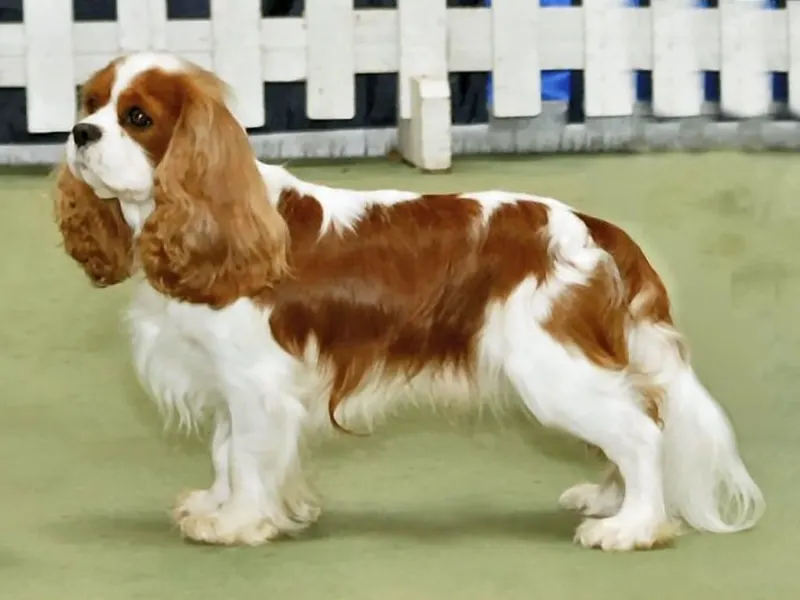
A gentle toy spaniel that combines lap-dog affection with enough energy for longer walks.

The Yorkshire Terrier was bred in the mill towns of northern England to catch rats, and it still has a terrier's courage and curiosity in a very small body.
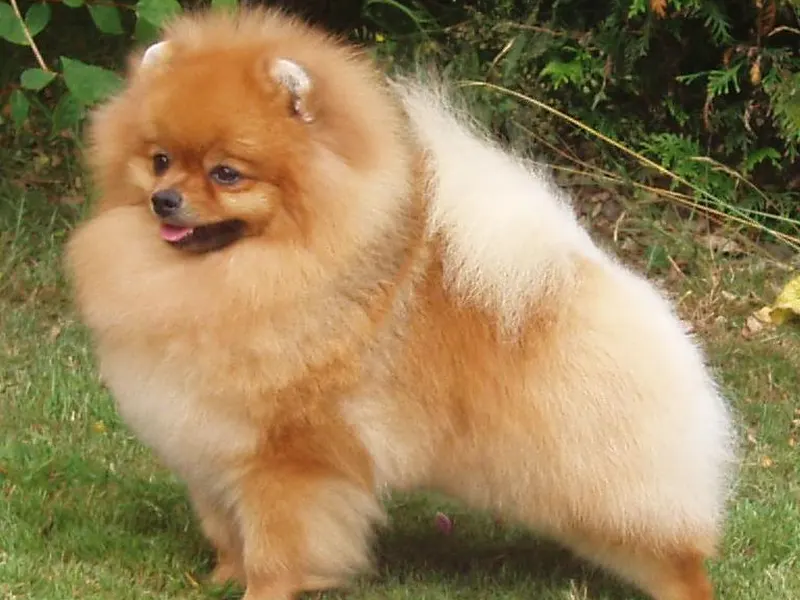
The Pomeranian is the smallest member of the German Spitz family, with a fox-like face, plumed tail and thick double coat.
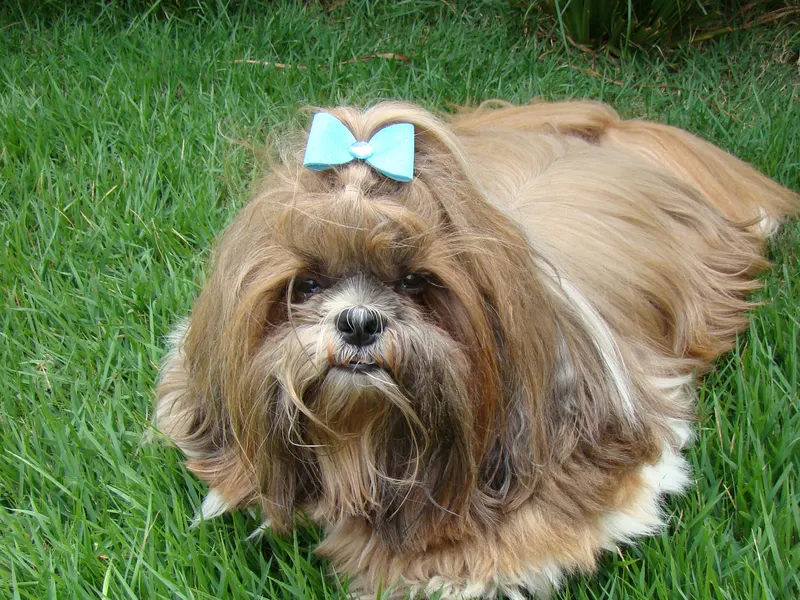
Bred to live in palaces, the Shih Tzu is friendly with everyone and content with short walks.
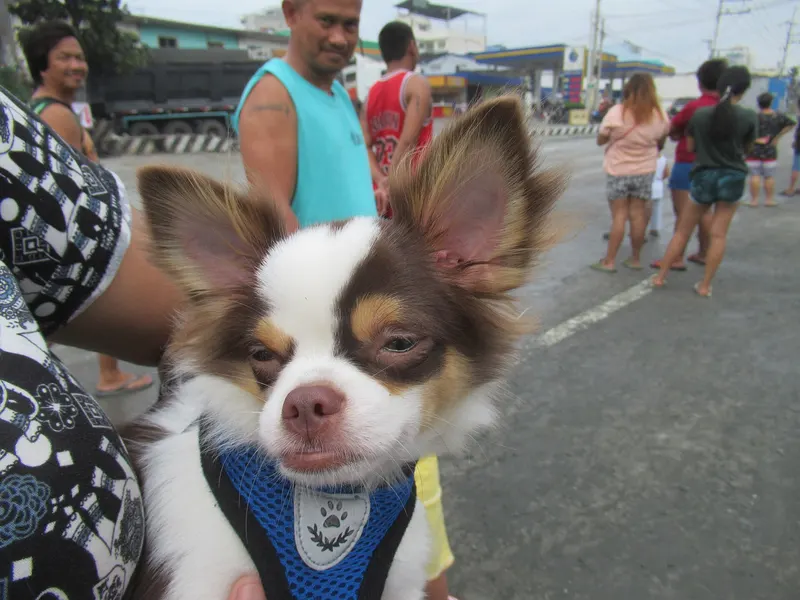
The classic toy breed: tiny, portable and devoted, but with a big-dog attitude that needs early socialization.
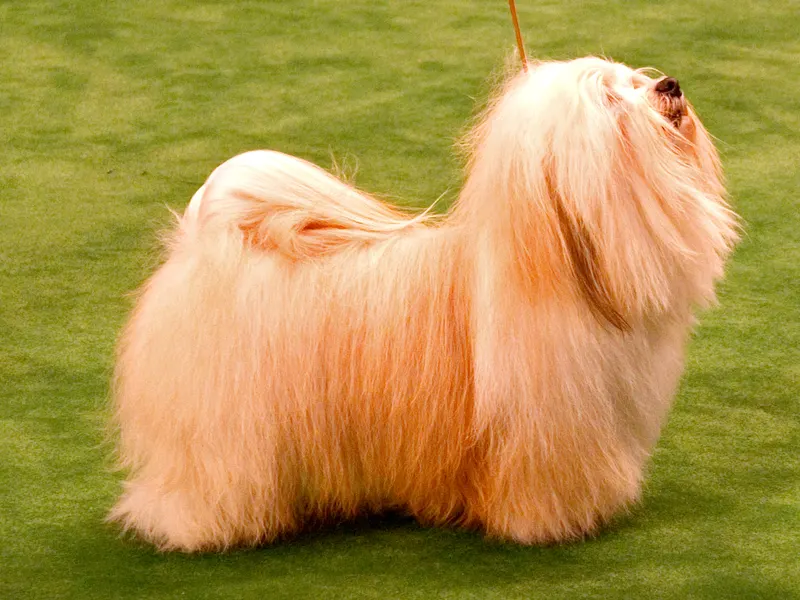
The Havanese is Cuba's national dog, a small Bichon-type companion known for its cheerful, sociable nature and springy gait.
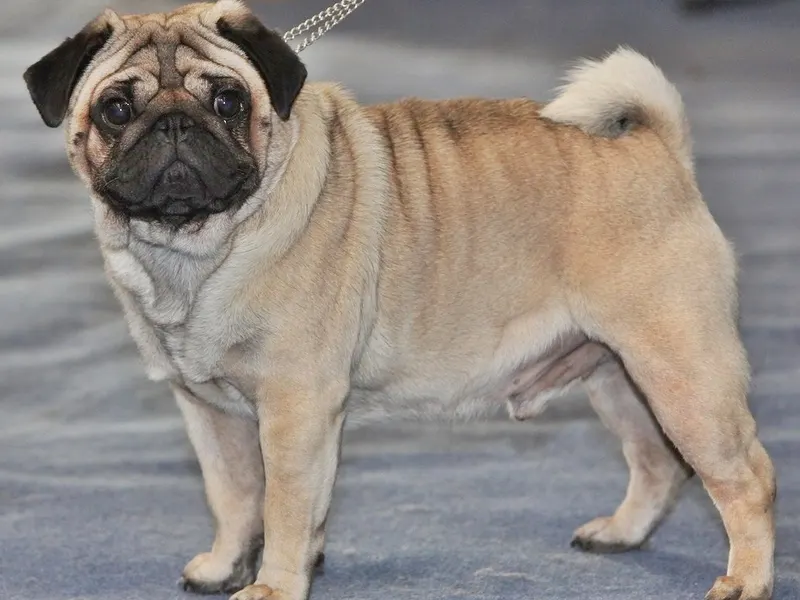
One of the oldest companion breeds, the Pug lives to be near its people and loves a good laugh.
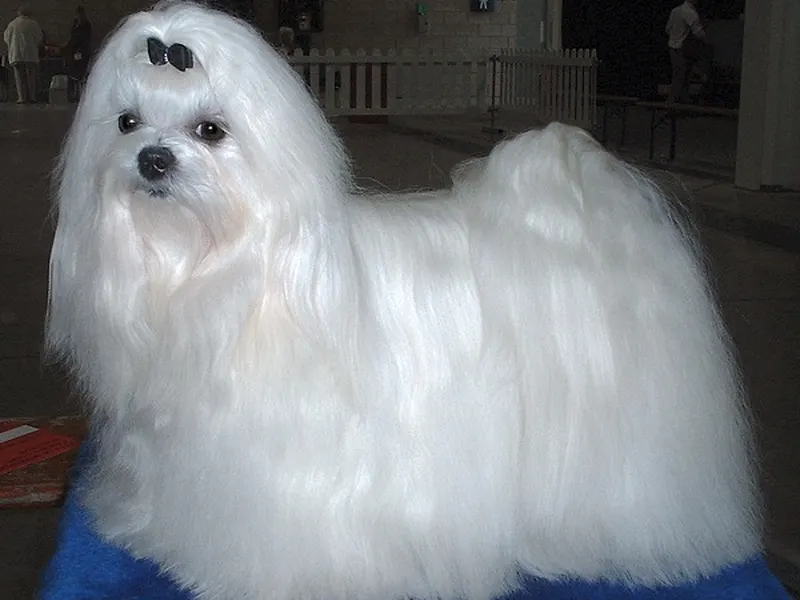
A silky white toy dog kept as a companion since antiquity, gentle and attached to its family.
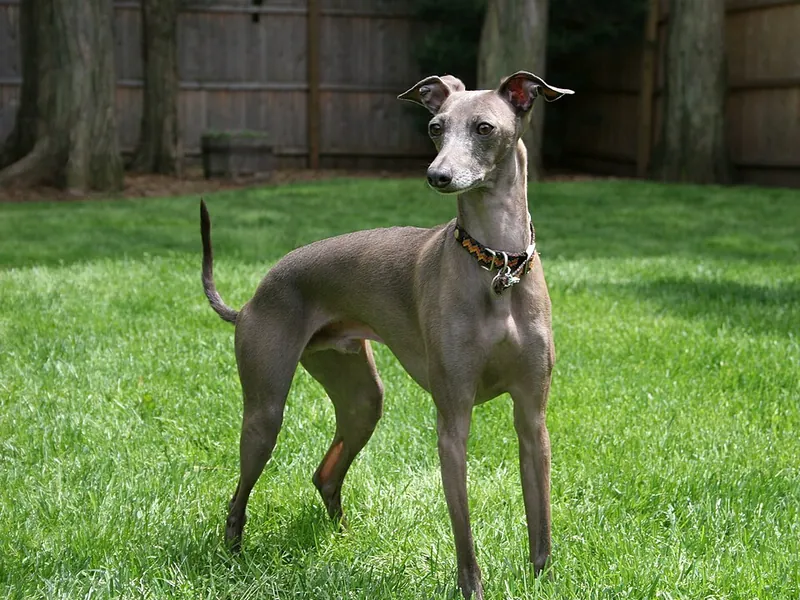
The Italian Greyhound is the smallest of the sighthounds: a graceful, affectionate companion that loves warmth and its people.
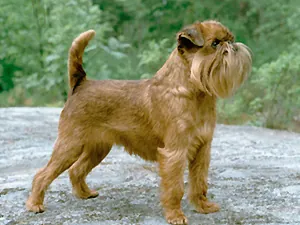
The Brussels Griffon is a small Belgian toy dog with a bearded, almost human face and a strong sense of self.
All Toy and Companion Dog Breeds A to Z
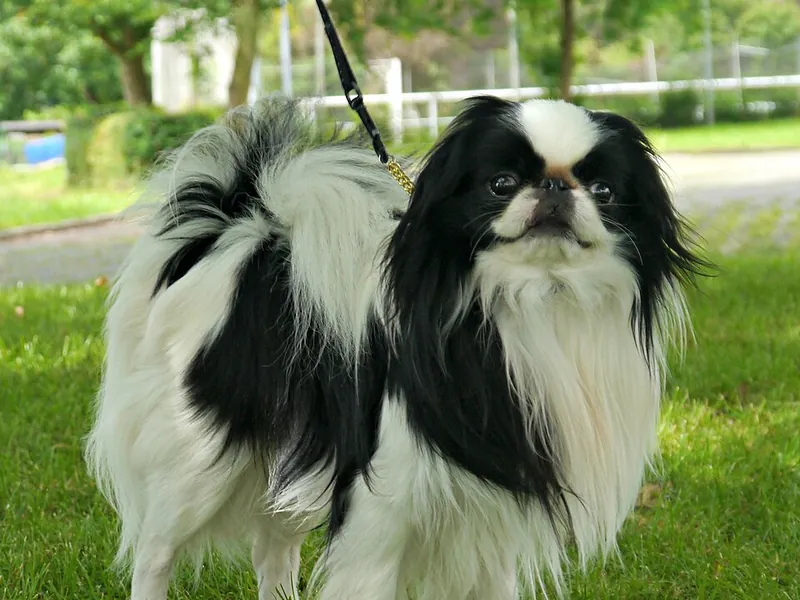
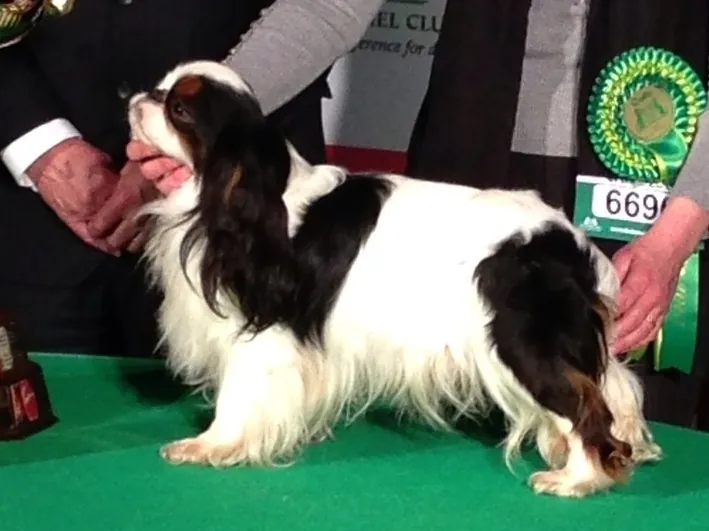
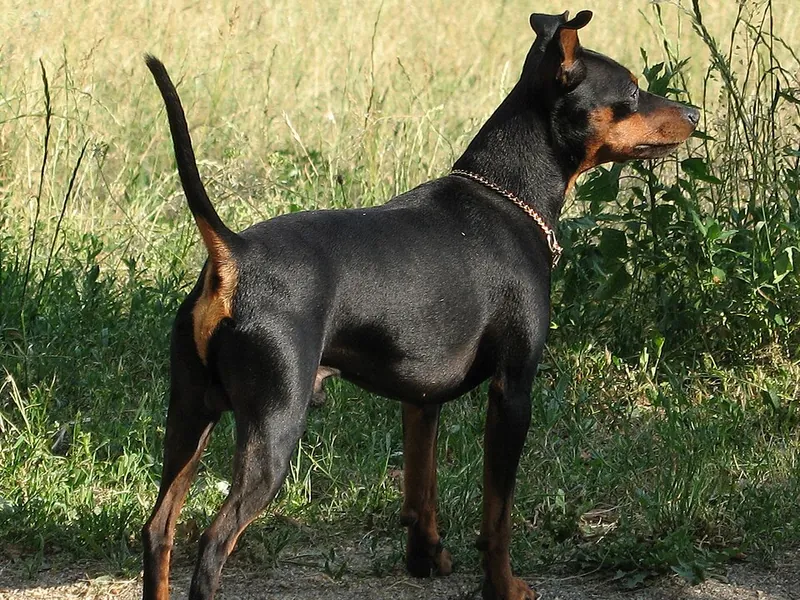
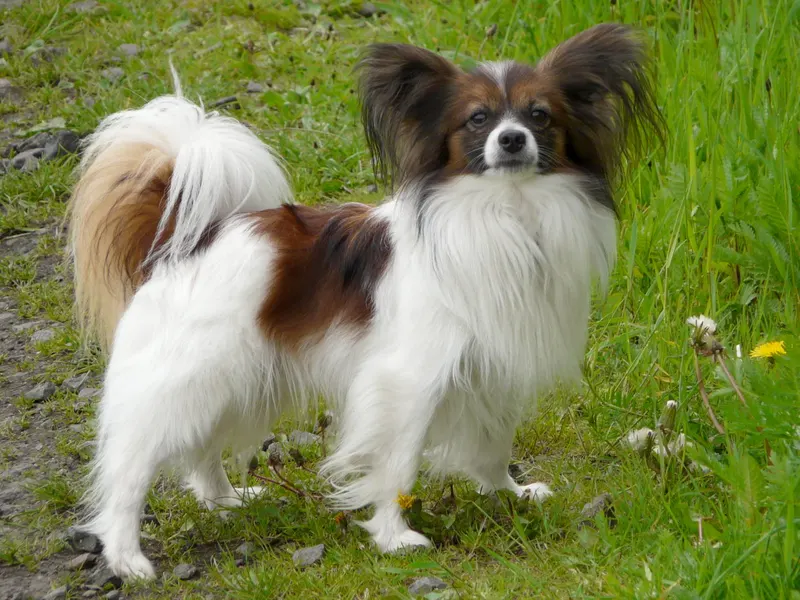
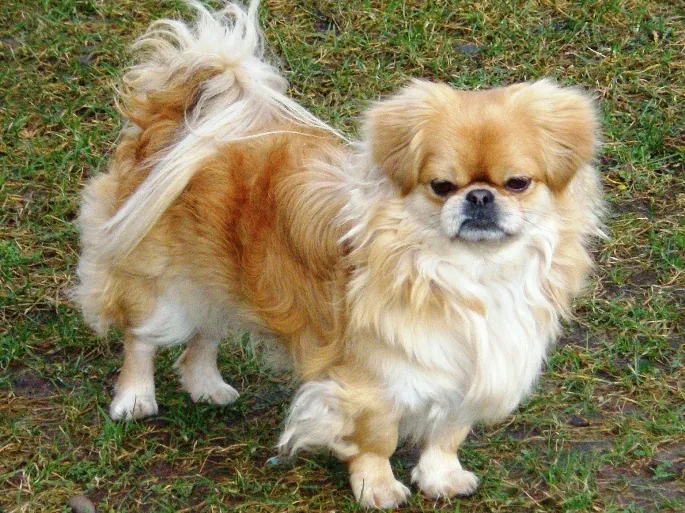
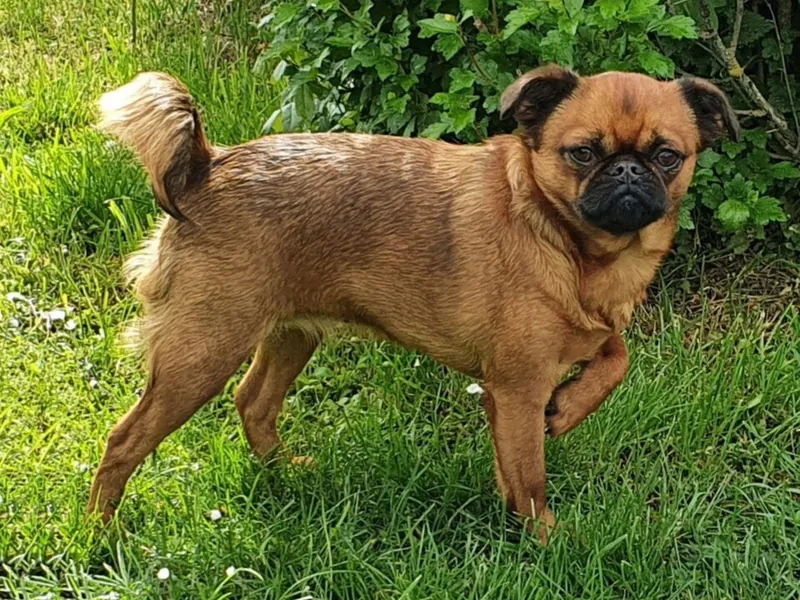
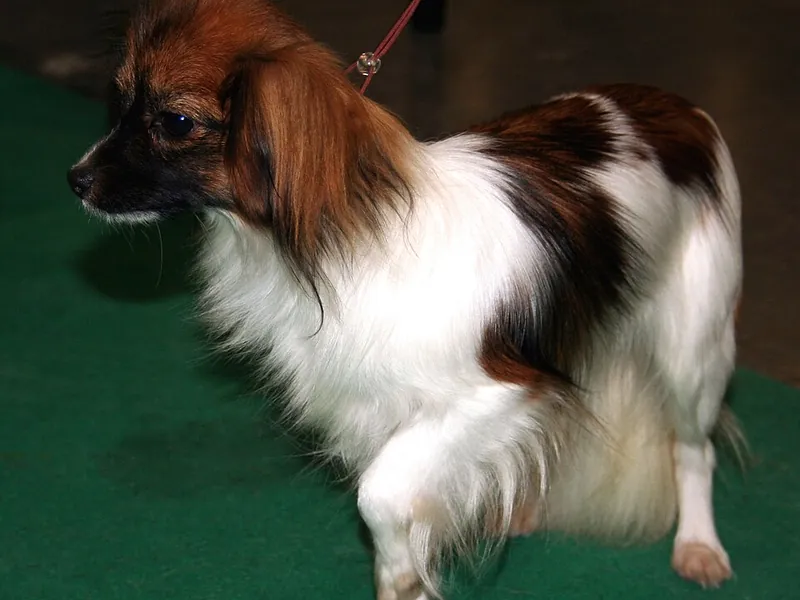
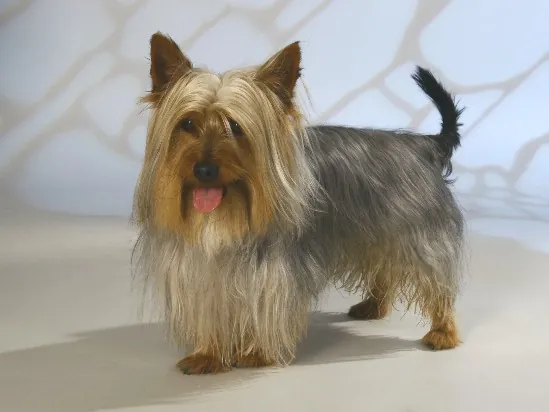
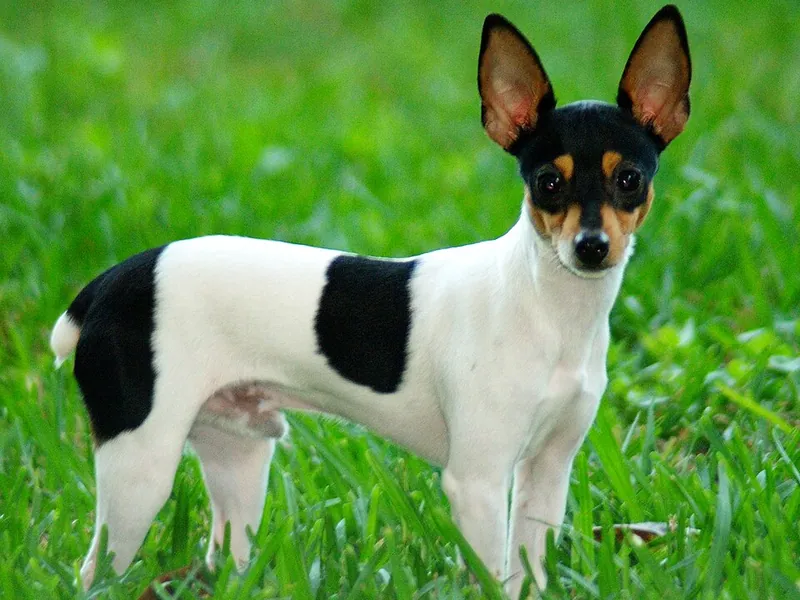
What Is a Toy Dog Breed?
Kennel clubs group breeds by purpose. The AKC Toy Group covers very small dogs such as the Chihuahua, Maltese, Papillon, Pug and Shih Tzu. The international FCI uses a broader Companion and Toy Dogs group that also includes the French Bulldog, Boston Terrier, Poodle, Lhasa Apso, Tibetan Terrier and Kromfohrländer. What unites them is purpose: these dogs were bred to be with people.
Most true toy breeds weigh under 10 to 12 pounds, while companion breeds like the French Bulldog or Tibetan Terrier can be considerably heavier.
Choosing Among Toy Breeds
- Coat: Maltese, Bolognese, Havanese, Coton de Tulear and Shih Tzu have long, low-shedding coats that tangle easily. Chihuahua, Pug and French Bulldog are short-coated but do shed.
- Activity: Papillon and Russian Toy are quick and athletic, while Pekingese and Japanese Chin are more laid back.
- Face shape: flat-faced breeds such as the Pug, French Bulldog, Pekingese and Brussels Griffon are endearing but need extra care around heat and exercise.
- Children: the smallest toys are fragile. With young kids, a sturdier companion like the Bichon Frise or Boston Terrier is often safer.
Health and Care Basics
Toy breeds often live long lives, but they share some typical issues: dental disease from crowded teeth, kneecap luxation, and in very small puppies, low blood sugar if meals are skipped. Cavalier King Charles Spaniels are known for heart valve disease, so health-tested parents matter. Flat-faced breeds can suffer from breathing problems, which is why many vets recommend looking for breeders who select for more open nostrils and a moderate muzzle.
Daily tooth brushing, a harness instead of a collar for breeds with delicate tracheas, and careful weight control go a long way.
Training a Toy Dog
Toy dogs are just as capable of learning as larger breeds. Poodles and Papillons excel at obedience and tricks. The problem is usually human: owners carry them, tolerate jumping and skip socialization. Short, positive training sessions, house training with a consistent schedule and calm exposure to visitors, sounds and other dogs help prevent fearful barking later in life.
Is a Toy Breed Right for You?
Toy breeds suit people who want a dog that is close by most of the day: retirees, remote workers and apartment dwellers often find them ideal. They travel easily, cost less to feed and are happy with short walks combined with indoor play. On the other hand, they are rarely good jogging partners, and many dislike being left alone for long hours. Breeds such as the Cavalier, Havanese and Bichon Frise are especially people-oriented and may develop separation stress without company. If you are away from home for long workdays, plan for a dog walker or daycare, or consider an adult dog that is already used to some alone time.
Frequently Asked Questions
What is the smallest toy dog breed?
The Chihuahua is generally considered the smallest breed, with many adults weighing under 6 pounds. The Russian Toy and Prague Ratter are similarly tiny.
Is a French Bulldog a toy breed?
Not in the AKC, which places it in the Non-Sporting Group. Internationally it belongs to the companion group, which is why it appears on many toy and companion lists.
Are toy breeds good with kids?
They can be, but very small dogs are easily hurt. Families with toddlers often choose sturdier companions like the Bichon Frise, Boston Terrier or Havanese.
Which toy breeds shed the least?
Toy Poodle, Maltese, Bichon Frise, Havanese, Bolognese and Coton de Tulear shed very little but need regular brushing and trims.
Are toy dogs hard to house train?
They can take longer because their bladders are small and accidents are easy to miss. A fixed schedule and frequent outings usually solve it.
Not sure which breed fits you?
Answer 8 quick questions and get breeds ranked for your home, schedule and experience.