Yorkshire TerrierTiny terrier with a confident attitude
The Yorkshire Terrier was bred in the mill towns of northern England to catch rats, and it still has a terrier's courage and curiosity in a very small body. It suits owners who want a lively, alert companion and are willing to handle regular coat care and consistent training.
Why people love the Yorkshire Terrier
- Fits easily into apartments, cars and travel carriers
- Low-shedding silky coat leaves little hair on furniture
- Alert little watchdog that notices every arrival
- Long-lived companion, often reaching 11 to 15 years
- Bold, playful character in a very portable size
Things to consider
- Quick to bark at noises, visitors and passing dogs
- House training is often slow and needs a strict routine
- Coat needs regular brushing and trims every six to eight weeks
- Prone to dental disease, collapsing trachea and luxating patellas
- Too fragile for homes with toddlers or rough play
Is this breed right for you?
10 questions · live resultHistory and Origin
In the mid-1800s, workers from Scotland moved to the textile mills of Yorkshire and brought several types of small terrier with them. Crossing these dogs produced a small, long-coated terrier used to control rats in mills and mines. A dog named Huddersfield Ben, born in 1865, became a famous show winner and sire and is often called the father of the breed.
As the breed grew smaller, it moved from working dog to fashionable companion in Victorian Britain. The AKC recognized the Yorkshire Terrier in 1885. Although the Yorkie is a terrier by ancestry and FCI grouping, both the AKC and The Kennel Club show it in the Toy Group.
Size, Coat and Colors
The Yorkshire Terrier is a compact, square toy dog standing about 7 to 8 inches at the shoulder. The AKC standard sets an upper limit of 7 lb rather than a range, and most well-bred adults weigh 4 to 7 lb. Males and females look much alike, with males sometimes a touch sturdier.
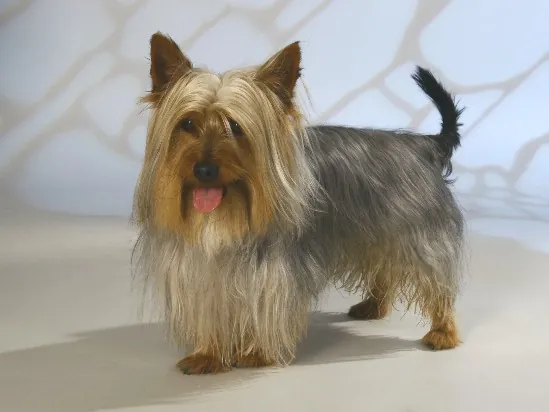
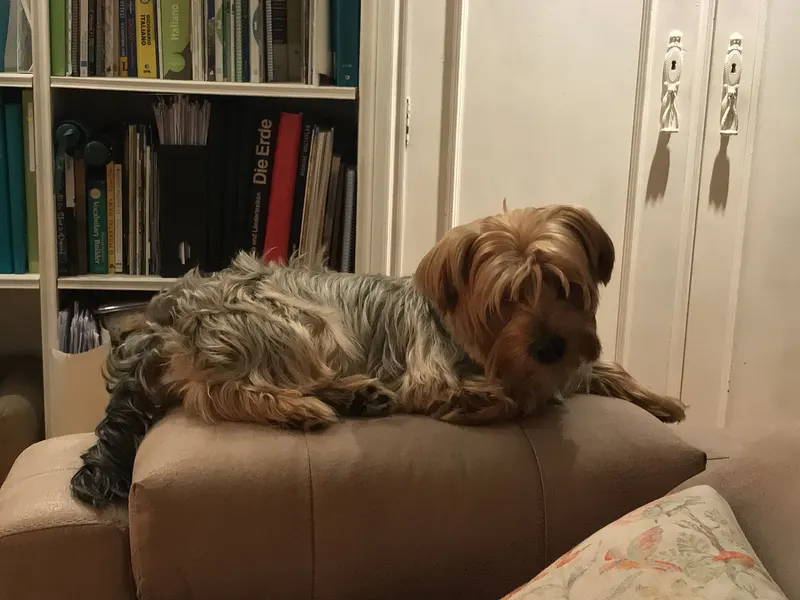
The defining feature is the single, silky coat. It has no undercoat and grows long, falling straight on each side of a parting that runs from nose to tail. The texture should be glossy and fine rather than woolly.
The classic adult color is dark steel blue on the body and tail with rich golden tan on the head, chest and legs. Puppies are born black and tan, and the blue and gold develop gradually over the first two to three years. Parti-colored dogs with large white areas do not meet the Yorkshire Terrier standard; the related Biewer Terrier is registered by the AKC as a separate breed. Very tiny dogs sold as teacup Yorkies are not a recognized variety.
Temperament and Personality
Yorkies are bold, curious and affectionate. They are loyal to their families and often behave as though they are much larger, standing their ground with bigger dogs or barking at unfamiliar sounds. Their alertness makes them effective little watchdogs.
They can be bossy with other dogs and may chase small animals, a reminder of their ratting past. With children, Yorkies do best with older kids who handle them gently. Many dislike long hours alone and may bark when bored.
Despite their size, Yorkies tend to be tough and adventurous rather than fragile in spirit. Many enjoy exploring the yard, chasing toys and following scents, and they are happiest when treated as a real dog rather than carried everywhere.
Is the Yorkshire Terrier Good for First-Time Owners?
Yes, the Yorkie can work well for a first-time owner who is prepared for its terrier attitude. Its small size makes daily handling, travel and apartment life easy.
The challenges are behavioral rather than physical. New owners often let a tiny dog get away with barking, guarding a lap or skipping potty training, and those habits stick. Treat the Yorkie like a real dog: set house rules, enroll in a puppy class and use short, reward-based sessions. Budget time for brushing and daily tooth care, and choose a breeder who health tests rather than one selling extra-small puppies.
Are Yorkies Good Apartment Dogs?
Yes, Yorkies are among the best-suited breeds for apartment living. They need modest space, get much of their exercise from indoor play and short walks, and are easy to carry in elevators and on public transport.
Barking is the main issue for neighbors. Yorkies react to hallway noises and doorbells, so teach a quiet cue early and reward calm behavior when people pass the door. An indoor potty area or a strict outdoor schedule helps with house training on upper floors. Always use a harness on walks to protect the windpipe.
Can Yorkshire Terriers Be Left Alone?
Adult Yorkies can usually handle a few hours alone, but they are not suited to full workdays on their own. They are strongly attached to their people, and many bark or fret when bored.
Build alone time gradually from puppyhood, starting with a few minutes and a chew or food puzzle. A small playpen with bedding, water and a potty pad keeps a young Yorkie safe and prevents accidents. Puppies also need frequent small meals, so they should not be left for long stretches. For longer days, a midday dog walker or daycare suited to small dogs works well.
Exercise and Training
Yorkies are energetic and enjoy daily walks, games and short explorations, around 30 to 60 minutes a day. Scent games, toy chasing and trick training satisfy their busy minds. Use a harness instead of a collar, because the breed is prone to a weakened windpipe.
Training requires consistency. Yorkies are clever but can be stubborn, and small dogs are sometimes allowed to get away with behaviors that would not be accepted in larger dogs. Short, positive sessions and clear house rules work best. House training can take time, so keep a strict schedule.
Grooming and Shedding
The fine, silky coat resembles human hair and sheds very little. A floor-length show coat requires daily brushing, oiling and wrapping, so most pet owners keep a shorter puppy cut trimmed every six to eight weeks. Brush a few times a week to prevent tangles, and tie up or trim the hair over the eyes. Daily tooth brushing is important, as Yorkies often develop tartar and lose teeth early.
Feeding and Nutrition
A Yorkie's tiny body means small changes in portion size matter. A few extra pieces of kibble or table scraps can add a noticeable share to its daily intake, so weigh or measure food and count training treats as part of the day's ration.
Puppies are at risk of low blood sugar (hypoglycemia), especially very small ones. Feed three to four small meals a day until about four to six months, and watch for weakness, trembling or unusual sleepiness, which need prompt veterinary help. Most adults do well on two meals a day.
Choose a small-breed kibble size the dog can chew comfortably. Chewing helps a little with plaque, but it does not replace daily tooth brushing in a breed that often loses teeth early.
Yorkies are among the breeds prone to bladder stones. Fresh water at all times, regular urine checks at vet visits and quick attention to straining or blood in the urine are worthwhile. If stones are diagnosed, the vet will guide any diet change. Dogs with a liver shunt also need a vet-directed feeding plan.
Use tiny, pea-sized rewards for training and break larger treats into pieces.
| Adult weight | Less active | Typical adult | Very active |
|---|---|---|---|
| 7 lb | 230 kcal | 270 kcal | 330 kcal |
Estimates use the resting energy formula veterinarians work with (70 × body weight in kg0.75) and standard activity factors. Use the feeding guide on your food as a starting point and adjust to body condition. Puppies, seniors, pregnant animals and pets that need to lose weight have different needs, so ask your vet.
Health and Lifespan
Common issues in the breed include luxating patellas, collapsing trachea, dental disease, bladder stones and eye conditions such as progressive retinal atrophy and lens luxation. Skin allergies (atopy) are also seen. Portosystemic shunts occur in small breeds including the Yorkie. Many problems are worsened by breeding for extremely small size, so avoid dogs marketed as teacup Yorkies.
The AKC recommends patella and eye exams for breeding dogs. Yorkshire Terriers typically live 11 to 15 years.
Yorkshire Terrier Price and Cost of Ownership
Typical breeder price in the US$1,200 to $3,500
A Yorkshire Terrier puppy from a reputable breeder in the US typically costs about $1,200 to $3,500. Prices vary by breeder, region and lines, and show-line pups or popular colors can sit at the top of that range. Be wary of very cheap puppies and of premium prices for teacup sizes, which are linked to more health problems.
Yorkies regularly turn up in rescues and small-breed rescue groups, and adopting an adult lets you know its size and temperament in advance.
Ongoing costs are driven by:
- Professional grooming every six to eight weeks for a puppy cut
- Dental care, including periodic cleanings under anesthesia and possible extractions
- Insurance that covers patellar luxation, tracheal collapse and liver shunt, ideally started young
- Small-dog essentials such as a harness, sweaters for cold weather and ramps or steps
Food costs are low because Yorkies eat very little.
Is the Yorkshire Terrier Right for You?
The Yorkie suits apartment dwellers, singles, couples and families with older children who want a spirited, portable companion. It adapts well to city life and travel.
It is less suited to homes with toddlers, owners who want a quiet dog or those unwilling to keep up with coat and dental care. Allergy sufferers often find the low-shedding coat easier to live with, but reactions vary.
Yorkshire Terrier Traits at a Glance
Yorkshire Terrier FAQ
Are Yorkshire Terriers good with kids?
They can be, with older children who handle them gently. Toddlers may accidentally injure such a small dog.
How big do Yorkies get?
Adult Yorkies weigh up to about 7 lb and stand around 7 to 8 inches at the shoulder.
Are Yorkies hypoallergenic?
Yorkies shed very little, and many people with mild allergies tolerate them. No dog is fully hypoallergenic, though.
Do Yorkshire Terriers bark a lot?
Yes, they are alert and quick to bark at noises or strangers. Training and enough activity help.
Are Yorkies easy to house train?
House training can be slow, as with many toy breeds. A strict schedule and rewards help.
How long do Yorkshire Terriers live?
Yorkies typically live 11 to 15 years.