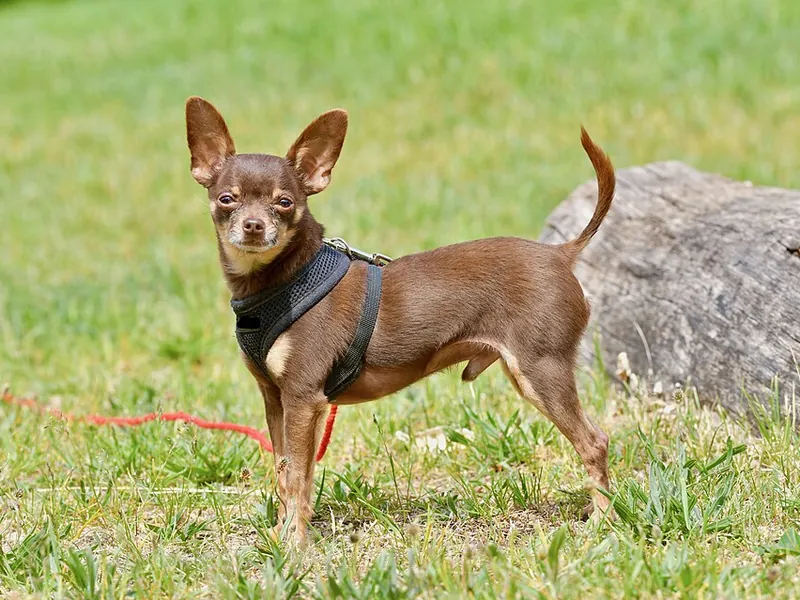
Toy Fox TerrierA pocket-size terrier with big confidence
The Toy Fox Terrier is a tiny American terrier with a sharp mind, a smooth coat and plenty of confidence. It learns quickly, loves its people and makes a lively companion for owners who enjoy an alert, busy little dog.
Why people love the Toy Fox Terrier
- Tiny, portable dog with a big personality
- One of the easiest terriers to train
- Short coat needs almost no grooming
- Long lifespan for a small breed
- Adapts well to apartments and travel
Things to consider
- Alert barking at sounds and visitors
- Fragile around rough play and toddlers
- Feels the cold and needs a sweater in winter
- Prone to dental problems and slipping kneecaps
- Strong urge to chase rodents and small pets
Is this breed right for you?
10 questions · live resultHistory and Origin
The Toy Fox Terrier was developed in the United States in the early 20th century from small Smooth Fox Terriers. To refine size and temperament, breeders added toy breeds including the Chihuahua, Manchester Terrier and Italian Greyhound.
The result was a small, quick ratter for farms and homes that also excelled as an entertainer: Toy Fox Terriers were popular with circus and vaudeville acts because they learn tricks easily. The United Kennel Club recognized the breed in 1936, and the AKC admitted it to the Toy Group in 2003.
Size, Coat and Colors
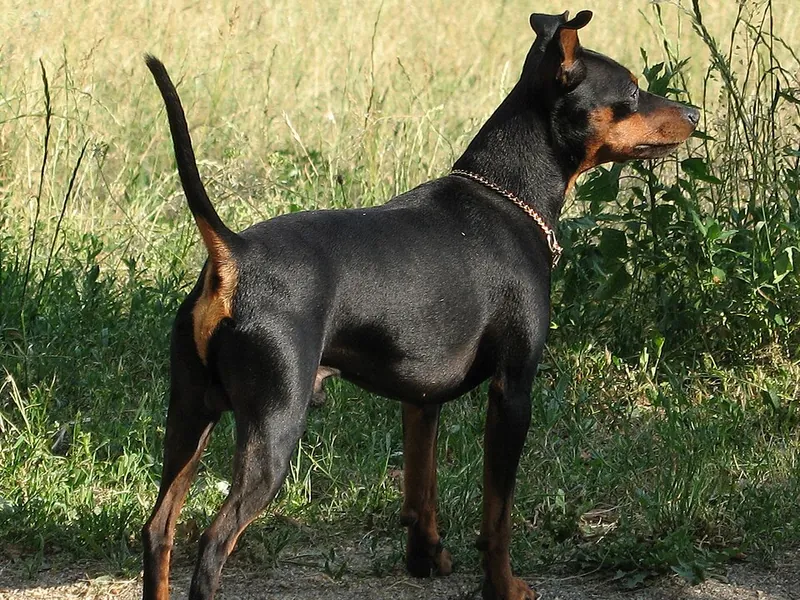
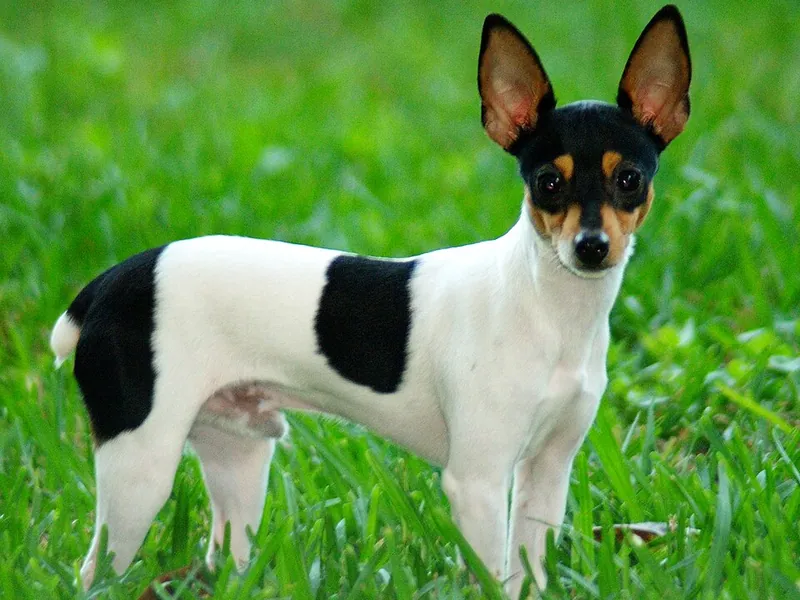
The Toy Fox Terrier is a tiny, athletic dog standing about 9 to 11 inches tall and weighing roughly 4 to 9 lb. It is square in outline, with a level back, a deep chest for its size and a high-set tail that is carried erect. The head is elegant with a moderately pointed muzzle, large, upright pointed ears and round, dark eyes. Males are usually a little sturdier than females, though size overlaps.
The coat is short, fine, glossy and smooth to the touch, slightly thicker around the neck. The body is more than half white, and the head is mostly colored. Accepted color combinations are:
- White, black and tan (tricolor).
- White, chocolate and tan.
- White and tan.
- White and black.
Body spots should be clearly defined. The breed's light frame and fine coat mean it is built for warmth indoors rather than cold outdoor weather.
Temperament and Personality
Toy Fox Terriers combine terrier grit with toy-dog devotion. They are alert, curious and quick to react, which makes them keen watchdogs that bark at unusual sounds. With their own family they are affectionate and love to be close.
They can live with other dogs and cats when introduced well, but small rodents trigger the old ratting instinct. Children need to be gentle, since a dog this size can be injured by a fall or a rough grab.
Are Toy Fox Terriers Good for First-Time Owners?
Yes, Toy Fox Terriers are often a good first dog for owners who want a small, lively companion. They are eager to learn, adapt to most homes and need little grooming.
First-time owners should plan for daily walks and play, early quiet training and consistent housetraining, which takes patience with any tiny dog. Their fragile size means they need protection from falls, rough handling and larger dogs. They also bond closely and may become clingy if never left alone. Owners who enjoy teaching tricks often find the breed especially rewarding.
Are Toy Fox Terriers Good With Cats?
Many are. Toy Fox Terriers raised with cats usually live with them peacefully, and their small size means a confident cat often holds its own. The bigger concern is rodents and small pets, which trigger the breed's ratting instinct.
For a smooth introduction, keep early meetings short and supervised, give the cat high escape routes and reward calm behavior. Stop chasing games early, because a terrier that learns cats are fun to chase may keep doing it. Hamsters, gerbils, rats and similar pets should be kept fully separated from the dog.
Can Toy Fox Terriers Be Left Alone?
They can cope with a few hours alone, but they are people-focused dogs and do not enjoy long days by themselves. Some develop barking or anxiety when alone too often.
Build alone time gradually from puppyhood, starting with short absences and a safe space such as an exercise pen with a bed, water and a puzzle toy. Small bladders also matter: young puppies need frequent bathroom breaks, and indoor potty options can help on long days. For full-time workers, a midday visit or a second pet often makes life easier for this sociable breed.
Exercise and Training
Despite their size, Toy Fox Terriers are energetic. Daily walks, indoor games and short training sessions keep them content. Many enjoy agility, trick training and rally.
They are among the easiest terriers to train: smart, food-motivated and eager to try new things. Use short, upbeat sessions. Teach a quiet cue early, because the breed's alertness can turn into frequent barking. Housetraining small dogs takes consistency; a regular schedule and frequent outings help.
Because they are so small, Toy Fox Terriers can get much of their exercise indoors with fetch, tug and puzzle toys, but they still need daily walks for sniffing and social contact. Supervise them around larger dogs at parks, since an enthusiastic play partner can injure them.
Grooming and Shedding
The short, satiny coat is easy to care for with a weekly brush or wipe with a damp cloth. It sheds a moderate amount. Most dogs are white with black, tan or chocolate markings on the head.
The thin coat offers little protection from cold, so a sweater helps in winter. Brush teeth often, since small breeds are prone to dental problems, and trim nails every few weeks.
Feeding and Nutrition
Tiny dogs need small, measured meals, and every extra treat matters. A few extra bites a day can push a Toy Fox Terrier overweight, adding strain to knees already prone to patellar luxation. Weigh food with a kitchen scale and check body condition regularly.
- Puppies under about four months should eat three or four small meals a day. Very small puppies can develop low blood sugar (hypoglycemia) if they skip meals, so watch for weakness or trembling and contact your vet if it occurs.
- Adults usually do well on two meals a day.
- Choose kibble sized for small mouths.
Dental disease is common in toy breeds because teeth are crowded in a small jaw. Daily tooth brushing and vet-approved dental chews help, and regular dental checkups are important. Food can also play a role in dental routines, but it does not replace brushing.
Toy Fox Terriers are food-motivated and learn quickly, so use tiny training treats or part of the daily ration as rewards. Keep human food and toxic items such as grapes and chocolate out of reach, since even small amounts affect a dog this size.
| Adult weight | Less active | Typical adult | Very active |
|---|---|---|---|
| 4 lb | 150 kcal | 180 kcal | 220 kcal |
| 6 lb | 210 kcal | 240 kcal | 300 kcal |
| 9 lb | 280 kcal | 320 kcal | 400 kcal |
Estimates use the resting energy formula veterinarians work with (70 × body weight in kg0.75) and standard activity factors. Use the feeding guide on your food as a starting point and adjust to body condition. Puppies, seniors, pregnant animals and pets that need to lose weight have different needs, so ask your vet.
Health and Lifespan
Toy Fox Terriers commonly live 13 to 15 years. Conditions to know about include patellar luxation (slipping kneecaps), some eye disorders and a tendency to gain weight if overfed. A form of congenital hypothyroidism occurs in the breed, and a DNA test exists for it.
The AKC also recommends routine checks of anal glands and teeth. Ask breeders for health testing results on the parents, and keep your dog slim to protect its joints.
Toy Fox Terrier Price and Cost of Ownership
Typical breeder price in the US$800 to $1,500
A Toy Fox Terrier puppy from a reputable US breeder typically costs about $800 to $1,500. Prices vary by breeder, region and lines. Ask about patellar checks, eye exams and the DNA test for congenital hypothyroidism with goiter. Be cautious with sellers advertising unusually tiny teacup dogs, which raise health concerns.
Breed rescues and small-dog rescues place Toy Fox Terriers and Toy Fox mixes, including adults and seniors.
Breed-specific ongoing costs include:
- Dental cleanings, which toy breeds often need regularly.
- Possible knee surgery for severe patellar luxation.
- Sweaters, coats and a secure carrier.
- Small-dog pet insurance to offset these risks.
Is the Toy Fox Terrier Right for You?
This breed suits people who want a small dog with real personality and a love of learning. It does well in apartments if its exercise and training needs are met.
- Good match: singles, couples, families with older children, people who enjoy training tricks or sports.
- Less ideal: homes with toddlers, owners sensitive to barking, or anyone away from home most of the day.
Toy Fox Terrier Traits at a Glance
Toy Fox Terrier FAQ
How big do Toy Fox Terriers get?
They stand about 9 to 11 inches tall and weigh roughly 4 to 9 lb.
Are Toy Fox Terriers easy to train?
Yes, they are quick learners and respond well to positive, reward-based training.
Do Toy Fox Terriers bark a lot?
They are alert and tend to bark at new sounds or visitors. Training a quiet cue early helps.
Are Toy Fox Terriers good with kids?
They can be, with older and gentle children. Their small size makes them vulnerable to rough play.
How long do Toy Fox Terriers live?
Usually 13 to 15 years.
Are Toy Fox Terriers good apartment dogs?
Yes, they adapt well to apartments thanks to their size, provided barking is managed and they get daily walks and play.