Coton de TulearMadagascar's cheerful cotton-coated companion
The Coton de Tulear is a small, cheerful companion dog from Madagascar, named for its soft, cotton-like white coat. It is affectionate, playful and friendly with almost everyone. It suits families, seniors and first-time owners who want a sociable small dog and will commit to regular grooming.
Why people love the Coton de Tulear
- Gentle, cheerful and very good with children
- Quieter than many small breeds
- Low shedding, as loose hair stays in the coat
- Very long-lived, often 15 to 19 years
- Gets along well with other dogs and cats
Things to consider
- Long coat mats quickly without daily brushing
- Dislikes long hours alone
- Several inherited conditions with DNA tests to check
- House training can require patience
- Professional grooming adds regular cost for a short trim
Is this breed right for you?
10 questions · live resultHistory and Origin
The Coton belongs to the bichon family of small white companion dogs. Its ancestors are thought to have reached Madagascar on trading ships, possibly several centuries ago, and developed around the port of Tuléar (today Toliara) on the island's southwest coast. The dogs became favorites of the Malagasy nobility, earning the nickname Royal Dog of Madagascar.
The breed was largely unknown outside the island until the 1970s, when dogs were exported to Europe and North America. The FCI recognized it in 1987, and the AKC admitted it to the Non-Sporting Group in 2014.
Size, Coat and Colors
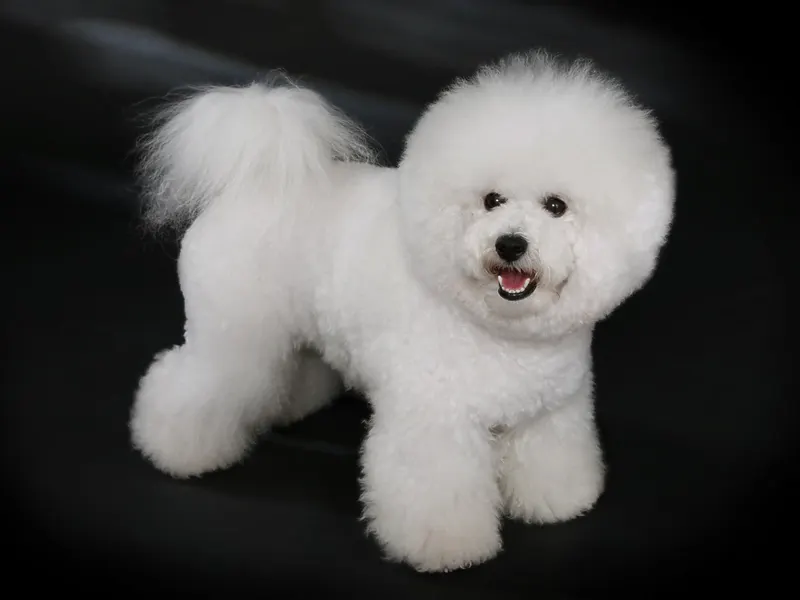
The Coton de Tulear is a small, sturdy bichon-type dog, slightly longer than tall, standing about 9 to 11 inches at the shoulder and weighing 8 to 13 lb. Under the AKC standard, males are typically about 10 to 11 inches and females about 9 to 10 inches, with males a bit heavier.
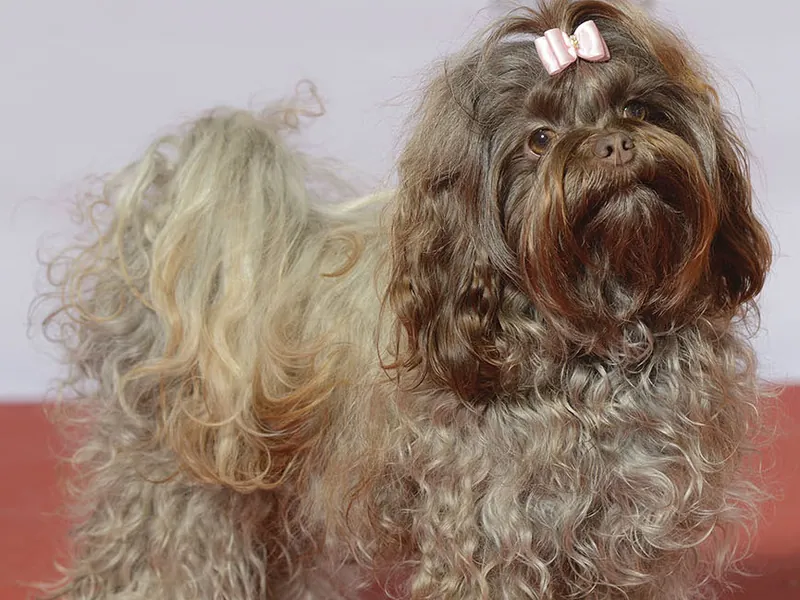
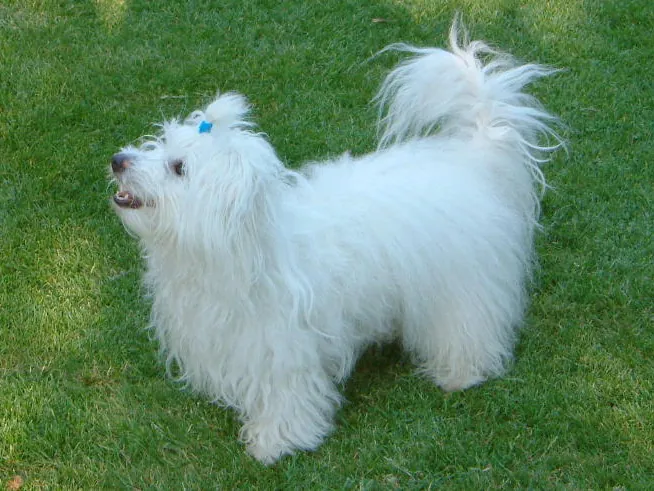
The coat is the breed's signature. It feels like cotton, as the name suggests: soft, supple and dense, standing slightly off the body rather than lying flat. It can be straight or slightly wavy but should never be wiry or curly.
Adult Cotons are white. The standard allows light gray or red-roan (tan) shading, mainly on the ears, as long as it covers only a small portion of the body. Many puppies are born with tan or gray markings that fade substantially as the adult coat comes in, so a marked puppy may become almost entirely white.
The eyes are dark and round, the nose black, and the tail is carried happily over the back. The topline arches slightly over the loin, giving the breed its distinct silhouette.
Temperament and Personality
Cotons are happy, gentle and very social. They usually get along well with children, other dogs and cats, and they enjoy being included in everything. Many have a clownish streak and like to perform tricks for attention.
They are relatively quiet dogs that tend to bark less than many small breeds. They can cope with short periods alone if trained gradually, but they are happiest with company.
Cotons often greet guests with enthusiasm and may hop on their hind legs to get attention. They adapt to different lifestyles, from busy family homes to quiet retirement settings, provided they get companionship and daily play.
Is the Coton de Tulear Good for First-Time Owners?
Yes, the Coton is one of the better small breeds for first-time owners. It is friendly, eager to please, responds well to gentle training and is rarely difficult with people or other animals.
The main commitment is the coat. Beginners often underestimate how quickly a full coat mats, particularly during the adolescent coat change. A shorter pet clip makes daily life easier. New owners should also plan for house training, which can take longer than with larger breeds, and for alone-time training so the dog is comfortable while they are out.
Are Coton de Tulears Good Apartment Dogs?
Yes, Cotons are well suited to apartment life. They are small, relatively quiet and content with a couple of walks plus indoor play.
They do have short bursts of energy, often racing around the room for a few minutes before settling, which is normal. Because barking is moderate, they tend to cause fewer problems with neighbors than many small breeds. The bigger apartment considerations are company and grooming: a Coton should not spend long days alone, and owners need a place to brush, bathe and fully dry the coat at home.
Can Coton de Tulears Be Left Alone?
Cotons can be left alone for a few hours once they are trained, but long daily absences do not suit them. They are companion dogs first and are happiest with people around.
Start alone-time practice early with short absences, a comfortable pen or room, and a food puzzle or chew. Gradually extend the time. Signs of stress include barking, whining, accidents or chewing near the door. Households where someone works from home, or where another friendly dog is present, tend to suit the breed best. For longer days, a dog walker or daycare is a good solution.
Exercise and Training
A couple of walks and some active play each day keep a Coton fit and happy. Many enjoy agility, rally and trick training, and some are energetic in short bursts, racing around the house before settling down.
Cotons are eager to please and respond quickly to gentle, positive training. House training may need patience, as with most small breeds. Socialization is usually easy because of their outgoing nature, though they can be sensitive to harsh corrections.
Grooming and Shedding
The long, soft coat is the breed's trademark and its main care requirement. It mats quickly, especially during the adolescent coat change around 8 to 14 months.
- Brush down to the skin daily, or several times a week in a short trim
- Bathe every few weeks and dry thoroughly before brushing out
- Keep hair around the eyes, feet and sanitary areas clean and trimmed
Shedding is low, since loose hair is caught in the coat. Many pet owners keep a shorter clip for easier maintenance.
Feeding and Nutrition
Cotons are small, sturdy dogs that enjoy food, so portion control is the main task. Weigh meals and keep treats small. The dense coat hides weight gain, so check by feel for the ribs and waist every few weeks.
Two breed-linked conditions affect urinary health: primary hyperoxaluria and hyperuricosuria, both of which can cause stones. DNA tests tell you a dog's status. For dogs that are affected or at risk, plenty of water matters: offer fresh water in several places, consider adding water to meals and watch for straining, frequent urination or blood in urine. If stones or an affected genotype are found, the vet will advise on diet; do not change it on your own based on general advice.
Puppies need three to four small meals a day; most adults do well on two. Because Cotons live so long, expect their needs to change in later years, with fewer calories as activity drops and more attention to dental health.
Tear staining and beard staining are often blamed on food, but watery eyes and wet facial hair are the usual causes. Keep the face clean and dry after meals.
| Adult weight | Less active | Typical adult | Very active |
|---|---|---|---|
| 8 lb | 260 kcal | 290 kcal | 370 kcal |
| 10 lb | 300 kcal | 350 kcal | 440 kcal |
| 13 lb | 370 kcal | 420 kcal | 530 kcal |
Estimates use the resting energy formula veterinarians work with (70 × body weight in kg0.75) and standard activity factors. Use the feeding guide on your food as a starting point and adjust to body condition. Puppies, seniors, pregnant animals and pets that need to lose weight have different needs, so ask your vet.
Health and Lifespan
Cotons are known for long lives, often 15 to 19 years. The UK breed club lists several inherited conditions with available DNA tests or screening:
- Luxating kneecaps and intervertebral disc disease
- Eye conditions including PRA (prcd) and canine multifocal retinopathy (CMR2)
- Bandera's neonatal ataxia, a neurological disorder in puppies
- Primary hyperoxaluria and hyperuricosuria, which can lead to bladder or kidney stones
- Von Willebrand's disease type 1, a bleeding disorder
Ask breeders which DNA tests they use and request results for both parents.
Coton de Tulear Price and Cost of Ownership
Typical breeder price in the US$2,000 to $4,000
Coton de Tulear puppies from reputable US breeders usually cost about $2,000 to $4,000, depending on breeder, region and lines. Breeders who DNA test for the breed's known conditions are worth seeking out, even if prices are higher. Cotons occasionally appear in rescues, often through small-breed or bichon-type rescue groups.
Ongoing cost drivers include:
- Professional grooming every six to eight weeks if you keep a pet trim
- Quality brushes, combs and a dryer for home care
- Insurance covering patellar luxation, back problems, eye disease and urinary stones
- Dental care in later years, given the long lifespan
Food costs are low because of the breed's small size.
Is the Coton de Tulear Right for You?
A Coton is a great choice for families with children, seniors, apartment dwellers and households with other pets. It is adaptable, friendly and often a good option for first-time owners.
Owners who dislike grooming, or who are away from home most of the day, should think carefully before choosing this breed.
Coton de Tulear Traits at a Glance
Coton de Tulear FAQ
Are Coton de Tulears hypoallergenic?
They shed very little and may suit some allergy sufferers, but no dog is fully hypoallergenic.
How big do Coton de Tulears get?
They stand about 9 to 11 inches tall and weigh around 8 to 13 lb.
Are Cotons good with kids?
Yes, they are typically gentle, playful and very good with children and other pets.
Do Coton de Tulears bark a lot?
No, they are generally quieter than many small breeds.
How long do Coton de Tulears live?
Often 15 to 19 years, making them one of the longer-lived breeds.
How often do Cotons need grooming?
A long coat needs daily brushing; a shorter trim needs brushing a few times a week and a professional clip every couple of months.