Afghan HoundAloof, glamorous sighthound of the mountains
The Afghan Hound is a tall sighthound with a long, silky coat and a proud, aloof bearing. Originally a hunting dog in the mountains of Afghanistan, it has a strong chase drive and demanding coat care, and it suits patient, dedicated owners.
Why people love the Afghan Hound
- Spectacular flowing coat and elegant look
- Calm and quiet indoors
- Affectionate and clownish with family
- Light shedding despite the long coat
- Often long-lived for a large hound
Things to consider
- Extensive grooming needs: brushing and frequent bathing
- Very strong chase drive
- Independent and selective about obedience
- Needs regular sprints in securely fenced areas
- Can be aloof with strangers
Is this breed right for you?
10 questions · live resultHistory and Origin
The Afghan Hound developed in the mountains and deserts of Afghanistan and neighboring regions, where it hunted hares, deer and other game by sight, often over rough, rocky terrain. Its long coat protected it from the cold.
Afghans were brought to Britain in the early 20th century, and the breed became popular in the 1920s and 1930s. The AKC recognized it in 1926. The breed later became a symbol of glamour in the show ring.
Local strains of these hounds differed between regions, from long-coated mountain dogs to lighter-coated desert types. In the 1920s, British breeders imported dogs from both types, and modern Afghans developed from these foundations.
Size, Coat and Colors
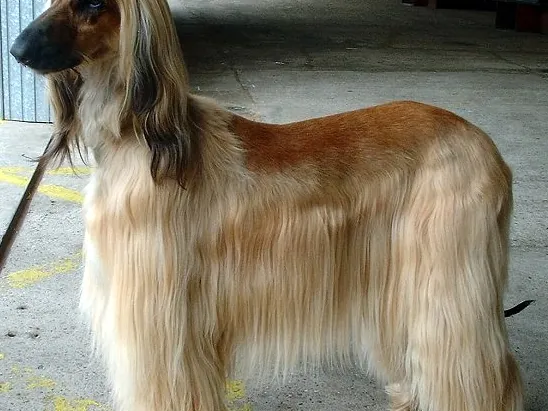
The Afghan Hound is a tall, slender sighthound with a proud head carriage and a distinctive, flowing coat. Adults stand about 24 to 28 inches at the shoulder and weigh 50 to 60 lb. Males are typically around 26 to 28 inches and heavier, females around 24 to 26 inches and more refined.
The body is built for speed and agility over rough terrain, with prominent hip bones, a level back and a long, low-set tail ending in a ring or curve. The head is long and refined, with a silky topknot.
The adult coat is long and fine on the ribs, legs and flanks, but short and close along the back (the saddle) and on the face in mature dogs. Puppy coats are shorter and fluffier and take two to three years to develop fully.
All colors are permitted in the AKC standard. Common colors include cream, red, black and tan, black, silver, blue, brindle and domino, often with a black mask. White markings, especially on the head, are considered undesirable.
Temperament and Personality
Afghans are dignified, independent and often aloof with strangers. With their family they can be affectionate and playful, sometimes clownish.
The chase drive is extremely strong. They are sensitive to harsh handling and need patient, gentle training.
Afghans are typically calm and quiet indoors, often lounging on soft furniture. Many are reserved with strangers and may ignore visitors rather than greet them. They can be playful and silly at home, and some have a mischievous streak.
They can live with cats if raised with them indoors, but outdoor cats and small animals are at risk.
Are Afghan Hounds Hard to Train?
They are not unintelligent, but they are independent. Afghans were bred to hunt by sight without human direction, so they often decide whether a cue is worth following.
Training works best with:
- Gentle, reward-based methods; harsh handling makes them withdraw.
- Short sessions with plenty of variety.
- Realistic goals, especially for off-leash recall, which is rarely reliable.
Afghans often learn household routines quickly, and many do well in lure coursing, rally and show handling. Owners who accept their independence and focus on manners rather than perfect obedience tend to enjoy them most.
Are Afghan Hounds Good for First-Time Owners?
Usually not. Afghans are sensitive, independent and require a big grooming commitment, which can overwhelm new owners.
A first-time owner considering the breed should be ready for several hours of grooming every week, regular baths, daily exercise including sprints in a securely fenced area and patient training. The breed also needs a secure environment, since it may bolt after moving animals. People who are drawn to the breed and willing to learn can succeed, especially with guidance from a breeder or local Afghan club, but many first-timers find an easier-care sighthound a better start.
Can Afghan Hounds Live in an Apartment?
Yes, they can, if their exercise needs are met. Afghans are typically calm and quiet indoors and often spend much of the day lounging on soft furniture.
The challenge is giving them regular chances to run at full speed in a large, securely fenced area, which they need several times a week. Daily walks alone are not enough. Grooming space also matters, since baths and blow-drying a long coat in a small bathroom can be a project. A house with a high, secure fence makes life easier, but many apartment Afghans thrive with committed owners.
Exercise and Training
Afghans need more than two hours of daily exercise, ideally with regular sprints in a large, securely fenced area. Lure coursing is excellent.
- Keep on leash in unfenced areas.
- Train with patience and short sessions.
- Accept that obedience will be limited.
Afghans are built for speed and agility. A daily sprint in a large enclosed area is ideal, and lure coursing is a great way to channel their chase instinct. Afghan Hounds can jump well, so fences must be high.
Training should be gentle and patient. Afghans are intelligent but independent and may choose not to respond if they see no reason.
Grooming and Shedding
The long, fine coat requires extensive care. Brush several times a week, ideally daily, and bathe regularly. Shedding is light.
Use snoods at mealtime to protect ear feathering.
Brush the coat in layers with a pin brush, working from the skin outward to prevent mats. Many owners bathe their Afghan weekly or every other week, followed by careful drying.
Afghans grow a full adult coat by around two to three years old. Puppy coats are shorter and easier to care for, which can give new owners a false sense of the grooming commitment.
Feeding and Nutrition
Afghans are naturally lean, and their prominent hip bones are a breed feature, not a sign of underfeeding. The long coat hides body shape, so check condition by touch: ribs should be easy to feel, with a little cover over the spine and hips.
- Feed adults two meals a day; puppies three or four.
- Use snoods or tie back ear feathering at meals to keep the coat clean.
- Feed in a quiet place, since some Afghans are sensitive and picky eaters.
As a deep-chested breed, the Afghan is at risk of bloat (gastric dilatation-volvulus). Feed smaller meals, avoid exercise for an hour before and after eating and learn the warning signs.
Puppies should grow steadily without being pushed. Panosteitis, a painful bone inflammation in young, fast-growing dogs, is reported in the breed. A balanced large-breed puppy diet fed in measured amounts is sensible.
Coat quality reflects nutrition. A complete, balanced diet provides the protein and fatty acids needed for a healthy long coat. Hypothyroidism, reported in the breed, can cause weight gain and coat changes, so mention such changes to your vet.
| Adult weight | Less active | Typical adult | Very active |
|---|---|---|---|
| 50 lb | 1,020 kcal | 1,160 kcal | 1,450 kcal |
| 60 lb | 1,170 kcal | 1,330 kcal | 1,670 kcal |
Estimates use the resting energy formula veterinarians work with (70 × body weight in kg0.75) and standard activity factors. Use the feeding guide on your food as a starting point and adjust to body condition. Puppies, seniors, pregnant animals and pets that need to lose weight have different needs, so ask your vet.
Health and Lifespan
Afghans typically live 12 to 18 years. Conditions include hypothyroidism, necrotizing myelopathy, sensitivity to anesthesia, bloat, panosteitis and laryngeal paralysis.
Choose breeders who screen for these issues.
Afghans may be sensitive to certain anesthetics, so inform your vet before any procedure. Juvenile cataracts are also reported in the breed. Learn the signs of bloat, such as restlessness and unproductive retching.
Afghan Hound Price and Cost of Ownership
Typical breeder price in the US$1,500 to $3,000
An Afghan Hound puppy from a reputable US breeder typically costs about $1,500 to $3,000. Prices vary by breeder, region and lines, and puppies from top show lines may cost more. Ask breeders about hypothyroidism screening, eye exams for juvenile cataracts and any history of necrotizing myelopathy in the lines.
Afghan rescue groups place adults and seniors, which can be a good option for people who want to skip the long puppy-coat stage.
Breed-specific ongoing costs include:
- Professional grooming, or high-quality brushes, shampoos and a powerful dog dryer.
- Tall, secure fencing.
- Insurance that covers bloat surgery and anesthesia monitoring.
- Lure coursing or sighthound event fees.
Is the Afghan Hound Right for You?
The Afghan suits experienced, patient owners with time for grooming and exercise and a securely fenced yard.
It is not ideal for families with small pets or those wanting an obedient dog.
Afghans can adapt to apartment life if they get enough exercise, but a house with a securely fenced yard is better. They are often happier with owners who appreciate their independence and do not expect a highly obedient dog.
Afghan Hound Traits at a Glance
Afghan Hound FAQ
How big do Afghan Hounds get?
They stand about 24 to 28 inches tall and weigh 50 to 60 lb.
Do Afghan Hounds shed?
Lightly, but their coat needs extensive grooming.
Are Afghan Hounds hypoallergenic?
No dog is fully hypoallergenic, but Afghans shed little.
How long do Afghan Hounds live?
Typically 12 to 18 years.
Are Afghan Hounds good family dogs?
They can be affectionate with their family but are often aloof and prefer calm households with older children.
How much exercise does an Afghan Hound need?
More than two hours a day, including off-leash sprints in a securely fenced area.