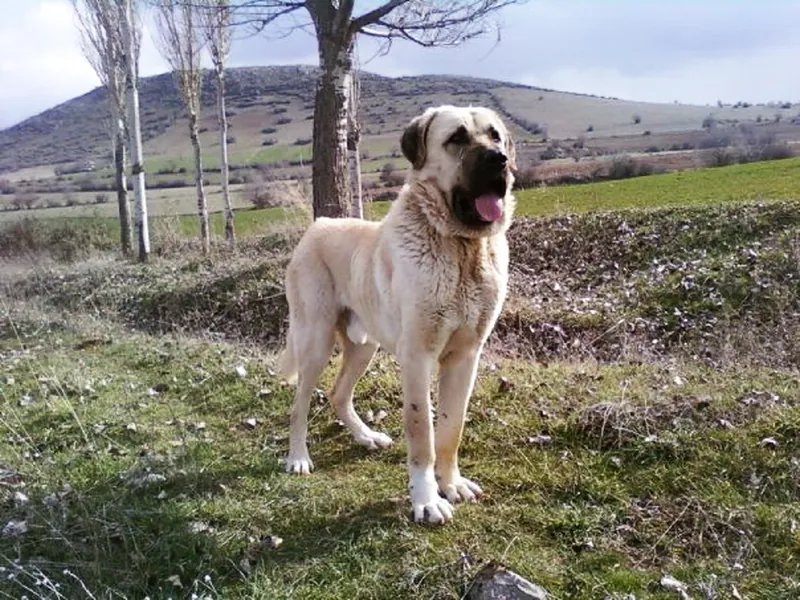
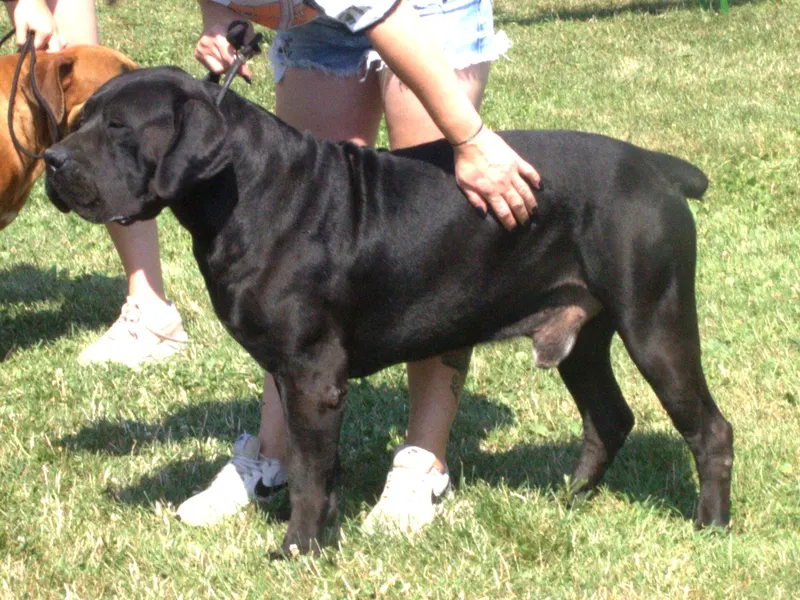
Shiloh ShepherdA giant, gentle American shepherd
The Shiloh Shepherd is a large American shepherd breed developed from German Shepherd lines, with the goal of a bigger, steadier and calmer companion. It is described as intelligent, gentle with children and protective of its home. It suits experienced owners with space, time and budget for a giant dog.
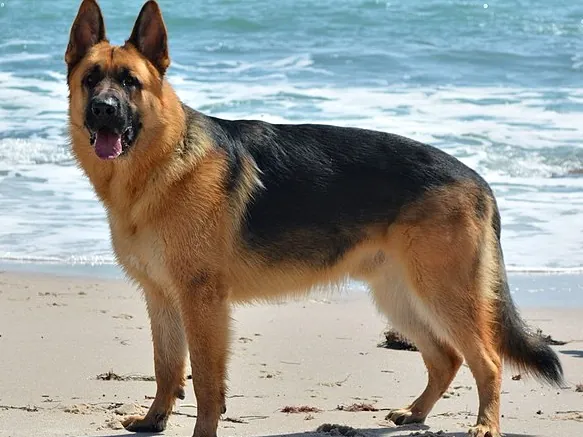
Why people love the Shiloh Shepherd
- Calm, gentle and devoted to family
- Patient with children when well socialized
- Trainable and responsive to positive methods
- Less reactive than many working-line shepherds
- Impressive, striking giant shepherd
Things to consider
- Giant size brings high food and vet costs
- Needs careful growth management as a puppy
- Heavy shedding, especially the plush coat
- Bloat risk as a deep-chested giant
- Not AKC recognized; breeders are few
Is this breed right for you?
10 questions · live resultHistory and Origin
The breed was developed by Tina Barber of Shiloh Kennels in New York from the 1970s onward. She aimed to recreate the larger, steadier type of German Shepherd she remembered, selecting for size, sound hips and calm temperament, and some outside blood such as Alaskan Malamute was added.
In 1990, Shilohs were registered separately from German Shepherds. Today they are kept by breed clubs and registries, but are not recognized by the AKC or The Kennel Club.
Barber's goal was a family companion and working dog with a gentle temperament, rather than a show or sport dog. The breed's supporters later split into several clubs and registries, which is why breed standards and numbers vary somewhat between organizations.
Size, Coat Types and Colors
The Shiloh Shepherd is a giant shepherd standing about 26 to 32 inches and weighing roughly 79 to 161 lb. It is larger and heavier-boned than the German Shepherd, with a straighter back rather than a sharply sloping topline. The head is broad and wedge-shaped, with large, erect ears. The tail is long and bushy, carried low.
Two coat types are recognized. The smooth coat is a dense double coat of medium length. The plush coat is longer and softer, with a fuller mane, feathering on the legs and a heavily plumed tail.
Colors include black with tan, red, cream or silver, dark and light sables, golden and silver shades, and solid black. Solid white is not accepted. Males are clearly larger and heavier than females, with a more massive head and fuller coat, while females are more refined. Size varies between lines, so ask breeders about the size of parents and relatives.
Temperament and Personality
Shilohs are described as calm, intelligent and devoted. Breed clubs emphasize patience with children and a gentle nature. They are protective of their family and can be reserved with strangers.
Shilohs are typically people-oriented and dislike being left out of family life. With proper socialization they tend to be stable and less reactive than many working-line shepherds, but their size means any guarding behavior must be well managed.
Early exposure to visitors, children, other dogs and everyday environments is essential for a confident adult.
Are Shiloh Shepherds Good for First-Time Owners?
Shiloh Shepherds can suit committed first-time owners, but their giant size makes them more demanding than a typical family dog.
Their calm, gentle temperament and responsiveness to training are big advantages. The challenges are practical: a fast-growing puppy needs careful exercise, leash manners must be solid before the dog becomes very large, and the costs of a giant breed are substantial. A first-time owner who enrolls in classes early, socializes widely and has space and budget for a big dog can do well.
Can Shiloh Shepherds Be Left Alone?
Shiloh Shepherds can stay alone for a few hours once trained, but they are people-oriented and dislike being left out of family life.
Start alone-time training early with short absences and build up gradually. Exercise and a chew or puzzle toy before leaving help the dog settle. Long workdays alone may lead to boredom, barking or chewing. Plan for a dog walker or daycare if you work full-time away from home.
A Shiloh that is tired and mentally satisfied before you leave usually rests calmly.
Can Shiloh Shepherds Live in an Apartment?
Apartment life is difficult for a Shiloh Shepherd, and a house with a yard suits the breed much better.
Shilohs are calm indoors, but their giant size, heavy shedding and need for daily walks make small spaces challenging. Stairs are hard on growing and aging joints, and many buildings have weight limits for pets. If you do choose apartment life, a ground-floor unit or elevator and nearby green space are important.
Teaching calm indoor manners early also makes a big dog easier to live with in limited space.
Exercise and Training
Daily walks and play keep a Shiloh fit, along with mental work. They are trainable with positive methods.
- Socialize early and often.
- Teach leash manners before the dog becomes large.
- Protect growing joints from excessive exercise.
Shilohs need moderate daily exercise, such as one to two long walks and play sessions, plus regular training. They often do well in obedience, tracking, therapy work and cart pulling once fully grown.
- Use reward-based training; they are sensitive and responsive.
- Avoid forced running or jumping until growth plates close.
- Give mental work to prevent boredom.
Grooming and Shedding
Shilohs come in smooth and plush coats, both with a dense undercoat that sheds. Brush at least weekly, more during seasonal sheds.
The plush coat needs more frequent brushing than the smooth. During seasonal coat blows, daily brushing with an undercoat rake helps. Bathe occasionally and keep nails short to protect the feet of this heavy dog.
Feeding and Nutrition
Feeding a Shiloh Shepherd puppy correctly is essential. Giant puppies grow very fast, and too much energy or calcium can contribute to joint problems. Feed a diet formulated for large or giant-breed puppies, keep the puppy lean and avoid supplements unless your vet advises them. Shilohs may keep filling out until two or three years of age.
- Feed puppies three or four meals a day and adults at least two meals.
- Bloat is a risk in this deep-chested giant. Avoid vigorous exercise for about an hour before and after meals, discourage gulping and ask your vet about preventive gastropexy.
- Use small treats in training and count them in the daily ration.
Keep adults lean to protect hips and elbows, which the breed's founders aimed to improve. Check body condition by feel, especially in plush-coated dogs, whose long hair hides weight changes. Some Shiloh lines report digestive sensitivities; introduce diet changes gradually and ask breeders about digestive issues in their lines.
| Adult weight | Less active | Typical adult | Very active |
|---|---|---|---|
| 79 lb | 1,440 kcal | 1,640 kcal | 2,050 kcal |
| 120 lb | 1,960 kcal | 2,240 kcal | 2,810 kcal |
| 161 lb | 2,450 kcal | 2,800 kcal | 3,500 kcal |
Estimates use the resting energy formula veterinarians work with (70 × body weight in kg0.75) and standard activity factors. Use the feeding guide on your food as a starting point and adjust to body condition. Puppies, seniors, pregnant animals and pets that need to lose weight have different needs, so ask your vet.
Health and Lifespan
Health screening is important. The founding program aimed for better hips than in many German Shepherd lines, and hip X-rays are part of breed recommendations. As a giant, deep-chested dog, the Shiloh may be at risk of bloat. Reliable lifespan data is limited.
Ask breeders for hip and elbow evaluations of both parents and information on any digestive issues in their lines. Keep the dog lean, feed measured meals rather than one large meal, and avoid vigorous exercise right after eating.
Shiloh Shepherd Price and Cost of Ownership
Shiloh Shepherds are rare, and there is no well-established typical puppy price. Prices vary by breeder, region and lines. Puppies come mainly from breed-club registered breeders, so research the club and ask about hip and elbow evaluations of both parents. Expect waiting lists.
Adoption is occasionally possible through breed clubs and large-breed rescues, which sometimes place Shilohs or Shiloh mixes.
Size drives most ongoing costs. Food for a giant dog is a major expense, and medications, anesthesia and surgery are priced by weight. Bloat surgery and treatment of hip or elbow dysplasia can be very expensive. Insurance premiums for giant breeds are higher, but coverage is worth comparing early. Budget also for a giant crate, an orthopedic bed and possibly a larger vehicle.
Is the Shiloh Shepherd Right for You?
The Shiloh suits families with space, experience of large dogs and time to train. It is not suited to apartments or owners unprepared for the cost and handling of a giant breed.
Expect higher costs for food, veterinary care and equipment than for medium-sized dogs. Puppies come from breed-club breeders, so research the club and the breeder's health testing carefully.
Shiloh Shepherd Traits at a Glance
Shiloh Shepherd FAQ
How big do Shiloh Shepherds get?
They stand about 26 to 32 inches tall and weigh roughly 79 to 161 pounds, depending on sex and line.
Is a Shiloh Shepherd a German Shepherd?
No. It was developed from German Shepherd lines but is now bred as a separate breed.
Are Shiloh Shepherds good with kids?
Breed clubs describe them as calm and gentle with children, but supervision is always important with a dog this size.
Do Shiloh Shepherds shed?
Yes, they have a double coat that sheds, especially seasonally.
Is the Shiloh Shepherd recognized by the AKC?
No. It is registered with breed-specific registries.
How much exercise does a Shiloh Shepherd need?
Moderate daily exercise, such as long walks and play, plus regular training.