Scottish DeerhoundThe quiet royal dog of Scotland
The Scottish Deerhound is a giant, rough-coated sighthound bred to course red deer in the Scottish Highlands. Indoors it is quiet, polite and gentle; outdoors it needs room to gallop. It suits calm homes with space and an owner prepared for the costs and short lifespan of a giant breed.
Why people love the Scottish Deerhound
- Gentle, dignified and affectionate giant
- Quiet; rarely barks
- Calm and well-mannered indoors
- Harsh coat needs surprisingly little grooming
- Usually friendly with visitors and other dogs
Things to consider
- Short lifespan of about 8 to 11 years
- Very strong chase drive; recall unreliable
- Giant size raises costs for food, vet care and transport
- Bone cancer, heart disease and bloat risks
- Needs secure, large space to run
Is this breed right for you?
10 questions · live resultHistory and Origin
Large rough-coated hounds have hunted deer in Scotland for many centuries. During the Middle Ages and later, ownership was largely limited to nobility, and the Deerhound became known as the royal dog of Scotland. Hunters released one or two hounds to run down and hold a red deer stag.
The spread of firearms and the decline of the clan system reduced the breed, but in the 19th century enthusiasts including the brothers Archibald and Duncan McNeill revived it. Sir Walter Scott, who kept a Deerhound named Maida, helped make it famous. The AKC recognized the breed in 1886.
Size, Coat and Colors
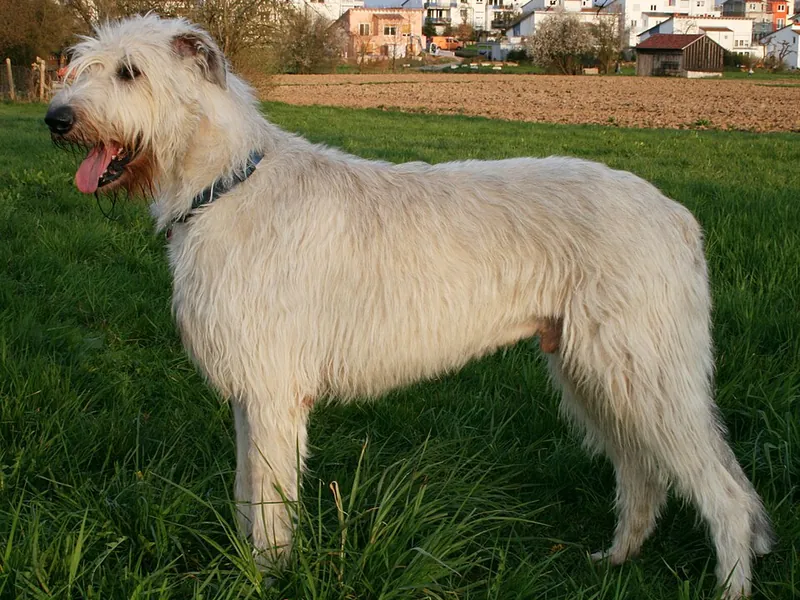
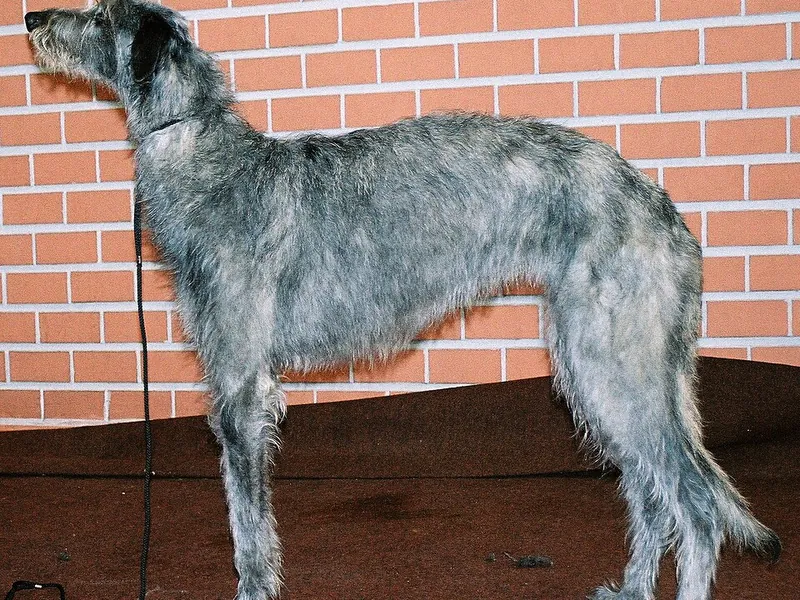
The Scottish Deerhound is one of the tallest dog breeds, built like a rough-coated Greyhound with more bone and substance. Adults stand about 28 to 32 inches at the shoulder and weigh roughly 80 to 110 lb. Under the AKC standard, males should be at least 30 inches and 85 to 110 lb, while females are at least 28 inches and 75 to 95 lb, so the sex difference is significant.
The head is long and flat with a pointed muzzle, dark eyes and small, soft, folded ears. The body is long with a deep chest, arched loin and long, sweeping tail.
The coat is harsh and wiry, 3 to 4 inches long on the body and softer on the head, chest and belly. A mustache and beard of slightly softer hair give the face its expression.
Accepted colors include:
- Dark blue-gray, the most preferred
- Darker and lighter grays
- Brindle and yellow
- Sandy red or red fawn, especially with black points
A white chest and toes are permitted, but large white markings are undesirable.
Temperament and Personality
Deerhounds are gentle, dignified and friendly. They rarely bark, generally welcome visitors and are not guard dogs. With their families they are affectionate and enjoy lounging on soft furniture.
Their chase drive is very strong. A running cat, rabbit or deer can trigger a sprint at full speed. Many live peacefully with cats they were raised with indoors but not with unfamiliar small animals outside.
Deerhounds are generally calm in the house and have a reputation for good manners, although their height puts kitchen counters and tables within easy reach. They are sensitive dogs and can become withdrawn if handled harshly or left alone for long periods.
Can Scottish Deerhounds Live in Apartments?
It is possible but not ideal. Indoors, Deerhounds are calm and often sleep much of the day, so they are less disruptive than their size suggests.
The challenges are space and exercise. A Deerhound needs room to stretch out on soft bedding, and its long tail can clear coffee tables. It also needs regular full-speed runs in a large, securely fenced area, which apartment owners must arrange through fields or lure coursing clubs. Stairs and elevators can be awkward with a giant dog. A house with a large, tall-fenced yard is a much better fit.
Can Scottish Deerhounds Be Left Alone?
Adult Deerhounds can usually manage moderate periods alone, as they are calm and enjoy sleeping. They are sensitive dogs, however, and long, daily absences can make them withdrawn or anxious.
Exercise the dog before leaving and provide soft, comfortable bedding. Many Deerhounds enjoy the company of another sighthound, which can help with time alone. Puppies need more attention and should not be left for long periods. Households where someone is home often, or where the dog has a canine companion, suit the breed best.
Are Scottish Deerhounds Good for First-Time Owners?
They can be for first-time owners who are well prepared. Deerhounds are gentle, calm and generally easy to live with indoors.
The challenges are practical: managing a giant sighthound's chase drive, providing secure running space, handling giant-breed health issues and budgeting for higher costs. Recall is never reliable around wildlife. First-time owners who connect with breed clubs and experienced owners, and who understand sighthound care, often do well. Those unprepared for the short lifespan and health risks may find the breed emotionally and financially demanding.
Exercise and Training
Adult Deerhounds need daily walks plus regular chances to run flat out in a securely fenced field. Lure coursing is a popular outlet. Puppies grow fast and should not be over-exercised or allowed to jump excessively while their joints develop.
Deerhounds are sensitive and respond well to gentle, positive training, though their independent nature means recall will never be fully reliable around wildlife. Teach good leash manners early, before the dog becomes very strong.
Many Deerhound owners exercise their dogs in pairs or with another sighthound, which encourages play running in a safe enclosure. Avoid strenuous exercise for at least an hour before and after meals to reduce the risk of bloat.
Grooming and Shedding
The harsh, wiry coat, usually blue-gray, gray or brindle, needs surprisingly little work. A weekly brush and comb removes loose hair and prevents tangles in the beard and furnishings. Some owners pluck stray long hairs for neatness. Shedding is moderate. Provide thick, raised bedding to protect bony elbows and hips.
Feeding and Nutrition
Deerhound puppies grow rapidly, and controlled growth is essential. Feed a diet formulated for large or giant breeds and keep puppies lean, avoiding excess weight that stresses developing joints. Limit forced exercise and excessive jumping while bones mature.
As a deep-chested giant, the Deerhound has a significant bloat risk:
- Feed two or three smaller meals a day.
- Avoid strenuous exercise for at least an hour before and after meals.
- Use a slow-feeder bowl if your dog eats quickly.
- Know the warning signs and have an emergency vet plan.
Adult Deerhounds should be lean, with the last ribs and hip bones faintly visible, as is normal for sighthounds. Owners new to sighthounds often overfeed.
Cystinuria, which can cause bladder stones, is listed in the breed. If your dog is diagnosed, follow your vet's dietary and hydration plan. Fresh water should always be available.
| Adult weight | Less active | Typical adult | Very active |
|---|---|---|---|
| 80 lb | 1,450 kcal | 1,660 kcal | 2,070 kcal |
| 110 lb | 1,840 kcal | 2,100 kcal | 2,630 kcal |
Estimates use the resting energy formula veterinarians work with (70 × body weight in kg0.75) and standard activity factors. Use the feeding guide on your food as a starting point and adjust to body condition. Puppies, seniors, pregnant animals and pets that need to lose weight have different needs, so ask your vet.
Health and Lifespan
Deerhounds live around 8 to 11 years, according to the AKC. Important health issues include:
- Bone cancer (osteosarcoma)
- Dilated cardiomyopathy: regular heart screening is recommended
- Bloat (gastric dilatation-volvulus)
- Cystinuria, which can cause bladder stones
- Liver shunt in puppies and Factor VII deficiency, a clotting disorder with a DNA test
Like other sighthounds, Deerhounds can be sensitive to some anesthetics. Choose breeders who screen for liver shunt and Factor VII and heart test parents.
Scottish Deerhound Price and Cost of Ownership
Typical breeder price in the US$1,500 to $2,500
A Scottish Deerhound puppy from a reputable US breeder typically costs about $1,500 to $2,500. Prices vary by breeder, region and lines. The breed is rare, so waiting lists are common. Ask for liver shunt testing in puppies, Factor VII DNA results and heart screening of the parents, and look for breeders who track longevity in their lines.
Sighthound rescues occasionally place Deerhounds and Deerhound crosses.
Breed-specific ongoing costs include:
- Large volumes of food for a giant breed
- Higher vet costs, including medication doses based on size
- Insurance covering bone cancer, heart disease and bloat
- Large vehicles or crates for transport
- Lure coursing or secure field rental for running
Is the Scottish Deerhound Right for You?
A Deerhound is a good match if you want a peaceful, affectionate giant and can provide a home with room to stretch out, a fenced area for running and a budget for giant-breed care. It does well with respectful children.
It is not suited to small apartments, homes with small pets that could be chased, or owners who need a guard dog or a long-lived companion.
Scottish Deerhound Traits at a Glance
Scottish Deerhound FAQ
How big do Scottish Deerhounds get?
They stand about 28 to 32 inches tall and weigh roughly 80 to 110 lb.
How long do Scottish Deerhounds live?
Usually 8 to 11 years.
Are Scottish Deerhounds good family dogs?
Yes, they are typically gentle and calm, but their size and chase drive need to be managed.
Do Deerhounds bark?
Very little; they are among the quietest large breeds.
What is the difference between a Deerhound and an Irish Wolfhound?
The Deerhound is lighter and more racy in build, while the Irish Wolfhound is heavier and more powerful; the two share ancestry.
Do Scottish Deerhounds shed?
They shed moderately and need only weekly brushing.