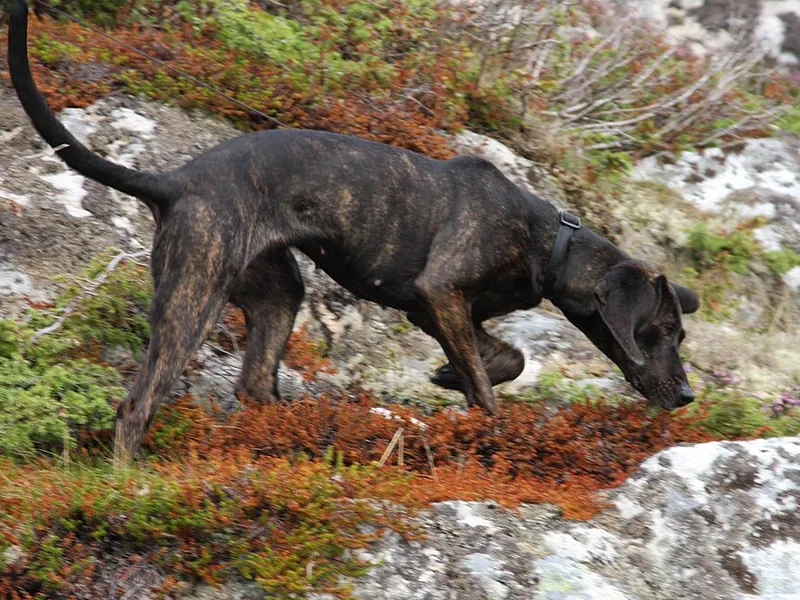
WhippetRacing sprinter, couch-loving companion
The Whippet is a medium-sized sighthound built for explosive speed, yet at home it is one of the quietest, most cuddly dogs you can share a sofa with. It suits people who can offer safe off-leash running space and a warm lap, and who can manage a strong instinct to chase anything small that moves.
Why people love the Whippet
- Calm, quiet and affectionate indoors
- Very low grooming needs and little doggy odor
- Usually gentle with children and polite with visitors
- Excels at lure coursing, racing and agility
- Long-lived for a medium-sized dog
Things to consider
- Strong instinct to chase small animals at high speed
- Recall unreliable in open spaces
- Thin skin tears easily and feels the cold
- Sensitive to harsh handling and noisy households
- Needs safe, fenced space for regular sprints
Is this breed right for you?
10 questions · live resultHistory and Origin
The Whippet was developed in northern England during the 1800s, largely by working-class people in the mining and mill towns of Lancashire, Yorkshire and the North East. Breeders crossed small Greyhounds with terriers and other quick dogs to produce a fast, affordable dog for catching rabbits and for straight-track racing, sometimes called rag racing because the dogs sprinted toward a waved cloth.
Its nickname, the poor man's racehorse, reflects that history. The Kennel Club recognized the breed in 1890 and the AKC followed in 1888, making it one of the earlier sighthounds recognized in the US. Today Whippets still compete in lure coursing, straight racing and agility, but most live as family companions.
Size, Build and Colors
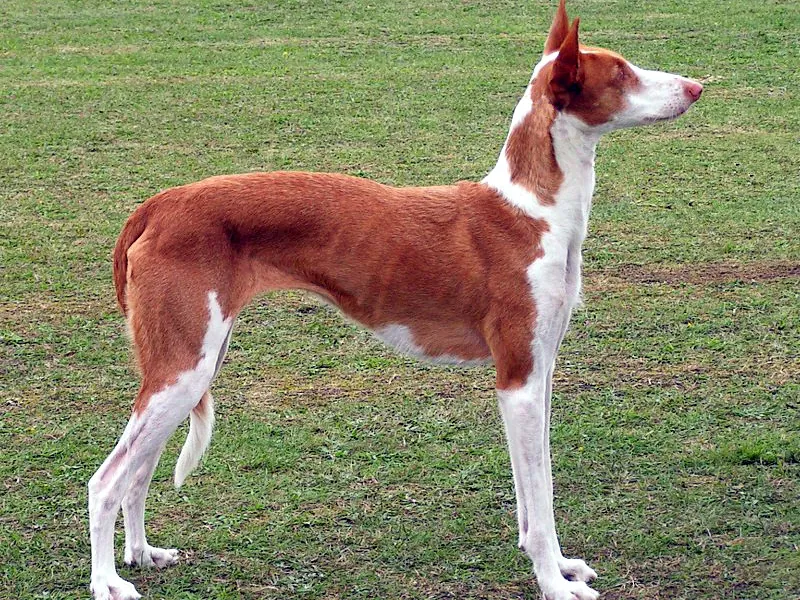
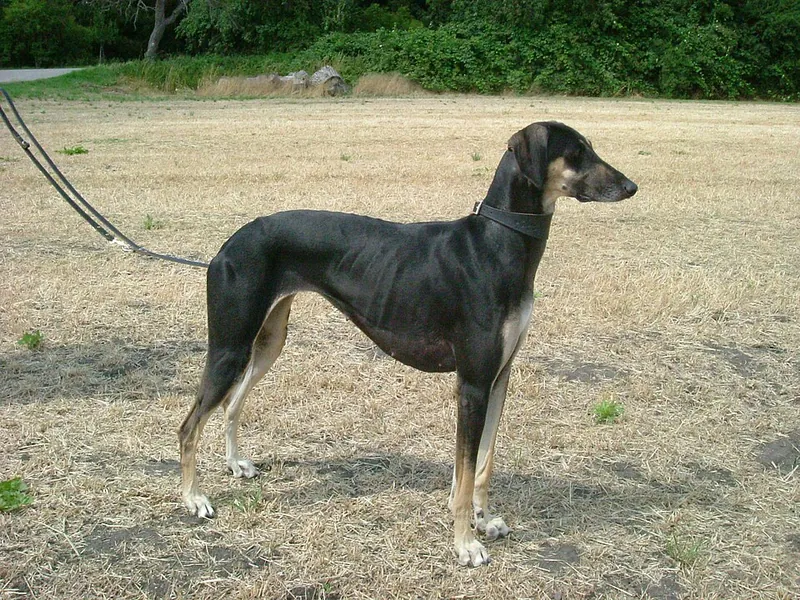
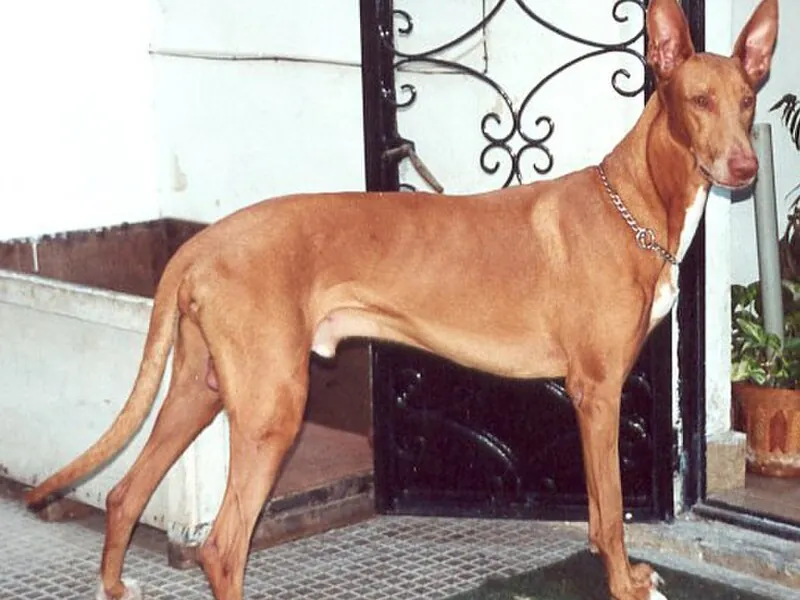
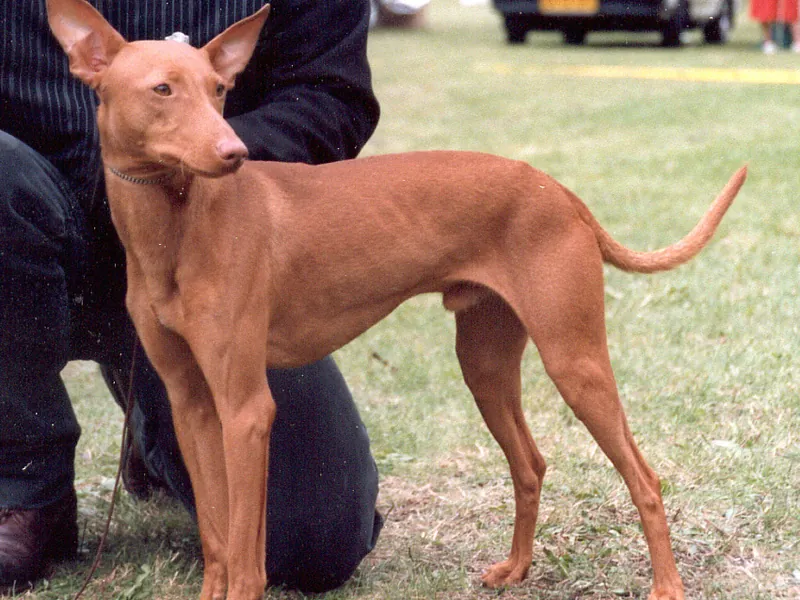
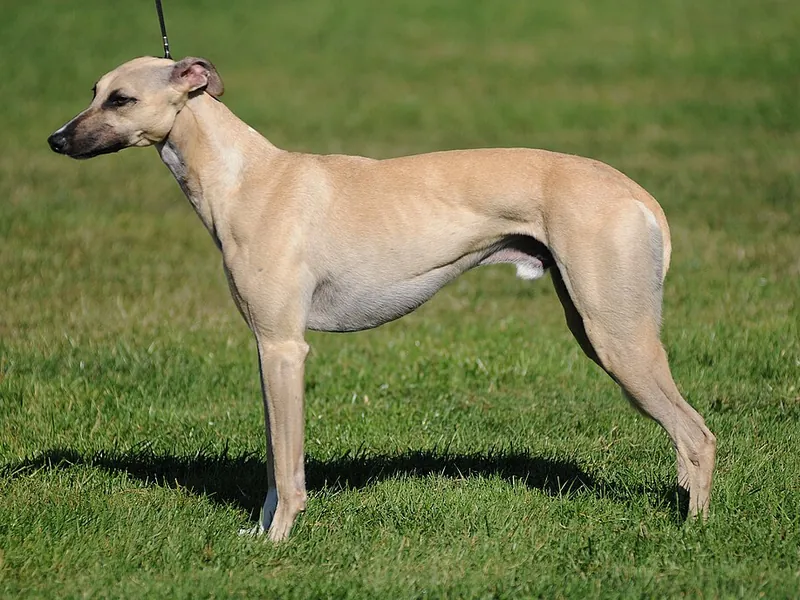
The Whippet looks like a smaller Greyhound: a lean, athletic sighthound with a long, narrow head, deep chest, tucked-up waist and a graceful arch over the loin. Adults stand about 17 to 20 inches at the shoulder and weigh 24 to 40 lb. Males are taller and heavier than females. American show lines often run a little taller than British ones, because the AKC standard sets a slightly higher range than The Kennel Club.
The coat is short, fine and close, which shows off the muscle and bone structure. Whippets come in almost any color and pattern, including:
- Brindle, fawn, red and blue
- Black, white and cream
- Parti-colors, with white combined with any of the above
Rose-shaped ears fold back at rest and lift when the dog is alert. The long tail tapers to a point and is carried low. A fit Whippet usually shows the outline of a few ribs and hip bones, which is normal for the breed rather than a sign of underfeeding.
Temperament and Personality
Indoors, Whippets are calm, affectionate and often surprisingly lazy. Many seek out blankets, burrow under covers and lean against their people. They are usually polite with visitors and rarely noisy, so they are not natural guard dogs.
Outdoors the picture changes. Whippets hunt by sight, and a fleeing squirrel, cat or rabbit can trigger a chase in a split second. At top speed they cover ground faster than almost any breed of their size, so recall can fail even in well-trained dogs. They often live peacefully with a family cat they were raised with but may still chase unfamiliar ones.
They are sensitive dogs that dislike harsh handling and loud, chaotic households, and many do not enjoy long hours alone.
Are Whippets Good with Cats?
Many Whippets live peacefully with cats, but success depends on early exposure and the individual dog's prey drive.
A Whippet puppy raised with a calm cat usually learns that the cat is family. Adult Whippets with no cat experience are more of a gamble, and a running cat can trigger the chase instinct in a split second. Keep introductions slow and controlled, provide high escape routes for the cat, and do not leave them alone together until you are confident. Even Whippets that ignore their own cat often chase unfamiliar cats outdoors, so neighborhood cats are a separate issue.
Can Whippets Be Left Alone?
Adult Whippets can usually manage a few hours alone, but long daily absences do not suit this sensitive, people-oriented breed.
Many Whippets sleep most of the day once they have had a good run, which helps. Build up alone time gradually from puppyhood, and give the dog a warm, cushioned bed, since Whippets dislike hard surfaces and cold. Some develop separation stress and may whine or chew. A morning sprint or walk before you leave, a food puzzle and a midday visit from a walker make a big difference. Some owners find that a second Whippet provides helpful company.
Are Whippets Good for First-Time Owners?
Yes, Whippets are often a good choice for first-time owners who can provide safe running space and gentle training.
They are quiet, clean, easy to groom and rarely confrontational. What new owners need to plan for is the chase instinct: never trust recall near roads, and find a fenced field or dog park where the dog can sprint. Whippets are sensitive, so a calm voice and reward-based training work far better than corrections. They also need coats in cold weather and soft bedding to protect their thin skin and bony frame.
Exercise and Training
A Whippet does not need hours of jogging. What it does need is a daily chance to gallop flat out, ideally in a securely fenced field or a rented dog park, plus one or two brisk on-leash walks. Lure coursing and straight racing clubs are excellent outlets.
- Keep sessions short and upbeat; repetitive drills bore this breed.
- Reward-based training works best. Harsh corrections make Whippets shut down.
- Work on recall from puppyhood, but assume the chase instinct can override it.
- Use a martingale collar or well-fitted harness, as their narrow heads can slip standard collars.
Grooming and Shedding
The short, fine coat is about as easy as it gets: a weekly wipe with a rubber mitt or soft cloth removes loose hair, and Whippets have little doggy odor. Shedding is light to moderate.
The flip side is very thin skin and little body fat. Whippets feel the cold, so a coat or sweater helps in winter, and they nick and tear their skin more easily than heavier breeds. Check for small cuts after off-leash runs, and keep nails short to protect their fine toes.
Feeding and Nutrition
Whippets naturally carry very little body fat, so owners sometimes worry they look too thin. A healthy Whippet shows a defined waist and the outline of two or three ribs. Ask your vet to show you the right condition for your dog rather than comparing it with other breeds.
Because they burn energy in short bursts and have little fat reserve, many Whippets do best on two meals a day. Some are picky eaters, while others become food-driven once they learn to counter surf. Feed a complete diet appropriate for the dog's age and activity, and adjust portions for racing or coursing seasons.
- Avoid sprinting right before or after a meal; allow about an hour either side.
- Use small, soft treats for recall training, as Whippets respond well to high-value rewards.
- Raised bowls are a matter of comfort, not a proven bloat prevention, so ask your vet.
Puppies grow quickly but should stay lean, since excess weight puts stress on fine bones and joints.
| Adult weight | Less active | Typical adult | Very active |
|---|---|---|---|
| 24 lb | 590 kcal | 670 kcal | 840 kcal |
| 32 lb | 730 kcal | 830 kcal | 1,040 kcal |
| 40 lb | 860 kcal | 980 kcal | 1,230 kcal |
Estimates use the resting energy formula veterinarians work with (70 × body weight in kg0.75) and standard activity factors. Use the feeding guide on your food as a starting point and adjust to body condition. Puppies, seniors, pregnant animals and pets that need to lose weight have different needs, so ask your vet.
Health and Lifespan
Whippets are generally a robust breed with a typical lifespan of 12 to 15 years. Issues seen in the breed include eye conditions and heart disease, and older dogs can develop arthritis. Their thin skin is prone to tears and lacerations, and toe and leg injuries can occur during high-speed running, especially on uneven or hard ground.
Like other sighthounds, Whippets can react differently to some anesthetic drugs because of their lean build, so make sure your vet knows the breed. Choose a breeder who screens parents for heart and eye problems.
Whippet Price and Cost of Ownership
Typical breeder price in the US$1,500 to $3,000
A Whippet puppy from a reputable US breeder typically costs about $1,500 to $3,000. Prices vary by breeder, region and lines, and many litters are reserved in advance. Responsible breeders screen for heart and eye conditions and can test for the MDR1 gene variant, which affects drug sensitivity in some Whippets.
Breed rescues and sighthound groups occasionally place adult Whippets, and retired racing or coursing dogs are sometimes available.
Breed-specific ongoing costs include:
- Coats and sweaters for cold weather.
- Vet care for skin tears and sprint injuries.
- Fees for a secure fenced field, coursing or racing clubs.
- Pet insurance for injuries and dental care.
Food and grooming costs are low for a dog of 24 to 40 lb.
Is the Whippet Right for You?
A Whippet suits calm households that want a quiet, clean, affectionate dog and can provide regular safe sprinting space. It adapts well to apartments if daily exercise is reliable.
It is less suited to homes with free-roaming small pets, to owners who want a dog to run off leash on open trails, or to people away from home all day.
Whippet Traits at a Glance
Whippet FAQ
Are Whippets good family dogs?
Yes, most Whippets are gentle and tolerant with considerate children. Their thin skin and fine bones mean very rough play is best avoided.
How big do Whippets get?
Whippets typically stand 17 to 20 inches at the shoulder and weigh 24 to 40 lb, with males larger than females.
Can Whippets be off leash?
Only in securely fenced areas. Their instinct to chase moving animals is strong, and at full speed they can be out of earshot within seconds.
Do Whippets shed?
They shed lightly. The short coat needs only a weekly rub with a grooming mitt.
Are Whippets good apartment dogs?
Often yes. They are quiet and calm indoors, provided they get a daily run in a safe space.
How long do Whippets live?
Most Whippets live 12 to 15 years.