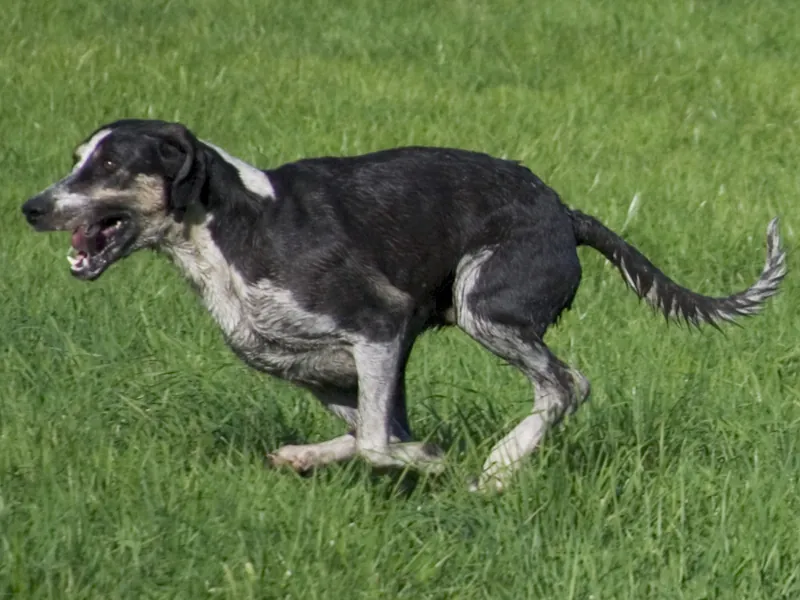
Chien d'ArtoisRare northern French hound with a fine nose
The Chien d'Artois is a rare, sturdy scenthound from northern France, valued for a fine nose and a clear voice when working in a pack. Balanced and affectionate at home, it needs lots of exercise and hunting-style work to stay content.
Why people love the Chien d'Artois
- Calm and affectionate indoors once exercised
- Usually sociable with other dogs
- Short, thick coat needs only weekly brushing
- Excellent nose and stamina for tracking work
- Friendly with visitors, not nervous
Things to consider
- Needs long, varied daily exercise
- High prey drive with cats and small pets
- Strong, carrying voice when bored or working
- Very rare, puppies mostly from France
- No reliable lifespan or health data
Is this breed right for you?
10 questions · live resultHistory and Origin
The breed comes from the Artois and Picardy regions of northern France and is among the older French hound types, thought to descend partly from the St. Hubert hound. It was known for hunting hare and also used on larger game.
English hound crosses in the 19th century diluted the original type, and the breed nearly disappeared in the early 20th century. Enthusiasts revived it later in the 20th century, but numbers remain small. It is recognized by the FCI.
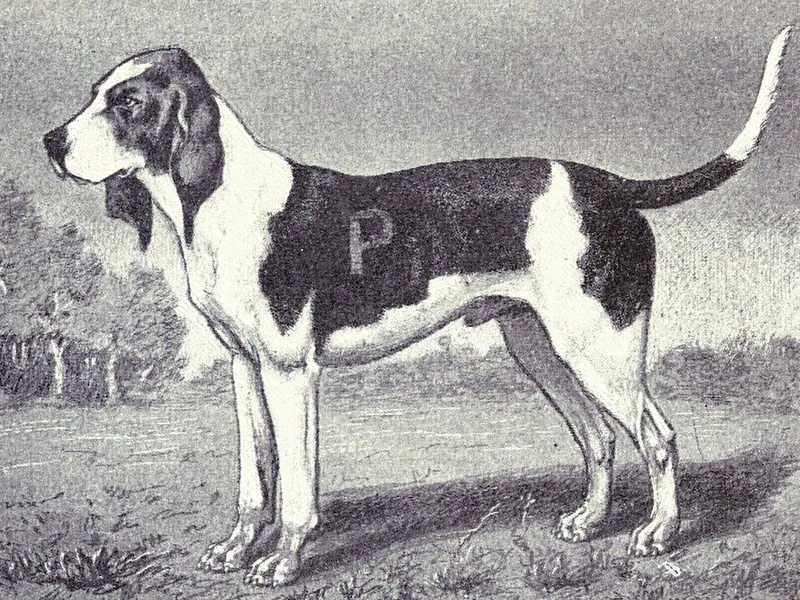
Compared with many French hounds, the Chien d'Artois is compact and powerful, with a broad head and fairly short muzzle. It is sometimes described as a briquet, a medium-sized hound, because it is smaller than the large French pack hounds used for deer.
Size, Coat and Colors
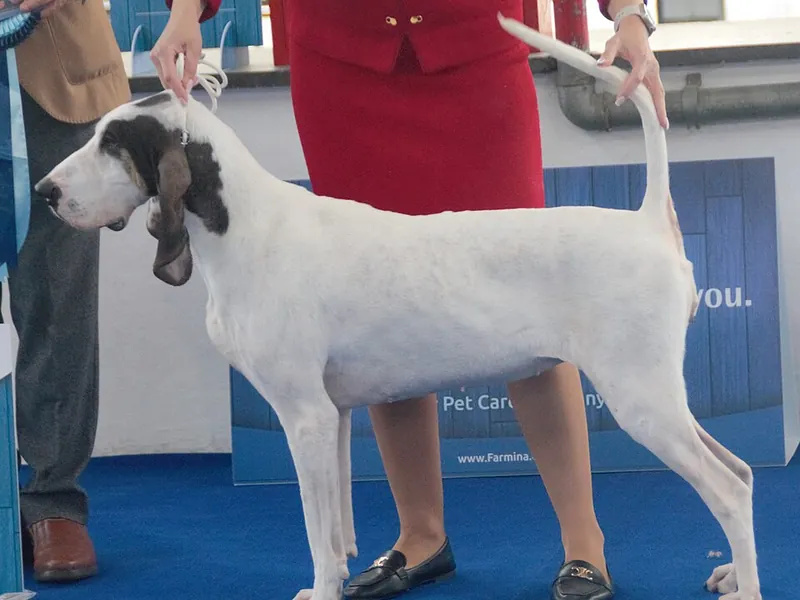
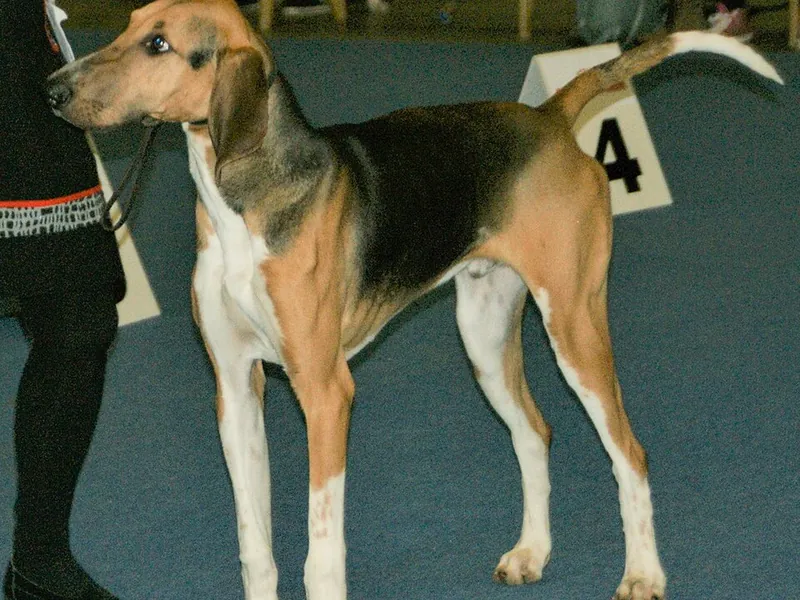
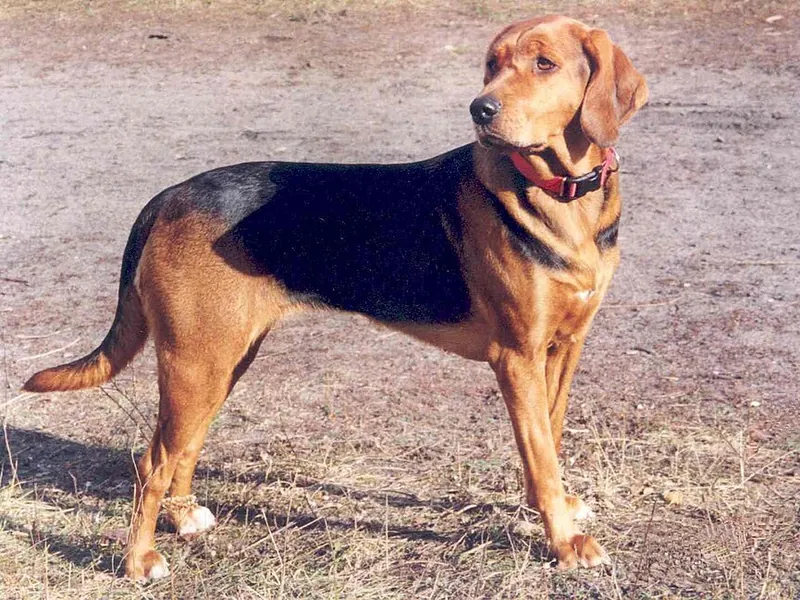
The Chien d'Artois is a medium-size, compact and powerful scenthound standing 21 to 23 inches and weighing 62 to 66 lb. Compared with the large French pack hounds, it is shorter and more muscular, a briquet-type hound built to work steadily over long distances.
The head is broad and fairly short, with a wide skull, a pronounced stop and large, dark eyes with a gentle, slightly melancholy expression. The ears are flat, fairly long and rounded at the tip. The tail is long and carried in a sickle shape when working.
Males are usually a little taller and heavier than females.
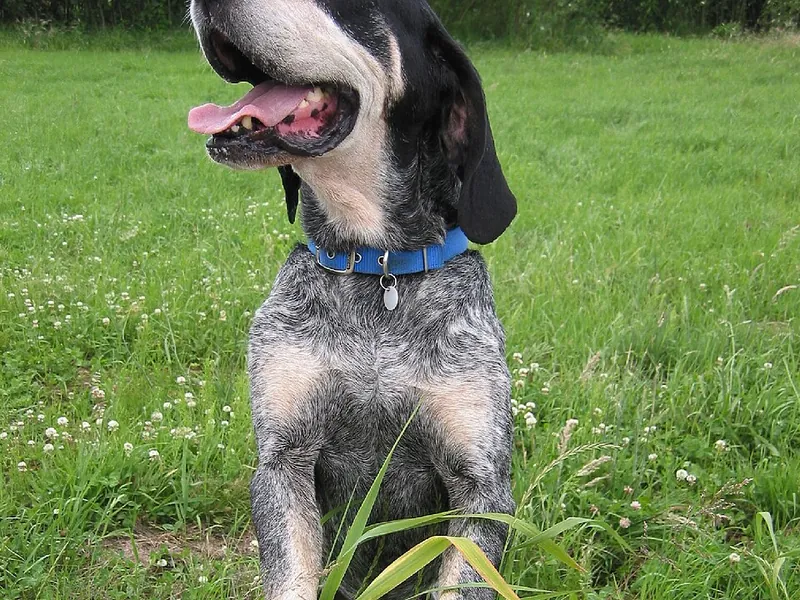
The coat is short, thick and fairly flat. The color pattern is tricolor:
- Dark fawn, often called hare-colored, with a black or gray overlay
- A large black mantle or black patches
- White base
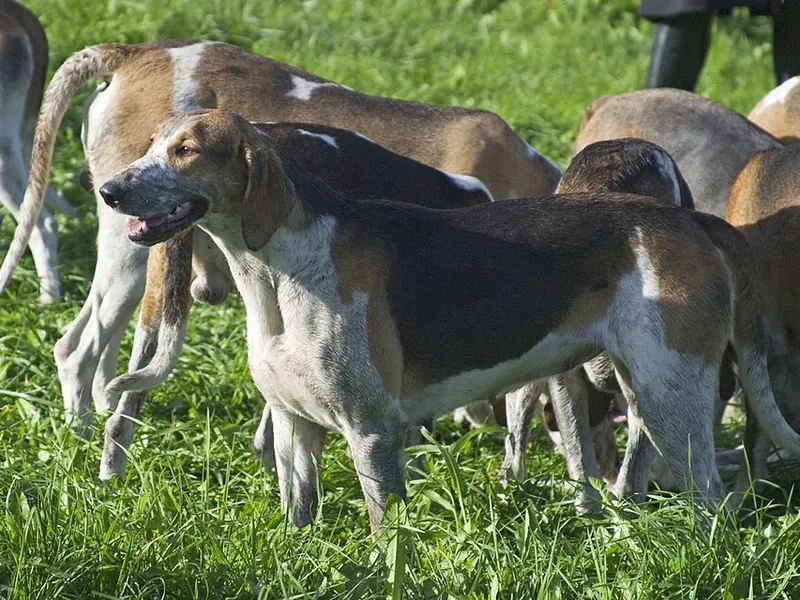
The head is typically fawn, sometimes with a slight black overlay. The overall look is a sturdy, practical hound built for working in a pack.
Temperament and Personality
The Chien d'Artois is described as balanced and affectionate with its people. It is usually calm in the house once exercised.
In the field it works with a strong voice and close concentration on the trail. Its prey drive is high, and it is not a natural fit for homes with small animals.
Owners and breeders describe it as easy to live with indoors when exercised: affectionate, not nervous and usually friendly with visitors. Like most pack hounds it typically gets along with other dogs and may be happier with a canine companion.
Is the Chien d'Artois Good for First-Time Owners?
The Chien d'Artois is generally not a good first dog. It is affectionate and easy to live with indoors, but its needs are those of a working pack hound: long daily exercise, an outlet for its nose and management of a strong prey drive.
A beginner would need to commit to:
- An hour or more of exercise daily, often on a long line
- Regular tracking or scent work
- Secure fencing and leash walks near wildlife
- Managing a loud voice in a residential setting
It also takes time and contacts to find a puppy, usually from French breeders. Experienced hound owners are far better prepared.
Is the Chien d'Artois Good With Cats?
Usually not. The Chien d'Artois was bred to trail and hunt hare, and its prey drive is high, so cats and small pets are at real risk, especially outdoors.
Some hounds raised with a calm cat from puppyhood learn to accept that particular cat indoors. Even then:
- Supervise interactions and never leave them alone together at first
- Give the cat high perches and dog-free rooms
- Expect outdoor cats and rabbits to be chased
Rabbits, guinea pigs and other small pets should be kept securely separated. A home without small animals is the safer choice for this breed.
Does the Chien d'Artois Shed?
Yes, the Chien d'Artois sheds moderately, mainly in spring and fall. Its coat is short and thick, so loose hairs are fine and easy to remove, but they will appear on furniture and clothes.
Care is simple:
- Brush weekly with a rubber mitt or bristle brush
- Brush two or three times a week during seasonal sheds
- Bathe only when dirty, as frequent baths dry the skin
After hunting or long walks, run your hands over the coat to check for ticks, burrs and small cuts. The breed is not low-shedding and is not a good choice for people trying to minimize dog hair.
Exercise and Training
Daily activity should be long and varied.
- Hunting or tracking is ideal.
- Long walks and runs on a long line work for non-hunting homes.
- Keep training reward-based and patient.
- It is vocal and dislikes isolation, so plan for company.
Practical options include daily walks of an hour or more, runs in fenced fields and regular tracking sessions. A bored Artois tends to use its voice, so plan activities that engage the nose as well as the legs.
Grooming and Shedding
The short, thick coat is usually tricolor, with fawn or tan on the head. A weekly brush suffices.
Check its fairly long ears regularly and inspect feet and skin after outings.
Feeding and Nutrition
The Chien d'Artois is a muscular hound that should be kept lean and fit. Scenthounds are often enthusiastic eaters and will put on weight if exercise drops, which adds strain to joints over a long working life. Aim for a visible waist and ribs that are easy to feel.
Puppies grow into a compact, powerful frame. A diet suited to medium to large breed puppies, fed in measured meals three times a day until about six months and twice daily after that, supports steady development. Avoid long runs before growth is complete.
Working hounds in the hunting season burn more energy and may need larger portions on working days. Reduce food again when activity falls.
Hounds are famous counter-surfers and bin raiders. Keep food out of reach, secure trash cans and avoid feeding from the table. Use small treats generously in recall training, deducted from the daily ration, as food is one of the few rewards that can compete with scent.
| Adult weight | Less active | Typical adult | Very active |
|---|---|---|---|
| 62 lb | 1,200 kcal | 1,370 kcal | 1,710 kcal |
| 66 lb | 1,250 kcal | 1,430 kcal | 1,790 kcal |
Estimates use the resting energy formula veterinarians work with (70 × body weight in kg0.75) and standard activity factors. Use the feeding guide on your food as a starting point and adjust to body condition. Puppies, seniors, pregnant animals and pets that need to lose weight have different needs, so ask your vet.
Health and Lifespan
No breed-typical diseases are documented in reliable sources, and reliable lifespan figures are not available. The very small population means genetic diversity is an important topic for breeders.
Look for breeders who health-check their dogs and can explain how they manage the gene pool. Keep the dog lean and fit.
Its ears and feet are the parts most likely to need attention in daily life. Check ears weekly, clean them when dirty and inspect pads after long walks over rough or icy ground.
Chien d'Artois Price and Cost of Ownership
The Chien d'Artois is extremely rare in the US, and there is no reliable published US price. Almost all breeders are in France, so getting a puppy usually means importing one. Prices vary by breeder, region and lines, and import adds transport, health certificates and sometimes travel to collect the puppy.
Adoption in the US is very unlikely, though hound rescues place similar scenthounds.
Ongoing cost drivers:
- Health checks and hip screening, given the very small gene pool
- Tracking classes or hunting equipment
- Secure fencing and long lines
- Ear care and treatment for ear infections
Grooming costs are minimal. Insurance helps cover injuries from field work.
Is the Chien d'Artois Right for You?
This breed is for dedicated hound people.
- Good match: hunters, scent-sport enthusiasts, rural families with secure land.
- Poor match: apartments, owners with long work hours, homes with small pets.
Expect a long search to find a puppy, mostly from French breeders.
Chien d'Artois Traits at a Glance
Chien d'Artois FAQ
How big is a Chien d'Artois?
It stands about 21 to 23 inches tall and weighs around 62 to 66 lb.
Is the Chien d'Artois rare?
Yes. It nearly disappeared in the 20th century and still has a very small population.
Is the Chien d'Artois a good family dog?
It is affectionate and calm indoors, but its hunting needs make it best suited to active, rural families.
Does the Chien d'Artois bark a lot?
It has a strong voice used while hunting and may be vocal at home if under-exercised.
What was the Chien d'Artois bred for?
Mainly hunting hare, working in a pack, and sometimes larger game.
Does the Chien d'Artois get along with other dogs?
Usually yes. As a pack hound, it is generally sociable with other dogs.