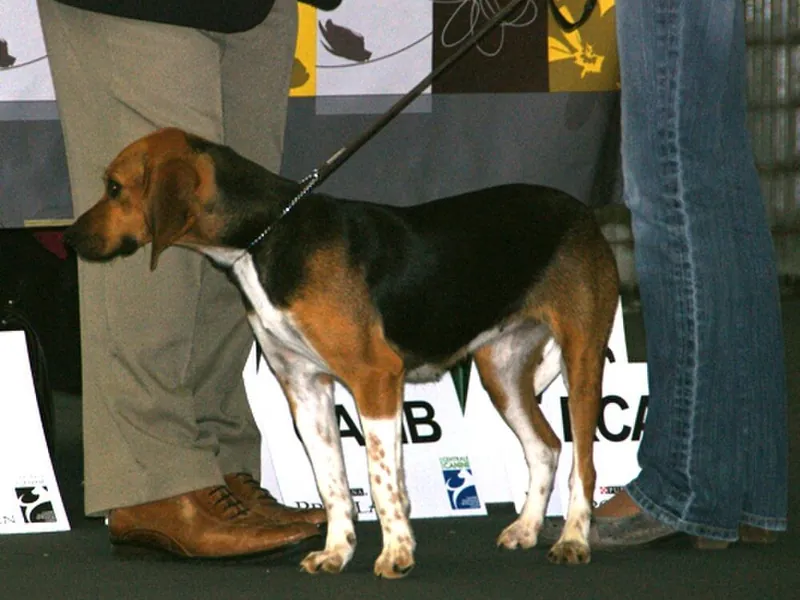
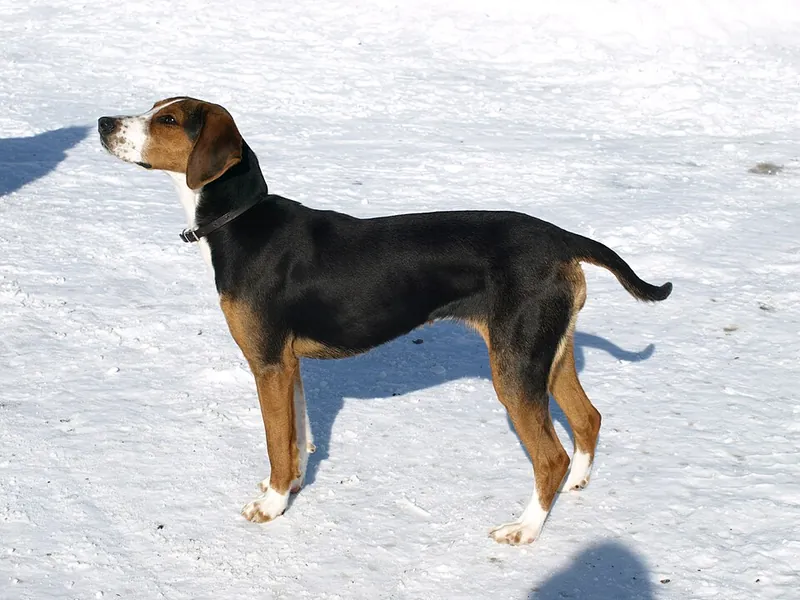
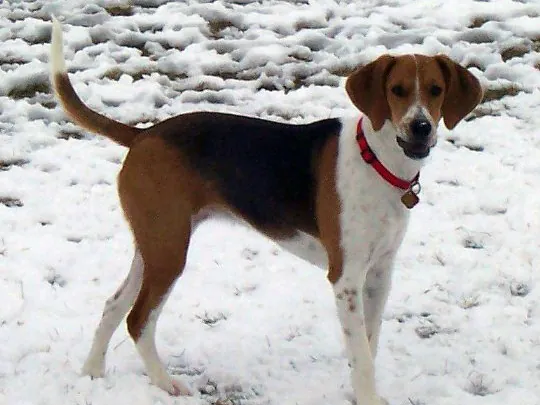
Podenco CanarioThe rabbit hound of the Canary Islands
The Podenco Canario is a slim, agile hunting hound from the Canary Islands, built to chase rabbits over volcanic rock. Friendly and lively, it needs plenty of exercise and secure spaces, so it suits active owners who accept a strong, lifelong hunting instinct.
Why people love the Podenco Canario
- Friendly, sociable and gentle with people
- Usually gets on well with other dogs
- Calm and cuddly indoors once exercised
- Hardy breed with few documented health problems
- Rescue dogs available through Spanish adoption groups
Things to consider
- Intense chase drive toward cats and small animals
- Jumps and climbs, so fencing must be high
- Rarely safe off leash in open country
- Feels the cold in northern winters
- May struggle with long periods alone
Is this breed right for you?
10 questions · live resultHistory and Origin
The breed has hunted rabbits on the Canary Islands, a Spanish archipelago off northwest Africa, for centuries. It belongs to the family of Mediterranean podencos, which hunt using sight, hearing and scent together. Hunters typically work several dogs at once; the hounds locate a rabbit, flush it from rocks and burrows, and often work alongside ferrets.
The Podenco Canario remains a working dog in the islands, where hunters value its stamina in heat and rough terrain. The FCI recognizes it as a Spanish breed in its primitive-type group. Many podencos end up in Spanish shelters, and rescues often place them abroad.
Size, Coat and Colors
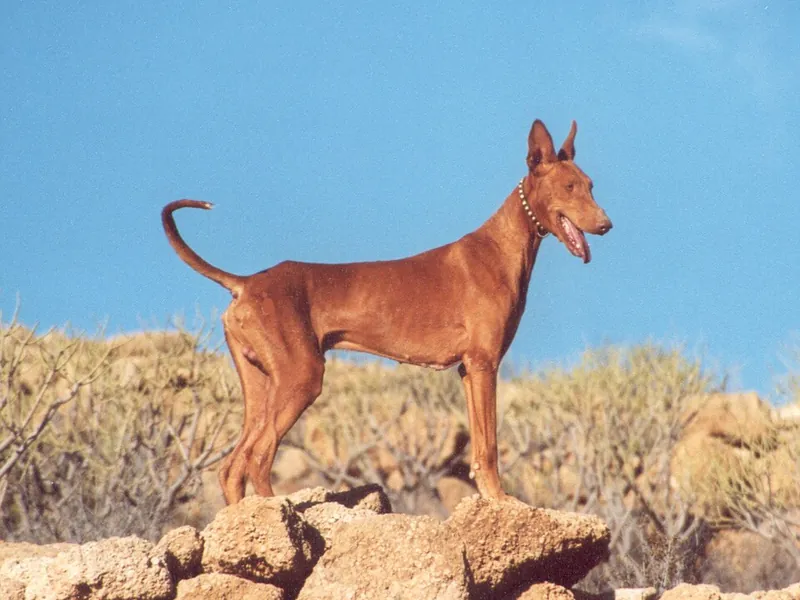
The Podenco Canario is a slim, elegant and athletic hound standing about 20 to 26 inches at the shoulder and weighing roughly 37 to 55 lb. It is slightly longer than tall, with a lean, muscular body, a long, cone-shaped head, amber eyes and large, mobile, upright ears that swivel to catch sound. The tail is long and low-set, often carried in a sickle shape when the dog is excited.
The coat is short, smooth and dense, lying close to the body, with very little undercoat.
The accepted color is red and white in any combination, from deep red to orange or fawn shades, with white markings in any proportion. Some dogs are mostly white with red patches, others mostly red with small white marks. Males are typically taller and stronger than females, with a broader head. Dogs from working lines in the islands can vary more in size and type than show-bred dogs.
Temperament and Personality
Podencos Canarios are lively, friendly and usually affectionate with their families. They are often gentle with children and typically sociable with other dogs, having been bred to hunt in groups. They are not guard dogs and tend to greet strangers calmly.
The hunting drive is intense. Rabbits, cats and other small animals trigger an instant chase, and a podenco focused on prey may ignore everything else. Some can learn to live with a resident cat, but outdoor animals remain fair game.
Indoors, a well-exercised podenco is usually calm and enjoys a soft bed. Many rescued dogs from Spain are shy at first and need time, patience and a predictable routine to gain confidence in a new home.
Is the Podenco Canario Good for First-Time Owners?
A Podenco Canario can suit a first-time owner who is active, patient and prepared for a strong hunting instinct. It is friendly, gentle and sociable, which makes daily life pleasant, but its needs are specific.
Beginners should plan for long daily walks, regular free running in a fully fenced area with high fences, leash walking in open country and careful management around cats and small pets. Training works with gentle, food-based methods, as the breed is sensitive. Many podencos in the US and Europe come from Spanish rescues, and adult rescue dogs whose behavior has been assessed in foster homes can be a good starting point for a novice.
Are Podencos Canarios Good with Cats?
It depends heavily on the individual dog. The Podenco Canario was bred to hunt rabbits, and its chase drive toward small, running animals is intense. Many cannot live safely with cats.
Some podencos, particularly those raised with cats or tested in foster homes, do learn to live peacefully with a resident cat indoors. Even then, outdoor cats usually remain targets. If you have a cat:
- Look for a rescue dog that has been cat-tested by a foster home.
- Use gates, leashes and slow introductions.
- Give the cat high escape routes and a dog-free room.
Rabbits, rodents and birds should always be kept securely out of reach.
Can a Podenco Canario Be Left Alone?
Many podencos find long periods alone difficult. They are sociable dogs, often used to living in groups, and some rescued dogs carry anxiety from their past. An adult that has had good exercise can usually manage a few hours alone once trained gradually.
To make alone time easier:
- Build up absences slowly, starting with a few minutes.
- Give a long walk or run and a food puzzle before leaving.
- Provide a soft, warm bed, since the thin coat offers little insulation.
- Consider a second, friendly dog, which many podencos enjoy.
Signs of distress such as howling, destruction or escape attempts are worth addressing with a trainer experienced in rescue hounds.
Exercise and Training
This is a high-energy breed. Daily long walks are a minimum, ideally combined with off-leash running in a fully fenced area several times a week. Lure coursing and scent games are great outlets.
Off-leash freedom in open country is rarely safe. Podencos jump and climb well, so fencing needs to be high and secure. Training works best with gentle, food-based methods and short sessions; they are sensitive and independent. Many struggle when left alone for long periods and may become anxious or destructive.
Grooming and Shedding
The short, dense coat is usually red and white. A weekly brush with a rubber mitt is enough. The thin coat and lean frame offer little protection from cold, so a jacket helps in northern winters. Check the large upright ears, trim nails and look over paws and skin after runs through brush.
Hunting dogs in the islands often work over sharp volcanic rock, and pet podencos also benefit from regular paw checks, especially after runs on rough ground. Bathing is rarely needed because the short coat sheds dirt easily.
Feeding and Nutrition
The Podenco Canario is a lean, athletic hound. A healthy dog shows a clear waist and a slight outline of the last ribs, and owners new to hounds sometimes overfeed a dog that looks naturally slim. Feed to maintain lean muscle rather than to fill out the frame.
Rescued dogs may arrive underweight. Increase food gradually under your vet's guidance rather than in large jumps, and watch the stool as the dog adjusts to a new diet.
- Feed adults two meals a day, and avoid hard running for an hour or so before and after meals.
- Active dogs that run and hike often need more food than quieter companions, and slightly more in cold weather because of the thin coat.
- Use part of the daily ration for training and recall practice with high-value rewards.
- Food puzzles give the busy mind work on rest days.
- Store food securely: podencos are agile and can reach counters.
| Adult weight | Less active | Typical adult | Very active |
|---|---|---|---|
| 37 lb | 810 kcal | 930 kcal | 1,160 kcal |
| 55 lb | 1,090 kcal | 1,250 kcal | 1,560 kcal |
Estimates use the resting energy formula veterinarians work with (70 × body weight in kg0.75) and standard activity factors. Use the feeding guide on your food as a starting point and adjust to body condition. Puppies, seniors, pregnant animals and pets that need to lose weight have different needs, so ask your vet.
Health and Lifespan
No breed-typical diseases are well documented, and the Podenco Canario is generally considered hardy, with a typical lifespan of 11 to 13 years. Rescued dogs from Spain should be tested for Mediterranean diseases such as leishmaniasis before or after import. As with other lean hounds, inform your vet about the breed before anesthesia.
Podenco Canario Price and Cost of Ownership
The Podenco Canario is in the AKC Foundation Stock Service and very rare from US breeders, so there is no reliable US price range for puppies. Prices vary by breeder, region and lines, and importing from Spain adds transport and paperwork costs.
Adoption is the most common route. Many podencos end up in Spanish shelters, and rescue organizations rehome them to Europe and North America. Adoption fees typically cover vaccinations, microchip, neutering and transport, and vary by organization.
Breed-specific cost drivers include high, secure fencing, a well-fitted harness or martingale collar, coats for cold winters and soft bedding. Dogs from Spain should be tested for Mediterranean diseases such as leishmaniasis, and a positive result means ongoing vet monitoring and medication.
Is the Podenco Canario Right for You?
A Podenco Canario suits you if you:
- Love long daily walks and have access to safe running areas
- Have no small pets, or a cat-tested dog
- Want a friendly, social dog rather than a watchdog
It is not ideal for owners who work long hours away or who want reliable off-leash walks.
Podenco Canario Traits at a Glance
Podenco Canario FAQ
Are Podencos Canarios good family dogs?
Many are friendly and gentle with children and other dogs. Their strong hunting drive means small pets and outdoor cats need careful management.
How big does a Podenco Canario get?
They stand about 20 to 26 inches tall and weigh roughly 37 to 55 lb.
Can a Podenco Canario be off leash?
Usually only in fully fenced areas. The breed's chase instinct makes recall unreliable when prey appears.
Do Podencos Canarios get along with other dogs?
Generally yes. They were bred to hunt in groups and are typically sociable with other dogs.
How long do Podencos Canarios live?
Typically 11 to 13 years.