DreverSweden's low-slung deer-driving hound
The Drever is a sturdy, short-legged Swedish hound bred to drive deer slowly toward waiting hunters while giving voice on the trail. It is calm, friendly and very good with children, but its nose and hunting instincts are always switched on.
Why people love the Drever
- Calm, steady temperament, described as never aggressive or nervous
- Excellent with children and other dogs
- Long-lived, averaging around 15 years
- Short coat needs only weekly brushing
- Relaxed and easygoing at home once exercised
Things to consider
- Vocal on a scent; gives voice continuously
- Strong hunting instinct; off-leash recall is unreliable
- Long back needs protection from jumping and stairs
- Prone to weight gain, which strains the spine
- Rare in the US; few breeders
Is this breed right for you?
10 questions · live resultHistory and Origin
The Drever descends from the Westphalian Dachsbracke, a short-legged German hound brought to Sweden around 1910. Swedish hunters found these dogs ideal for roe deer: their short legs keep them slow, so deer move calmly ahead instead of bolting at full speed, giving the hunter a better chance.
The Swedish dogs soon developed into their own type, larger than the German original. In 1947 a naming competition produced the name Drever, from the Swedish word for driving game. The FCI recognized the breed in Group 6 in the early 1950s. It is one of the most common hunting dogs in Sweden and is part of the AKC Foundation Stock Service in the United States.
Size, Build and Coat Colors
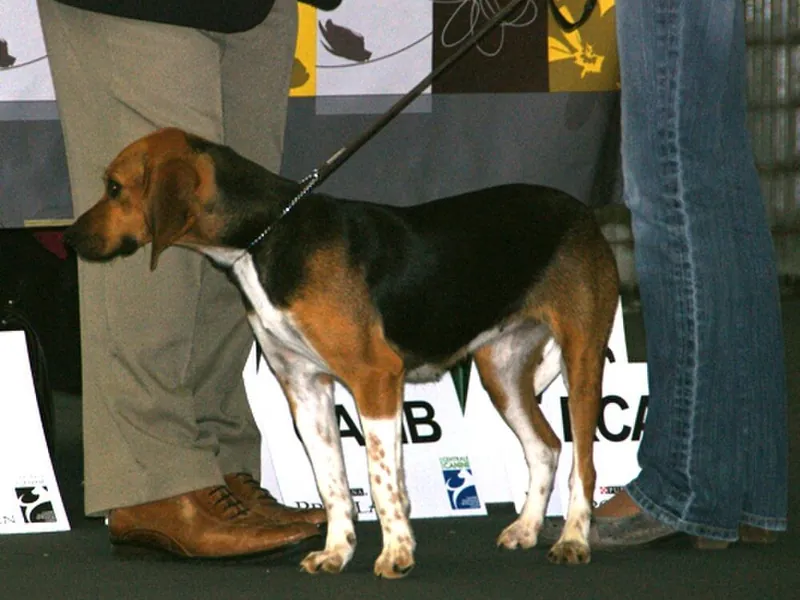
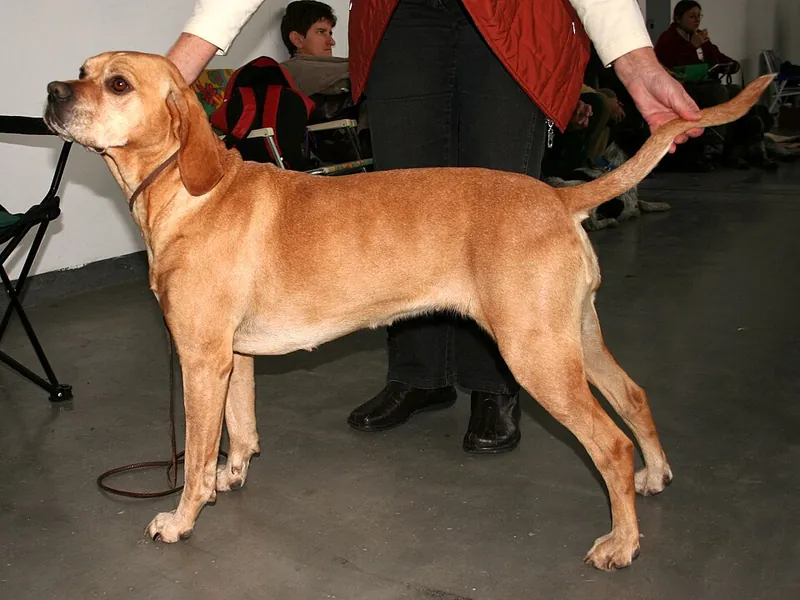
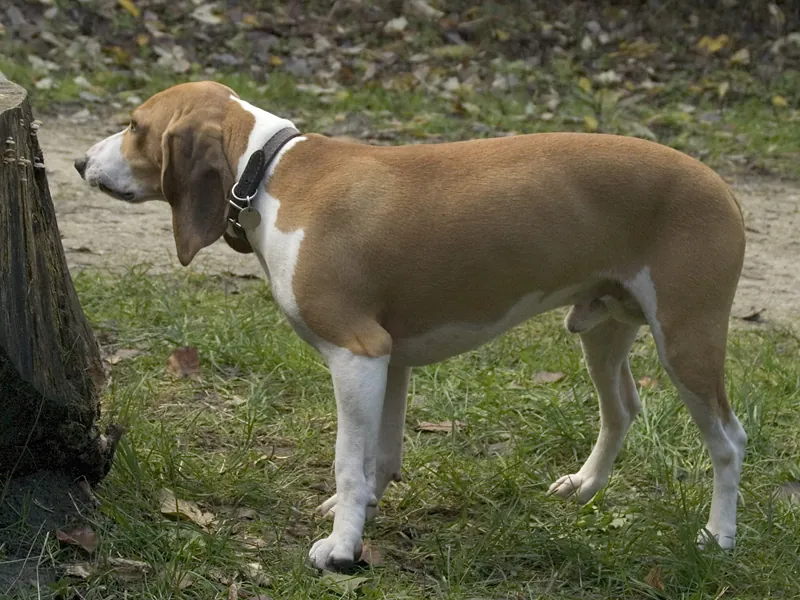
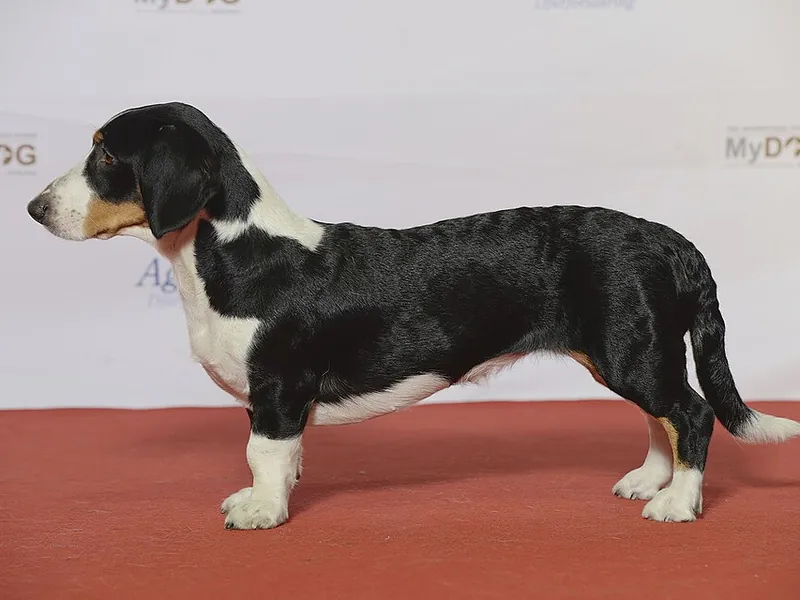
The Drever is a short-legged, rectangular scent hound with a strong, long body, a deep chest and a fairly large head with drop ears. It is noticeably longer than tall, but more robust and higher on leg than a Dachshund. Adults stand about 12 to 15 inches at the shoulder and weigh roughly 35 to 40 lb. Males are typically 12.5 to 15 inches tall and females 12 to 14 inches, with males also slightly heavier and broader in the head.
The coat is short, dense and straight, lying close to the body, with a slightly longer coat on the neck, back and back of the thighs.
Colors: all colors are permitted, but white markings must be visible from all angles. Typical markings include:
- a white blaze on the face
- a white collar or white on the neck
- white on the chest, feet and tail tip
Most Drevers are tricolor or fawn with these white markings. Symmetrical markings are preferred, but variation is common.
Temperament and Personality
Drevers are known for a calm, steady, friendly temperament. The breed standard describes them as never aggressive or nervous. They are usually excellent with children and sociable with other dogs and with pets they have grown up with.
On a scent they are determined and loud, giving voice continuously while tracking. That trait is welcome on a hunt but needs management in a quiet neighborhood. In Sweden most Drevers live with hunters, and the breed's instincts stay strong in pet homes too.
At home a Drever is often a relaxed, easygoing dog that enjoys company and comfortable resting places. Owners frequently describe it as uncomplicated once its daily need for sniffing and walking is met.
Can Drevers Live in an Apartment?
A Drever can adapt to an apartment if it gets long daily walks and scent work, but its hound voice and long back make some apartments less suitable.
Drevers give voice when excited or on a scent, and that can disturb neighbors in shared buildings. They are usually calm indoors once exercised, which helps. Apartments with many stairs are a concern for the breed's long back, so an elevator or ground-floor unit is better. Plan for at least an hour of outdoor activity daily, with plenty of sniffing time, and regular nose games indoors.
Are Drevers Good With Cats?
Drevers raised with cats often accept them as part of the family, but their hunting instinct means caution is needed.
The breed was developed to track deer and is usually sociable with other dogs. With cats, early, supervised introductions and a calm adult cat with escape routes work best. Many Drevers live peacefully with the family cat indoors yet still chase unfamiliar cats outside. Small pets such as rabbits and guinea pigs should be kept separate. When adopting an adult Drever, ask about its history with cats before bringing it home.
Can Drevers Be Left Alone?
Adult Drevers can usually be left alone for a few hours, but they enjoy company and may become vocal if bored or lonely.
Teach alone time gradually from puppyhood. A long walk with plenty of sniffing before you leave, plus a chew or puzzle toy, helps the dog rest. Long, regular absences can lead to baying, which can create neighbor complaints. Drevers often do well in multi-dog homes, where a canine companion reduces stress. For full workdays, consider a dog walker or daycare.
Exercise and Training
Despite their size, Drevers have plenty of stamina. Plan on long daily walks with lots of sniffing time, plus regular scent work. Tracking, mantrailing and nose games are excellent outlets for non-hunting homes. Off-lead running should be limited to enclosed areas, since a Drever on a fresh trail may not respond to recall.
Training is moderately easy with patience and food rewards. The breed is cooperative at home but independent when hunting. Protect the long back: avoid lots of jumping on and off furniture and stair running, especially in puppies, and use a ramp for the car if needed.
Grooming and Shedding
The short, dense coat needs only a weekly brush, and shedding is moderate. Any color is allowed, but the standard calls for white markings, so most Drevers show white on the face, neck, feet and tail tip, often on a tricolor or fawn base.
- Check the drop ears weekly for dirt and infection.
- Look for ticks and grass seeds after outings.
- Trim nails regularly.
Feeding and Nutrition
Weight control is the most important feeding goal for a Drever. The breed's long back and short legs make it vulnerable to strain on the spine and joints, and extra pounds increase that risk. A fit Drever has a visible waist and ribs you can feel easily. Weigh your dog regularly and adjust portions if weight creeps up.
Puppies: feed a complete puppy diet suited to medium breeds, in three or four meals daily at first, then two meals as an adult. Steady growth supports healthy development.
Working versus companion dogs: hunting Drevers working through the season burn much more energy than family companions. Increase portions during active periods and reduce them afterward.
Food drive: like most scent hounds, Drevers tend to be food-motivated and will scavenge. Store food securely, keep trash out of reach and teach a reliable leave it cue.
Treats: use small, healthy rewards for training and scent games, and count them in the daily ration. Avoid feeding from the table, which encourages begging and weight gain.
| Adult weight | Less active | Typical adult | Very active |
|---|---|---|---|
| 35 lb | 780 kcal | 890 kcal | 1,110 kcal |
| 40 lb | 860 kcal | 980 kcal | 1,230 kcal |
Estimates use the resting energy formula veterinarians work with (70 × body weight in kg0.75) and standard activity factors. Use the feeding guide on your food as a starting point and adjust to body condition. Puppies, seniors, pregnant animals and pets that need to lose weight have different needs, so ask your vet.
Health and Lifespan
Drevers are generally healthy, with an average lifespan of around 15 years. The sources we use do not highlight specific inherited conditions.
The long back and short legs mean weight control matters: extra pounds strain the spine and joints. Keep your Drever lean, provide regular moderate exercise and ask breeders about back problems in their lines.
Drever Price and Cost of Ownership
The Drever is one of Sweden's most common hunting dogs but is rare in the United States, where it is part of the AKC Foundation Stock Service. Few US breeders exist, and many owners import from Sweden or elsewhere in Scandinavia, which adds travel, transport and paperwork costs. Prices vary by breeder, region and lines. Ask breeders about back problems in their lines and the health of parents.
Adoption is uncommon, though hound rescues occasionally have Drevers or similar short-legged hounds.
Ongoing costs are moderate for a medium, short-coated breed. The main drivers are ramps and steps to protect the back, possible treatment for back problems, ear care and secure fencing. Tracking or mantrailing classes are a worthwhile expense for non-hunting homes. Insurance can provide protection against back injury costs.
Is the Drever Right for You?
The Drever suits hunters and active families who enjoy outdoor life and can live with a vocal, scent-driven hound. It can adapt to a smaller home if it gets enough exercise.
- Good match: families with children, hunters, multi-dog homes, scent sport fans.
- Less ideal: owners who want off-lead reliability, noise-sensitive neighbors, homes where the dog is often alone.
Drever Traits at a Glance
Drever FAQ
How big do Drevers get?
They stand about 12 to 15 inches at the shoulder and weigh roughly 35 to 40 lb.
Are Drevers good family dogs?
Yes, they are calm, friendly and usually excellent with children.
Do Drevers bark a lot?
They are vocal, especially on a scent, giving voice continuously while tracking.
What were Drevers bred for?
Driving deer slowly toward hunters, using their nose and voice.
How long do Drevers live?
Around 15 years on average.
Is a Drever the same as a Dachshund?
No. Both are short-legged, but the Drever is a larger Swedish scenthound descended from the Westphalian Dachsbracke.