Treeing Tennessee BrindleAppalachian brindle cur built to tree
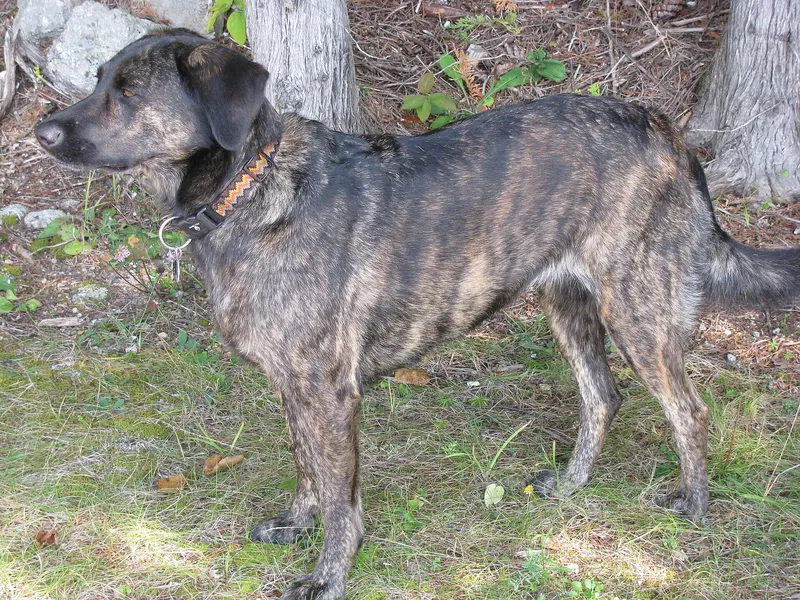
The Treeing Tennessee Brindle is a compact brindle cur from the Appalachian and Ozark hills, bred to trail game fast and hold it in a tree with a loud chop bark. It is affectionate and friendly at home but needs a hunter's amount of activity. It suits rural, outdoorsy owners more than city life.
Why people love the Treeing Tennessee Brindle
- Friendly with people and other dogs
- Affectionate and closely bonded to its family
- Short, easy-care coat
- Bright and eager to work
- Sturdy, healthy working breed
Things to consider
- Loud bark while tracking and at home
- Strong hunting drive toward cats and small pets
- Needs an hour or more of daily nose work
- Recall is unreliable on a scent
- Rare outside hunting circles
Is this breed right for you?
10 questions · live resultHistory and Origin
Brindle cur dogs were long kept by hunters in rural pockets of the Appalachian and Ozark regions to tree squirrels, raccoons and other game. In the early 1960s, the Reverend Earl Phillips, who wrote a column for a hunting dog magazine, heard from many readers who owned brindle treeing dogs. He began collecting information and dogs, aiming to preserve this type.
In 1967, Phillips and fellow fanciers founded the Treeing Tennessee Brindle Breeders Association in Illinois. The breed was selected for scenting ability, an open trailing voice and a strong instinct to tree any game. It is smaller than the related Plott and has shorter ears.
The AKC has recorded the breed in its Foundation Stock Service since 1995, which means it is not yet eligible for AKC conformation shows. The United Kennel Club recognized it in 2017. It is not recognized by The Kennel Club in the UK.
Size, Colors and Coat
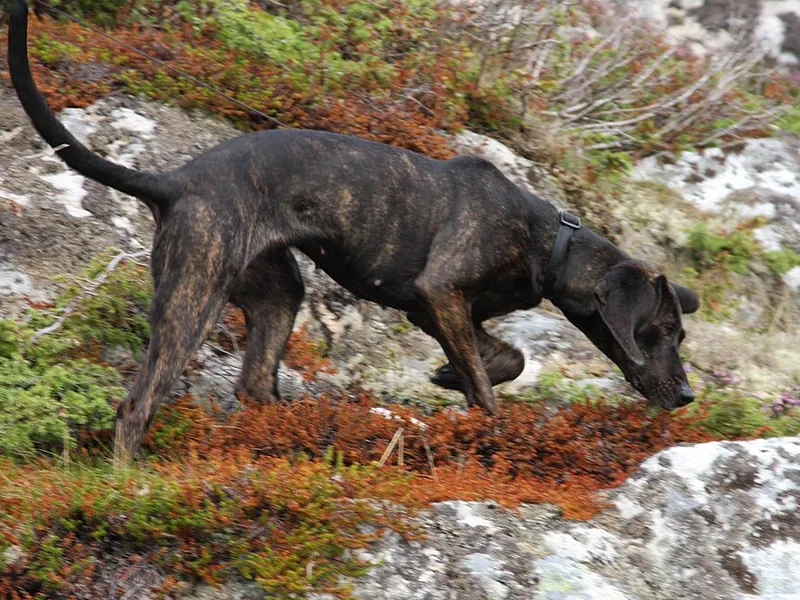
The Treeing Tennessee Brindle is a compact, athletic cur-type hound built for agility and speed in rough terrain. It stands about 16 to 24 inches at the shoulder and weighs roughly 30 to 50 lb. Males are generally larger and heavier than females, and size varies widely as the breed is bred for working ability rather than uniform appearance.
The head is broad with a moderate stop, and the ears are medium length, shorter than those of the related Plott. The eyes are dark and alert. The body is muscular, with a deep chest and strong legs.
The coat is short, dense and smooth. Recognized colors include:
- Brindle, in various shades
- Black with brindle trim
- A small amount of white on the chest or feet is accepted
The brindle coloring is a defining feature, reflected in the breed's name.
Temperament and Personality
The breed standard describes the TTB as intelligent, alert and friendly with both people and dogs. Owners describe a loyal, affectionate dog that bonds closely with its family and is usually happy to share space with other dogs.
Its hunting drive is strong. Squirrels, cats and other small animals will set it off, and it may treat backyard wildlife as a job. As an open trailer, it barks while tracking and changes voice at the tree, so expect a loud dog, especially when bored.
With children it is generally tolerant and playful; supervise with toddlers, as an excited hound can knock them over.
Is the Treeing Tennessee Brindle Good for First-Time Owners?
It can work for an active first-time owner who hunts or spends lots of time outdoors. The breed is friendly, eager to work and generally easy-going with people and other dogs.
Beginners should be ready for a loud voice, a strong hunting drive and the need for an hour or more of daily nose work. Recall on a scent is unreliable, so a long line and secure fencing are essential. Homes with cats or small pets are a poor match. Connecting with breed associations and hunting clubs is a good way to learn about the breed before committing.
Are Treeing Tennessee Brindles Good With Cats?
Usually not. The breed was developed to tree squirrels, raccoons and other small game, and its hunting drive is strong.
Some individuals raised with a cat may accept that particular cat, but supervision is always needed, and outdoor cats are at risk. Homes without small pets are the safest choice. If a cat is already in the household, introduce the dog very gradually, provide the cat with high escape routes and dog-free spaces, and never leave them alone together until you are confident.
Are Treeing Tennessee Brindles Easy to Train?
They are bright and eager to work, so basic training usually goes well. The challenge is the breed's independence on a scent, which makes recall the hardest skill.
Train with rewards and patience, using short sessions and plenty of variety. Hunting training often comes naturally, as the instinct to trail and tree is strong. For non-hunting owners, tracking games and scent work provide an outlet. Use a long line in open areas until recall is reliable, and keep the yard securely fenced.
Exercise and Training
A TTB needs daily exercise that engages its nose: long leashed walks, hikes, tracking games or hunting. An hour or more a day is a sensible baseline. Without enough to do, these dogs can become noisy or try to escape.
They are bright and eager to work but independent on a scent, so recall is the hardest skill. Train with rewards and patience, use a long line in open areas and keep the yard securely fenced.
Grooming and Shedding
The coat is short, dense and smooth, in brindle or black with brindle trim, sometimes with a little white on the chest or feet. A weekly brush with a rubber mitt removes loose hair, and shedding is light to moderate.
After hunting or hiking, check the coat for ticks and burrs and look over the feet. The ears are shorter than many hounds' but still need regular checks and cleaning.
Feeding and Nutrition
A Treeing Tennessee Brindle's food needs vary with its workload. A dog hunting several nights a week burns much more than one with only daily walks. Adjust portions by body condition, keeping a lean, athletic shape with ribs easy to feel.
- Feed adults two meals a day; puppies usually get three or four meals until around six months.
- On hunting days, give the main meal after work rather than before, and offer water often.
- Use part of the daily ration as training rewards.
Weight gain in inactive dogs is one of the practical issues owners mention most, so reduce portions in the off-season. Secure trash and counters, as hounds find food easily. Dogs from hunting kennels may be used to competitive feeding; feed them separately at first. No breed-specific diet-related conditions are documented.
| Adult weight | Less active | Typical adult | Very active |
|---|---|---|---|
| 30 lb | 690 kcal | 790 kcal | 990 kcal |
| 40 lb | 860 kcal | 980 kcal | 1,230 kcal |
| 50 lb | 1,020 kcal | 1,160 kcal | 1,450 kcal |
Estimates use the resting energy formula veterinarians work with (70 × body weight in kg0.75) and standard activity factors. Use the feeding guide on your food as a starting point and adjust to body condition. Puppies, seniors, pregnant animals and pets that need to lose weight have different needs, so ask your vet.
Health and Lifespan
The TTB is regarded as a sturdy, healthy working breed, and the AKC gives a typical lifespan of 10 to 12 years. Because the population is small and few health studies exist, ask breeders about hip evaluations and the health of related dogs. Ear infections, injuries from fieldwork and weight gain in inactive dogs are the practical issues owners mention most.
Choose a breeder who keeps health records, or contact hunting-dog rescues, where brindle curs sometimes appear.
Treeing Tennessee Brindle Price and Cost of Ownership
Treeing Tennessee Brindle puppies are mostly sold within hunting circles, and there is no well-established US price range. Prices vary by breeder, region and lines, and puppies from proven hunting lines often cost more. The Treeing Tennessee Brindle Breeders Association is a good starting point for breeder contacts.
Brindle curs sometimes appear in hunting-dog rescues and shelters, especially in the South and Midwest, usually for a modest adoption fee.
Breed-specific ongoing cost drivers include:
- Secure fencing and a GPS collar for hunting or outings
- Ear care and treatment for infections
- Treatment for injuries from fieldwork
- Hunting gear, licenses and training
Is the Treeing Tennessee Brindle Right for You?
A Treeing Tennessee Brindle may suit you if you:
- hunt or spend lots of time hiking and outdoors
- live rurally or have a large, secure yard
- want a medium-sized, friendly, dog-social companion
It is a poor fit for apartments, close neighbors, homes with cats or small pets, or owners who want off-leash freedom on walks.
Treeing Tennessee Brindle Traits at a Glance
Treeing Tennessee Brindle FAQ
How big do Treeing Tennessee Brindles get?
They stand about 16 to 24 inches at the shoulder and usually weigh 30 to 50 lb, with males larger than females.
Is the Treeing Tennessee Brindle AKC recognized?
Not fully. It has been in the AKC Foundation Stock Service since 1995. The United Kennel Club recognized it in 2017.
Are Treeing Tennessee Brindles good family dogs?
They are friendly and affectionate with family and other dogs. Their hunting drive and loud voice make them best for active, rural families.
Do Treeing Tennessee Brindles bark a lot?
Yes. They are open trailers that bark while tracking and bay at the tree, and they can be vocal at home too.
How long do Treeing Tennessee Brindles live?
Typically 10 to 12 years.