LurcherBritain's sighthound cross, built for speed
The Lurcher is not a breed but a type: a sighthound crossed with another working dog, often a herding dog or terrier. Gentle and lazy indoors yet explosive outside, it suits owners who can give safe running space and manage a strong chase instinct.
Why people love the Lurcher
- Gentle, affectionate and calm indoors
- Usually friendly with other dogs and respectful children
- Often available for adoption through rescues
- Low-maintenance coat in most dogs
- Adapts to smaller homes if given daily sprints
Things to consider
- Very strong chase drive; off-leash recall unreliable
- Many cannot live safely with cats or small pets
- Size, coat and temperament vary widely
- Thin skin tears easily during runs
- Sensitive to cold; may need a coat
Is this breed right for you?
10 questions · live resultHistory and Origin
Lurchers have a long history in Britain and Ireland. A sighthound such as a Greyhound, Whippet, Saluki or Deerhound was crossed with a working breed, commonly a Collie-type herding dog or a terrier, to add intelligence, trainability and toughness to the sighthound's speed.
The name is often linked to a Romani word meaning thief, reflecting the Lurcher's traditional role as a poacher's dog catching rabbits and hares for the pot. Today Lurchers are popular pets and are common in British rescue centers. Because they are crosses, there is no breed standard and no kennel club recognition.
Sizes, Coat Types and Colors
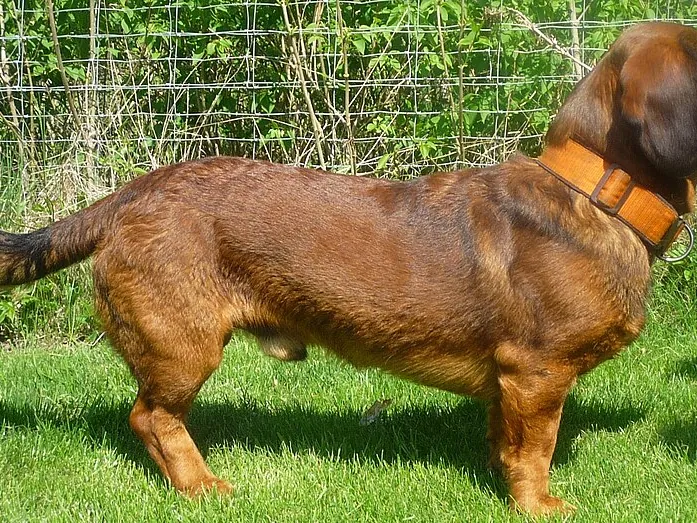
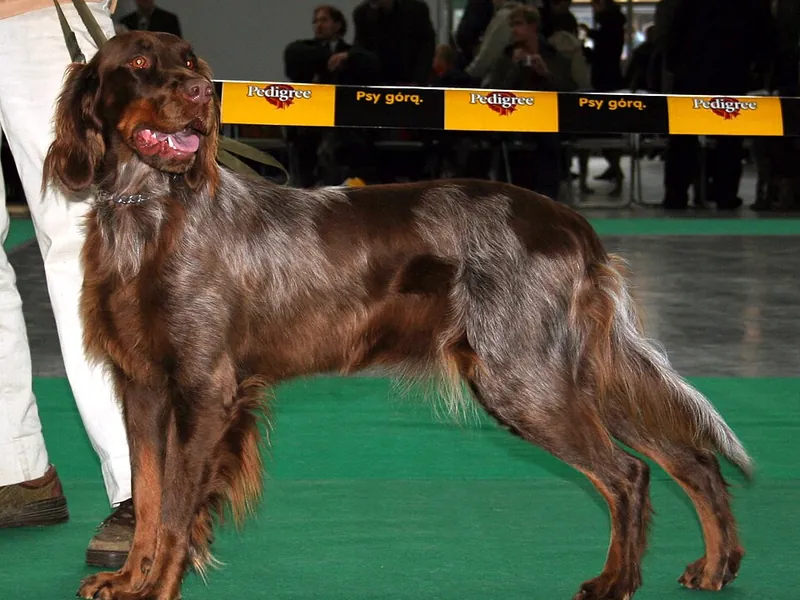
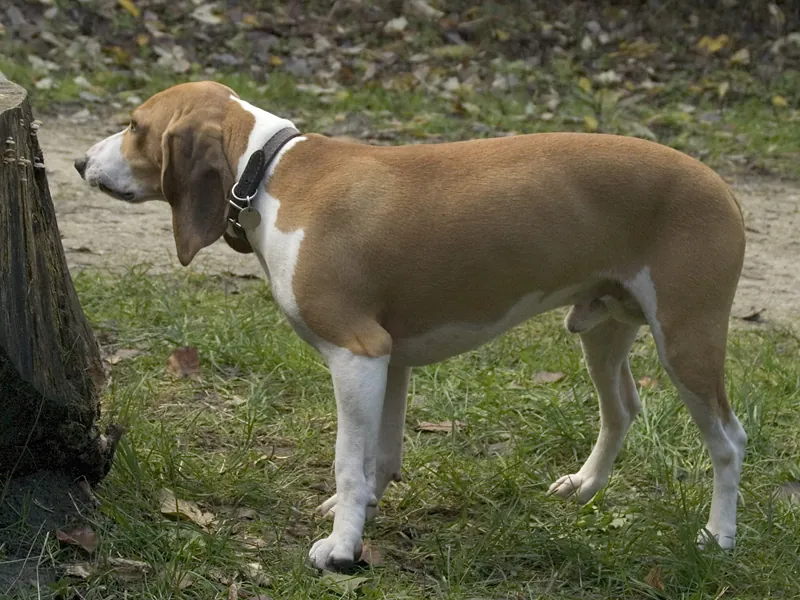
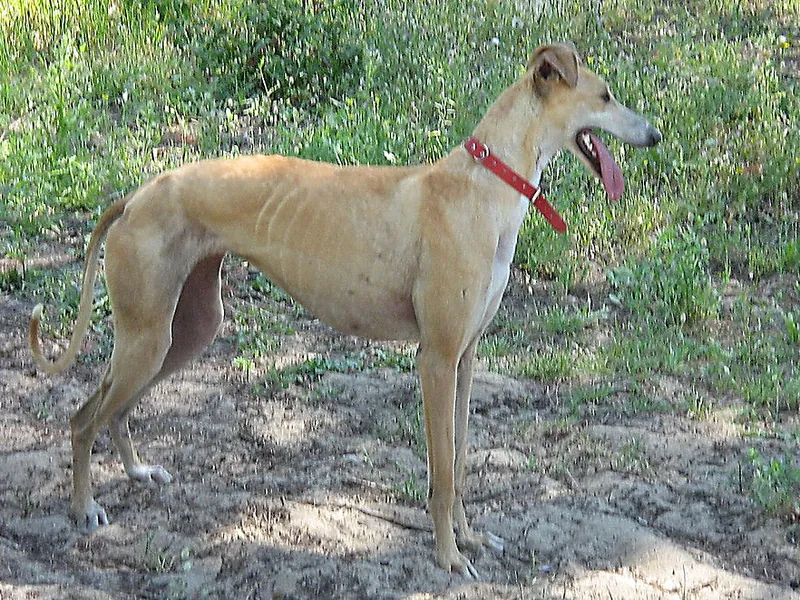
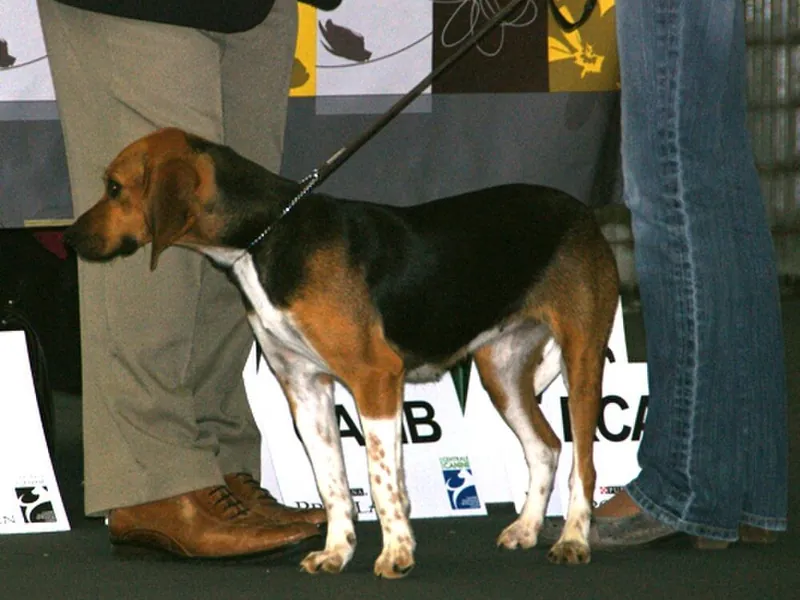
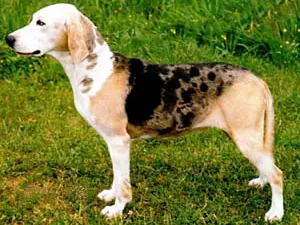
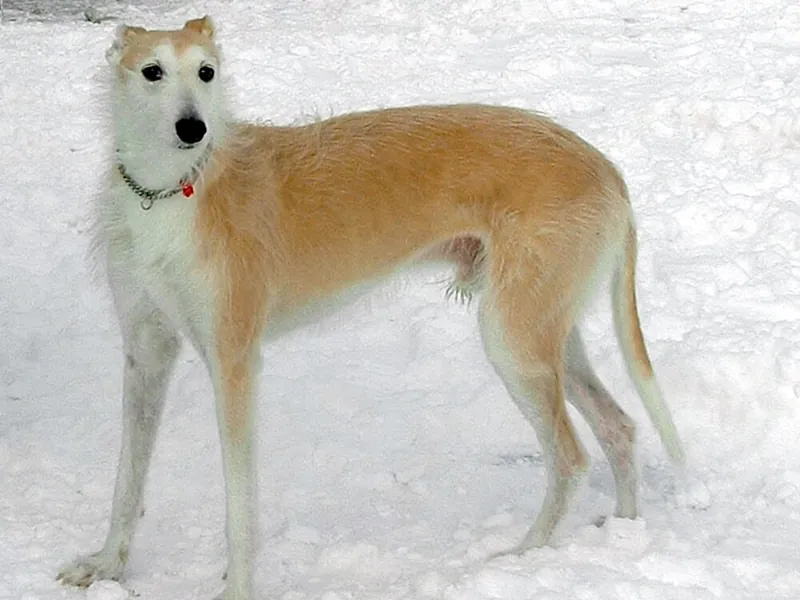
The Lurcher is a type rather than a breed, so its appearance depends on its parents. All Lurchers share a sighthound outline: a long, narrow head, a deep chest, a tucked-up waist, long legs and a long tail. Size varies widely, from about 18 to 28 inches tall and roughly 26 to 71 lb. Whippet crosses tend to be small and light, while Greyhound or Deerhound crosses are tall and rangy. Males are usually taller and heavier than females from the same cross.
Coat types:
- smooth, short coats, typical of Greyhound and Whippet crosses
- rough or broken coats, often from Deerhound, Saluki or terrier parentage
- longer, softer coats with feathering, sometimes seen in Collie or Saluki crosses
Colors: any color or pattern can occur. Brindle, fawn, black, blue, grizzle and white with patches are common, and Collie crosses may be merle or bicolor.
Because there is no breed standard, every Lurcher is individual, and meeting the dog is the only reliable way to know its size and coat.
Temperament and Personality
Most Lurchers are gentle, affectionate and remarkably calm indoors. Many spend much of the day asleep on a soft bed. They are usually good with respectful children and friendly with other dogs, especially other sighthounds.
Their chase drive is very strong. Many cannot be trusted around cats, rabbits or other small animals, though some rescue Lurchers are tested as cat friendly. Personality varies with the mix: a Collie cross may be more trainable and active, a terrier cross more tenacious.
Can Lurchers Live in an Apartment?
Yes, many Lurchers live happily in apartments, because they are calm and sleepy indoors, as long as they get regular chances to sprint in a safe, enclosed area.
Lurchers often spend much of the day resting on a soft bed. They need daily walks and a few short, intense runs a week in a securely fenced field. Larger Lurchers need room to stretch out, so a big bed in a quiet corner helps. Stairs and slippery floors can be a problem for long-legged dogs, so rugs are useful. Their size varies widely, so a smaller Whippet-type Lurcher may suit a compact apartment better than a large Deerhound cross.
Can Lurchers Be Left Alone?
Many adult Lurchers cope well with being left alone for a few hours, since they tend to sleep a lot, but this depends heavily on the individual dog and its background.
Rescue Lurchers from kennel or working backgrounds may find household life new, and some develop separation anxiety at first. Start with short absences and build up gradually. A walk before leaving and a comfortable bed in a quiet spot help the dog settle. Collie crosses may be more active and need more stimulation. Rescues usually know how a dog copes alone in foster care, so ask before adopting if you work long hours.
Are Lurchers Good for First-Time Owners?
Yes, a Lurcher can be a good choice for first-time owners, especially an adult dog adopted through a rescue that knows its temperament.
Lurchers are usually gentle, calm indoors and easy to live with. The key challenges for novices are the chase instinct and recall. Owners must keep the dog on lead outside secure areas, use a martingale collar or harness and be careful around cats and small animals. Many rescues recommend muzzles during the settling period as a precaution. Because Lurchers vary so much, asking the rescue about the dog's likely parentage, energy level and behavior with cats and children is the best way to find a good match.
Exercise and Training
A Lurcher typically needs daily walks plus regular opportunities to sprint flat out in a securely fenced area. Short, intense bursts suit them better than long jogs. Once a Lurcher spots fleeing game, recall is often impossible, so off-leash running should be limited to safe enclosures.
Training with gentle, reward-based methods usually goes well. Many wear a muzzle in public during the early stages of rehoming as a sensible precaution around small dogs and wildlife. A martingale collar or harness helps, as narrow heads can slip out of flat collars.
Grooming and Shedding
Coats range from smooth and short to rough or broken, depending on the parents. Smooth coats need only a weekly wipe; rough coats benefit from weekly brushing. Thin skin tears easily, so check for cuts after runs. Many Lurchers need a coat in cold weather because they carry little body fat.
Feeding and Nutrition
Lurchers are naturally lean dogs, and a healthy Lurcher often looks thinner than owners of other breeds expect. A fit Lurcher typically shows the last two or three ribs and the hip bones slightly. Do not overfeed a dog to cover these, since extra weight strains joints and makes sprinting riskier. Ask your vet to show you a healthy body condition for your individual dog.
Rescue dogs: some rescue Lurchers arrive underweight. Increase food gradually under veterinary guidance rather than all at once, and monitor weight regularly.
Bloat: as deep-chested dogs, Lurchers carry a risk of gastric dilatation-volvulus. Feed two meals a day, avoid running hard for about an hour before and after eating and know the warning signs.
Bowl height: raised bowls are often suggested for tall dogs, but at least one large study linked them to a higher bloat risk, so discuss bowl height with your vet.
Teeth: sighthound types are prone to dental disease. Regular brushing and veterinary dental checks are important. Count training treats in the daily ration.
| Adult weight | Less active | Typical adult | Very active |
|---|---|---|---|
| 26 lb | 620 kcal | 710 kcal | 890 kcal |
| 48 lb | 990 kcal | 1,130 kcal | 1,410 kcal |
| 71 lb | 1,320 kcal | 1,510 kcal | 1,890 kcal |
Estimates use the resting energy formula veterinarians work with (70 × body weight in kg0.75) and standard activity factors. Use the feeding guide on your food as a starting point and adjust to body condition. Puppies, seniors, pregnant animals and pets that need to lose weight have different needs, so ask your vet.
Health and Lifespan
Lurchers commonly live 12 to 14 years. As deep-chested dogs, they can be prone to bloat, a twisting of the stomach that needs emergency care. Injuries to feet, nails and skin from high-speed running are common, and bone cancer (osteosarcoma) is seen in larger sighthound types.
Like Greyhounds, many Lurchers are sensitive to anesthetics and sedatives, so tell your vet about the sighthound background.
Lurcher Price and Cost of Ownership
The Lurcher is a crossbreed type with no breed standard or kennel club registration, so there is no meaningful price range for a puppy. In the UK, most Lurchers are adopted through rescues, where they are very common. In the US, Lurchers are less known, and dogs of this type usually come through sighthound rescues or as imported rescue dogs. Adoption fees vary by organization.
If you consider a puppy from a working litter, prices vary by breeder, region and parentage, and health testing is uncommon.
Ongoing cost drivers include treatment for running injuries such as torn skin, broken toes and nail injuries, sedation and anesthesia protocols adapted for sighthounds, and dental care. Owners often buy coats for cold weather, martingale collars, muzzles for the settling period and soft, thick beds for dogs with little padding.
Is the Lurcher Right for You?
A Lurcher can be a wonderful, low-key companion, even for people in smaller homes, as long as it gets daily sprints in a safe area. Size ranges widely, roughly 18 to 28 inches tall and 26 to 71 lb, so meet the individual dog.
- Good match: calm homes, adopters willing to work with a rescue, owners with access to fenced fields.
- Think twice: homes with cats or small pets, owners who want reliable off-leash walks.
If you adopt, ask the rescue about the dog's likely parent breeds, behavior with cats and children, and how it copes when left alone, since these vary a lot between individual Lurchers.
Lurcher Traits at a Glance
Lurcher FAQ
Is a Lurcher a breed?
No. A Lurcher is a sighthound crossed with another type of dog, usually a herding breed or terrier, so appearance and size vary.
Are Lurchers good family dogs?
Many are gentle, calm and affectionate at home and do well with respectful children.
Can Lurchers live with cats?
Some can, but many have a strong chase drive. Rescues often cat-test dogs before rehoming.
How big do Lurchers get?
Size varies widely, from about 18 to 28 inches tall and roughly 26 to 71 lb.
Can Lurchers be let off the lead?
Only in secure areas. Once they see game running, recall is often unreliable.
How long do Lurchers live?
Typically 12 to 14 years.