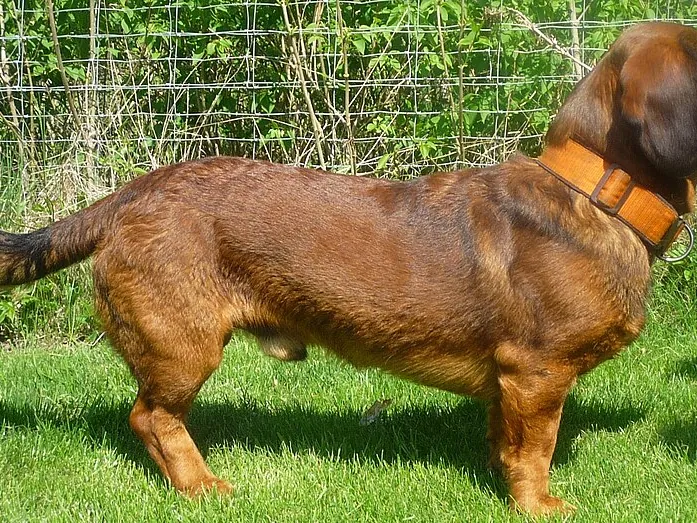
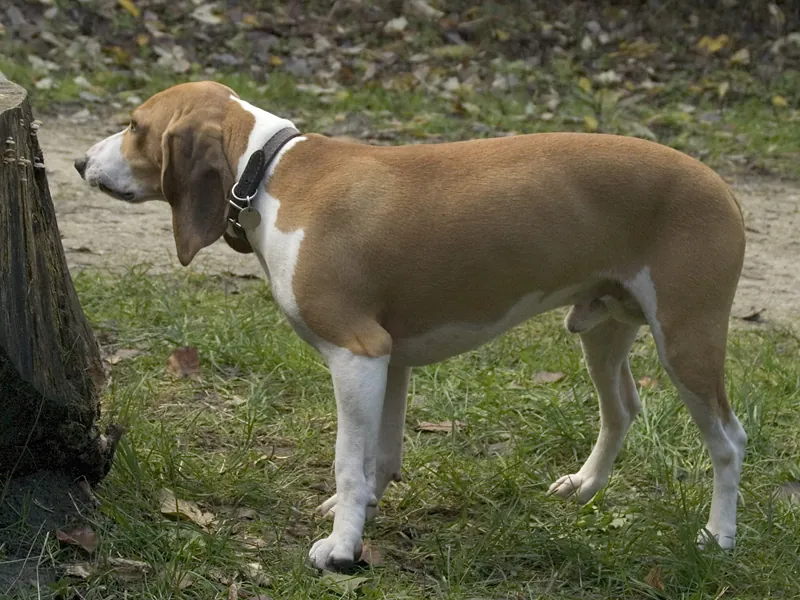
Picardy SpanielA gentle French pointer for marsh and field
The Picardy Spaniel, or Épagneul Picard, is a French pointing dog from the marshes and woods of Picardy. It is gentle, easy to train and family-friendly, with a strong hunting drive and high exercise needs. It suits active, outdoorsy owners, ideally hunters or dog sport enthusiasts.
Why people love the Picardy Spaniel
- Gentle, even-tempered and affectionate
- Easy to train with positive methods
- Good with children and other dogs
- Versatile in marsh, field and water
- Generally robust health
Things to consider
- Needs 1.5 to 2 hours of activity daily
- Strong hunting drive around birds
- Hanging ears prone to infection
- Gains weight if under-exercised
- Very rare outside France
Is this breed right for you?
10 questions · live resultHistory and Origin
The breed developed in Picardy in northern France, around the Somme bay, where hunters needed a versatile dog that could point and retrieve both in marshes and woods. A standard was written in the early 20th century, and a breed club was founded in the 1920s.
It is closely related to the Blue Picardy Spaniel, which is a separate breed. It is rare outside France.
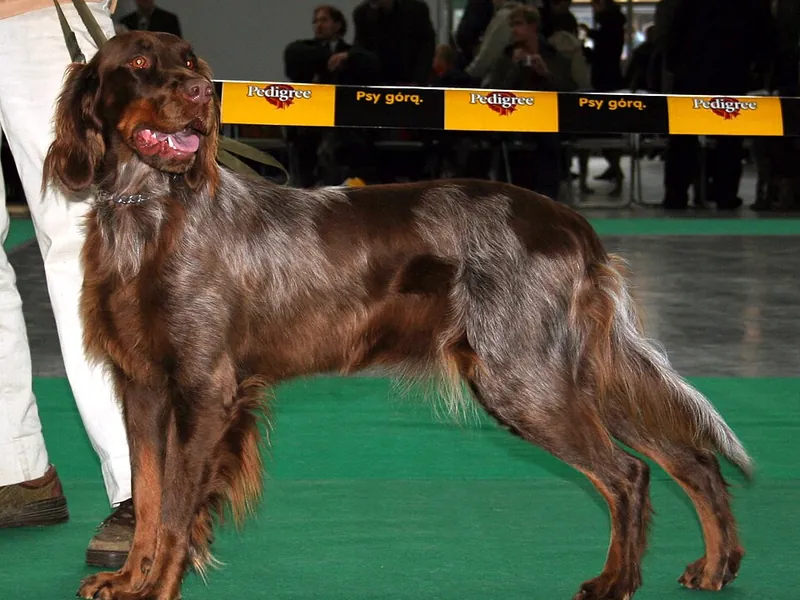
The breed is considered one of the older French spaniel types, descended from setting spaniels used in France for centuries. It works in marshes, fields and woods, pointing birds and retrieving from water. Its coat is gray mottled with brown patches and tan markings, giving it good camouflage in wetlands.
Numbers declined in the 20th century as English pointing breeds became popular in France, but French breeders kept the breed going. It remains rare outside France and is not recognized by the AKC or The Kennel Club.
Size, Colors and Coat
The Picardy Spaniel is a strong, well-built pointing dog standing 22 to 24 inches at the shoulder and weighing 40 to 51 lb. Males are slightly larger and heavier, with broader heads, while females are more refined.
It has a wide chest, a slightly sloping croup and strong legs suited to marsh and field work. The head is broad with a slightly domed skull, and the ears are set low, framed with silky, wavy hair.
The coat is thick, slightly wavy and fine in texture, with feathering on the ears, legs and tail. The color is distinctive:
- Gray mottled (grizzled) coat with brown patches
- Tan markings on the head and legs
This mottled gray and brown look provides camouflage in wetlands. The tail is long and slightly curved, carried horizontally when working. The closely related Blue Picardy Spaniel has a black and white base with a bluish ticked look and is a separate breed.
Temperament and Personality
The Picardy Spaniel is gentle, affectionate and biddable. It is usually good with children and calm at home when exercised. Its hunting drive is strong.
Picardy Spaniels are known for their gentle, even disposition. They bond closely with their family and are typically friendly with visitors and other dogs.
They are sensitive and do not respond well to harsh handling. Small pets and birds may trigger hunting behavior, so introductions must be supervised.
At home it is usually calm, gentle with children and relaxed with other dogs, which makes it a good family dog for active households.
Is the Picardy Spaniel Good for First-Time Owners?
A Picardy Spaniel can suit a first-time owner who leads an active outdoor life, thanks to its gentle temperament and trainability.
It is biddable and forgiving, which helps beginners. The challenges are practical: 1.5 to 2 hours of daily activity, recall training around birds and regular ear care after swimming. First-time owners should plan a weekly routine with long walks, retrieving and water work. Finding a puppy is also a challenge, since breeders are mostly in France and often prefer hunting homes. A gundog training class gives novice owners guidance and structure.
Are Picardy Spaniels Good with Cats?
Many Picardy Spaniels live peacefully with cats, especially when they are raised together.
The breed is gentle and sociable, and its hunting drive is focused mainly on birds. A puppy that grows up with a calm cat usually treats it as part of the household. Adult dogs without cat experience may show interest or chase at first. Introduce them gradually, keep the dog on a leash for early meetings and give the cat high escape routes. Pet birds and small animals should be kept secure, since they are more likely to trigger hunting behavior.
Are Picardy Spaniels Easy to Train?
Yes, Picardy Spaniels are generally easy to train, with a cooperative and sensitive nature that responds well to positive methods.
They learn retrieving, obedience and field skills readily and enjoy working closely with their handler. Training should be calm and consistent; harsh handling makes this soft breed withdraw. The main challenge is the hunting drive: birds and scent can override cues, so recall needs early work, high-value rewards and practice on a long line. Hunting tests, retrieving work and scent games help channel its energy and strengthen the bond with its owner.
Exercise and Training
Plan on 1.5 to 2 hours of daily activity, ideally including field work, swimming or running. It is generally easy to train with positive methods.
- Field work, hunting tests and retrieving games fit its instincts.
- Most love water; let it swim safely when possible.
- Teach recall early with high-value rewards.
- Give it mental tasks, such as scent games, on days without fieldwork.
Grooming and Shedding
The slightly wavy coat needs weekly brushing. Check ears regularly.
The medium-length, slightly wavy coat with feathering on the ears and legs needs weekly brushing, more after field outings when burrs collect. Shedding is moderate. Dry ears after swimming to reduce infections.
Feeding and Nutrition
Picardy Spaniels gain weight easily when under-exercised, so match portions to activity. A dog working in marshes several days a week needs noticeably more food than one getting long walks only, and needs drop after the hunting season. Check body condition regularly: ribs should be easy to feel and a waist should be visible under the coat.
- Feed puppies three or four meals a day and adults two.
- Keep puppies lean to support healthy joint development.
- Avoid feeding right before hard work; offer the main meal after exercise and rest.
- Use a narrow, deep bowl to keep the feathered ears dry and clean.
- Count training treats as part of the daily ration.
Swimming and cold-water work burn extra energy, especially in winter, so working dogs may need slightly more food during those months.
Fresh water should always be available, particularly after exercise. If you notice weight changes without a change in activity, a vet check can rule out underlying causes.
| Adult weight | Less active | Typical adult | Very active |
|---|---|---|---|
| 40 lb | 860 kcal | 980 kcal | 1,230 kcal |
| 51 lb | 1,030 kcal | 1,180 kcal | 1,480 kcal |
Estimates use the resting energy formula veterinarians work with (70 × body weight in kg0.75) and standard activity factors. Use the feeding guide on your food as a starting point and adjust to body condition. Puppies, seniors, pregnant animals and pets that need to lose weight have different needs, so ask your vet.
Health and Lifespan
The breed is considered robust; reported issues include ear infections, joint wear and weight gain. Lifespan is typically 12 to 14 years.
- Ear infections, due to hanging ears and frequent water work.
- Hip dysplasia and joint wear; ask for screened parents.
- Weight gain if under-exercised.
Picardy Spaniel Price and Cost of Ownership
The Picardy Spaniel is very rare outside France, and finding a puppy in the US usually means importing from French breeders. Expect waiting lists, application processes and transport costs. Prices vary by breeder, region and lines, and import costs can add significantly to the total.
Breed-specific cost drivers include:
- Import and transport expenses
- Hip screening of parents
- Gundog training, hunt tests or retrieving classes
- Vet care for recurring ear infections from water work
- Vet care for field injuries, grass seeds and ticks
- Pet insurance that covers joint problems
Grooming costs are moderate, mostly home brushing and occasional tidying of the feathering.
Is the Picardy Spaniel Right for You?
The Picardy Spaniel suits hunters and active families. It is not suited to apartments.
It is a lovely companion in rural or suburban homes with access to fields, water and woods. It is not well suited to apartment life or owners away all day. Expect to contact French breeders, since puppies are rarely available elsewhere.
Picardy Spaniel Traits at a Glance
Picardy Spaniel FAQ
How big do Picardy Spaniels get?
They stand about 22 to 24 inches and weigh roughly 40 to 51 pounds.
Are Picardy Spaniels good family dogs?
Yes, with active families.
How long do Picardy Spaniels live?
About 12 to 14 years.
Is the Picardy Spaniel the same as the Blue Picardy Spaniel?
No. They are related but separate breeds; the Blue Picardy Spaniel has a blue-gray speckled coat.
Do Picardy Spaniels like water?
Most do. They were bred to work in marshes and retrieve from water.
How much exercise does a Picardy Spaniel need?
Plan on 1.5 to 2 hours a day.