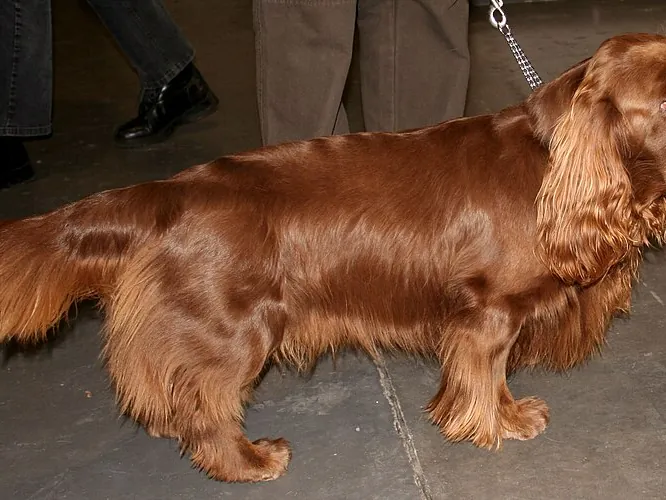
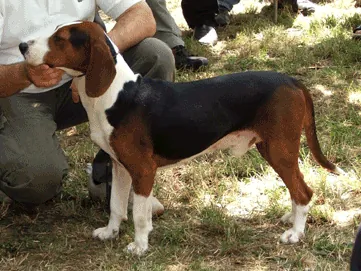
Styrian Coarse-haired HoundAustria's rugged mountain scent hound
The Styrian Coarse-haired Hound is a tough, wiry scent hound from the mountains of Austria, bred to track game over steep, rough terrain. Determined and hardworking, it is first and foremost a hunting dog and fits best with active hunters or very outdoorsy owners in rural areas.
Why people love the Styrian Coarse-haired Hound
- Loyal and friendly with its owners
- Persistent, focused tracker of wounded game
- Weatherproof, low-maintenance coat
- Considered healthy and robust
- Calm and affectionate at home when worked
Things to consider
- Needs a lot of daily activity and scent work
- Strong-willed; recall is challenging
- Can be dominant with other dogs
- Not suited to city or apartment life
- Very hard to find outside Austria
Is this breed right for you?
10 questions · live resultHistory and Origin
The breed was developed in Styria, Austria, in the 1870s by Karl Peintinger, who crossed a Hanoverian Scenthound with an Istrian Coarse-haired Hound. His goal was a hardy, weatherproof hound that could cope with mountainous terrain and harsh climates while maintaining scenting ability.
The Styrian hound is used for tracking wounded game and hunting boar, often working on a long trail. In Austria and Germany, breeding is closely tied to hunting clubs, and puppies typically go to active hunters who have passed working tests. The FCI recognizes the breed in the scent hound group.
Size, Coarse Coat and Colors
The Styrian Coarse-haired Hound is a medium-sized, muscular scenthound standing about 18 to 21 inches and weighing roughly 33 to 40 lb. Males are generally a little larger and more substantial than females. The body is slightly longer than tall, with a deep chest and strong, sinewy legs built for mountain terrain.
The head is long with a slight beard, giving a serious expression. The ears are medium-sized, flat and hang close to the head. The tail is long, thick at the root and carried in a slight curve.
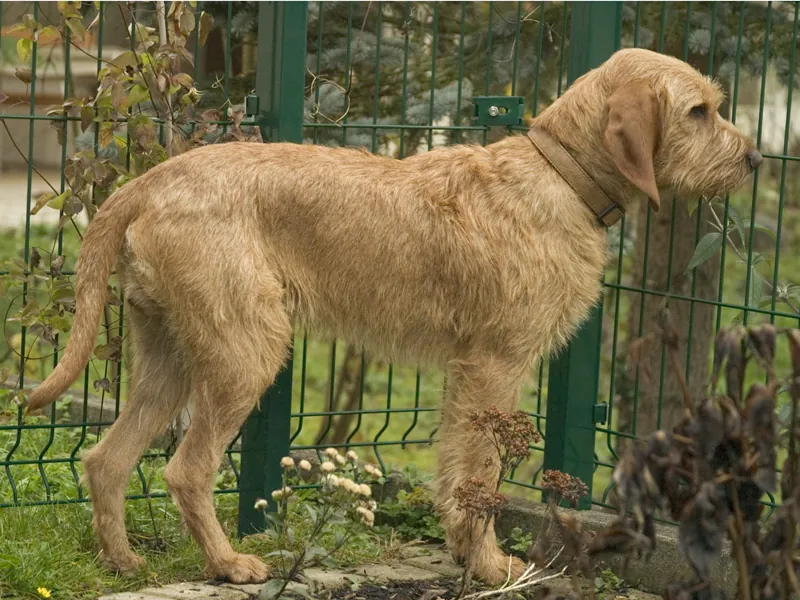
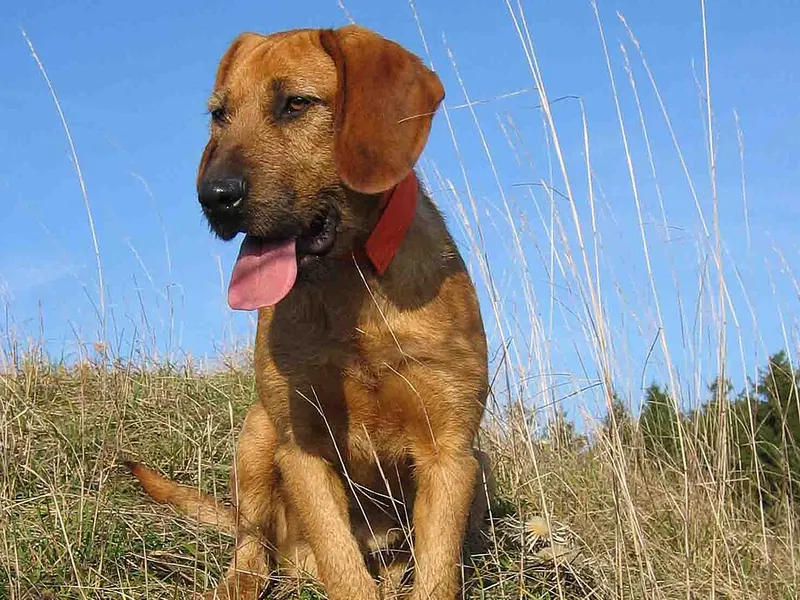
The coat is the breed's defining feature: rough, harsh and coarse, never silky or woolly, about 1 to 1.5 inches long and lying close to the body. The head carries a short beard. The standard calls for red or fawn shades. A small white mark on the chest is allowed. The coat should look rustic and weatherproof, reflecting the breed's work in cold, wet mountain conditions.
Temperament and Personality
Styrian hounds are energetic, focused and persistent on a trail. With their owners they are loyal and friendly, but they can be strong-willed and sometimes dominant with other dogs. Their voice on the trail is part of their working style.
They are not a typical family pet. Away from hunting, they can become frustrated and hard to manage. The right home combines companionship with regular, real work.
At home, a well-exercised Styrian hound can be calm and affectionate. Hunters value its steadiness and its ability to work quietly until the game is found, when the voice comes into play.
Is the Styrian Coarse-haired Hound Good for First-Time Owners?
No. The Styrian hound is a specialized working hound that needs experienced handling, regular scent work and an active rural life.
Its strong will, independence on a scent and need for real work make it challenging for beginners. In Austria and Germany, puppies typically go to active hunters who have passed working tests. First-time owners without hunting or tracking experience rarely meet the breed's needs. If you are drawn to the Styrian hound, connect with hunting clubs and experienced owners first. A tracking group or club can also help you judge whether the breed truly fits your life.
Do Styrian Coarse-haired Hounds Bark a Lot?
They are vocal on the trail, but often quiet at home when well exercised. Hunters value the breed's ability to work quietly until the game is found, when the voice comes into play.
Boredom can lead to barking or howling, especially when the dog lacks work or is left alone for long periods. Regular scent work, long hikes and companionship keep barking to a minimum. Close neighbors may notice the hound's voice during frustration or excitement. Teaching a quiet cue early also helps in multi-dog kennels.
Are Styrian Coarse-haired Hounds Good with Other Dogs?
It varies. Styrian hounds can be strong-willed and sometimes dominant with other dogs, especially same-sex dogs.
Early socialization with a range of dogs helps. Introductions should be calm and gradual, and same-sex pairings may need careful management. Many Styrians do well in hunting settings with other working dogs. Dog parks may not be ideal for dogs that tend to be dominant. Small pets should be kept away due to the hound's prey drive. Walking with calm, known dogs builds good habits.
Exercise and Training
This breed needs a lot of daily activity, ideally in nature, and regular scent work or hunting. Long hikes, mantrailing and blood tracking are good substitutes for hunters who only hunt seasonally.
Training requires consistency and experience. Scent hounds follow their noses, so recall is challenging, and a long line or fenced area is wise. Rewards work well, combined with clear routines. The breed copes poorly with long stretches alone and is not suited to apartment life.
Young dogs benefit from early, structured introduction to tracking. Hunting clubs in Austria and Germany often offer training and testing, which can be valuable for owners who want to work their dog.
Grooming and Shedding
The rough, harsh coat is weather-resistant and usually red to wheaten, sometimes with a small white mark on the chest. Brush weekly to remove dead hair and check for burrs, ticks and cuts after outings. The ears should be checked regularly, especially after work in dense undergrowth.
The coat should never look silky or woolly. A weatherproof, harsh texture is what lets the dog work in cold, wet mountain conditions, so avoid frequent bathing and harsh shampoos.
Feeding and Nutrition
Styrian hounds are working dogs, and food needs vary with how much they track and hunt. A dog working long trails in the mountains may need considerably more food than one with lighter activity. Feed a complete diet in two meals a day and keep the dog lean and well muscled.
Like many hounds, they can gain weight easily if exercise drops. Check body condition by feeling the ribs under the harsh coat.
Sensible bloat precautions apply to deep-chested hounds: two meals a day and no hard exercise shortly before or after eating.
Food is a useful motivator in training, but keep treats small and count them toward the daily ration. On long tracking days, carry water and a small snack. Puppies should grow steadily on a diet suited to medium-breed growth.
| Adult weight | Less active | Typical adult | Very active |
|---|---|---|---|
| 33 lb | 750 kcal | 850 kcal | 1,070 kcal |
| 40 lb | 860 kcal | 980 kcal | 1,230 kcal |
Estimates use the resting energy formula veterinarians work with (70 × body weight in kg0.75) and standard activity factors. Use the feeding guide on your food as a starting point and adjust to body condition. Puppies, seniors, pregnant animals and pets that need to lose weight have different needs, so ask your vet.
Health and Lifespan
The breed is considered healthy and robust, which breeders attribute in part to a focus on working ability and careful selection. No breed-specific inherited defects are well known. Reliable lifespan data are limited, but medium-sized working hounds typically live into their early teens with good care. Hip screening of breeding dogs is a sensible precaution, and working dogs should be checked regularly for injuries.
Styrian Coarse-haired Hound Price and Cost of Ownership
The Styrian Coarse-haired Hound is very rare outside Austria and neighboring countries and not recognized by the AKC. There is no reliable typical US price range. Prices vary by breeder, region and lines, and in Austria and Germany breeders often place puppies only with active hunters. Importing adds transport and paperwork costs. Ask breeders about hip screening of parents.
Rescue dogs of this breed are essentially unavailable in the US.
Ongoing costs are driven by hunting and tracking. Hunting gear, GPS collars and training or testing through hunting clubs are common expenses. Grooming is minimal. Pet insurance is worth considering for injuries in working dogs.
Is the Styrian Coarse-haired Hound Right for You?
This breed is a good fit if you:
- Hunt, or do regular tracking work
- Live rurally with space and access to forests or mountains
- Have experience with scent hounds
It is not suitable for city living, first-time owners or homes looking for a casual companion. Outside Austria and neighboring countries, finding a puppy is difficult.
Styrian Coarse-haired Hound Traits at a Glance
Styrian Coarse-haired Hound FAQ
Is the Styrian Coarse-haired Hound a good family dog?
It is loyal to its owners but is mainly a working hound. It does best with hunters or very active rural families.
How big does a Styrian Coarse-haired Hound get?
Adults stand about 18 to 21 inches tall and weigh roughly 33 to 40 lb.
What is the Styrian hound used for?
Tracking wounded game and hunting, especially boar, in mountainous terrain.
Can Styrian hounds live in apartments?
Generally no. They need space, plenty of outdoor time and regular scent work.
Does the Styrian hound shed?
It sheds moderately. The wiry coat needs only weekly brushing.