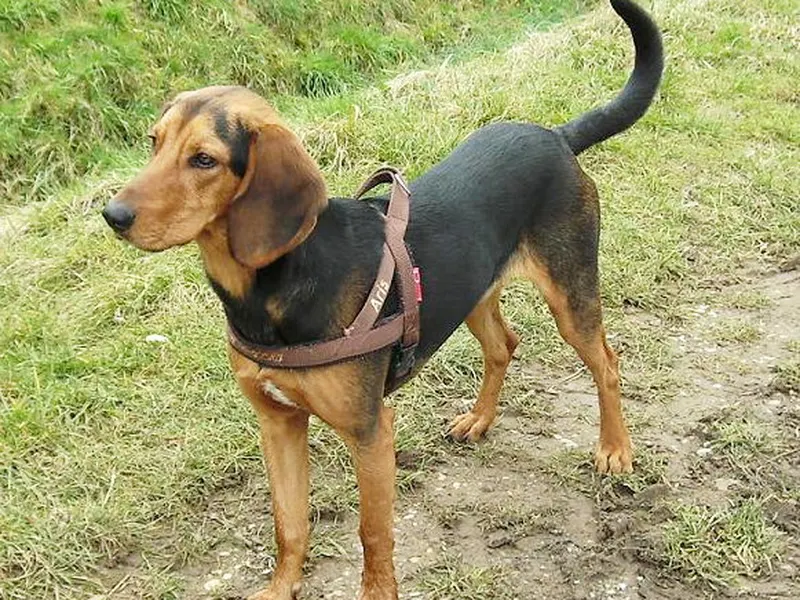
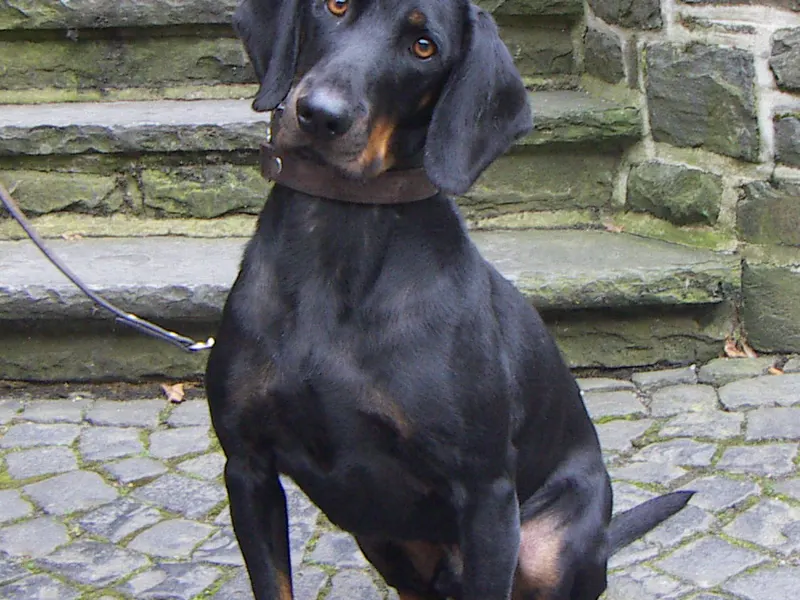
Cretan HoundCrete's swift hare hunter
The Cretan Hound is a lean, agile hunting dog from Crete that combines a scenthound's nose with a sighthound's speed. Quiet and sensitive at home but intensely driven outdoors, it suits experienced owners who can give it safe running and scent work.
Why people love the Cretan Hound
- Calm, quiet and affectionate indoors
- Combines scenting and sighthound speed
- Short, smooth coat needs minimal care
- Robust, primitive type with few documented health issues
- Agile and athletic partner for lure coursing
Things to consider
- Extremely strong prey drive; small pets at risk
- Recall unreliable around game
- Needs regular full-speed running in fenced areas
- Feels the cold; needs coats in winter
- Nearly impossible to find outside Greece
Is this breed right for you?
10 questions · live resultHistory and Origin
The Cretan Hound, or Kritikos Lagonikos, is a primitive breed from the Greek island of Crete. It is widely regarded as one of the oldest hunting dog types in Europe, and dogs of similar shape appear in ancient Mediterranean art. On Crete it has been used for generations to hunt hare and other small game across rocky hillsides and gorges.
It sits between scenthounds and sighthounds: it tracks by scent, then switches to sight and speed when the quarry is flushed. The breed is recognized in Greece and has a written standard. Adults stand about 20 to 24 inches and weigh roughly 33 to 44 lb.
Size, Colors and Coat
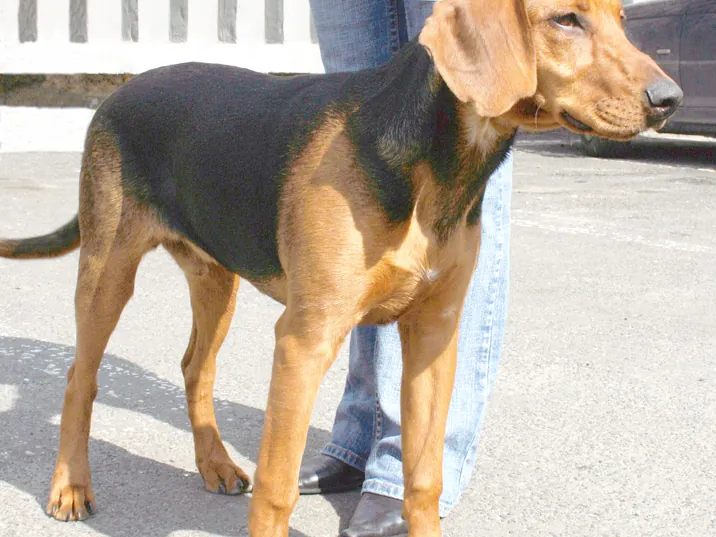
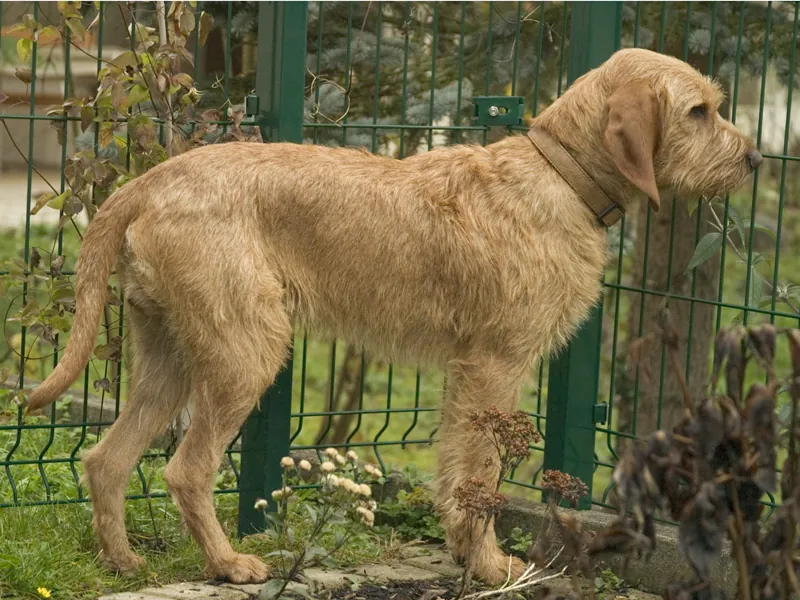
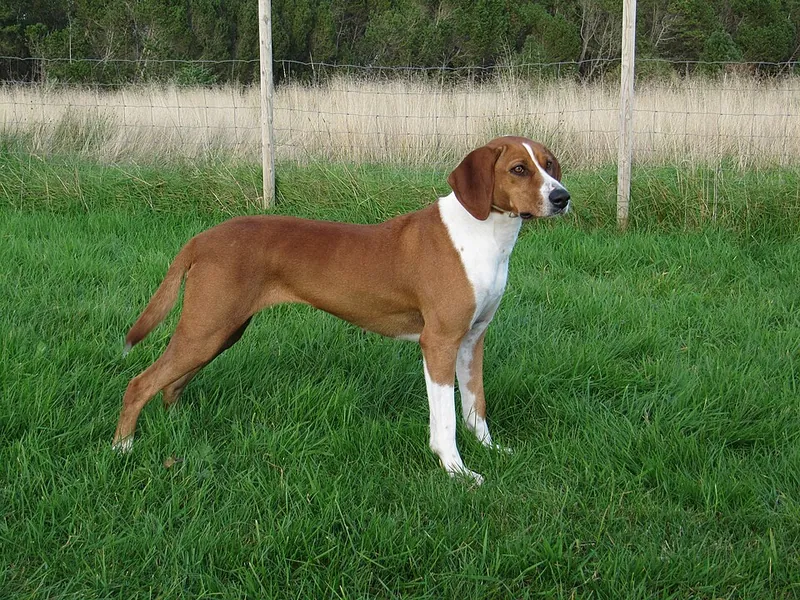
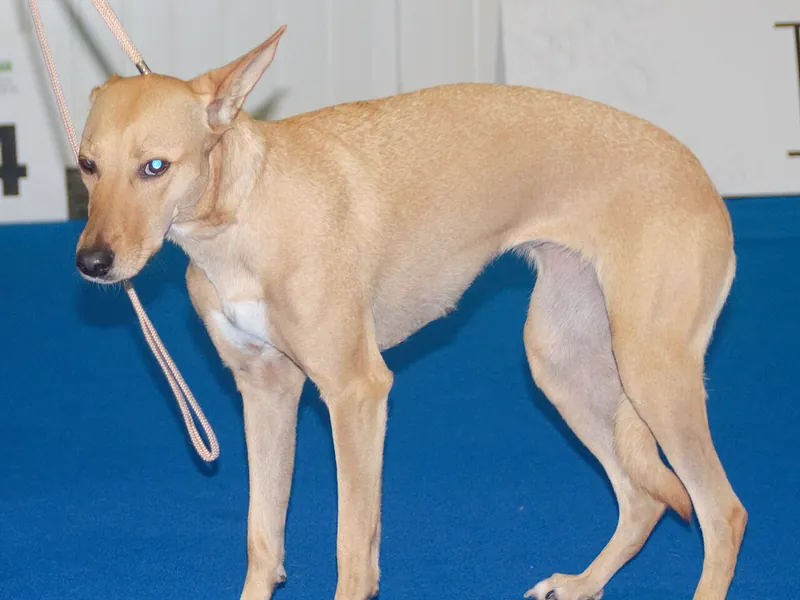
The Cretan Hound is a lean, light-framed hunting dog standing 20 to 24 inches at the shoulder and weighing 33 to 44 lb. Males are usually slightly larger and stronger than females, but both have a slender, flexible build designed for quick turns over rocky ground.
The body is slightly longer than tall, with a deep but not broad chest, a tucked-up belly and long, sinewy legs. The head is long and wedge-shaped, and the ears are carried upright or semi-erect, often folding back when the dog runs. One of its most recognizable features is the tail, which is long and typically curls upward into a ring or sickle, especially when the dog is alert.
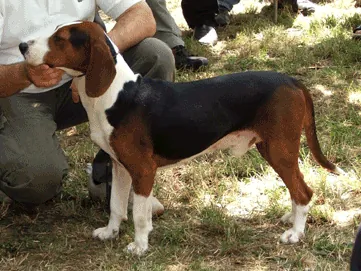
The coat is short, dense and smooth. A wide range of colors occurs:
- White, cream, fawn and sandy
- Gray, brindle and black
- Any of these combined with white in bicolor or tricolor patterns
Temperament and Personality
Indoors, Cretan Hounds are typically calm, sensitive and affectionate with their family. They tend to be reserved with strangers but are not guardians.
Outdoors, the hunting drive takes over. They are fast, agile and highly motivated by movement and scent, and they can be off after a hare in an instant. Owners need to plan for this rather than hope to train it away.
Is the Cretan Hound Good for First-Time Owners?
No, the Cretan Hound is better suited to experienced owners, especially those familiar with sighthounds or hunting hounds.
Its quiet manners indoors can be misleading. Outdoors it is fast, independent and focused on movement and scent, which makes recall unreliable. First-time owners must be comfortable keeping the dog leashed in open spaces, building tall, secure fencing and arranging safe running sessions several times a week. The breed is sensitive, so pressure-based training backfires. Novices who want a calm hound would usually do better with a more common sighthound that has established breeders and trainers nearby.
Can a Cretan Hound Live in an Apartment?
A Cretan Hound can rest calmly in an apartment, but it needs regular opportunities to run at full speed in secure areas, which city life rarely provides.
Indoors, these hounds are usually quiet and enjoy soft bedding. The challenge is outdoors. They need long daily walks and several weekly sprints in enclosed spaces such as fenced fields or lure coursing grounds. Leashed walks in urban areas can be stressful for a dog that reacts to every cat and pigeon. Owners in apartments should have reliable access to running areas before choosing this breed.
Are Cretan Hounds Easy to Train?
Cretan Hounds learn basic manners readily, but they are independent hunters and training rarely overrides their instinct when prey appears.
They respond best to gentle, reward-based methods, short sessions and plenty of variety. House manners, leash walking and handling are realistic goals. Reliable off-leash recall in open country is not. Use a long line to practice, and channel the hunting drive into scent games, tracking and lure coursing. Harsh corrections make this sensitive breed withdraw. Patience and realistic expectations matter more than intensive obedience drills.
Exercise and Training
This is a very athletic dog. It needs daily long walks plus regular chances to run at full speed in a securely fenced area. Scent games, tracking and lure coursing are excellent outlets.
- Keep it on a leash or long line in unfenced areas; recall around game is unreliable.
- Fences need to be high and secure. Agile hounds can jump or climb.
- Use gentle, reward-based training. It is sensitive and responds poorly to pressure.
- It copes poorly with long periods alone.
Grooming and Shedding
The short, smooth coat needs minimal care: a weekly once-over with a rubber mitt, plus nail trims and dental care. Its lean body and thin coat mean it may need a coat in cold or wet weather and soft bedding indoors.
After runs in rough terrain, check paws and skin for cuts and thorns.
Feeding and Nutrition
Cretan Hounds are naturally lean, with visible hip bones and a faint outline of the last ribs when fit. This is normal for a running hound; adding weight to cover the bones puts strain on joints and reduces stamina. Judge condition with your vet's help, then weigh regularly.
Energy needs vary widely. A hound hunting or running daily needs considerably more food than one living mainly as a companion, so adjust portions to activity and body condition. Cold weather can also increase needs in a dog with little body fat.
- Feed puppies three or four meals a day and adults two.
- Feed after running, not right before, and allow a rest period afterward.
- Keep food and trash secured; agile hounds can reach counters.
- Use small, high-value treats for recall training, deducted from the daily ration.
No breed-specific food sensitivities are documented. Persistent digestive or skin problems should be investigated by a vet.
| Adult weight | Less active | Typical adult | Very active |
|---|---|---|---|
| 33 lb | 750 kcal | 850 kcal | 1,070 kcal |
| 44 lb | 930 kcal | 1,060 kcal | 1,320 kcal |
Estimates use the resting energy formula veterinarians work with (70 × body weight in kg0.75) and standard activity factors. Use the feeding guide on your food as a starting point and adjust to body condition. Puppies, seniors, pregnant animals and pets that need to lose weight have different needs, so ask your vet.
Health and Lifespan
No typical breed diseases are documented, and the Cretan Hound is described as a robust, primitive type shaped by natural selection and work. Reliable lifespan data is not available. Practical risks include injuries during high-speed running and, as with some lean hounds, sensitivity to cold.
Ask breeders about the health of the parents and choose dogs from established working lines.
Cretan Hound Price and Cost of Ownership
Cretan Hounds are essentially unavailable from US breeders. Puppies come almost exclusively from Crete, where most dogs live with hunters, and importing one involves transport, paperwork and a reliable contact on the island. Prices vary by breeder, region and lines, and there is no meaningful US price range. Some hunting-dog rescue groups in Greece rehome hounds abroad, including Cretan Hounds and mixes.
Breed-specific cost drivers include:
- Import and travel expenses
- Tall, secure fencing for an agile jumper
- Access to fenced fields or lure coursing events
- Vet care for running injuries such as cuts and torn pads
- Winter coats and soft bedding
Grooming costs are negligible thanks to the short coat.
Is the Cretan Hound Right for You?
The Cretan Hound suits experienced hound or sighthound owners with secure outdoor space and time for daily exercise. It is not a good choice for homes with cats or small pets, for apartments or for people who want off-leash walks in open country.
- Good fit: hunters, lure coursing enthusiasts, rural homes with tall fencing.
- Poor fit: small pets in the home, long workdays, city living.
Cretan Hound Traits at a Glance
Cretan Hound FAQ
How big do Cretan Hounds get?
They stand about 20 to 24 inches tall and weigh roughly 33 to 44 lb.
Is the Cretan Hound a sighthound or a scenthound?
It combines both: it tracks game by scent and then pursues it at high speed by sight.
Are Cretan Hounds good pets?
They can be calm and affectionate at home, but their strong hunting drive requires experienced owners and secure space.
Do Cretan Hounds shed?
Their short coat sheds lightly and needs only weekly grooming.
Can Cretan Hounds live with cats?
It is risky. Their prey drive is very strong, so small animals are usually not safe with them.
How much exercise does a Cretan Hound need?
A lot: long daily walks plus regular chances to sprint in a securely fenced area. Scent games and lure coursing are good extra outlets.