Tyrolean HoundTireless scenthound of the Tyrolean Alps
The Tyrolean Hound is a compact, hardy scenthound from Austria's Tyrol, bred to hunt independently in steep Alpine terrain. Passionate, keen-nosed and loud on the trail, it is a dog for experienced hunters and outdoor people rather than casual pet owners.
Why people love the Tyrolean Hound
- Fine nose and determination on the trail
- Friendly and loyal with its people
- Compact, agile and hardy in Alpine terrain
- Short, dense coat needs only weekly brushing
- Considered robust and healthy
Things to consider
- Loud, far-carrying voice on the trail
- Independent; challenging to train
- Needs lots of exercise and nose work
- Copes poorly with being alone
- Rare outside Austria
Is this breed right for you?
10 questions · live resultHistory and Origin
Hounds have been used for hunting in the Tyrol for centuries. Emperor Maximilian I, a keen hunter in the early 1500s, is often mentioned in connection with the region's hunting hounds. The modern Tyrolean Hound was standardized in the late 19th century and descends from older Celtic-type hounds adapted to mountain hunting.
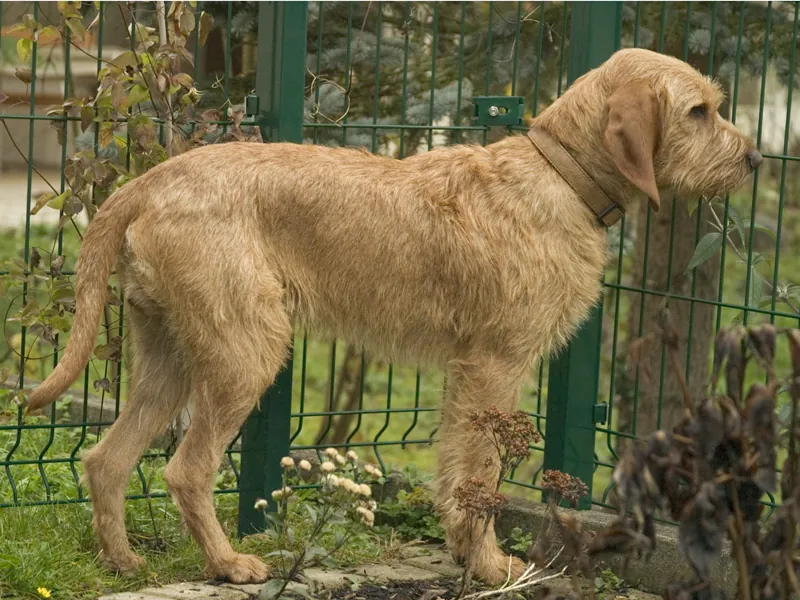
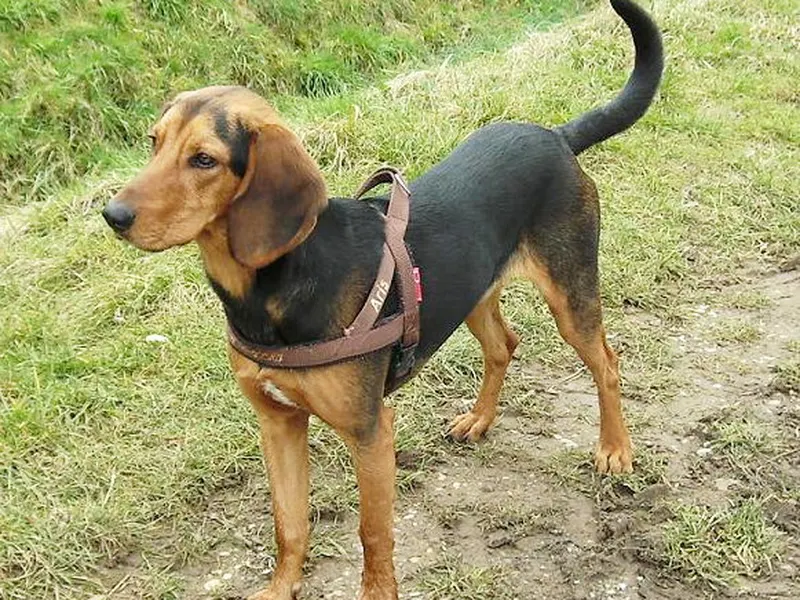
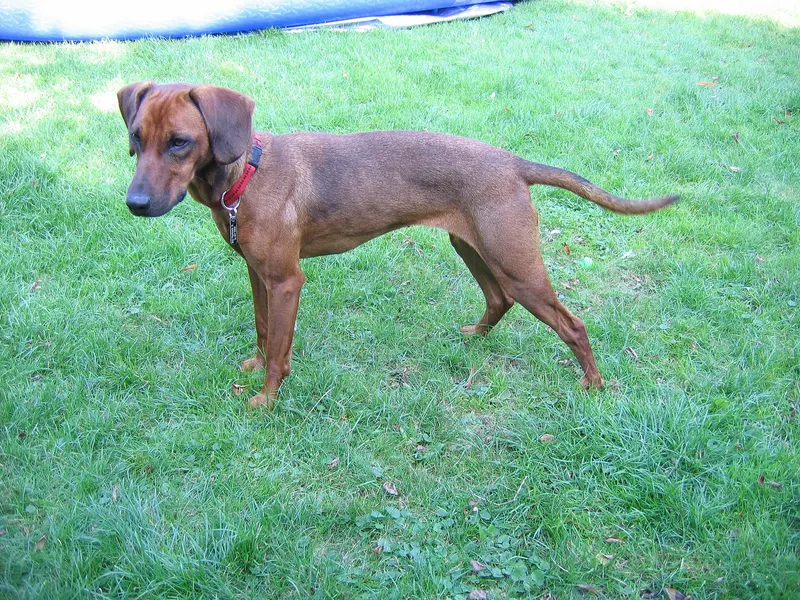
It is recognized by the FCI in Group 6. The breed comes in red and in black and tan, often with white markings. It is compact and agile at about 17 to 20 inches and roughly 35 to 49 lb, built to handle cold, snow and steep slopes while trailing hare and fox, and for tracking wounded game.
Size, Coat and Colors
The Tyrolean Hound is a compact, sturdy scent hound with a slightly longer-than-tall body, strong bones and good muscle for steep terrain. Adults stand 17 to 20 inches at the shoulder and weigh about 35 to 49 lb. Males are typically at the upper end of the height range, while females are a little smaller.
The coat is a dense double coat with a thick undercoat, short and harsh on top, offering protection against cold, snow and rain. It is slightly longer on the belly, the back of the thighs and the tail, which looks brush-like.
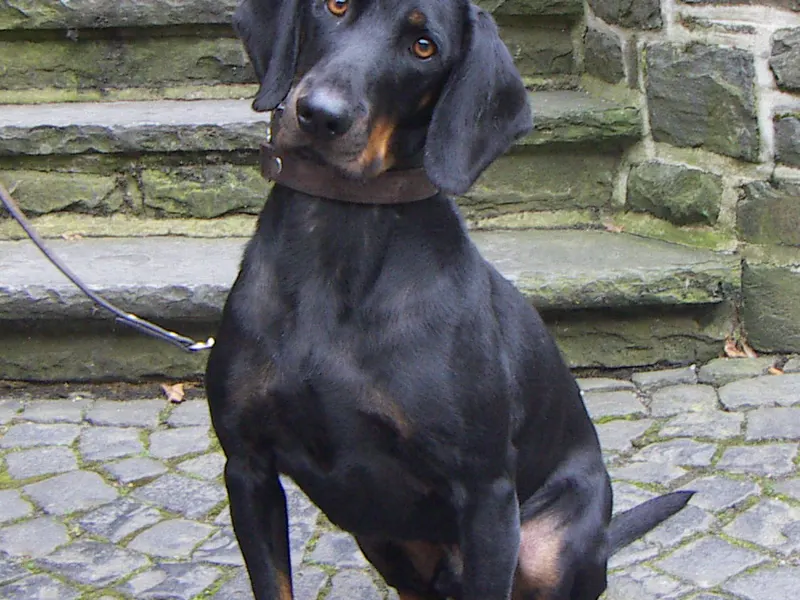
The standard recognizes two color varieties:
- Red: deep red to yellowish red
- Black and tan: black saddle with rich red-brown markings on the head, chest, legs and belly
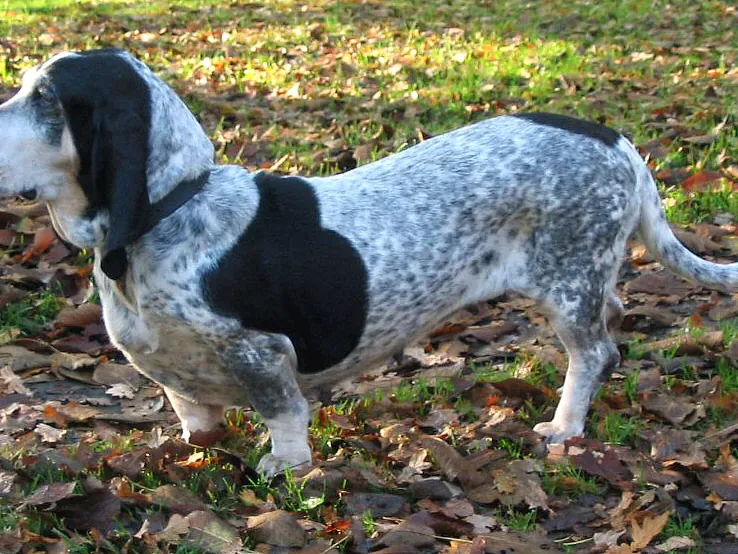
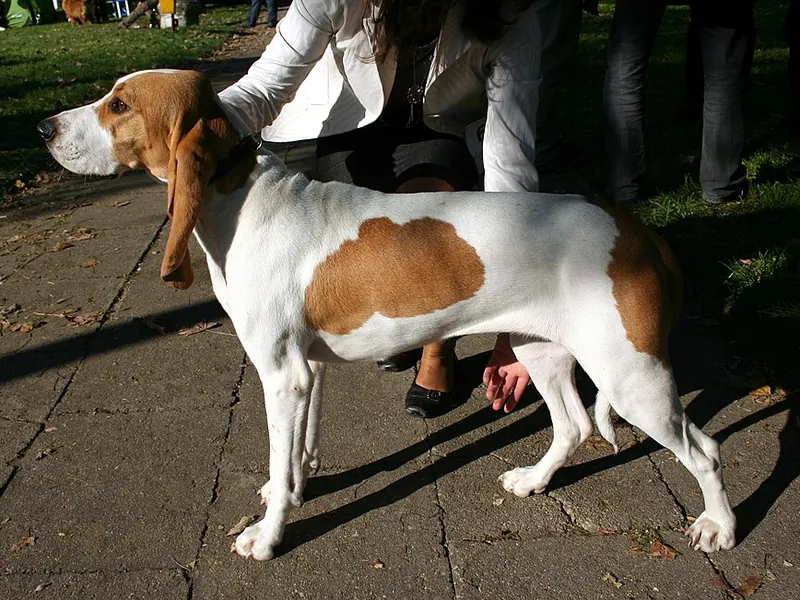
White markings are allowed in both varieties, such as a collar, chest marking, white feet or a blaze, often called Bracken markings.
The head is long and dry, with broad, rounded ears hanging close to the cheeks. The tail is set high and carried slightly curved.
Temperament and Personality
Tyrolean Hounds are passionate hunters with fine noses and a far-carrying voice on the trail. They are bred to work independently, often far from the hunter, which makes them self-reliant and determined.
With their people they are friendly and loyal. Their energy and drive mean they are better with older children than with small kids. Their independence also makes them more challenging to train than some other hounds.
Is the Tyrolean Hound a Good Family Dog?
For the right family, yes. Tyrolean Hounds are friendly and loyal with their people, and a well-exercised dog can be a pleasant housemate.
The right family typically has:
- Older children rather than toddlers, since the dog is energetic and driven
- A rural home with secure fencing
- Time for long daily outings and nose work
- Someone home much of the day
Families in town, with very young children or long workdays away from home, will likely find the breed difficult. Its voice and hunting instinct are part of every day.
Is the Tyrolean Hound Good for First-Time Owners?
Generally no. The breed is bred to work independently, often far from the hunter, and it puts scent ahead of commands.
Challenges for beginners include:
- Training an independent hound with strong drive
- Recall that fails around game
- A loud voice when bored or on a trail
- Daily exercise needs in varied terrain
In Austria, the breed is usually placed with experienced hunters. A first-time owner who is very active outdoors and works with experienced hound people may succeed, but most beginners should choose an easier breed.
Are Tyrolean Hounds Good with Cats?
Caution is wise. Tyrolean Hounds are passionate hunters bred to trail hare and fox, so running animals easily trigger their instinct to chase.
A puppy raised with a calm cat may accept it indoors, especially with careful, supervised introductions. Outdoors, the same dog may chase cats, including the family cat.
Households with cats should discuss the temperament of parent dogs with breeders and introduce a puppy early. Small pets such as rabbits, guinea pigs and birds should always be kept separate. Many working-line hounds have no experience with cats and may never be fully reliable.
Exercise and Training
This breed needs a lot of exercise and nose work. Long daily walks in varied terrain, regular tracking or trailing sessions and ideally hunting are needed to keep it balanced.
- Training requires patience and experience. Expect the dog to put scent ahead of commands.
- Use a leash or long line outdoors unless you are hunting.
- Keep fencing secure; it will follow a trail through gaps.
- It copes poorly with being left alone and can become very vocal.
Grooming and Shedding
The dense, short double coat protects against Alpine weather and needs only a weekly brushing, more during seasonal shedding. Clean the drop ears regularly, check paws after mountain hikes and look for ticks after time in the forest.
Feeding and Nutrition
The Tyrolean Hound works on steep, cold mountain terrain, which demands a lot of energy during hunting season. A dog trailing in snow and on slopes may need much more food in autumn and winter than in summer. Adjust portions with activity, season and body condition, aiming for a lean, muscular hound.
Puppies grow into compact, medium-sized dogs. A complete puppy food fed in measured portions supports steady growth, and young dogs should not be pushed on steep ground until their joints mature.
- Feed adults two meals a day.
- On long hunting days, offer a small breakfast and the main meal after work.
- Carry water and offer it often, even in cold weather.
- Dogs living or working outdoors in cold conditions may need more food to maintain weight.
Use food rewards in training and count them in the daily total. No breed-specific food sensitivities are documented. Watch weight in older, less active dogs.
| Adult weight | Less active | Typical adult | Very active |
|---|---|---|---|
| 35 lb | 780 kcal | 890 kcal | 1,110 kcal |
| 49 lb | 1,000 kcal | 1,150 kcal | 1,430 kcal |
Estimates use the resting energy formula veterinarians work with (70 × body weight in kg0.75) and standard activity factors. Use the feeding guide on your food as a starting point and adjust to body condition. Puppies, seniors, pregnant animals and pets that need to lose weight have different needs, so ask your vet.
Health and Lifespan
The VDH describes the Tyrolean Hound as robust and healthy, and its typical lifespan is about 12 to 14 years. Possible issues include ear infections due to the drop ears and joint problems. Hunting dogs working on steep terrain are also exposed to injuries.
Look for breeders who evaluate hips and know the health history of their lines.
Tyrolean Hound Price and Cost of Ownership
The Tyrolean Hound is very rare in the US and not recognized by the AKC. Most puppies are bred in Austria and neighboring countries, often for active hunters, so buying one usually means an import and building contact with European clubs. Prices vary by breeder, region and lines, and import costs add significantly.
Rescue is not a realistic route outside Central Europe.
Breed-specific ongoing costs include:
- Import, travel and paperwork
- Ear cleaning supplies and treatment of ear infections
- Tick prevention for dogs working in forests
- GPS tracking collars for hunting
- Tracking or mantrailing classes for non-hunting homes
- Insurance that covers joint problems and injuries
Is the Tyrolean Hound Right for You?
The Tyrolean Hound is right for experienced hunters and very active outdoor owners, ideally in rural or mountain areas. It is not suited to city life, first-time owners or homes where it would be alone much of the day.
- Good fit: hunters, tracking and trailing enthusiasts, rural homes.
- Poor fit: urban apartments, small children, close neighbors.
Tyrolean Hound Traits at a Glance
Tyrolean Hound FAQ
How big do Tyrolean Hounds get?
They stand about 17 to 20 inches tall and weigh roughly 35 to 49 lb.
Are Tyrolean Hounds loud?
Yes. They give voice on the trail and their bay carries far, and boredom can lead to howling.
Do Tyrolean Hounds shed?
Moderately. Their short, dense coat sheds seasonally and needs weekly brushing.
How long do Tyrolean Hounds live?
Typically about 12 to 14 years.
Can a Tyrolean Hound live in an apartment?
It is a poor fit. Its need for long outings, nose work and its carrying voice make a rural home with secure outdoor space far more suitable.
What colors do Tyrolean Hounds come in?
They come in red and in black and tan, often with white markings on the neck, chest or feet.