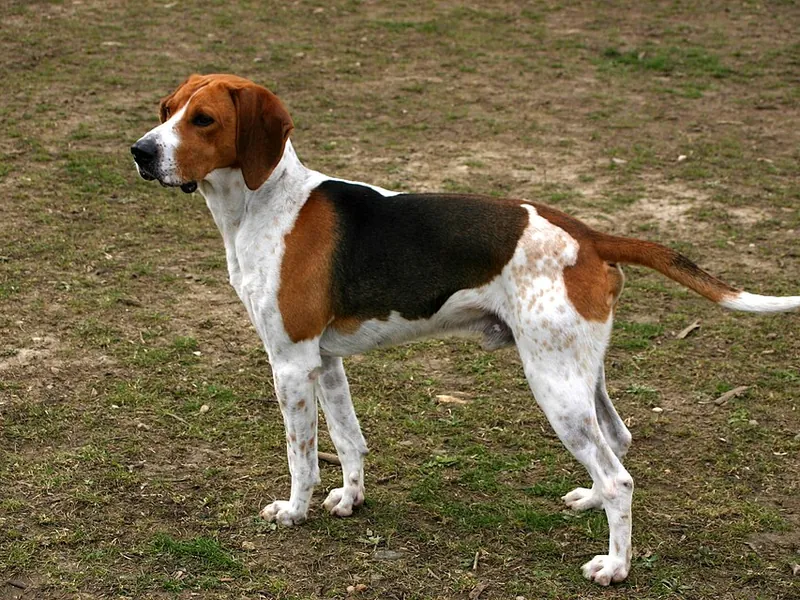
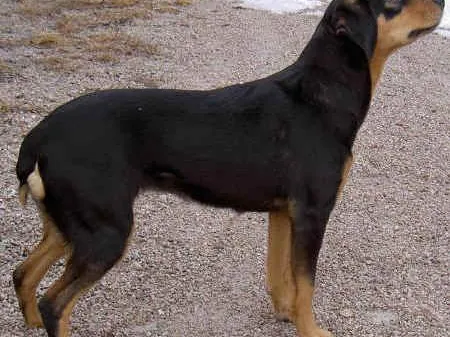
Russo-European LaikaBold hunting spitz from northern Russia
The Russo-European Laika is a compact, wedge-headed spitz from the forests of European Russia, bred to find game and hold it with a loud, persistent bark. Quiet indoors but intensely driven outside, it belongs with hunters or owners who can offer real work.
Why people love the Russo-European Laika
- Calm, alert and attached to its family at home
- Courageous, independent hunting partner for large and small game
- Effective watchdog that announces visitors
- Coat resists dirt and rarely needs baths
- Considered a robust working breed
Things to consider
- Intense hunting drive and very vocal outdoors
- Often intolerant of strange dogs, especially the same sex
- Cats and small livestock are usually unsafe
- Needs high daily exercise and real work
- Very rare outside Russia
Is this breed right for you?
10 questions · live resultHistory and Origin
The breed was developed from the hunting laikas of northern European Russia, including the Komi and Karelia regions. After the Second World War, Soviet breeders gathered the remaining dogs and standardized them into one breed, with the black-and-white coloring becoming its trademark.
Used on squirrel and marten as well as elk, boar and even bear, the Russo-European Laika is valued for courage around large game and for working independently, far from the hunter. The FCI recognizes it in Group 5.
Size, Coat and Colors
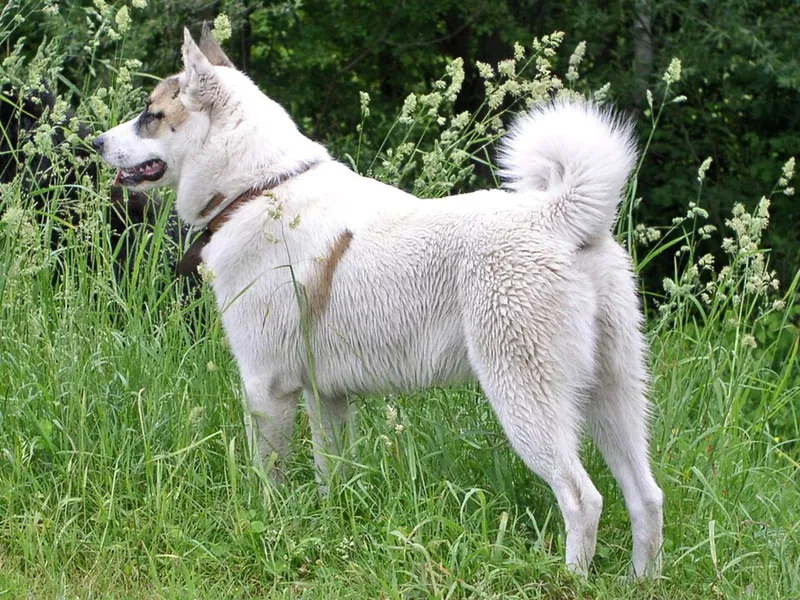
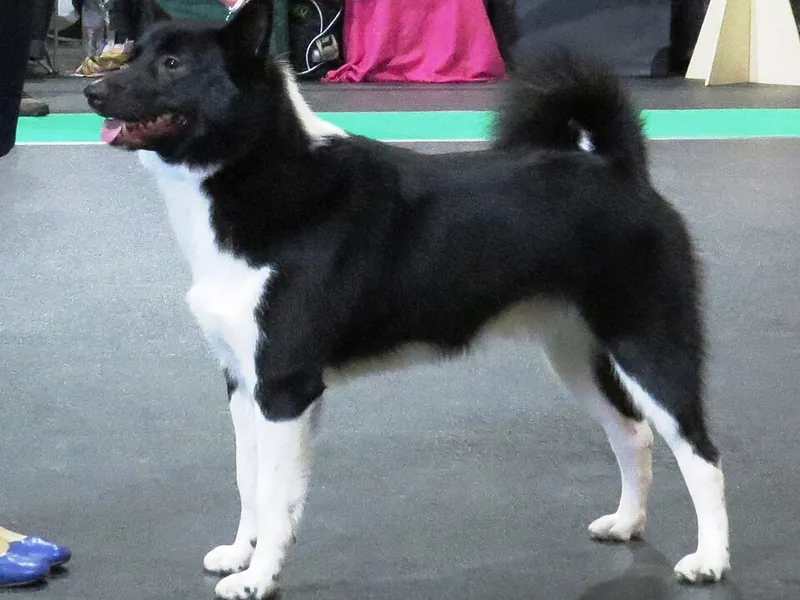
The Russo-European Laika is a compact, square-built spitz with a sharply wedge-shaped head, small erect triangular ears, dark oval eyes and a tail curled over the back in a ring or sickle. It is lean and muscular, built to move tirelessly through forests.
Adults stand about 19 to 23 inches at the shoulder. Males are taller and more robust, while females are slightly smaller and lighter. The standard does not set a weight range, and our data gives none, but dogs should be lean and athletic rather than heavy.
The double coat has a straight, harsh outer coat and a thick, soft undercoat. The hair is short on the head and ears, longer on the neck and shoulders where it forms a ruff, and forms light feathering on the backs of the legs and the tail.
Colors include:
- black and white, the most typical and recognizable pattern
- solid black
- white
- other combinations allowed by the standard, such as gray with white
Temperament and Personality
At home, a Russo-European Laika is typically calm, alert and attached to its family. It notices everything and will announce visitors, so it makes an effective watchdog.
Outdoors it is a different animal: highly passionate about game, bold with large animals and very vocal. Many are intolerant of strange dogs, particularly of the same sex, and most cannot be trusted with cats or small livestock. It is a one-job dog that is only truly fulfilled when hunting or doing something similar.
Owners often note that these dogs are surprisingly quiet and undemanding indoors once their exercise needs are met, saving their energy and voice for the forest.
Is the Russo-European Laika Good for First-Time Owners?
No. The Russo-European Laika is a dedicated hunting dog with intense drive, a loud voice and an independent mind, and it is difficult for owners without experience of working spitz breeds.
It needs high daily exercise in natural terrain, ideally real hunting or intensive scent and search work, plus training focused on recall, impulse control and leash manners. Many are intolerant of unfamiliar dogs and unsafe with cats and small livestock. First-time owners who want a spitz-type companion will usually be happier with a less driven breed. Experienced hunters in rural areas are the natural match.
Can a Russo-European Laika Live in an Apartment?
No, apartments do not suit this breed. Although many Russo-European Laikas are quiet and undemanding indoors once exercised, they need long daily runs or hikes in natural terrain and outlets for their hunting instincts.
In an apartment, those needs are hard to meet, and frustration often shows up as barking, roaming attempts and destructive behavior. Encounters with other dogs and cats in hallways and streets can also be challenging. A rural home with secure fencing, access to forests and an owner who hunts or does scent work is the right environment.
Can a Russo-European Laika Be Left Alone?
Only for moderate periods, and only after the dog has had enough exercise. A tired Russo-European Laika is often calm indoors, but a bored one may bark, dig or try to escape.
Teach alone time gradually from puppyhood and provide chews or puzzle toys. Avoid leaving the dog unsupervised in a yard, where it may dig under or climb over fences in pursuit of wildlife. Secure fencing matters even when you are home. For long workdays, arrange a dog walker or sitter who can handle a strong, driven dog. A compatible second dog may help, though same-sex pairings can be difficult.
Exercise and Training
Daily exercise needs are high: long runs or hikes in natural terrain, plus outlets for scent and search. Without them, expect barking, roaming and destructive behavior.
Training is demanding because the breed is clever but self-directed. Focus early on recall, impulse control and leash work, and accept that off-leash freedom may only be safe in suitable hunting grounds. Short, varied, reward-based sessions work better than repetition.
For non-hunters, the closest substitutes are long off-trail hikes on a long line, tracking, and search games where the dog has to find hidden people or objects. Without that kind of outlet the breed is rarely content.
Grooming and Shedding
The coat is straight and harsh with a thick undercoat. Weekly brushing is enough most of the year; during the seasonal shed, daily brushing keeps hair under control.
The coat resists dirt and rarely needs a bath. Check feet, ears and coat for ticks and injuries after time in the forest.
Feeding and Nutrition
The Russo-European Laika is a lean working dog, and its food needs rise and fall with the hunting season. A dog working in the forest in winter needs considerably more food than the same dog resting in summer.
- Feed puppies a food suited to medium-sized active breeds and keep them lean during growth to protect developing joints.
- Puppies do well on three or four meals a day, adults on two meals.
- Increase portions during the hunting season or in very cold weather and reduce them when activity drops.
- Avoid hard exercise right after meals.
Check body condition with your hands, since the double coat hides weight changes. Working dogs should be lean and muscular. Carry water and a small snack on long outings in the forest. Because breed-specific nutrition research is limited, discuss any diet changes with your veterinarian, especially for imported dogs. Use high-value food rewards for recall training, the biggest challenge with this breed.
Health and Lifespan
The Russo-European Laika is considered a robust working breed, and neither the FCI nor major kennel clubs list breed-specific hereditary diseases. Health research outside Russia is sparse, so screening parents for hip dysplasia and general soundness is a reasonable precaution.
Its thick coat makes it better suited to cool climates. Lifespan data is limited, but laika-type dogs are generally reported to live into their early teens.
Russo-European Laika Price and Cost of Ownership
The Russo-European Laika is extremely rare in the US, and there is no reliable typical US price. Most dogs are bred in Russia, Finland or elsewhere in Europe, so expect import costs and paperwork. Prices vary by breeder, region and hunting lines. Rescue dogs are almost never available in the US.
Breed-specific cost drivers include:
- Import expenses such as transport, health certificates and vaccinations
- Secure, dig-proof fencing and GPS tracking collars for hunting
- Hunting or scent-work training and equipment
- Hip screening and general health checks
- Tick prevention and checks after forest outings
Grooming costs are low, as the coat resists dirt and needs only regular brushing.
Is the Russo-European Laika Right for You?
This breed is realistically a hunter's dog. It fits owners who will work it on game or in intensive scent and search activities, in a rural setting with secure fencing.
- Good fit: experienced hunters, active outdoor people in cooler climates.
- Poor fit: apartments, first-time owners, homes with cats or small pets, long hours alone.
Russo-European Laika Traits at a Glance
Russo-European Laika FAQ
How big is a Russo-European Laika?
Adults are medium-sized, standing about 19 to 23 inches at the shoulder, with a lean, muscular build.
Do Russo-European Laikas bark a lot?
Yes. Barking at game is their job, and they are vocal watchdogs too. Expect a noisy dog without consistent training.
Are Russo-European Laikas good with other pets?
Usually not with cats or small animals, and many are intolerant of unfamiliar dogs. Early socialization helps but does not remove the hunting drive.
Is the Russo-European Laika a good family dog?
It can be calm and loyal with its own family, but it needs hunting or comparable work, so it suits few pet homes.
What colors do Russo-European Laikas come in?
Black and white is by far the most typical, along with solid black and some other combinations allowed by the standard.
Do Russo-European Laikas shed?
Yes. The dense double coat sheds moderately year-round and heavily during the seasonal molt.