West Siberian LaikaA tireless hunting spitz from the taiga
The West Siberian Laika is a medium-sized Russian spitz bred to hunt in the taiga, from squirrels and sable to elk and bear. It is fiercely independent, energetic and a natural watchdog. It is a breed for experienced, outdoorsy owners, ideally hunters, with plenty of space.
Why people love the West Siberian Laika
- Loyal, tough and hardy hunting partner
- Calm and affectionate at home when exercised
- Weather-resistant, low-odor coat
- Excellent endurance in forest and field
- Alert watchdog
Things to consider
- Very high energy and exercise needs
- Strong prey drive toward small animals
- Can be territorial with unfamiliar dogs
- Independent and demanding to train
- Rare outside Russia
Is this breed right for you?
10 questions · live resultHistory and Origin
The breed comes from the Ural Mountains and western Siberia, where Indigenous peoples such as the Khanty and Mansi kept laika-type dogs for hunting. The dogs tracked game by scent and hearing, then barked to hold it until the hunter arrived.
In the Soviet era, these regional types were standardized, and a breed standard for the West Siberian Laika was set in the mid-20th century. It is the most widespread of the Russian laikas but is still rare outside Russia.
Laikas were essential to life in the northern forests, where they provided food and furs for their owners. Each region produced its own type, and Soviet cynologists later grouped these into several breeds, including the Russo-European, East Siberian and West Siberian Laikas.
Size, Coat and Colors
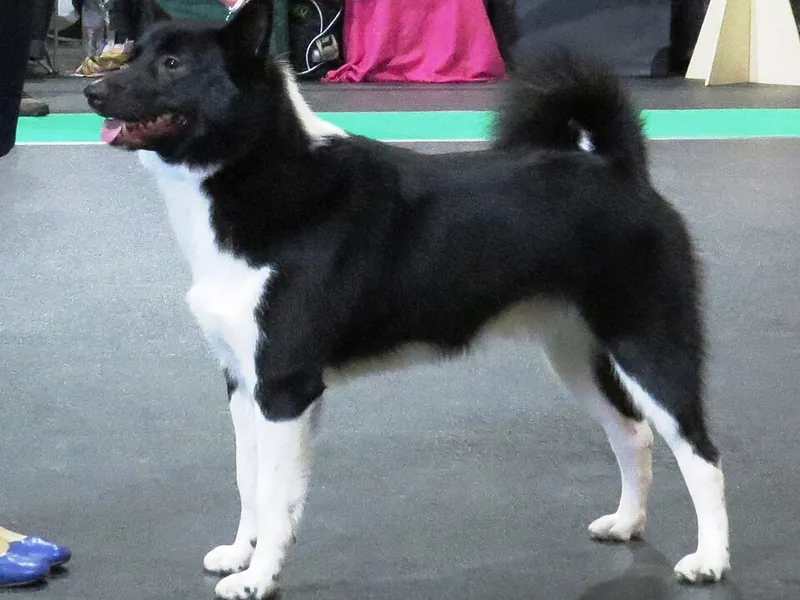
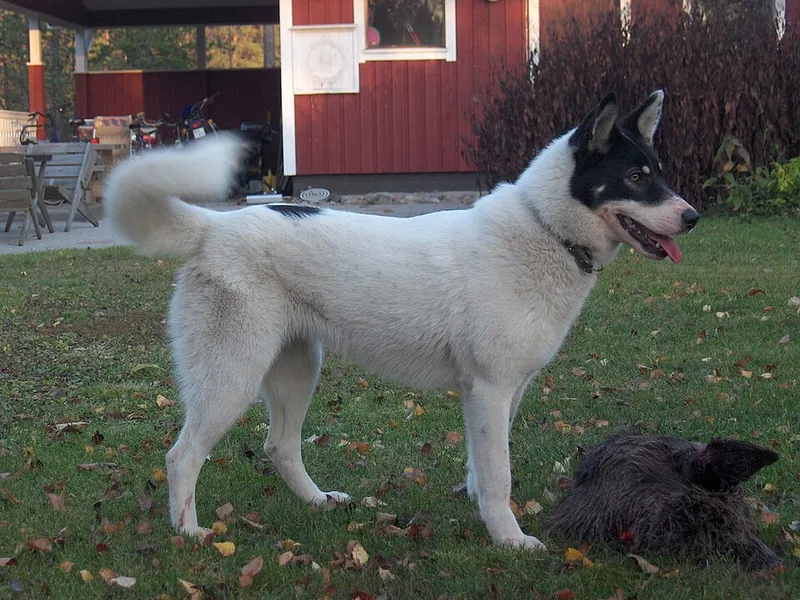
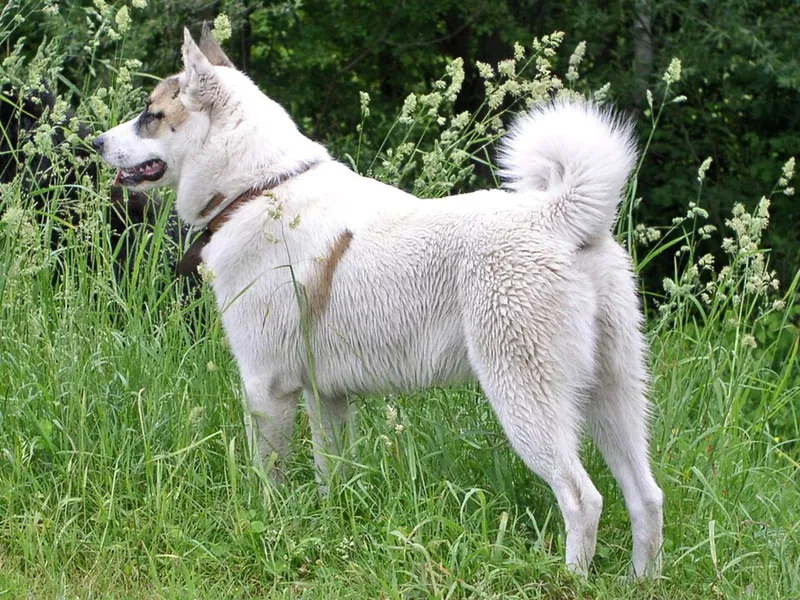
The West Siberian Laika is a medium-sized hunting spitz, standing about 20 to 24 inches at the shoulder. Males are taller and more substantial, with a broader head, while females are slightly smaller and lighter.
The head is wedge-shaped, with small, triangular erect ears set high and oval, slanting dark eyes. The tail is curled over the back or against the thigh.
The double coat has a harsh, straight outer coat and a dense undercoat. A thick collar of fur forms around the neck and shoulders, especially in males. Colors include:
- White.
- Pepper and salt (gray).
- Red and all shades of fawn.
- Black.
- Piebald (patches of these colors on white).
Eyes are typically dark brown. Individual weights vary, but the breed should always look lean and athletic, never heavy.
Temperament and Personality
West Siberian Laikas are loyal to their family and generally friendly with people, but they are independent and confident. They are watchful and will alert to strangers.
They can be territorial with unfamiliar dogs of the same sex, and their prey drive is very high. Small pets are at risk.
At home, a well-exercised Laika is usually calm and affectionate with its family, and many are good with respectful children. It does not tolerate harsh treatment and responds best to fair, consistent handling.
Many West Siberian Laikas are territorial with unfamiliar dogs, so careful socialization and management are essential.
Is the West Siberian Laika Good for First-Time Owners?
Generally no. The West Siberian Laika is a high-energy, independent hunting dog that needs experienced handling.
New owners would need to provide well over an hour of hard daily exercise, secure high fencing and careful management around other dogs and small animals. Training is demanding, since the breed thinks for itself. Because it is rare outside Russia, local support and experienced trainers are scarce. First-time owners interested in spitz breeds may find a more common, less driven breed a better start.
Do West Siberian Laikas Bark a Lot?
Yes, they are vocal, especially when hunting. Laikas were bred to find game and bark to hold it in place until the hunter arrives, so barking is a core part of their working style.
At home, a well-exercised Laika is usually calmer, but it will alert to strangers, animals and unusual sounds. Boredom or isolation can increase barking and howling. Daily hard exercise, outlets for hunting instincts and company help keep noise in check. Rural homes without close neighbors are best suited to this breed's voice.
Are West Siberian Laikas Easy to Train?
No, they are intelligent but independent and can be challenging to train. Laikas were bred to work at a distance from the hunter and make their own decisions.
Training works best with:
- Short, rewarding sessions with high-value food or play.
- Fair, consistent handling; harsh treatment backfires.
- Channeling instincts into tracking or hunting.
- Lifelong socialization, especially with other dogs.
Recall is unreliable when the dog scents game, so use a long line in open areas. Owners who hunt often find the breed's working ability far easier to direct than formal obedience.
Exercise and Training
This is a very high-energy breed. It needs well over an hour of hard daily exercise, ideally in forests or fields.
- Recall is unreliable when it scents game; use a long line.
- Training is demanding: the breed thinks for itself.
- Keep sessions short and rewarding, and channel instincts into tracking or hunting.
- It copes poorly alone and can howl or dig if bored.
- Hiking, canicross and tracking are good outlets.
- Use secure, high fencing; Laikas can climb and dig.
- Begin socialization early and continue throughout life.
Grooming and Shedding
The thick double coat sheds heavily, especially during seasonal coat blows. Weekly brushing is enough most of the year; daily brushing helps during sheds. It needs little bathing.
The coat is weather-resistant and largely self-cleaning, with little odor. Keep nails short and check for ticks after time in the forest.
Feeding and Nutrition
West Siberian Laikas are hardy, athletic dogs that should stay lean and muscular. Working dogs in the hunting season may need considerably more food than in quieter months, so adjust portions to activity. The thick coat hides body shape, so check by touch: ribs should be easy to feel.
- Feed adults two meals a day; puppies three or four.
- Increase portions gradually in cold weather or during heavy work.
- Feed dogs separately, as some may guard food.
Puppies should grow steadily on a balanced diet suited to medium-sized breeds. Avoid overfeeding to protect developing joints.
Laikas are known as efficient eaters, traditionally thriving on modest rations. Do not overfeed a pet that is less active than a working dog. Coat quality reflects nutrition, especially during heavy seasonal shedding, so a complete, balanced diet is important.
Provide plenty of fresh water, especially after hunting or hiking. Food rewards are useful in training but should be counted in the daily ration. Teach a solid leave-it, since Laikas may scavenge on outings.
Health and Lifespan
Sources do not list breed-specific health issues, and the West Siberian Laika is considered hardy. Reliable lifespan data is lacking. Ask breeders about hip screening and parental health, and keep up with vaccinations and parasite control if the dog works in the field.
Keep the dog lean, and ask breeders about eye examinations and the general health history of the parents. Active hunting dogs may suffer injuries in the field, so check the dog after each outing.
West Siberian Laika Price and Cost of Ownership
The West Siberian Laika is rare outside Russia, and there is no reliable US price range. Most puppies are found in Russia and some European countries, and importing adds travel, paperwork and possibly a flight nanny. Prices vary by breeder, region and lines. Many breeders prefer hunting homes.
Rescue availability in the US is essentially nonexistent, though spitz or northern breed rescues sometimes place similar dogs.
Imported dogs may also need vaccination records, a microchip and an import health certificate, which add vet fees before travel.
Breed-specific ongoing costs include:
- Secure, high fencing to prevent climbing and digging.
- Training or behavior support for dog-to-dog issues.
- Grooming tools for heavy seasonal shedding.
- Vet care for hunting injuries and parasite control.
Is the West Siberian Laika Right for You?
The breed suits hunters and very active rural owners with experience of spitz breeds. It is not suitable for apartments, city life, homes with small pets or owners who are away for long hours.
For a hunter or serious outdoor enthusiast who understands independent spitz breeds, it can be a loyal, tough and rewarding partner. Puppies are mostly found in Russia and some European countries.
West Siberian Laika Traits at a Glance
West Siberian Laika FAQ
How big is a West Siberian Laika?
It stands about 20 to 24 inches tall.
Is the West Siberian Laika a good family dog?
It can be loyal and friendly with family, but its energy, prey drive and independence make it best for experienced, active owners.
Do West Siberian Laikas shed?
Yes, heavily, especially during seasonal coat changes.
Can West Siberian Laikas live in apartments?
No. They need lots of space and daily vigorous exercise.
What do West Siberian Laikas hunt?
Traditionally squirrel, sable and other fur-bearers, as well as elk and bear.
Is the West Siberian Laika good with other dogs?
It can be territorial with unfamiliar dogs, especially of the same sex. Socialization and management are essential.