Braque de l'AriègeRobust all-round pointer from southern France
The Braque de l'Ariège is a large, powerful French pointing dog from the southwest, used for all kinds of hunting. It is friendly with people and dogs but extremely energetic, and it belongs with owners who can give it hours of activity every day.
Why people love the Braque de l'Ariège
- Sociable with people and other dogs
- Gentle with children
- Hard-working, enthusiastic hunting partner
- Easy-care short coat
- Calm indoors when exercised
Things to consider
- Needs two or more hours of exercise daily
- Handles solitude badly
- Strong hunting drive; recall needs work
- Not suited to apartments
- Very rare outside France
Is this breed right for you?
10 questions · live resultHistory and Origin
This pointer comes from the Ariège region near the Pyrenees, where hunters bred a strong, heavy-boned braque suited to rough terrain and long days. It descends from old southern French pointing dogs, with later influence from other French braques.
Numbers fell sharply in the 20th century and the breed was nearly lost. In the late 20th century, enthusiasts searched out remaining dogs and restarted a structured breeding program. It is now FCI-recognized but still rare, even in France.
Size, Coat and Colors
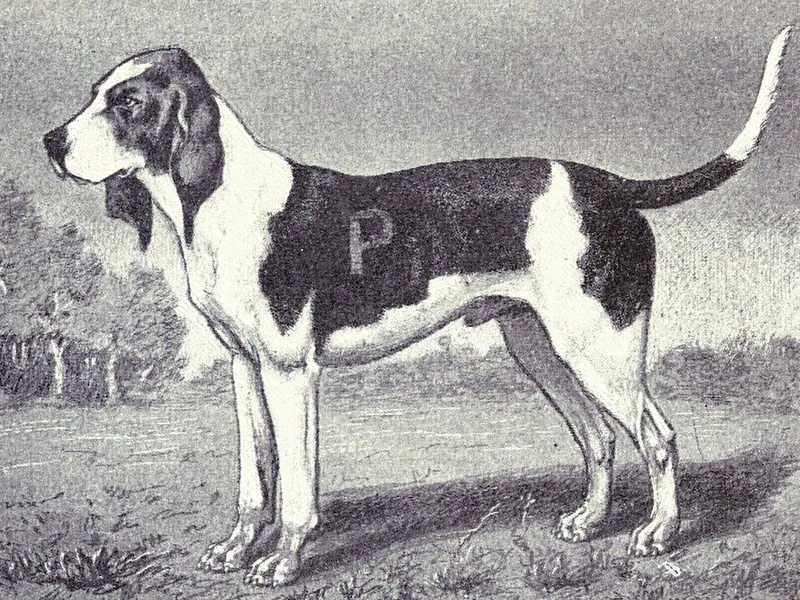
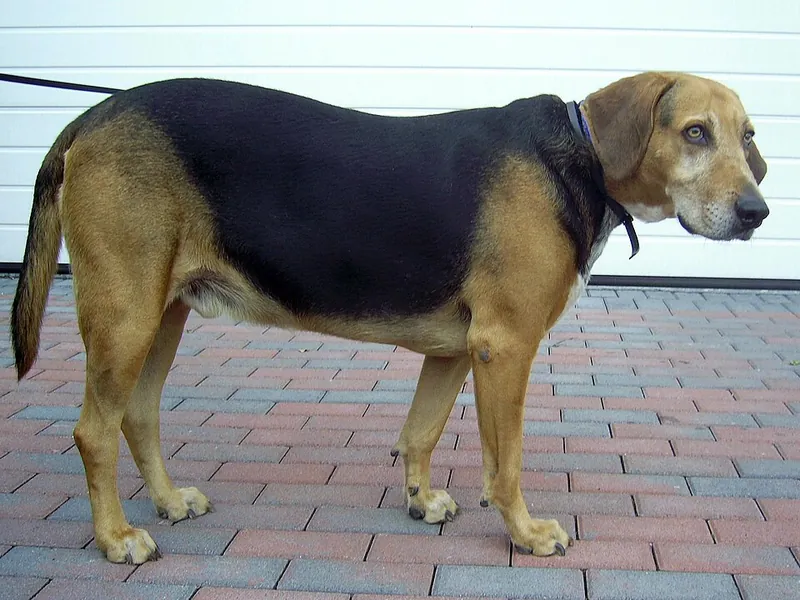
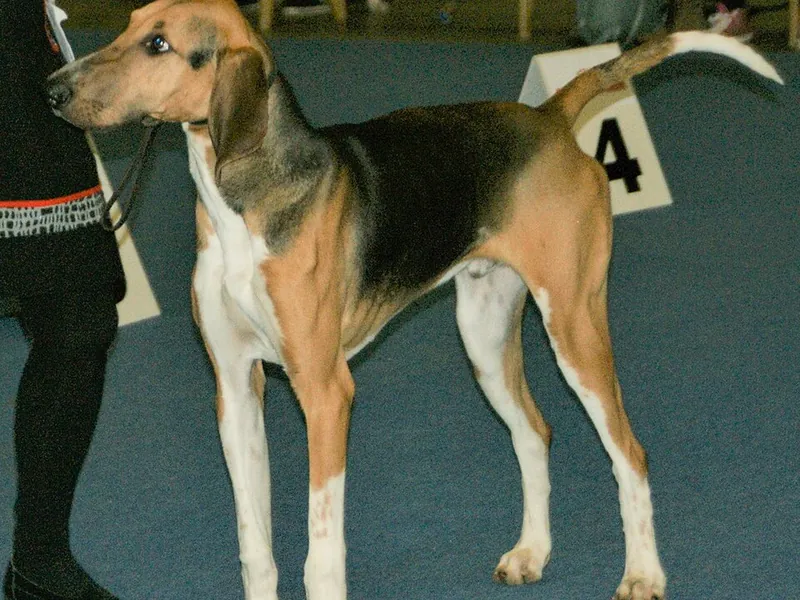
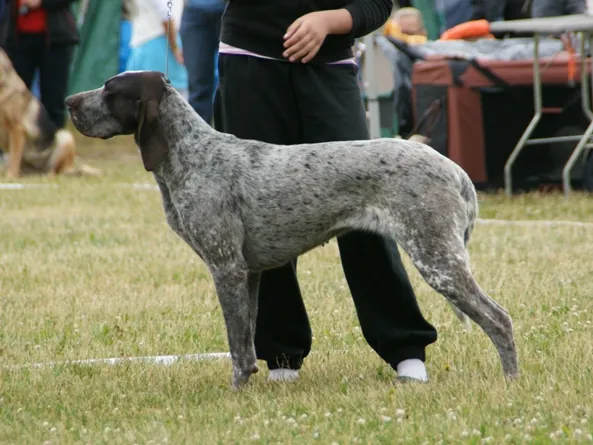
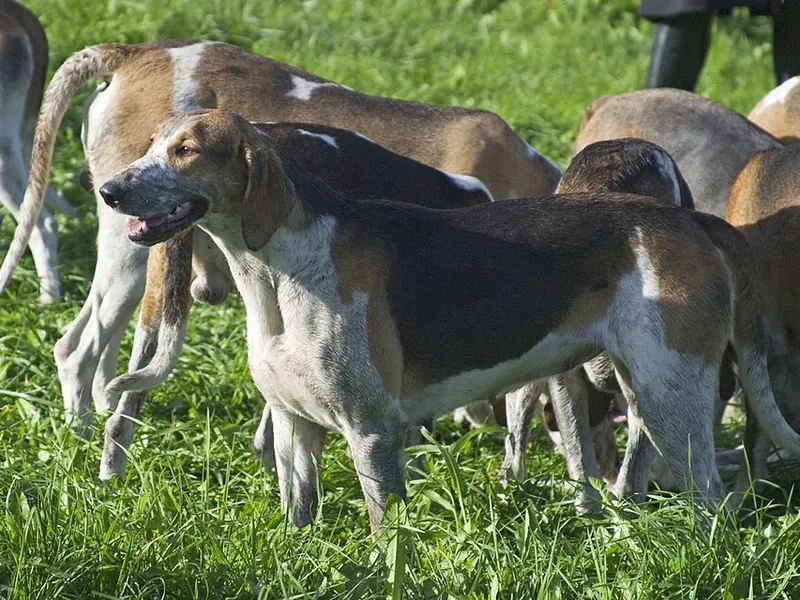
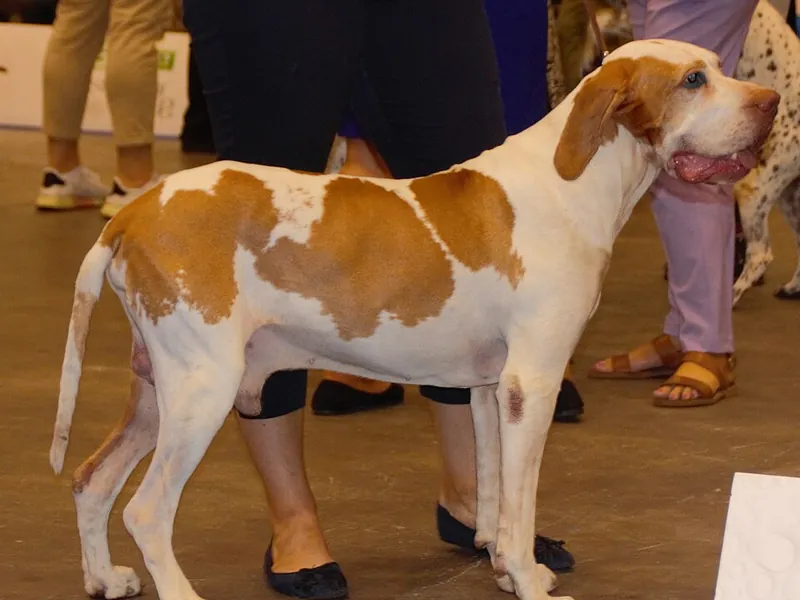
The Braque de l'Ariège is a large, powerful pointing dog standing about 22 to 26 inches and weighing 55 to 66 lb. It has a strong, athletic body, a long head with a slightly convex nasal bridge and long, thin, folded ears. The tail is thick at the base and tapers toward the tip; in some countries it is docked, while others leave it natural.
The coat is short, dense and fine, lying close to the body. It is white with orange or chestnut patches and flecking (speckling). The amount of flecking varies, and some dogs are lightly marked while others are heavily speckled.
Males are typically larger and more muscular than females, with a broader head. The breed is one of the largest French pointers and is built for endurance in rough terrain.
Temperament and Personality
The Braque de l'Ariège is generally sociable with people and other dogs and gentle with children. It is enthusiastic about work and keen to please in the field.
Sources differ on how easy it is to handle. French and German breed descriptions call it biddable, while others note an independent streak. Expect a dog that responds well to clear, kind training but has its own opinions when it smells game.
Indoors, a well-exercised Braque de l'Ariège is usually calm and affectionate, enjoying time close to its people. Its friendliness means it is rarely an effective guard dog, though it may bark at unexpected visitors. Young dogs can be boisterous, and their size makes basic manners such as not jumping up important from early on.
Is the Braque de l'Ariège Good for First-Time Owners?
The Braque de l'Ariège is best for active, experienced owners or hunters, but a determined first-time owner can succeed with the right support.
The breed is friendly and generally eager to please, which helps. The challenges are its high exercise needs, strong hunting drive and dislike of being alone. A first-time owner who hunts, runs or hikes daily and works with an experienced trainer can do well. Owners looking for a moderate-energy pet should choose another breed.
Joining a pointing breed club or hunting test group gives both training support and a proper outlet for the dog's drive.
Is the Braque de l'Ariège Good with Cats?
A Braque de l'Ariège can live with cats it is raised with, but its hunting instinct means introductions need care.
The breed is generally sociable, but as a pointing dog it has a strong interest in birds and small animals. A puppy raised with a calm cat often learns to accept it. Adult dogs without cat experience need slower, supervised introductions. Pet birds and rodents should be kept securely out of reach.
Give the cat high perches and safe retreats, and teach the dog a reliable leave-it before allowing free contact.
Can a Braque de l'Ariège Be Left Alone?
Not for long. The Braque de l'Ariège handles solitude badly and may become frustrated, noisy or destructive.
Start alone-time training in puppyhood with short absences and build up gradually. Exercise before leaving and a chew or puzzle toy help. Long workdays alone are not suitable; plan for a dog walker, daycare or a family member at home for part of the day. A second dog may help some individuals.
Note that a dog left alone without enough exercise is far more likely to bark or chew, so a long run before leaving makes a real difference.
Exercise and Training
This breed needs a lot of exercise, ideally including hunting or field work.
- Plan for two or more hours of activity daily, including free running in safe areas.
- Pointing work, retrieving and scent sports engage its mind as well as its body.
- Start recall and steadiness training early, using rewards.
- It handles solitude badly; long days alone lead to frustration and noise.
Young dogs should build fitness gradually. Free play on soft ground is fine, but avoid long forced runs or bicycle work until the dog is fully grown, which in a large breed may be around 18 months.
Grooming and Shedding
The short, dense coat is white with orange or chestnut patches and flecking. A weekly brush keeps it in good shape, and it sheds moderately.
Check ears often, as long drop ears can trap moisture. Inspect paws and skin after field work for injuries and grass seeds.
Feeding and Nutrition
The Braque de l'Ariège is an active, large dog, and its food needs depend heavily on workload. A dog hunting several days a week needs more energy than one with daily walks. Feed by body condition: the ribs should be easy to feel and the waist visible.
- Feed puppies a growth diet suited to a large breed, divided into three or four meals. Avoid rapid weight gain to protect developing joints.
- Adults usually do well on two meals a day.
- As a large, deep-chested dog, it benefits from several smaller meals and rest after eating to reduce bloat risk.
Hunting dogs may need more food during the season and less during rest periods. Offer water frequently during field work. Use small treats or part of the daily ration as training rewards. Keeping the dog lean protects hips and elbows, which are screened in the breed.
| Adult weight | Less active | Typical adult | Very active |
|---|---|---|---|
| 55 lb | 1,090 kcal | 1,250 kcal | 1,560 kcal |
| 66 lb | 1,250 kcal | 1,430 kcal | 1,790 kcal |
Estimates use the resting energy formula veterinarians work with (70 × body weight in kg0.75) and standard activity factors. Use the feeding guide on your food as a starting point and adjust to body condition. Puppies, seniors, pregnant animals and pets that need to lose weight have different needs, so ask your vet.
Health and Lifespan
Typical lifespan is about 10 to 14 years. Conditions reported in the breed include hip and elbow dysplasia and eye diseases. A DNA test for one form of progressive retinal atrophy (PRA-prcd) is available.
Ask breeders for hip and elbow scores and eye examination results, and check whether parents have been DNA tested. As a large, deep-chested dog, it benefits from several smaller meals and rest after eating.
Braque de l'Ariège Price and Cost of Ownership
The Braque de l'Ariège is very rare outside France, and there is no reliable US puppy price. Acquiring one usually means importing, which adds travel costs, health certificates and a waiting period.
Adoption is not a realistic option for this breed in the US, though pointing breed rescues occasionally place similar dogs.
Breed-specific ongoing costs include food for a large, active dog, hunting or field training, and equipment. Health screening of hips, elbows and eyes in breeding dogs is reflected in the puppy price. Veterinary costs may include treatment for injuries from field work. Insurance or an emergency fund is advisable.
Is the Braque de l'Ariège Right for You?
This is a hunting dog first.
- Good match: active hunters, field-trial participants, rural families with time and space.
- Poor match: apartments, owners away all day, people who want a moderate-energy pet.
In the right home, it is a friendly, loyal and hard-working companion.
Braque de l'Ariège Traits at a Glance
Braque de l'Ariège FAQ
How big is a Braque de l'Ariège?
It is large, about 22 to 26 inches tall and 55 to 66 lb.
Is the Braque de l'Ariège good with children?
It is generally gentle and friendly with children, though its size and energy call for supervision with toddlers.
How much exercise does a Braque de l'Ariège need?
A lot: at least two hours of activity daily, ideally including hunting or field work.
How long does a Braque de l'Ariège live?
Usually around 10 to 14 years.
What health tests should parents have?
Hip and elbow screening, eye checks and, ideally, a DNA test for PRA-prcd.
Is the Braque de l'Ariège a good apartment dog?
No. Its size and very high exercise needs make it better suited to rural homes with space.