Catahoula Leopard DogLouisiana's spotted, hard-working stock dog
The Catahoula Leopard Dog is an athletic working breed from Louisiana, known for its striking merle coat and often glass-blue eyes. Intelligent, tough and independent, it was bred to find and control wild hogs and cattle, and it needs an experienced, active owner with a real job for it.
Why people love the Catahoula Leopard Dog
- Highly intelligent problem-solver
- Deeply loyal to its family
- Tireless worker for herding, hog baying and search work
- Short coat needs only weekly brushing
- Striking merle coats and glass eyes
Things to consider
- Needs one to two hours of vigorous exercise daily
- Often wary of strangers and territorial
- Can be intolerant of same-sex dogs
- Escape artist that figures out gates and latches
- Merle genetics carry deafness risk
Is this breed right for you?
10 questions · live resultHistory and Origin
The breed takes its name from Catahoula Parish in Louisiana. Its exact origins are uncertain, but it is believed to descend from dogs kept by Native American peoples mixed with dogs brought by Spanish and French settlers. Settlers used these dogs to round up feral hogs and semi-wild cattle in swamps and forests.
Catahoulas work by locating and baying livestock, holding them in place until handlers arrive. Louisiana named the Catahoula its state dog in 1979. The AKC lists it in the Foundation Stock Service, and it is not recognized by The Kennel Club.
Size, Coat Patterns and Eye Colors
The Catahoula is a muscular, athletic working dog standing about 20 to 26 inches and weighing roughly 44 to 86 lb. That wide range reflects its history as a working breed selected for ability rather than uniform looks. Males are generally larger, heavier and broader in the head than females. The body is slightly longer than tall, with a deep chest, strong legs and webbed feet.
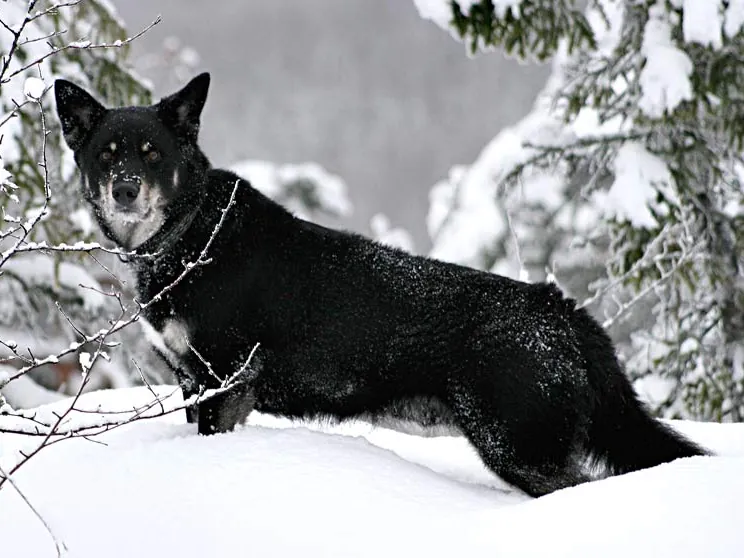
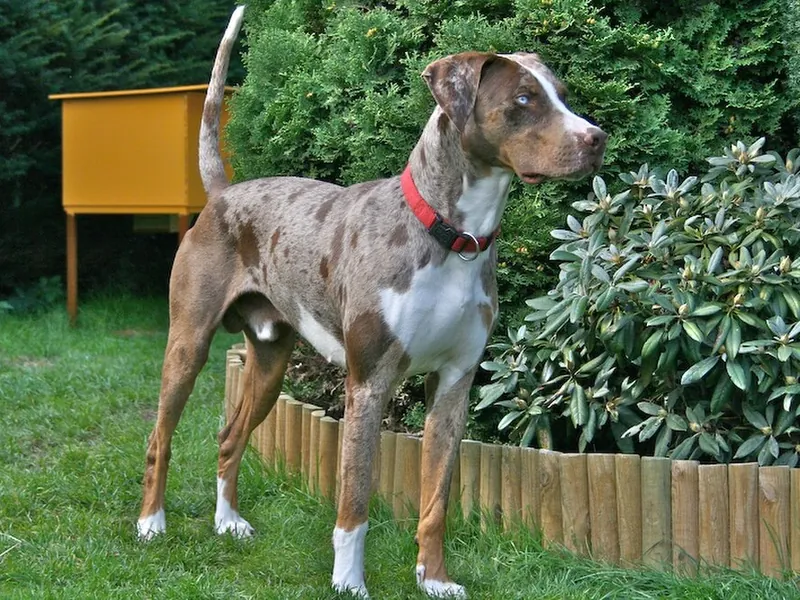
The coat is short to medium, single and close-lying, from smooth to slightly coarse. Coat colors vary more than in almost any other breed. The best known is the leopard pattern, a merle in blue, red, gray or liver, often with patches of solid color and copper trim. Solid colors such as black, red, yellow, brown and brindle are also common, and patchwork dogs combine several colors. White should be limited, as mostly white dogs are more prone to deafness.
Eyes may be brown, amber, green, blue or a mix. Cracked or marbled glass eyes, where one eye contains two or more colors, are typical of the breed.
Temperament and Personality
Catahoulas are loyal, protective and strongly attached to their family. They are often wary of strangers and can be territorial. Many are independent and confident, with a strong sense of their own judgment.
They can be intolerant of other dogs, especially of the same sex, and some prefer to be the only dog. Their size and energy mean they need careful supervision with young children.
Catahoulas are known for their intelligence and problem-solving skills. They are often quick to figure out gates and latches. With proper guidance, they are steady, reliable partners.
Are Catahoula Leopard Dogs Aggressive?
Catahoulas are not typically aggressive with their families, but they are protective, territorial and often reserved with strangers. They were bred to bay and hold feral hogs and cattle, so confidence and a willingness to confront are part of their makeup.
Without early socialization and clear guidance, that can show up as reactivity toward visitors or other dogs, especially same-sex dogs. Well-raised Catahoulas are usually steady and discerning. Owners should socialize puppies widely, use fair, consistent training and manage introductions with other dogs carefully. Some insurers and landlords list large guarding or working breeds, so check your policy.
Are Catahoulas Easy to Train?
Catahoulas learn very quickly, but they are not always easy to train. They are independent thinkers bred to work stock with little direction, and they respond to fairness, not force.
Training goes best with short, interesting sessions, food and toy rewards and clear, consistent rules from day one. Repetitive drills bore them, and harsh handling can damage trust or bring out stubbornness. Give a Catahoula a real job, such as herding, tracking, agility or advanced obedience, and it often becomes a focused partner. Owners new to working breeds benefit from a trainer experienced with herding or catch dogs.
Are Catahoulas Good with Other Dogs and Cats?
It depends on the individual and on early experience. Many Catahoulas live well with dogs they are raised with, but they can be intolerant of unfamiliar dogs, and same-sex pairs are more likely to clash.
With cats, prey drive and chase instinct vary. A Catahoula raised with a cat from puppyhood may coexist peacefully, while an adult dog with no cat experience can be risky. Introductions should be slow, supervised and managed with gates and leashes. Dog parks are often a poor fit. When adopting, ask the rescue about the dog's tested behavior with other animals.
Exercise and Training
This is a very high-energy breed that needs at least one to two hours of vigorous exercise daily. Herding, hog baying (where legal), agility, tracking and long runs are good outlets.
- Socialize early and extensively with people and dogs.
- Use consistent, fair training; they respond poorly to harshness.
- Provide jobs and challenges to prevent boredom.
Without enough activity, Catahoulas can become destructive or escape.
Catahoulas often enjoy activities like hiking, running and agility, where they can use their speed and agility. Some also excel at search and rescue.
Grooming and Shedding
The short, dense coat needs weekly brushing. Shedding is moderate. Coat colors vary widely, but merle patterns, sometimes with patches, are typical. Eyes may be blue, brown, green, amber or a mix.
Trim nails and check paws and ears after work.
Their webbed feet, often noted by owners, help them move through swampy ground and water.
Feeding and Nutrition
Catahoulas vary widely in size and activity, from 44 lb farm dogs to 86 lb hog dogs, so portion sizes must match the individual. A working dog in season may need considerably more food than a family Catahoula on the same body weight. Monitor body condition and keep the dog lean and muscular, with ribs easy to feel.
Puppies of the larger lines benefit from a diet formulated for large-breed growth to support steady, controlled development of hips and joints.
As a deep-chested breed, the Catahoula has some bloat risk. Feed two meals a day, avoid hard work or play for about an hour around meals and use a slow feeder for fast eaters.
Some Catahoulas carry the hyperuricosuria gene, which raises the risk of urate bladder stones. If your dog tests affected, your vet may recommend a diet with controlled purine levels and plenty of water. Use part of the daily ration as training rewards, since this intelligent breed is often trained with food.
| Adult weight | Less active | Typical adult | Very active |
|---|---|---|---|
| 44 lb | 930 kcal | 1,060 kcal | 1,320 kcal |
| 65 lb | 1,240 kcal | 1,420 kcal | 1,770 kcal |
| 86 lb | 1,530 kcal | 1,750 kcal | 2,190 kcal |
Estimates use the resting energy formula veterinarians work with (70 × body weight in kg0.75) and standard activity factors. Use the feeding guide on your food as a starting point and adjust to body condition. Puppies, seniors, pregnant animals and pets that need to lose weight have different needs, so ask your vet.
Health and Lifespan
Catahoulas usually live 10 to 14 years. Deafness is linked to the merle gene, especially in dogs with mostly white coats. Breeding two merles together can produce puppies that are blind, deaf or both, so responsible breeders avoid merle-to-merle pairings.
Hip dysplasia and eye issues are also reported. Some carry the gene for chondrodystrophy (CDDY), which raises the risk of intervertebral disc disease, and hyperuricosuria, which can cause bladder stones. DNA testing is available.
Catahoula Leopard Dog Price and Cost of Ownership
Typical breeder price in the US$800 to $1,500
A Catahoula puppy from a reputable US breeder typically costs about $800 to $1,500. Prices vary by breeder, region and lines, with working lines from proven hog or cattle dogs sometimes costing more. Look for breeders who avoid merle-to-merle pairings, BAER-test puppies for hearing and screen hips.
Catahoulas and Catahoula mixes are common in Southern shelters and breed rescues, so adoption is a realistic option, often with adult dogs whose temperament is known.
Ongoing cost drivers include secure fencing, sturdy crates and training help for this independent working breed. Grooming is cheap. BAER hearing tests, DNA tests for CDDY and hyperuricosuria and pet insurance for injuries and joint problems are worth budgeting for, especially with an active working dog.
Is the Catahoula Leopard Dog Right for You?
At 44 to 86 lb and 20 to 26 inches, the Catahoula suits experienced owners with land, livestock or a demanding active lifestyle. A secure yard is essential.
It is not a good fit for apartments, city living, first-time owners or homes where it would be left alone for long hours.
Consider adopting through breed-specific rescues, which often have adult dogs whose temperament is already known.
Owners who succeed with the breed usually give it daily structured work, from herding to long runs or advanced obedience, and accept its independent streak as part of the package.
Catahoula Leopard Dog Traits at a Glance
Catahoula Leopard Dog FAQ
Are Catahoula Leopard Dogs good family dogs?
They are loyal to their family but need experienced handling, lots of exercise and supervision with children.
Why do Catahoulas have blue eyes?
Blue or glass eyes are common in the breed and are often linked to the merle gene.
Are Catahoulas deaf?
Some are, especially those with mostly white coats or from merle-to-merle breedings.
How much exercise does a Catahoula need?
At least one to two hours of vigorous exercise daily.
How big do Catahoulas get?
They stand 20 to 26 inches tall and weigh 44 to 86 lb.
How long do Catahoulas live?
Usually 10 to 14 years.