Irish Red and White SetterThe original, friendly Irish bird dog
The Irish Red and White Setter is an athletic gundog with a white coat and red patches, older than the better-known solid Irish Setter. It is friendly, easy to train and full of energy. It suits active families who can give it hours of outdoor exercise and company.

Why people love the Irish Red and White Setter
- Friendly with everyone, including children and other dogs
- Eager to please and generally easy to train
- Striking red and white coat with moderate grooming
- Often lives 11 to 15 years
- Excellent hiking and field partner
Things to consider
- Needs 1.5 to 2 hours of daily exercise
- Copes poorly with long periods alone
- Recall around birds requires extensive training
- Small gene pool makes health testing essential
- Rare in the US, so puppies are hard to find
Is this breed right for you?
10 questions · live resultHistory and Origin
Red and white setters were used in Ireland from at least the 17th and 18th centuries to locate game birds and freeze on point so hunters could net or shoot them. The parti-color made the dog easier to see in the field.
In the 19th century the solid red Irish Setter became fashionable, and the red and white type nearly disappeared. A few enthusiasts, notably Rev. Noble Huston, kept the line going, and serious revival efforts began in the 1920s and 1940s. The AKC recognized the breed in 2009.
Size, Coat and Colors
The Irish Red and White Setter is a strong, athletic gundog, slightly heavier and more powerful than the Irish Setter. Adults stand about 22 to 26 inches at the shoulder and weigh roughly 35 to 60 lb. Males are generally 24.5 to 26 inches, while females are about 22.5 to 24 inches and lighter.
The body is balanced and well-muscled, with a deep chest, a strong back and a tail carried level or below. The head is broad with a clear stop and a kind, friendly expression.
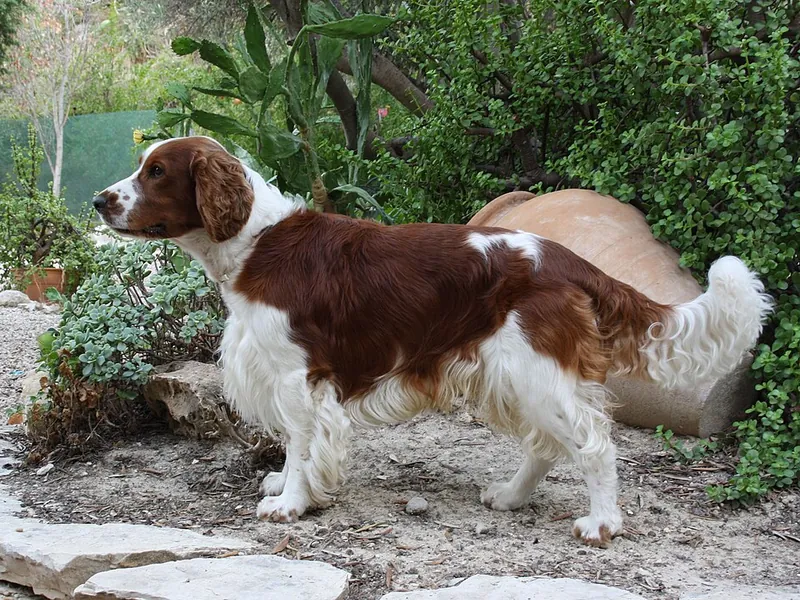
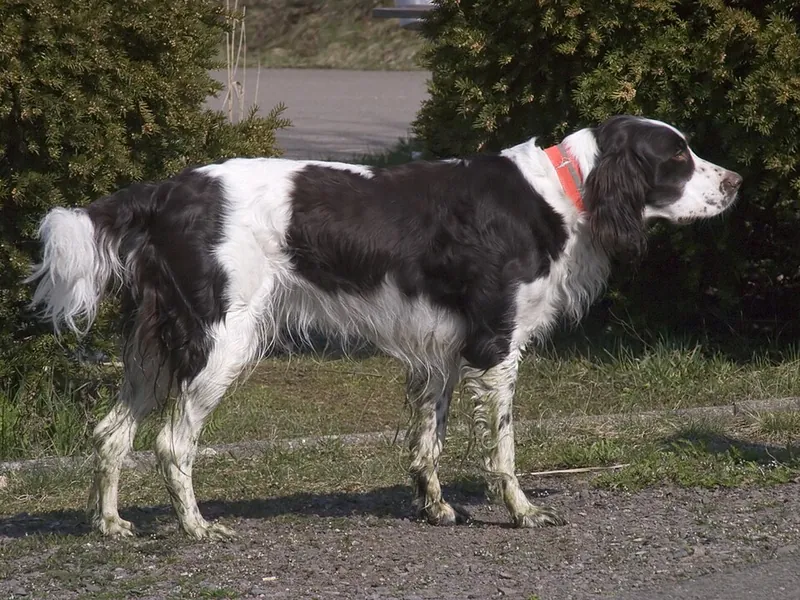
The coat is flat and silky, with feathering on the ears, back of the legs and tail. The base color is pearly white with solid red patches. Some mottling or flecking is permitted on the face, feet and lower legs, but roaning on the body is a fault under the AKC standard. The parti-color pattern was traditionally valued because it made the dog easy to see in the field.
Temperament and Personality
IRWS are cheerful, good-natured and typically friendly with everyone, including children, other dogs and visitors. They are rarely guardy, though they will bark when someone arrives.
They are also high-energy and sensitive to loneliness. An under-exercised Red and White can become restless, noisy or destructive. Many keep a puppy-like playfulness for years.
They are sensitive and do best with gentle handling. Socialized well, they become sociable, upbeat companions that enjoy being involved in everything their family does.
Is the Irish Red and White Setter Good for First-Time Owners?
It can be, for active first-time owners who have the time for daily exercise and companionship. The breed is friendly and eager to please, which makes training enjoyable.
The challenges are energy and attachment. An Irish Red and White Setter needs 1.5 to 2 hours of exercise daily and does not like long periods alone. Without enough activity, it can become restless or destructive. First-time owners who run, hike or want to try field sports, and who are home much of the day, can find this breed a wonderful match. Connecting with the breed club also helps with finding a puppy, as the breed is rare.
Is the Irish Red and White Setter a Good Apartment Dog?
Generally no. The breed's high energy and need for open running space make apartment life difficult.
An Irish Red and White Setter can adapt indoors if exercised thoroughly every day, but most do best in a house with a yard and access to open countryside. In apartments, under-exercised setters may become noisy, restless or destructive. Owners who live in apartments would need a reliable routine of long walks, runs and safe off-leash time in fenced areas, which is demanding over the dog's lifetime.
Can Irish Red and White Setters Be Left Alone?
Not for long. The breed is people-oriented and copes poorly with isolation, so long workdays alone are not a good fit.
Gradual alone-time training from puppyhood helps, as does exercise before leaving and a safe space with chews or puzzle toys. Even so, most setters are happier with someone home much of the day or with a midday visit from a dog walker. Signs of stress include whining, barking, chewing and pacing. A second dog may help some setters, but it does not replace human company.
Exercise and Training
Expect to provide at least 1.5 to 2 hours of activity daily, with chances to run freely in safe areas. Field work, canicross, hiking and agility are excellent outlets.
- Training is usually easy: the breed is eager and responsive to positive methods.
- Build a strong recall early, as birds will tempt it.
- Teach calm settling indoors, so energy does not spill over.
- Avoid long hours alone; this breed copes poorly with isolation.
The breed matures slowly and can stay boisterous until about three years old. Many enjoy field trials, hunting tests and scent work, which use their natural pointing instinct.
Grooming and Shedding
The flat, silky coat with feathering on ears, legs and tail needs brushing two or three times a week. Trim around the feet and under the ears. Shedding is moderate to low. The coat collects burrs and mud on walks, so check it after outings.
Bathe only when needed, and dry the feathering and ears well. Many owners trim excess hair on the feet to reduce mud and snowballs in winter.
Feeding and Nutrition
Irish Red and White Setters are lean, athletic dogs, and their food needs depend on activity. Dogs working in the field or running daily need more food than those with moderate walks. Keep them lean with ribs easy to feel and a visible waist, since the feathered coat can hide weight gain.
Feed puppies three to four meals a day at first, moving to two meals by about six months. The breed matures slowly, and steady growth supports healthy hips, which are screened in the breed.
- Avoid vigorous exercise around mealtimes; as a deep-chested breed, setters have some bloat risk.
- Hypothyroidism is reported in the breed. Unexplained weight gain despite unchanged feeding is worth discussing with your vet.
- Use part of the daily ration for scent or retrieving games to provide mental work.
Training treats should be small and counted toward the daily ration. Keep food and garbage out of reach, as setters can be opportunistic scavengers.
| Adult weight | Less active | Typical adult | Very active |
|---|---|---|---|
| 35 lb | 780 kcal | 890 kcal | 1,110 kcal |
| 48 lb | 990 kcal | 1,130 kcal | 1,410 kcal |
| 60 lb | 1,170 kcal | 1,330 kcal | 1,670 kcal |
Estimates use the resting energy formula veterinarians work with (70 × body weight in kg0.75) and standard activity factors. Use the feeding guide on your food as a starting point and adjust to body condition. Puppies, seniors, pregnant animals and pets that need to lose weight have different needs, so ask your vet.
Health and Lifespan
Most live 11 to 15 years. Because the breed descends from a small gene pool, health testing is especially important. Recommended screening covers:
- Canine leucocyte adhesion deficiency (CLAD): an immune disorder, DNA test available.
- Von Willebrand's disease: a bleeding disorder, DNA test available.
- Posterior polar cataract and progressive retinal atrophy.
- Hip dysplasia and hypothyroidism.
Ask breeders for DNA results and hip scores for both parents.
Irish Red and White Setter Price and Cost of Ownership
The Irish Red and White Setter is rare in the US, with only a few breeders and litters each year, so prices are not widely published. Expect to join a waiting list, and some owners import puppies from Ireland or the UK. Prices vary by breeder, region and lines. Rescue setters are uncommon, but breed clubs may help place adults.
Breed-specific cost drivers include:
- DNA testing for CLAD and von Willebrand's disease, plus hip and eye screening.
- Thyroid testing and possible lifelong medication for hypothyroidism.
- Field training or hunting test fees for active owners.
- Grooming supplies and occasional trims for feathering.
Is the Irish Red and White Setter Right for You?
This breed fits active households with a yard, access to open countryside and someone at home much of the day. It is a wonderful family dog for people who already run, hike or do field sports.
It is not suited to apartments, sedentary owners or long working days alone. If you want a gentle, people-loving dog and can match its energy, it is a great choice.
Irish Red and White Setter Traits at a Glance
Irish Red and White Setter FAQ
Are Irish Red and White Setters good family dogs?
Yes. They are friendly and gentle with children and other dogs, provided they get enough exercise.
How is the Irish Red and White Setter different from the Irish Setter?
It is a separate, older breed with a white base coat and red patches, a slightly heavier build and a different gene pool.
How much exercise does an Irish Red and White Setter need?
Plan on 1.5 to 2 hours daily, including off-leash running in safe areas.
How big do Irish Red and White Setters get?
They stand about 22 to 26 inches and weigh roughly 35 to 60 pounds.
Are Irish Red and White Setters easy to train?
Yes, generally. They are eager to please, though recall around birds needs work.
How long do Irish Red and White Setters live?
Typically 11 to 15 years.