French SpanielFrance's gentle, trainable pointing spaniel
The French Spaniel is a gentle, trainable pointing dog from France, one of the oldest continental gundogs. It is affectionate and very good with children, but as a large sporting breed it needs plenty of exercise and mental work.
Why people love the French Spaniel
- Gentle, calm and affectionate with the family
- Usually excellent with children
- Eager to please and easy to train
- Generally friendly with other dogs
- Versatile pointing dog and family companion
Things to consider
- Needs one to two hours of exercise daily
- Strong hunting instinct, especially around birds
- Dislikes long periods alone
- Feathering collects burrs and seeds
- Rare in the US, most breeders in Quebec
Is this breed right for you?
10 questions · live resultHistory and Origin
The French Spaniel is considered one of the oldest continental pointing spaniels, with roots in medieval France. These dogs worked as bird dogs, finding and pointing game for hunters long before the age of shotguns.
By the early 20th century, the breed had nearly disappeared due to the popularity of English setters and pointers. A priest, Father Fournier, is credited with gathering remaining dogs and reviving the breed, and a breed club was founded in the early 1920s. The French Spaniel is recognized by the FCI in Group 7 and has a strong following in Quebec, Canada. In the United States it is part of the AKC Foundation Stock Service and is eligible for pointing breed hunt tests.
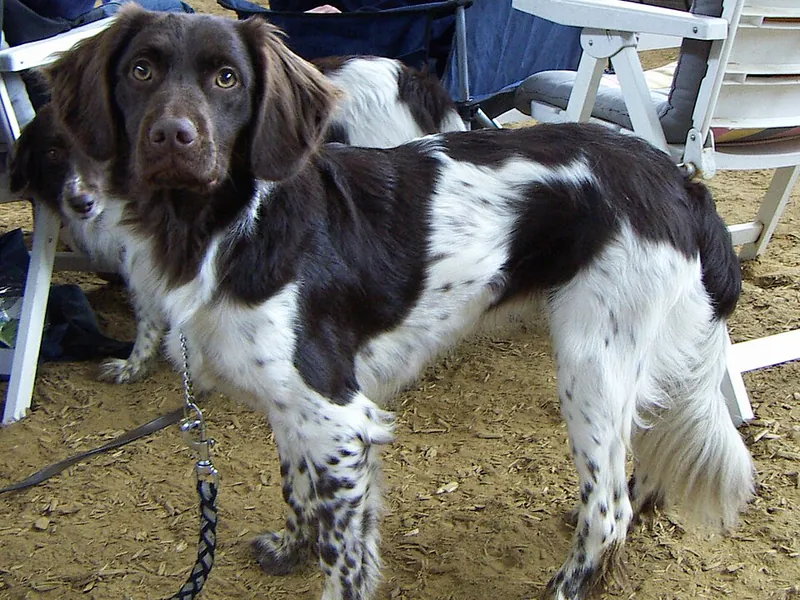
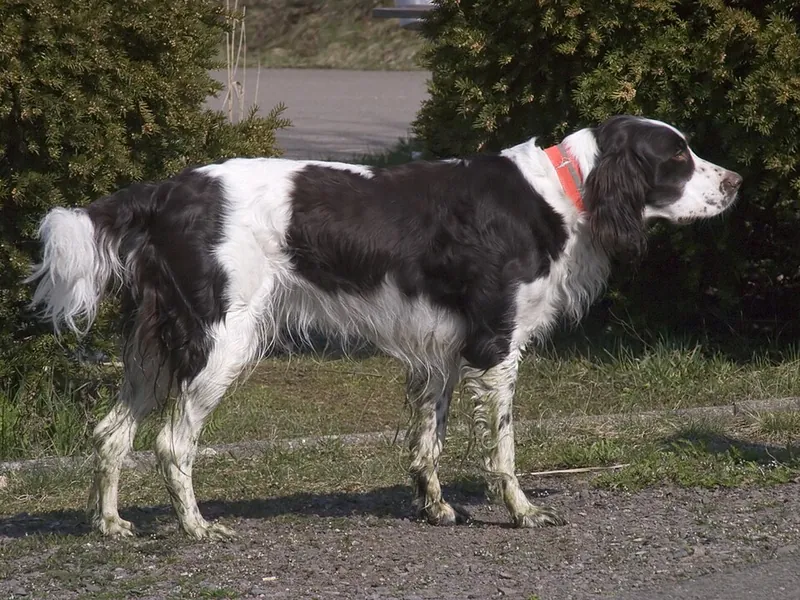
Its colors and build reflect its long working history: a sturdy, medium-large dog with a feathered white-and-brown coat that is easy to spot in cover.
Size, Coat and Colors
The French Spaniel is a medium-large, well-built pointing dog standing 22 to 24 inches and weighing 51 to 60 lb. It is taller and more upstanding than British spaniels, with strong bone, a slightly sloping topline and a balanced, athletic frame built for a full day in the field.
The head is long with a moderate stop, a gentle, dark amber expression and long, feathered ears set at eye level. The tail is well feathered and carried low or level.
Males are a little larger and heavier than females, with the FCI standard giving about 22 to 24 inches for males and slightly less for females.
The coat is medium length, flat or slightly wavy, with feathering on the ears, back of the legs and tail. The color pattern is:
- White with brown (liver) patches of varying size
- Brown ticking or light roan on the white areas is common
The light-colored coat makes the dog easy for hunters to spot in cover.
Temperament and Personality
French Spaniels are calm, gentle and affectionate. They bond closely with their family, are usually excellent with children and are generally friendly with other dogs.
In the field they are keen and focused, with a strong hunting instinct. They are sensitive and respond best to calm, patient handling.
Many French Spaniels are described as soft-mouthed, patient and quietly affectionate, the kind of dog that likes to rest its head on a lap after a day in the field. They are usually not big barkers and are polite with visitors.
Do French Spaniels Shed?
Yes, French Spaniels shed moderately year-round, with heavier shedding during spring and fall coat changes. Expect white and brown hairs on clothes and furniture.
A simple routine keeps it under control:
- Brush weekly with a slicker and comb, more often in shedding season
- Work through the feathering on ears and legs to stop tangles
- Remove burrs and seeds after field work
The breed is not low-shedding, so it is not a good fit for people hoping to minimize dog hair or allergy exposure. Bathing only when dirty helps protect the coat's natural water resistance.
Can French Spaniels Live in Apartments?
French Spaniels are not well suited to apartments. They are large, active sporting dogs bred to cover ground all day, and they need space and one to two hours of daily exercise to stay calm indoors.
An apartment could only work if you can provide:
- Daily off-leash running in a safe area
- Scent work, retrieving or hunting practice several times a week
- Company for most of the day
Even then, a house with a fenced yard, or a rural home near fields, is a far better match. They are usually quiet indoors once exercised, so barking is less of an issue than space and energy.
Are French Spaniels Good With Cats?
French Spaniels can live with cats, especially when raised with them. As pointing dogs, they are bred to find and hold birds rather than chase and catch mammals, which often makes cat introductions easier than with sighthounds or terriers.
Individual dogs vary, though. A young French Spaniel may chase a running cat out of excitement. To keep things calm:
- Introduce slowly, with the dog on leash
- Reward the dog for ignoring the cat
- Give the cat escape routes and high resting spots
Pet birds and backyard poultry are a different matter, as they trigger the breed's core hunting instinct.
Exercise and Training
Plan for at least an hour or two of activity daily, including running, retrieving and scent work. The breed enjoys hunting, hunt tests, agility and long hikes.
Training is easy with positive methods. French Spaniels are eager to please and learn quickly. Practice recall around birds and keep sessions varied. They do not like long periods alone.
The breed often enjoys water and retrieving. Swimming is good exercise for adults, but dry and check the ears afterward. Puppies should not be pushed into long runs before their joints mature.
Grooming and Shedding
The medium-length, slightly wavy coat is white with brown patches and ticking, with feathering on the ears, legs and tail.
- Brush weekly, more often during shedding seasons.
- Check ears weekly and clean as needed.
- Look for burrs and seeds in the feathering after outings.
Trimming the hair between the pads helps prevent snowballs and burrs from collecting.
Feeding and Nutrition
French Spaniels are active sporting dogs whose needs change with the season. A working dog in hunting season may need noticeably more food than the same dog in a quiet summer, so adjust portions to activity and body condition rather than a fixed amount. Aim for a lean, athletic body with ribs easy to feel and a clear waist.
Puppies grow into a medium-large frame and should grow steadily, not quickly. A large-breed puppy diet with controlled calcium supports joints, and young dogs should not be pushed into long runs before their growth plates close.
Deep-chested sporting dogs carry some risk of bloat:
- Feed two meals a day rather than one
- Rest for an hour before and after hard exercise
- Offer water after work in small amounts at first
Bring water and a small snack on long hunting days or hikes. Use treats in training and for recall around birds, and deduct them from the daily ration.
| Adult weight | Less active | Typical adult | Very active |
|---|---|---|---|
| 51 lb | 1,030 kcal | 1,180 kcal | 1,480 kcal |
| 60 lb | 1,170 kcal | 1,330 kcal | 1,670 kcal |
Estimates use the resting energy formula veterinarians work with (70 × body weight in kg0.75) and standard activity factors. Use the feeding guide on your food as a starting point and adjust to body condition. Puppies, seniors, pregnant animals and pets that need to lose weight have different needs, so ask your vet.
Health and Lifespan
The French Spaniel typically lives 10 to 12 years. The sources we checked do not list breed-specific health problems.
As with other medium-large sporting dogs, ask breeders about hip screening and keep the dog lean and fit. Regular ear care helps prevent infections.
Deep-chested sporting dogs can be at some risk of bloat, so avoid strenuous activity right after meals and learn the warning signs.
French Spaniel Price and Cost of Ownership
French Spaniels are rare in the US. Most North American breeders are in Quebec, Canada, with others in France, so many US owners import a puppy. There is no reliable published US price range; costs vary by breeder, region and lines, and importing adds transport, health certificates and sometimes travel to collect the puppy.
Adoption is uncommon, though breed clubs in Canada occasionally rehome adults.
Breed-specific ongoing costs:
- Hip screening and health checks on breeding stock
- Training, hunt tests and field gear if you hunt
- Ear care, since feathered drop ears can trap moisture
- Food for an active, medium-large dog
Pet insurance can help with joint problems, injuries in the field and ear infections.
Is the French Spaniel Right for You?
This breed suits active families and hunters who want a gentle, trainable companion and can provide plenty of exercise.
- Good match: families with children, hunters, multi-dog homes, outdoor enthusiasts.
- Less ideal: apartments, owners away all day, sedentary households.
In North America, many breeders are based in Quebec, so that is a good starting point when looking for a puppy.
French Spaniel Traits at a Glance
French Spaniel FAQ
How big do French Spaniels get?
They stand about 22 to 24 inches at the shoulder and weigh roughly 51 to 60 lb.
Are French Spaniels good family dogs?
Yes, they are gentle, affectionate and usually excellent with children.
Are French Spaniels easy to train?
Yes, they are eager to please and respond well to positive training.
How much exercise does a French Spaniel need?
At least one to two hours a day of active exercise.
How long do French Spaniels live?
Typically 10 to 12 years.
Is a French Spaniel a real spaniel?
It is a continental pointing breed rather than a flushing spaniel. It points game like a setter, which is why it is sometimes called a French setter.