New Zealand HuntawayNew Zealand's big, loud sheep-driving dog
The New Zealand Huntaway is a large, athletic herding dog bred to move sheep across steep hill country using its deep, persistent bark. Tireless, friendly and eager to work, it is a farm dog first and almost impossible to keep happy in a suburban home.
Why people love the New Zealand Huntaway
- Friendly, good-natured and keen to work
- Usually sociable with people and other dogs
- Tireless worker on steep terrain
- Generally easy to train
- Low grooming needs
Things to consider
- Loud, persistent barking is part of the breed
- Needs several hours of activity or real work daily
- Not suited to apartments or close neighbors
- Very rare outside New Zealand
- Possible heart disease predisposition
Is this breed right for you?
10 questions · live resultHistory and Origin
As sheep farming spread across New Zealand in the late 19th and early 20th centuries, shepherds needed dogs that could move large flocks over vast, rugged land. Instead of the silent, eye-controlling style of Border Collies, they wanted a dog that would drive sheep from behind and push them uphill by barking.
Farmers bred Huntaways from various collie and herding types, possibly with hound and other influences, selecting purely for working ability. Appearance varies, but most are black and tan. The New Zealand Kennel Club recognized the breed in 2013. It is not recognized by the FCI, AKC or The Kennel Club.
Size, Coat and Colors
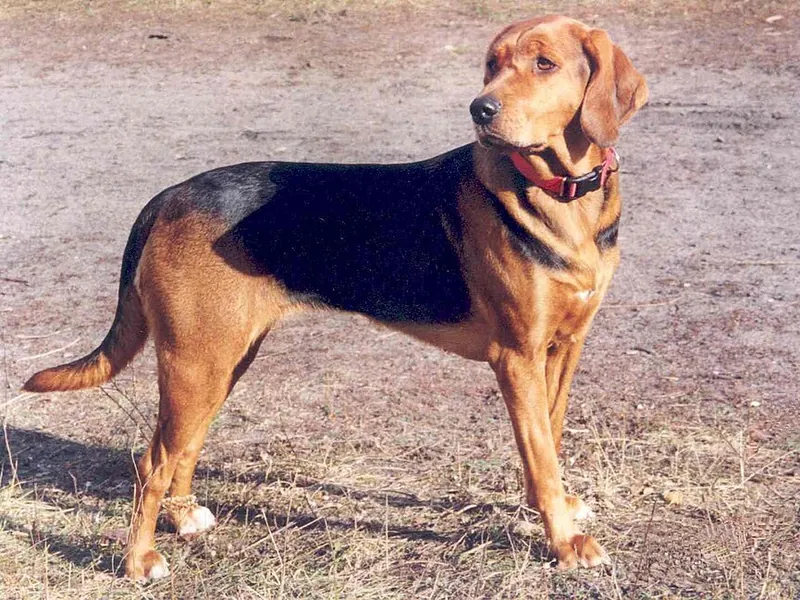
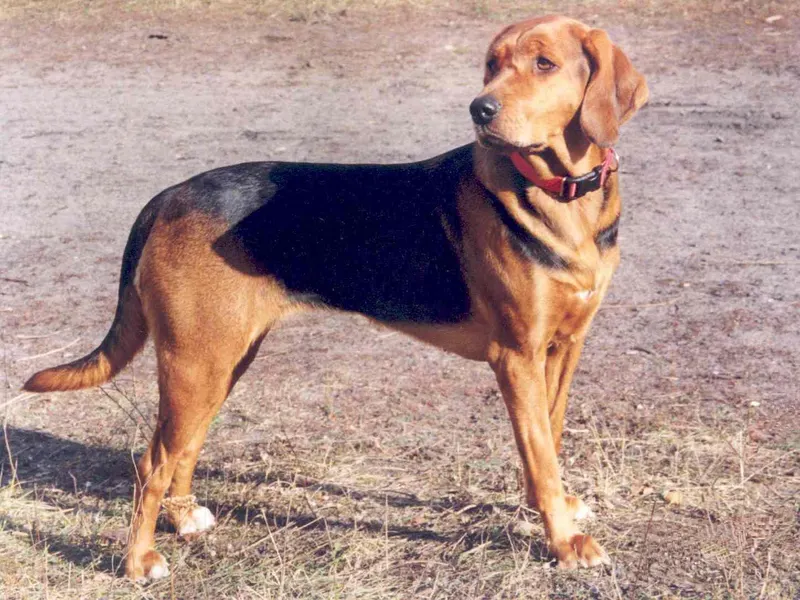
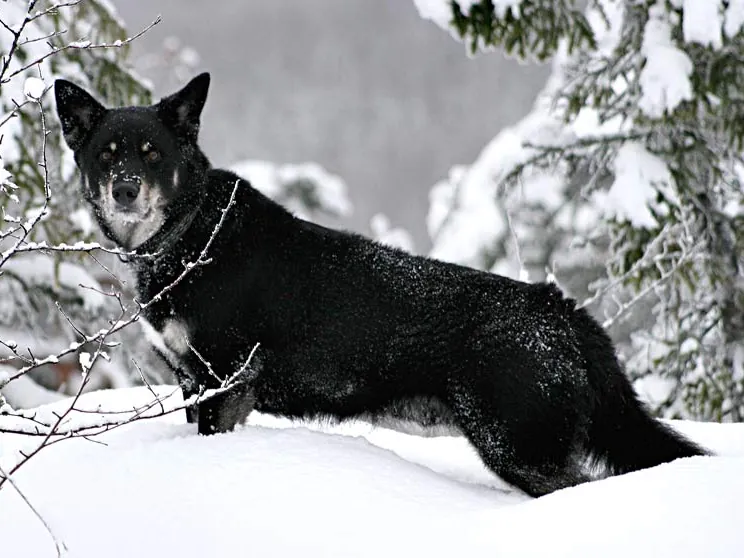
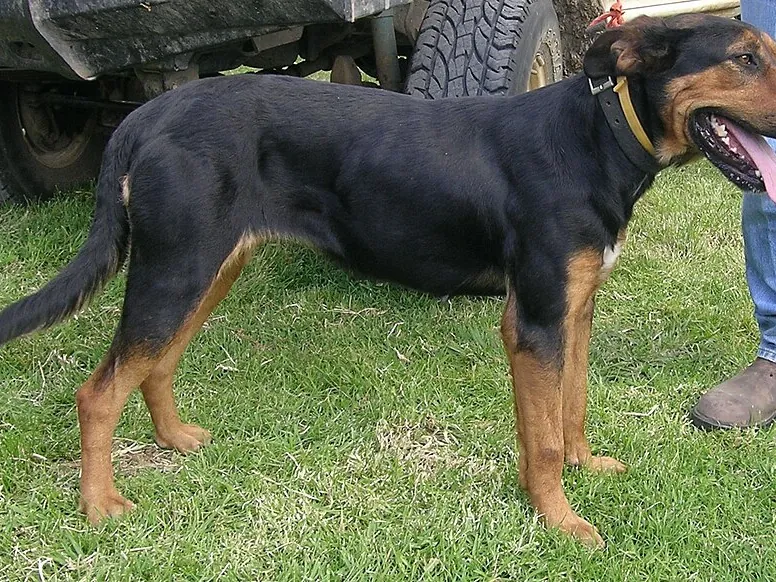
The New Zealand Huntaway is a large, athletic herding dog standing about 22 to 26 inches and weighing roughly 55 to 88 lb. Males are generally larger and heavier than females. Because the breed was selected purely for working ability, appearance varies more than in most recognized breeds. The body is deep-chested and well muscled, built for driving sheep up steep hillsides for long hours.
The head is broad, with drop or semi-erect ears and an alert expression. The tail is long and usually carried low.
Coats can be smooth, short or slightly rough (sometimes called grizzly). The most common color is black and tan, but black, black and white, brindle and tricolor dogs also occur. White markings on the chest, feet and face are common. The New Zealand Kennel Club standard emphasizes soundness, stamina and working ability over a specific look.
Temperament and Personality
Huntaways are known for being friendly, good-natured and keen to work. They are usually sociable with people and other dogs.
Their bark is their main tool, and it is loud and persistent. They can bark for long periods while working, and many will bark when bored. Their energy and drive need a constructive outlet every day.
On farms Huntaways often work in teams with heading dogs, the silent eye-style dogs that gather sheep, while the Huntaway pushes the mob forward. They are bred to be bold but not harsh with stock, and to keep working for long hours on steep hillsides. Off duty, many are gentle and easygoing with their people.
Are New Zealand Huntaways Good for First-Time Owners?
Generally no, unless the owner is a farmer. Huntaways are friendly and easy to train, but their need for work and their persistent barking make them challenging outside farm settings.
A Huntaway needs hours of activity daily, ideally real work with livestock. Without it, the dog may become frustrated, noisy or destructive. First-time owners in suburban or urban settings usually cannot meet these needs. If you have livestock and are new to working dogs, seek guidance from experienced Huntaway handlers. A shepherd or trainer familiar with the breed can show you how to direct its bark usefully.
Are New Zealand Huntaways Easy to Train?
Yes, Huntaways are generally eager and responsive learners. They were bred to work closely with shepherds and take direction well.
The challenge is barking, which is part of their working method. Teaching a reliable quiet cue is important, but expect barking to remain part of their nature. Training for herding comes naturally to many Huntaways. In non-farm homes, they excel at herding trials, canicross and long hikes, but these activities rarely replace real work. Short, upbeat sessions and plenty of praise suit their cooperative, good-natured temperament.
Can a New Zealand Huntaway Live in the City?
Rarely. Huntaways were bred for large sheep stations, and their loud, persistent barking and high energy needs make city or suburban life very difficult.
A Huntaway in the city would need several hours of activity daily and careful management of barking, which may still upset neighbors. Even with effort, many Huntaways are frustrated without real work. Rural homes with livestock, or at least large properties and very active owners, are a much better fit. Shared walls and close neighbors make the bark especially hard to manage.
Exercise and Training
This breed is built for hours of work on steep terrain.
- Farm work with livestock is ideal.
- Long runs, hiking and dog sports can help non-farm homes but rarely replace real work.
- Training is usually straightforward; they are eager and responsive.
- Teach a reliable quiet cue, and expect barking to remain part of their nature.
They do poorly in apartments and when left alone for long periods.
Sports such as herding trials, canicross and long hikes can help, but a Huntaway that is not working usually needs several hours of activity every day. Young dogs should not be pushed on steep ground too early while their joints are developing.
Grooming and Shedding
Coats can be smooth, short or slightly rough. Weekly brushing is usually enough, with more during seasonal shedding.
Working dogs need regular checks for injuries, grass seeds and worn pads. Keep nails trimmed if the dog spends time on soft ground.
Shedding is moderate. Bathing is rarely needed, and a working dog's coat usually cleans itself once mud dries and is brushed out.
Feeding and Nutrition
Huntaways are working dogs with high energy needs, and food requirements vary dramatically with workload. A dog working sheep all day may need far more food than one with lighter duties. Feed a complete diet and adjust portions often based on body condition.
Working dogs often benefit from a diet with adequate fat and protein. Keep them lean and well muscled. Puppies should grow steadily on a diet suited to large-breed growth, with lean body condition to protect joints during development.
As a large, deep-chested breed, the Huntaway may be at risk of bloat. Feed two meals a day, avoid hard work shortly before and after eating and use a slow feeder if needed.
Given a possible predisposition to dilated cardiomyopathy, discuss diet choices and heart screening with your vet. Fresh water must always be available during work.
| Adult weight | Less active | Typical adult | Very active |
|---|---|---|---|
| 55 lb | 1,090 kcal | 1,250 kcal | 1,560 kcal |
| 88 lb | 1,560 kcal | 1,780 kcal | 2,220 kcal |
Estimates use the resting energy formula veterinarians work with (70 × body weight in kg0.75) and standard activity factors. Use the feeding guide on your food as a starting point and adjust to body condition. Puppies, seniors, pregnant animals and pets that need to lose weight have different needs, so ask your vet.
Health and Lifespan
Reliable lifespan data are limited. Conditions described in the breed include a possible predisposition to dilated cardiomyopathy, a heart muscle disease, as well as rare inherited disorders such as mucopolysaccharidosis, subaortic stenosis and black hair follicular dysplasia.
As a large, deep-chested dog, it may also be at risk of bloat. Ask breeders about heart screening and known inherited conditions in their lines.
New Zealand Huntaway Price and Cost of Ownership
New Zealand Huntaways are very rare outside New Zealand and not recognized by the AKC. There is no reliable typical US price range. Prices vary by breeder, region and lines, and importing from New Zealand adds significant transport and quarantine costs. Ask breeders about heart screening and known inherited conditions in their lines.
Rescue Huntaways are very rare in the US.
Ongoing costs are driven by work. Livestock, fencing and herding equipment are common expenses for owners who work their dogs. Grooming is minimal. Pet insurance is worth considering for heart conditions and injuries in working dogs. Food costs depend on workload.
Is the New Zealand Huntaway Right for You?
This breed belongs on farms or with very active rural owners.
- Good match: sheep and cattle farmers, rural owners who can provide real work.
- Poor match: apartments, suburbs, people with close neighbors, households where the dog is left alone.
Outside New Zealand, finding a Huntaway is difficult, and they are rarely suitable as pets.
New Zealand Huntaway Traits at a Glance
New Zealand Huntaway FAQ
How big do New Zealand Huntaways get?
They are large, roughly 22 to 26 inches tall and 55 to 88 lb.
Why do Huntaways bark so much?
Barking is their working method. They drive sheep by barking deeply and persistently.
Are Huntaways good family pets?
They are friendly, but their energy and barking make them suited to farms rather than typical homes.
Is the Huntaway recognized by kennel clubs?
The New Zealand Kennel Club recognized it in 2013. The FCI, AKC and The Kennel Club do not.
What health issues affect Huntaways?
Dilated cardiomyopathy and some rare inherited diseases have been reported. Heart screening is worthwhile.
How do New Zealand Huntaways herd sheep?
They drive sheep from behind using a deep, repeated bark, often working alongside silent heading dogs.