Patterdale TerrierA tough working terrier from the fells
The Patterdale Terrier is a small, hard-working terrier from the Lake District in northern England, bred to work fox in rough, rocky country. It is courageous, energetic and very driven. It suits experienced, active owners who want a working-type terrier and can manage strong prey drive.
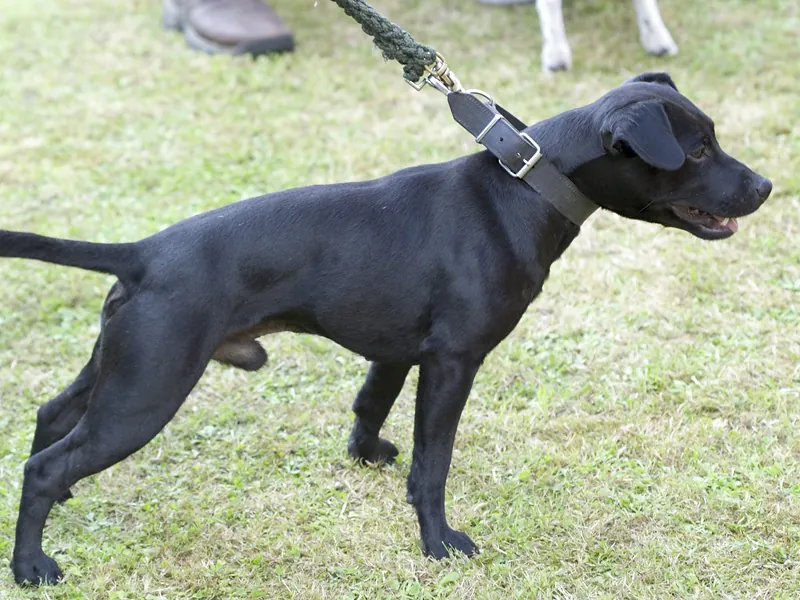
Why people love the Patterdale Terrier
- Tough, compact terrier with huge stamina
- Affectionate and playful with its own people
- Low-maintenance coat in all three types
- Excellent partner for long hikes and outdoor sports
- Usually hardy with a long lifespan
Things to consider
- Very strong prey drive toward cats and small pets
- May not tolerate other dogs, especially same sex
- Digs, escapes and disappears into burrows
- Training demands patience and consistency
- Rare in the US with no AKC registry
Is this breed right for you?
10 questions · live resultHistory and Origin
Patterdale Terriers take their name from a village in the Lake District of Cumbria. Farmers and fell hunts there needed small, tough terriers that could follow foxes into rocky dens and bolt or hold them. The dogs were selected for working ability rather than looks, and they are closely related to other fell terriers of the region.
The breed was developed largely in the 20th century from northern working terriers. It is still mainly a working dog and has no Kennel Club or AKC recognition. The United Kennel Club in the United States recognizes it, and its standard describes a dog that is not suited to the average pet owner.
Size, Coat Types and Colors
The Patterdale is a compact working terrier standing about 10 to 15 inches tall and weighing roughly 11 to 18 lb. Because it was selected for work rather than looks, size and shape vary more than in most breeds. The key feature is a narrow, flexible chest, small enough that a hand can span it behind the elbows, which lets the dog follow quarry underground.
There are three coat types:
- Smooth: short, dense and hard.
- Broken: slightly longer with some facial furnishings.
- Rough: longer and harsh, with a beard and eyebrows.
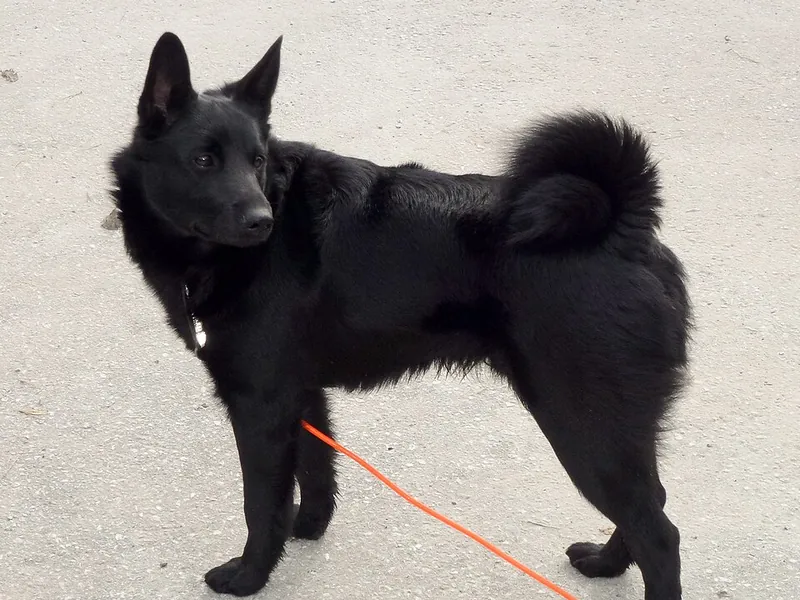
Black is by far the most common color. Red, liver (chocolate), bronze, black and tan and grizzle also occur, and small white markings on the chest or feet are acceptable. The head is strong with folded V-shaped ears, and the tail is carried high. Males are usually a bit stockier through the head and chest than females.
Temperament and Personality
Patterdales are bold, determined and full of energy. With their own people they can be affectionate and playful, but their focus switches instantly when they see or smell prey.
Cats, rabbits, rodents and small pets are usually at risk, and some Patterdales do not get along with other dogs, particularly of the same sex. They are alert without being constant barkers, and they do poorly when left alone for long periods, often turning to digging or escaping.
Are Patterdale Terriers Aggressive?
Patterdales are not typically aggressive toward people, and most are affectionate with their families. Their intensity is directed at prey, and some individuals show intolerance toward other dogs.
This is a working terrier bred to face foxes underground, so it is bold and slow to back down. Same-sex dog conflicts are reported, and small animals are usually seen as quarry. Early socialization, careful dog introductions, leash training and avoiding crowded dog parks with untested dogs help prevent problems. When adopting, an adult with a known history with dogs and children gives the most predictable result.
Are Patterdale Terriers Good for First-Time Owners?
Usually no. The UKC standard itself notes the breed is not suited to the average pet owner, and rescues see many Patterdales surrendered by people who expected a typical small companion dog.
A Patterdale needs a lot of exercise, a secure dig-proof yard, firm and positive training and close management around other animals. A first-time owner with a very active outdoor lifestyle, no small pets and access to an experienced trainer may manage, ideally with an adult rescue dog whose temperament is known. Most first-time owners will find a less driven terrier easier.
Can a Patterdale Terrier Live in an Apartment?
Its size suits an apartment, but its energy usually does not. A Patterdale that does not get well over an hour of hard exercise plus training and scent work each day can become restless, noisy and destructive indoors.
Apartment living can work for a very active owner who runs, hikes or does dog sports daily and keeps the dog mentally busy. Expect to manage barking at hallway noises and to supervise closely around building pets. Patterdales also struggle with long hours alone, which is often the bigger problem for working apartment owners than the space itself.
Exercise and Training
Patterdales need a lot of daily activity, typically well over an hour, plus mental challenges. Suitable outlets include:
- Long walks, hikes and running on a long line
- Earthdog-style games, scent work and flirt-pole play
- Agility or other fast dog sports
Training is demanding. They are smart but independent and easily distracted by scent. Use high-value food rewards, short sessions and lots of repetition. Off-leash time is risky near wildlife or roads, and many Patterdales will disappear into burrows. Secure, dig-proof fencing is important.
Give a Patterdale a legitimate outlet for digging, such as a sandpit in the garden, and use toys on a rope or flirt pole to channel the chase instinct. This reduces damage to lawns and the temptation to hunt on walks.
Grooming and Shedding
Patterdales come in smooth, rough and broken coats, mostly black, red, liver (chocolate) or bronze. All are fairly low-maintenance: a weekly brush, more in seasonal sheds, and occasional baths after muddy outings. Check paws, ears and skin after work in thick undergrowth or dens for cuts and ticks.
Feeding and Nutrition
Patterdales are hard-working, muscular dogs that should stay lean. A working dog may need much more food during the season, while an under-exercised pet gains weight quickly, so feed for activity and check body condition often. You should feel the ribs easily and see a waist.
- Feed adults two meals a day; puppies three or four smaller meals.
- Use food rewards generously in training, but count them in the daily ration.
- Feed dogs separately if you have more than one, because some Patterdales guard food.
Skin allergies (atopy) are reported in the breed. If your dog scratches, licks its paws or gets recurring ear infections, ask your vet about a structured diet trial rather than changing foods at random.
Because Patterdales scavenge enthusiastically and dig, they may eat dead animals, manure or other items on walks. Teach a solid leave-it and drop. Lean condition also helps the knees and back, since luxating patellas and disc disease have been reported.
| Adult weight | Less active | Typical adult | Very active |
|---|---|---|---|
| 11 lb | 330 kcal | 370 kcal | 470 kcal |
| 14 lb | 390 kcal | 450 kcal | 560 kcal |
| 18 lb | 470 kcal | 540 kcal | 680 kcal |
Estimates use the resting energy formula veterinarians work with (70 × body weight in kg0.75) and standard activity factors. Use the feeding guide on your food as a starting point and adjust to body condition. Puppies, seniors, pregnant animals and pets that need to lose weight have different needs, so ask your vet.
Health and Lifespan
Patterdales are usually hardy and often live 12 to 15 years. Reported conditions include:
- Legg-Calvé-Perthes disease and luxating kneecaps
- Intervertebral disc disease
- Cataracts and other eye problems
- Epilepsy
- Skin allergies (atopy)
- Weight gain when under-exercised
Because there is no central breed registry with health requirements, ask breeders what checks they carry out and look for working-line breeders who take welfare seriously. Rescue organizations in the UK frequently rehome Patterdales.
Patterdale Terrier Price and Cost of Ownership
Patterdales are uncommon in the US, and prices vary widely between working-line breeders, hobby breeders and imports from the UK. Because there is no AKC registry and no central health program, the price says little about quality. Focus on breeders who can explain the parents' temperament, working background and any health checks they carry out.
Adoption is a strong option. UK rescues rehome many Patterdales, and in the US they appear in terrier rescues and shelters, often labeled as Lab or terrier mixes because of the black coat.
Breed-specific ongoing costs include:
- Secure, dig-proof fencing and escape-proof crates.
- Training or behavior support, especially for dog-to-dog issues.
- Vet care for skin allergies and field injuries from brush or dens.
Is the Patterdale Terrier Right for You?
A Patterdale may be right for you if you are experienced with terriers, spend a lot of time outdoors, have no cats or small pets and can offer firm, consistent and positive training.
It is not a good choice for first-time owners, households with small animals, or homes where the dog would be alone for much of the day. Families with young children should be cautious and pick an adult dog with a known temperament.
Patterdale Terrier Traits at a Glance
Patterdale Terrier FAQ
How big do Patterdale Terriers get?
They stand about 10 to 15 inches tall and usually weigh around 11 to 18 lb.
Are Patterdale Terriers good family pets?
They can be loving with their people, but their energy and prey drive make them best for experienced, active households without small pets.
Are Patterdale Terriers good with cats?
Usually not; most have a very strong instinct to chase and catch small animals.
How much exercise does a Patterdale Terrier need?
Plan on more than an hour of active exercise a day plus training and scent games.
Is the Patterdale Terrier a recognized breed?
It is recognized by the United Kennel Club but not by the AKC or The Kennel Club.
How long do Patterdale Terriers live?
Typically 12 to 15 years.