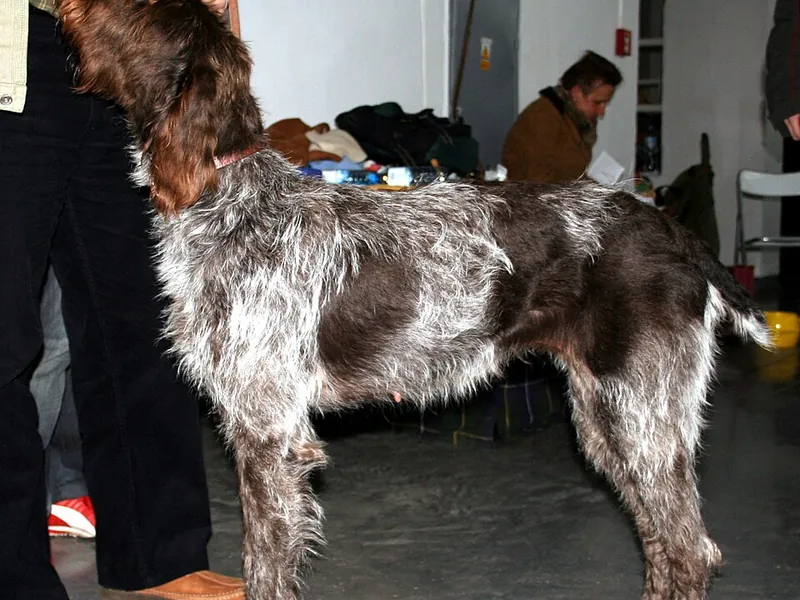
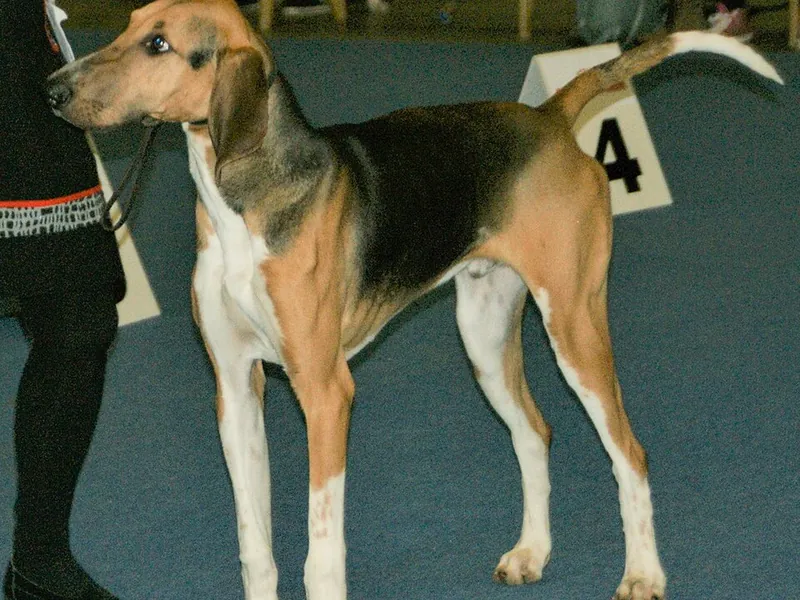
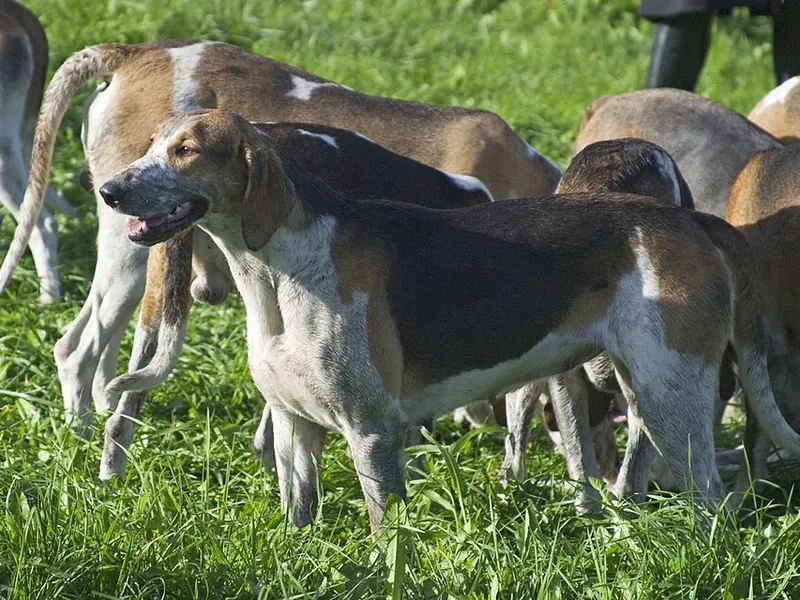
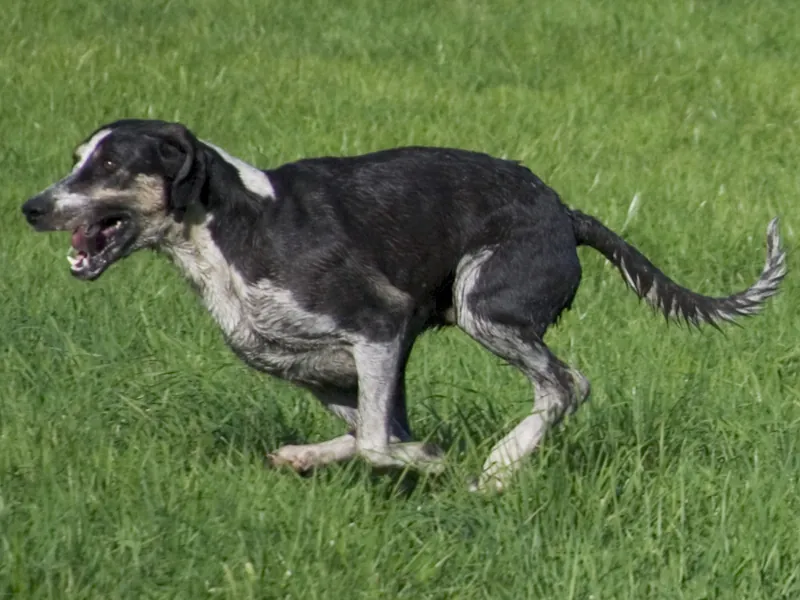
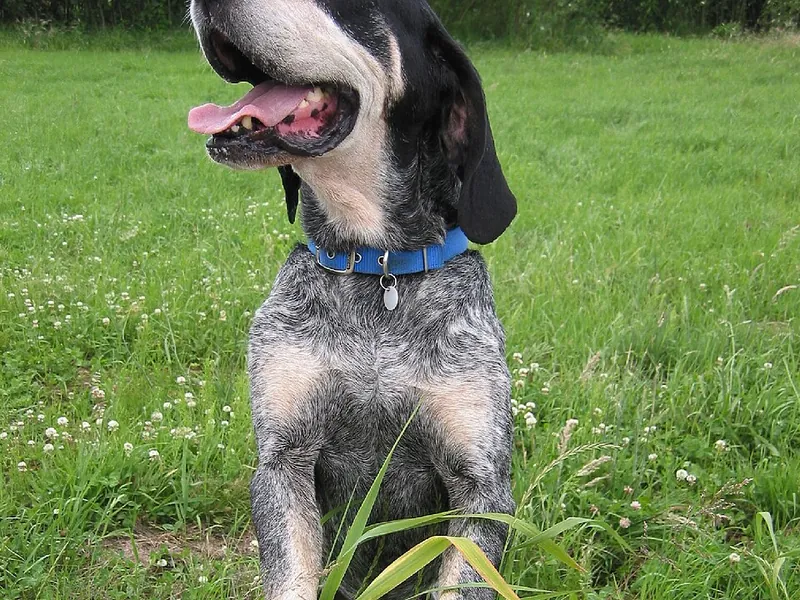
Braque Français GascogneThe larger of France's two classic braques
The Braque Français Gascogne is the larger type of the French pointer, a gentle, cooperative gundog with a strong hunting passion. It is easy to train and affectionate, but it needs an active life and is not built for apartments or long days alone.
Why people love the Braque Français Gascogne
- Gentle, calm and affectionate at home
- Cooperative and easy to train with calm methods
- Natural pointing and retrieving ability
- Easy-care short coat
- Usually gets along with other dogs
Things to consider
- Needs long daily outings with running time
- Strong prey drive toward birds and small animals
- Sensitive; harsh handling makes it withdrawn
- Long ears prone to infection
- Rarely bred outside France
Is this breed right for you?
10 questions · live resultHistory and Origin
Pointing dogs of the braque type have been used in southern France for centuries, and the Braque Français is regarded as one of the oldest continental pointers. Its roots lie in the southwest, around Gascony and the Pyrenees, and old French braques contributed to many other pointer breeds in Europe.
By the late 19th century the breed had dwindled and breeders worked to restore it. Two types were eventually defined: the larger Gascogne type and the smaller Pyrénées type. Both share an FCI breed number in Group 7 and are bred to separate standards. The Gascogne remains a hunting dog first, mostly found in France.
Size, Coat and Colors
The Braque Français Gascogne is the larger of the two Braque Français types. Dogs stand about 22 to 27 inches at the shoulder and weigh about 53 to 71 lb. Males are taller and heavier, with a more powerful head, while females are finer but still solidly built.
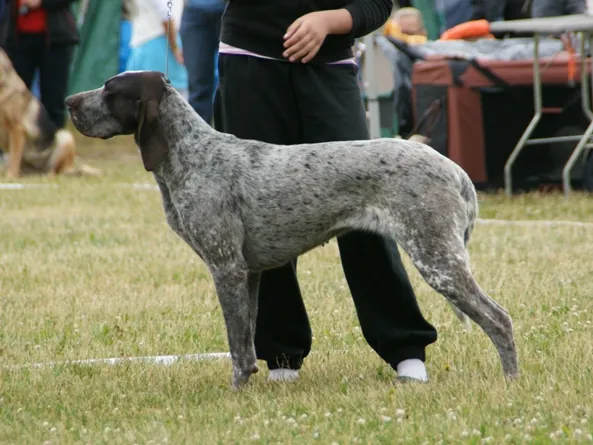
The overall look is of a strong, substantial but not heavy pointer. The head is long with a slightly domed skull, a straight or slightly arched nose, and pendulous lips. The ears are long, set at eye level and slightly folded, reaching close to the tip of the nose. The skin is supple and somewhat loose, forming a small dewlap at the throat.
The coat is short and thick, and coarser than in the Pyrénées type. Accepted colors are:
- Chestnut brown
- Chestnut with white, often ticked or roan
- Tan markings above the eyes, on the lips and legs are allowed
The tail is set fairly low and is often docked in countries where docking is permitted, though natural tails are increasingly common.
Temperament and Personality
This is a gentle, calm and affectionate dog at home, closely attached to its family. It is cooperative in the field and eager to work with its handler, which sets it apart from more independent hunting breeds.
It is also sensitive. Harsh handling can make it withdrawn, while patient guidance brings out its best. Prey drive is strong, so birds and small animals will draw its attention. It usually gets along with other dogs.
Gascogne braques often seek physical closeness with their people and like to rest nearby after a day outdoors. They are typically patient with children who respect them, although their size and enthusiasm mean small children should be supervised.
Is the Braque Français Gascogne Good for First-Time Owners?
The Braque Français Gascogne can suit first-time owners who are active and want a cooperative, gentle dog, but it is not a casual pet. Its trainability and soft temperament make it easier than many hunting breeds.
The challenges are exercise and access to space. A young Gascogne needs long daily outings, ideally with free running in safe areas or field work. Without it, the dog becomes restless. Beginners should commit to positive training, a reliable recall and early socialization. Rural or suburban homes near open country are a better fit than city life.
Is the Braque Français Gascogne Good With Cats?
Some Braques live peacefully with cats, especially when raised with them, but the breed's hunting drive means it is never a sure thing.
Pointing dogs are bred to locate and point birds and small game, and a running cat may draw that attention. Introduce a puppy to a calm, confident cat early, supervise interactions and provide dog-free areas for the cat. Outdoors, many Braques will still chase unfamiliar cats. Birds, rabbits and other small pets are a greater risk and should be kept securely separated.
Can a Braque Français Gascogne Be Left Alone?
The Braque Français Gascogne does not do well alone for long periods. It is attached to its family and prefers to be close by.
A well-exercised adult can usually handle a few hours alone in a safe space with chews or puzzle feeders. Build this tolerance gradually from puppyhood. Long, regular absences often lead to whining, barking or chewing. Owners who work full days away from home should plan for a dog walker or daycare, or consider a different breed. A second dog may help some individuals but does not replace time with their people.
Exercise and Training
As a working pointer, the Gascogne needs a lot of exercise: long daily outings with running time, ideally including field work or retrieving. Without an outlet it can become restless.
The breed is known as easy to train for those who use calm, positive methods. It learns pointing and retrieving readily, and many non-hunters enjoy it in dog sports or scent work. Teach a solid recall and keep it on lead near game. It does not do well left alone for long periods.
Grooming and Shedding
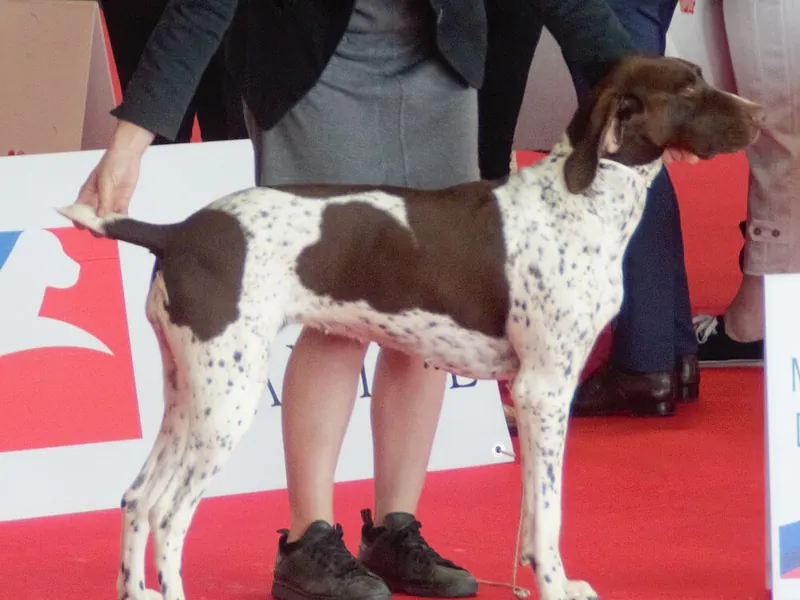
The short, thick coat is white and chestnut, often with ticking. A weekly brush keeps it in good shape, with a little more during seasonal shedding.
The long, low-set ears need regular checks and cleaning, particularly after time in damp fields. Inspect feet and coat for seeds and ticks after hunting, and keep nails trimmed.
Feeding and Nutrition
A working Braque Français Gascogne may need considerably more food during hunting season than in the off-season. Adjust portions to activity and body condition, aiming for easily felt ribs and a clear waist.
Medium-to-large puppies should grow steadily, not quickly. Use a diet suited to their expected adult size and avoid calcium supplements unless advised by a vet. Keeping young dogs lean protects hips and elbows, where dysplasia can occur.
As a deep-chested sporting dog, the Gascogne benefits from two meals a day, with no strenuous exercise immediately before or after eating. On hunting days, feed a light meal early and the main meal after the dog has cooled down.
Fresh water should always be available, and working dogs need regular drinks in the field, especially in warm weather.
The loose lips can collect food and drool. Wipe the mouth after meals if needed. Use small food rewards for retrieving and recall practice, and include them in the day's ration.
| Adult weight | Less active | Typical adult | Very active |
|---|---|---|---|
| 53 lb | 1,060 kcal | 1,220 kcal | 1,520 kcal |
| 71 lb | 1,320 kcal | 1,510 kcal | 1,890 kcal |
Estimates use the resting energy formula veterinarians work with (70 × body weight in kg0.75) and standard activity factors. Use the feeding guide on your food as a starting point and adjust to body condition. Puppies, seniors, pregnant animals and pets that need to lose weight have different needs, so ask your vet.
Health and Lifespan
The Gascogne type is considered robust, with a lifespan of about 12 to 14 years. Hip and elbow dysplasia can occur, as in most medium-to-large sporting breeds, and some eye problems have been reported.
Ear infections are a routine risk with its long, hanging ears. Choose breeders who screen hips and elbows and keep working dogs fit and lean.
Braque Français Gascogne Price and Cost of Ownership
The Braque Français Gascogne is rarely bred in the US, and there is no reliable US price range. Most puppies are bred in France, and buying one usually means contacting French breeders and arranging import. Prices vary by breeder, region and lines, and transport, health certificates and paperwork add to the cost.
Rescue options in North America are very limited. Occasionally, adult dogs from hunting homes are rehomed through breed enthusiasts.
Ongoing cost drivers include:
- Food for a large, active sporting dog
- Ear care and treatment of ear infections
- Insurance covering hip and elbow dysplasia and field injuries
- Field training, hunt tests and gear if you hunt
- Health screening: hip and elbow evaluations
Is the Braque Français Gascogne Right for You?
This braque suits hunters and very active owners who live near open countryside and can offer daily running and training.
- Good match: hunters, rural families, people interested in field trials or canicross.
- Less ideal: apartments, sedentary homes, or owners away for long hours.
Most puppies are bred in France, so expect to research breeders there.
Braque Français Gascogne Traits at a Glance
Braque Français Gascogne FAQ
How big is the Braque Français Gascogne?
It stands about 22 to 27 inches tall and weighs roughly 53 to 71 lb.
What is the difference between the Gascogne and Pyrénées types?
The Gascogne is larger and heavier, while the Pyrénées type is smaller and lighter. They share a history but have separate standards.
Is the Braque Français Gascogne easy to train?
Yes, it is generally cooperative and keen to learn, provided training is gentle and consistent.
Can a Braque Français Gascogne live in an apartment?
It is not well suited to apartment life because of its size and high exercise needs.
How long does a Braque Français Gascogne live?
Typically 12 to 14 years.
Is the Braque Français Gascogne good with children?
Generally yes. It is gentle and affectionate, but its size and energy mean play with young children should be supervised.