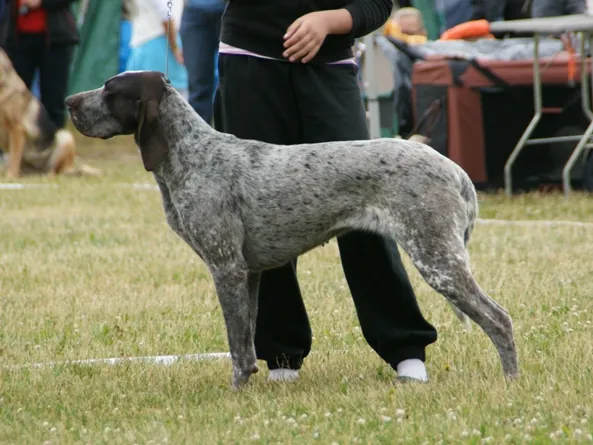
Treeing Walker CoonhoundAmerica's speedy, sociable raccoon hound
The Treeing Walker Coonhound is a fast, athletic American hound bred to track raccoons and bay them up a tree. It is friendly and easygoing with people, but its stamina, prey drive and famous voice make it a big commitment.
Why people love the Treeing Walker Coonhound
- Friendly, outgoing and great with children
- Relaxed indoors when well exercised
- Easy-care short coat
- Willing learner with food rewards
- Generally healthy, with a lifespan of 12 to 13 years
Things to consider
- Loud bawl and chop bark carry a long way
- Intense prey drive toward cats and squirrels
- Needs long daily exercise and a secure fence
- Recall unreliable on a fresh trail
- Hearty appetite leads to weight gain
Is this breed right for you?
10 questions · live resultHistory and Origin
The breed traces back to the English Foxhounds brought to colonial Virginia and to the Walker hounds developed from them by American breeders in the 18th and 19th centuries. A dog named Tennessee Lead, of uncertain origin but famous for his speed and drive, was bred into the Walker line in the 19th century and is often credited with shaping the type.
For decades Treeing Walkers were registered as a variety of English Coonhound. Breeders separated them in the 1940s, and the United Kennel Club recognized the Treeing Walker as its own breed in 1945. The AKC granted full recognition in 2012. The breed is a favorite of American coon hunters and is valued for speed, nose and a clear tree bark.
Size, Coat and Colors
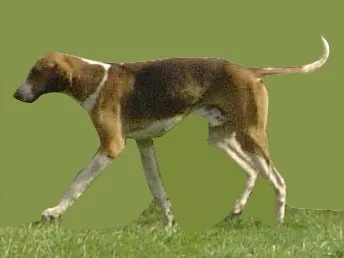
The Treeing Walker Coonhound is a lean, athletic scenthound with a smooth, muscular build. Adults stand about 20 to 27 inches and weigh 51 to 71 lb. Under the AKC standard, males measure 22 to 27 inches and females 20 to 25 inches, with males showing more bone and a slightly broader head.
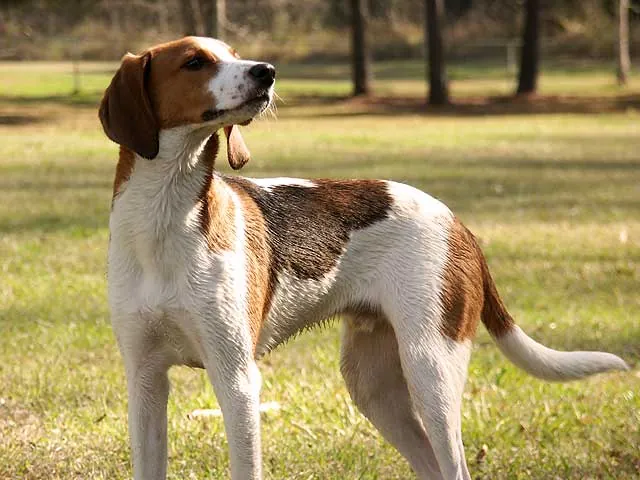
The head is medium-broad with a slightly domed skull, large dark eyes and a pleading expression. The ears are long, thin and set moderately low, hanging gracefully. The chest is deep, the back strong and the tail long and carried high.
The coat is short, smooth, glossy and dense, giving good protection in brush and water.
Accepted colors include:
- Tricolor: white, black and tan, the preferred pattern
- White-predominant tricolor
- Black-predominant tricolor
Bicolors such as black and white or tan and white are acceptable. The overall look is of a fast, enduring hunter with a clean outline built for speed and stamina.
Temperament and Personality
Treeing Walkers are typically friendly, outgoing and affectionate. Many are wonderful with children and greet visitors happily, so they are better at announcing guests than guarding. Indoors, a well-exercised adult can be surprisingly relaxed.
Outside, they are all hunter. The breed has an intense prey drive and will chase squirrels, cats and other small animals. Its voice is a mix of a long bawl and a sharper chop, and it carries a long way. Bored or lonely hounds often use it.
Is the Treeing Walker Coonhound Good for First-Time Owners?
A Treeing Walker can suit a first-time owner who is active and prepared for a hound's voice and prey drive. Its friendly, forgiving temperament makes it easier than many working breeds.
The challenges are exercise, noise and containment. New owners must provide long daily exercise, a secure yard and leashed walks outside fenced areas. Barking and baying are part of the breed. Owners who can meet these needs, use positive training and enjoy outdoor activities often find the Treeing Walker an affectionate, easygoing companion.
Are Treeing Walker Coonhounds Easy to Train?
Treeing Walkers are generally willing learners, especially with food rewards, but scent can quickly override training outdoors.
Use short, positive sessions and high-value treats. Harsh methods do not work well with this sensitive hound. House training is usually manageable with a consistent routine. Recall and impulse control around squirrels and other wildlife take the most work. Many enjoy scent work, tracking and canicross, which use their natural instincts and build cooperation. Expect a stubborn moment when the nose takes over; calm repetition works better than raising your voice.
Can Treeing Walker Coonhounds Be Left Alone?
Treeing Walkers can manage a few hours alone, but they dislike long absences and do best with company. A lonely hound may bay, howl or become destructive.
Exercise before you leave, provide chews and puzzle feeders, and build alone time gradually from puppyhood. Many do better with another dog for company, given their pack background. For long workdays, a dog walker or daycare is a good solution. Neighbors are likely to hear a bored Treeing Walker, so plan ahead. Bored Walkers may also chew or dig.
Exercise and Training
This is a high-energy dog that needs long daily exercise: runs, brisk hikes or canicross for adults, plus scent games. A securely fenced yard is strongly recommended, and off-lead running belongs in enclosed areas only, since a Walker on a fresh trail can cover a lot of ground quickly.
Treeing Walkers are generally willing learners and respond well to food-based, positive training. Start recall and impulse-control work early and keep sessions varied. They dislike being left alone for long stretches and do best with a person or another dog around.
Grooming and Shedding
The short, glossy coat, usually tricolor of white, black and tan, needs only a weekly brush. Shedding is moderate year round.
The long drop ears are the main care point: check and clean them weekly, especially after time outdoors, and look for ticks during the warm months. Trim nails regularly and expect a little drool after drinking.
Feeding and Nutrition
Treeing Walkers have hearty appetites and gain weight quickly when exercise falls short. Measure meals, avoid free feeding and adjust portions to body condition. A fit Walker has easily felt ribs and a clear waist.
Working hounds during hunting season need considerably more food than family companions. Increase portions gradually during active periods and reduce them when activity drops.
As a deep-chested hound, the breed benefits from two meals a day, with rest before and after strenuous exercise. Avoid feeding a large meal right before a hunt.
Young dogs should grow steadily on a diet suited to their expected adult size, without forced long runs before growth is complete.
Hounds are skilled food thieves. Secure trash cans, counters and pantry doors.
Food rewards are very effective for training. Use small treats and include them in the daily ration.
| Adult weight | Less active | Typical adult | Very active |
|---|---|---|---|
| 51 lb | 1,030 kcal | 1,180 kcal | 1,480 kcal |
| 71 lb | 1,320 kcal | 1,510 kcal | 1,890 kcal |
Estimates use the resting energy formula veterinarians work with (70 × body weight in kg0.75) and standard activity factors. Use the feeding guide on your food as a starting point and adjust to body condition. Puppies, seniors, pregnant animals and pets that need to lose weight have different needs, so ask your vet.
Health and Lifespan
The Treeing Walker Coonhound is generally a healthy breed, with a lifespan of about 12 to 13 years. Responsible breeders screen for hip dysplasia and have eyes examined.
Ear infections are common in drop-eared hounds, and dogs that spend time in woods and fields need regular tick prevention and checks. Keep the dog fit and lean, because a hearty hound appetite can quickly lead to weight gain when exercise falls short.
Treeing Walker Coonhound Price and Cost of Ownership
Typical breeder price in the US$500 to $1,200
Treeing Walker Coonhound puppies in the US typically cost about $500 to $1,200, depending on breeder, region and lines. Dogs from proven hunting lines may cost more. The breed is common in hound rescues and shelters, especially in the South, making adoption a good option.
Ongoing cost drivers include:
- Secure fencing for a scenthound
- GPS tracking collar for hunting or off-leash work
- Tick prevention and ear care
- Food for a hearty-eating, active hound
- Insurance covering injuries and hip conditions
Coon hunting clubs, licenses and field trial fees add to the cost if you hunt with the dog. Many owners also budget for chew-proof toys and crates for a strong hound.
Is the Treeing Walker Coonhound Right for You?
This breed suits active owners with space, a good fence and neighbors who will tolerate baying. It is a natural for coon hunters and also does well with runners and families who spend lots of time outdoors.
- Good match: rural or suburban homes with yards, active families, multi-dog homes.
- Less ideal: apartments, homes with cats or small pets the dog was not raised with, owners away all day.
Treeing Walker Coonhound Traits at a Glance
Treeing Walker Coonhound FAQ
Are Treeing Walker Coonhounds good family dogs?
Yes, they are usually friendly and gentle with children. They need lots of exercise and company to be relaxed at home.
How big do Treeing Walker Coonhounds get?
They stand roughly 20 to 27 inches tall and weigh about 51 to 71 lb.
Are Treeing Walker Coonhounds loud?
Yes. They have a loud bawl and chop bark designed to be heard by hunters at a distance.
Can Treeing Walker Coonhounds live in apartments?
It is rarely a good fit. Their energy and voice suit homes with a fenced yard and space to run.
Do Treeing Walker Coonhounds get along with cats?
Some do if raised with them, but their strong prey drive makes outdoor cats and small pets a risk.
How long do Treeing Walker Coonhounds live?
Typically 12 to 13 years.