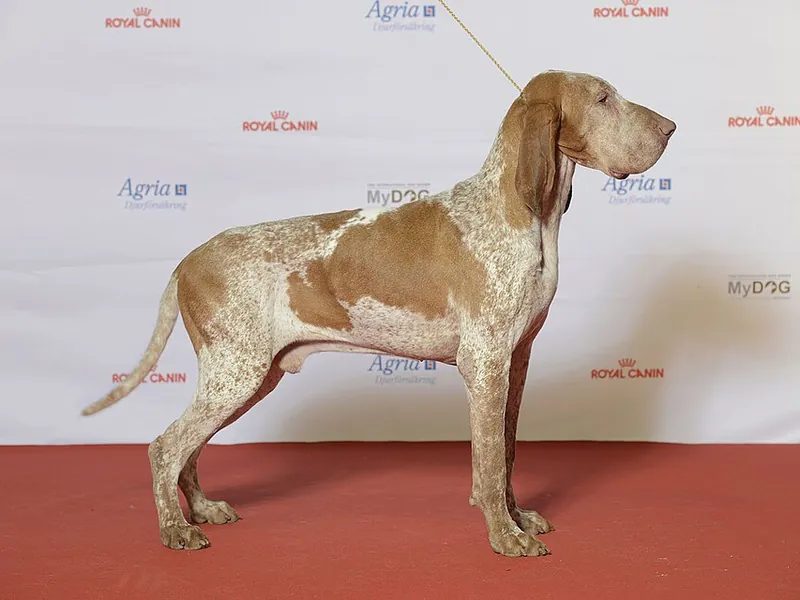
Grand Griffon VendéenThe largest of the Vendéen hounds
The Grand Griffon Vendéen is a tall, rough-coated scent hound from western France and the ancestor of the better-known basset griffons. Friendly but strong-willed and loud on the trail, it is a dedicated pack hunter that needs space, stamina and an experienced hand.
Why people love the Grand Griffon Vendéen
- Friendly with people and other dogs
- Courageous, tireless hunter in rough country
- Weather- and thorn-resistant rough coat
- Not prone to guarding or suspicion
- Rare, characterful French hound
Things to consider
- Needs several hours of activity daily
- Loud, ringing bay on a trail
- Not safe with cats and small pets
- Recall rarely reliable once scenting
- Almost unavailable outside France
Is this breed right for you?
10 questions · live resultHistory and Origin
The Vendée region on France's Atlantic coast has produced rough-coated hounds since at least the 16th century. The Grand Griffon Vendéen, the largest of the family, was used in packs to hunt wolf, and later wild boar and roe deer, in thick, thorny country where its wiry coat offered protection.
Smaller Vendéen hounds, including the Briquet Griffon Vendéen and the Grand and Petit Basset Griffon Vendéen, were developed from it. The breed suffered heavily during the world wars and remains rare, with most dogs living in French hunting packs. The FCI recognizes it in Group 6.
Size, Coat and Colors
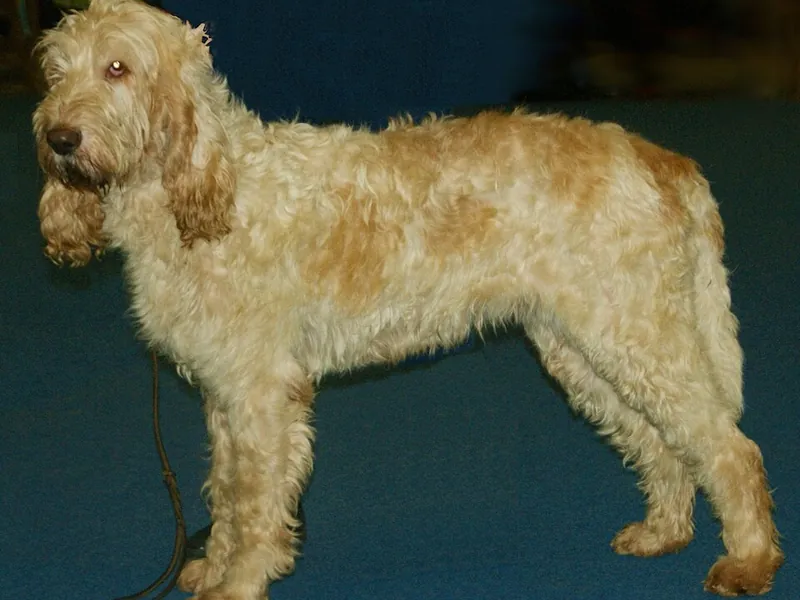
The Grand Griffon Vendéen is the tallest of the Vendéen griffons, a strong, rough-coated scent hound standing about 24 to 27 inches at the shoulder and weighing roughly 66 to 77 lb. It is muscular and slightly longer than tall, with a deep chest, a long head with a bearded muzzle, and long, supple ears that hang in a fold and reach past the nose.
The coat is rough, wiry and not too long, never silky or woolly, with a dense undercoat. Eyebrows stand out without covering the eyes, and the beard and mustache give the breed its tousled expression.
Accepted colors include solid fawn or hare-colored, white and orange, white and black, white and gray and tricolor combinations, and black and tan. Males are at the upper end of the size range and heavier in bone and head than females. It should not be confused with the shorter-legged Grand Basset Griffon Vendéen.
Temperament and Personality
Grands are generally friendly and good-natured with people, and they get on well with other dogs, as pack hounds must. They are not natural guardians.
Their hunting passion is intense. Once on a scent they become single-minded and vocal, with a loud, ringing bay. They respond to their handler but retain the independence of a hound bred to work ahead of the hunter, and they are usually not safe with cats or small animals.
In French hunting packs, Grands are valued for their courage and endurance in rough country. Those qualities make them tough, tireless dogs that need far more than a casual walk.
Is the Grand Griffon Vendéen Good for First-Time Owners?
Generally no. The Grand Griffon Vendéen is a friendly dog, but it is a dedicated pack hound with intense hunting passion and stamina, and its needs are hard to meet without hound experience.
A first-time owner would need to provide several hours of activity daily, keep the dog on a long line outside fenced areas, cope with a loud bay and manage strong prey drive around cats and small animals. Training progresses slowly because the hound was bred to work ahead of the hunter on its own initiative. In France, most Grands live with hunters in packs, and breeders typically prefer experienced homes, which also makes it difficult for novices to obtain one.
Do Grand Griffon Vendéens Bark a Lot?
Yes, especially outdoors. The Grand Griffon Vendéen hunts with its voice, giving a loud, ringing bay on a trail so hunters can follow the pack. That instinct does not disappear in a pet home.
A well-exercised Grand is often relaxed and quiet indoors, but it may bay at scents, wildlife, other dogs or when bored or left alone. Close neighbors are likely to notice. Daily long outings, scent work, company and a predictable routine reduce nuisance barking. The breed is best suited to rural homes where its voice is not a problem.
Are Grand Griffon Vendéens Good with Cats?
Usually not. The breed was developed to hunt wolf, boar and roe deer in packs, and its prey drive is strong. Cats and small animals running away are likely to trigger a chase.
A puppy raised with a calm, confident cat may learn to accept that particular cat indoors, but it will often still chase cats outside or unfamiliar animals. Adults with no cat experience are a high risk. If you share your home with a cat, introduce carefully with gates and a leash, give the cat high escape routes and a dog-free room, and never leave them unsupervised until you are sure of the dog's behavior. Small pets such as rabbits and rodents should be kept fully separate.
Exercise and Training
This is a big, athletic hound with great endurance. It needs several hours of activity daily, ideally including long runs or hikes in open country on a long line, or real pack work.
Training should begin early with consistent, positive methods. Focus on recall, leash manners and calm behavior in the home. Expect that its nose will often win over commands, and never rely on off-leash control near roads or livestock.
Grooming and Shedding
The rough, wiry coat needs weekly brushing to remove debris and dead hair. Occasional hand-stripping keeps it tidy. The beard and eyebrows may need cleaning after meals and walks.
The long ears require regular checks and cleaning, and paws should be inspected after work in brush. The breed sheds moderately.
The coat is typically white with orange, black, fawn or gray markings, or tricolor. Its harsh texture protects against thorns and brambles.
Feeding and Nutrition
A Grand Griffon Vendéen is a lean, enduring hunter, and its food needs follow its workload. Dogs that hunt or run for hours several times a week burn far more energy than family hounds with long walks, so adjust portions to activity and the season rather than following a fixed amount.
Bloat is a risk in this deep-chested breed. Split the daily ration into at least two meals, avoid feeding a large meal right before or after hard work, and allow time to rest after eating.
- Puppies should be raised on a diet suitable for large-breed growth, kept lean to protect hips and elbows.
- Check body condition with your hands, since the rough coat hides both ribs and extra weight.
- Wipe the beard after meals to prevent food residue and odor.
- Offer water on long outings in warm weather.
- Food left in reach will be found by scent.
| Adult weight | Less active | Typical adult | Very active |
|---|---|---|---|
| 66 lb | 1,250 kcal | 1,430 kcal | 1,790 kcal |
| 77 lb | 1,410 kcal | 1,610 kcal | 2,010 kcal |
Estimates use the resting energy formula veterinarians work with (70 × body weight in kg0.75) and standard activity factors. Use the feeding guide on your food as a starting point and adjust to body condition. Puppies, seniors, pregnant animals and pets that need to lose weight have different needs, so ask your vet.
Health and Lifespan
Health data on the Grand Griffon Vendéen is limited. Conditions reported include hip and elbow dysplasia, epilepsy, kneecap luxation, ear infections and bloat (gastric dilatation-volvulus), which is a risk for deep-chested dogs. Ask breeders about hip and elbow scores and any history of seizures in the line.
Feed smaller meals, avoid strenuous exercise right after eating, and keep ears clean and dry. Typical lifespan is about 11 to 13 years.
Grand Griffon Vendéen Price and Cost of Ownership
The Grand Griffon Vendéen is not recognized by the AKC and is very rare outside France, so there is no US price range. Most dogs live in French hunting packs, and the few puppies available abroad usually come from French breeders, with transport and paperwork adding to the cost. Prices vary by breeder, region and lines.
Adoption is rare in the US, but hound rescues sometimes have rough-coated scent hound mixes.
Breed-specific cost drivers include secure, tall fencing, tracking or hunting gear such as a long line and GPS collar, hand-stripping or grooming of the wire coat, regular ear treatment for the long ears and tick and burr checks after outings. Insurance or savings for bloat surgery and joint problems in a large, deep-chested hound are sensible.
Is the Grand Griffon Vendéen Right for You?
This breed belongs with hunters or experienced hound owners in the countryside, with large fenced areas and neighbors who tolerate baying. It can be a friendly, relaxed companion if its needs are met.
It is unsuitable for city living, apartments, small yards or homes with cats and other small pets.
Grand Griffon Vendéen Traits at a Glance
Grand Griffon Vendéen FAQ
How big is a Grand Griffon Vendéen?
It stands about 24 to 27 inches at the shoulder and weighs roughly 66 to 77 lb.
Is the Grand Griffon Vendéen the same as the Grand Basset Griffon Vendéen?
No. The Grand Griffon Vendéen is a tall, long-legged hound, while the Grand Basset Griffon Vendéen is a shorter-legged breed developed from it.
Are Grand Griffon Vendéens good family dogs?
They are friendly but need extensive exercise and are very vocal, so they suit rural, active and experienced owners.
Do Grand Griffon Vendéens shed?
They shed moderately. Weekly brushing and occasional stripping keep the wire coat in shape.
How long do Grand Griffon Vendéens live?
Typically about 11 to 13 years.
How much exercise does a Grand Griffon Vendéen need?
A lot. Several hours of activity daily, ideally including long runs or pack work in open country.