Drentsche PatrijshondThe gentle Dutch partridge dog
The Drentsche Patrijshond is a versatile, spaniel-like pointing dog from the Dutch province of Drenthe, bred to work closely with hunters. Gentle, cooperative and devoted, it is a lovely family dog for active households that can give it meaningful work.
Why people love the Drentsche Patrijshond
- Gentle, cooperative temperament that usually suits children
- Quiet dog that rarely barks
- Easy to train with positive methods
- Versatile gundog for hunting, tracking and dog sports
- Generally healthy breed with a lifespan of 11 to 14 years
Things to consider
- Needs at least an hour of exercise plus mental work daily
- Very rare in the US, with long waits for puppies
- Sensitive and reacts poorly to harsh training
- Does not suit owners away all day
- Feathered coat collects burrs and mud after outdoor work
Is this breed right for you?
10 questions · live resultHistory and Origin
The breed descends from spaniel-type dogs, known as spioenen, that came to the Netherlands from France and Spain in the 16th century. In the remote province of Drenthe, farmers kept these dogs as all-round hunting partners, finding, pointing and retrieving game, and also as farm dogs.
The Dutch kennel club recognized the breed in 1943. The FCI lists it in Group 7, and the AKC records it in its Foundation Stock Service.
Drenthe was an isolated, rural province, and local farmers bred their dogs for practical work rather than appearance. The dogs pointed and retrieved game, tracked wounded animals and helped guard the farm. This versatility is still central to the breed's character.
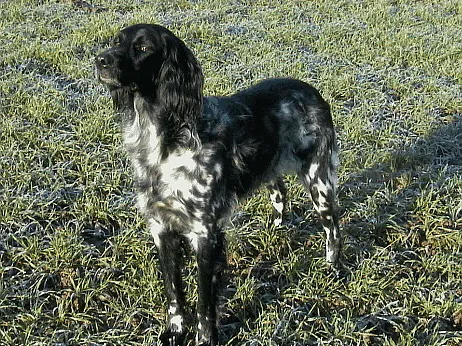
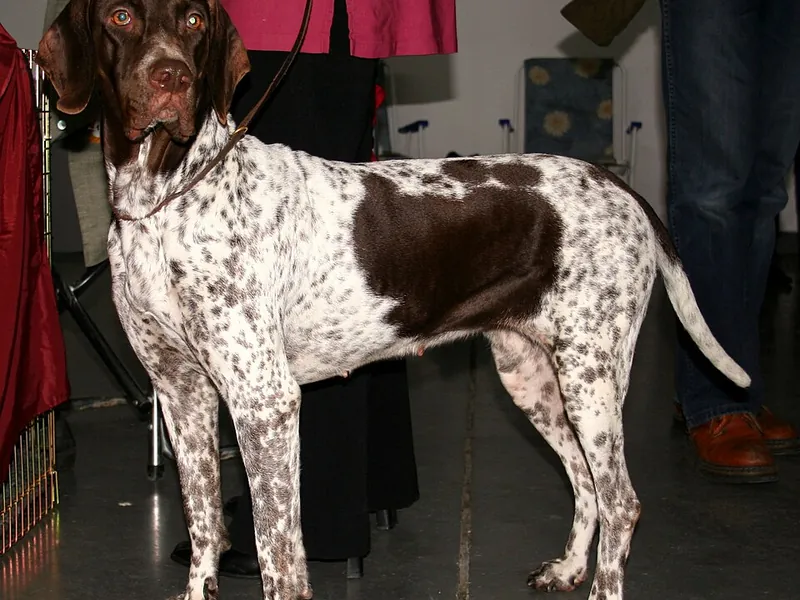
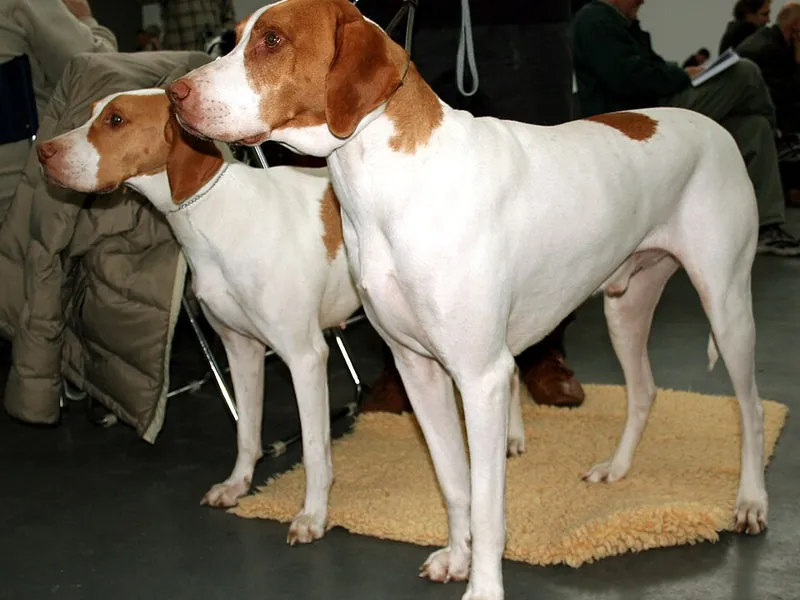
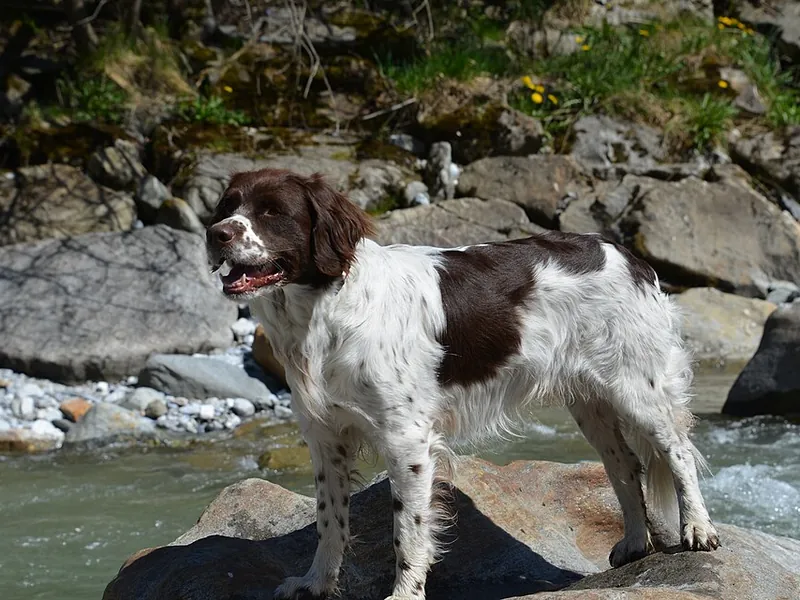
The breed is typically white with brown or orange patches and ticking, and its tail, carried low, often has a slight curl at the tip.
Size, Coat and Colors
The Drentsche Patrijshond is a well-balanced, medium-large gundog with a slightly longer-than-tall body, a broad skull, a strong muzzle and amber to brown eyes with a friendly expression. The ears are wide and well feathered, and the tail is carried low with a slight upward curl at the tip.
Adults stand about 22 to 25 inches and weigh roughly 55 to 73 lb. Males are larger and more muscular, while females are slightly smaller and finer, with standards allowing a few inches of difference between the sexes.
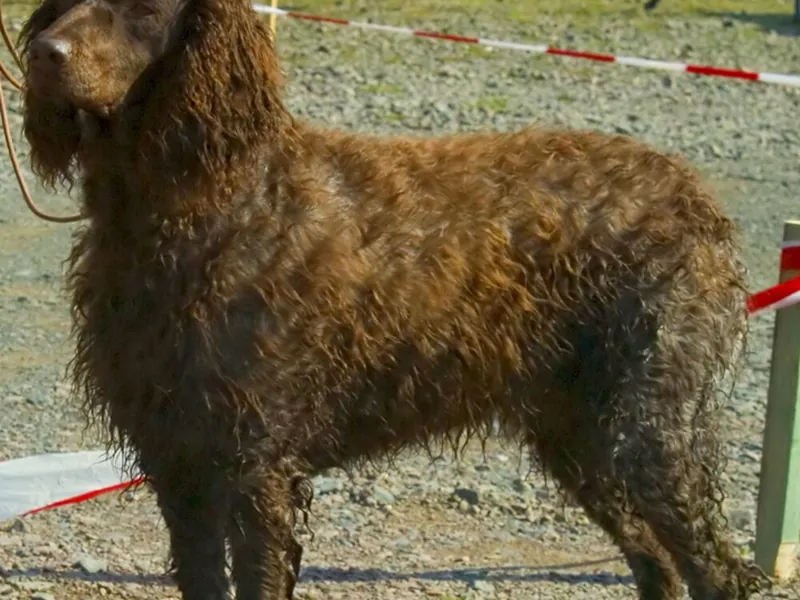
The coat is dense and medium-length on the body, with longer feathering on the ears, chest, back of the legs and tail. It should not be curly.
Colors include:
- white with brown patches
- white with orange patches
- tricolor, with tan markings over brown and white
Ticking within the white is common. The white base helped hunters spot the dog in fields and woodland.
Temperament and Personality
Drents are known for being gentle, friendly and cooperative. They stay close to their people, are usually excellent with children and get along well with other pets.
They are sensitive and do not respond well to harsh training. They are quiet dogs, rarely barking, and are not watchdogs.
Drents are often described as having a gentle, almost soft temperament. They tend to stay close to their people and are less likely to range widely than some gundogs, which makes them pleasant hiking companions.
They can be slightly reserved with strangers at first, but they are not suspicious or protective.
Can a Drentsche Patrijshond Live in an Apartment?
It is not ideal. A Drent is a medium-large gundog that needs at least an hour of exercise a day plus meaningful mental work, so a house with a yard and access to fields or woods suits the breed much better.
That said, Drents are quiet, gentle dogs that rarely bark, which avoids one common apartment problem. An active owner who spends long hours outdoors with the dog, does tracking or retrieving and provides calm time indoors can make an apartment work. Without that commitment, a young Drent is likely to become restless and destructive in a small space.
Are Drentsche Patrijshonds Good With Cats?
Many Drents live peacefully with cats, especially when raised with them. They are gentle, cooperative dogs, and their hunting style focuses on finding, pointing and retrieving birds rather than chasing furry animals.
Hunting instinct is still present. A cat that runs may trigger interest, and pet birds or small rodents need careful management. Introduce animals slowly, keep early meetings calm and supervised, and give cats high escape routes. Training a reliable leave it cue helps. Outdoor and unfamiliar cats are more likely to be chased than a resident cat the dog knows well.
Can a Drentsche Patrijshond Be Left Alone?
Only for moderate periods. Drents are devoted, people-oriented dogs that prefer to stay close to their family, and long days alone can lead to boredom and unwanted behavior.
Most adults cope with a few hours alone when they have been exercised beforehand and given a chew or food puzzle. Teach alone time gradually from puppyhood. For full workdays, a midday walk, a dog sitter or daycare helps. A second dog can provide company, but it does not replace the exercise and mental work this gundog needs.
Exercise and Training
Drents need regular, meaningful activity: at least an hour of exercise daily, plus mental work such as hunting, tracking, retrieving or dog sports.
They are easy to train with positive, gentle methods and enjoy working with their handlers.
Because they enjoy working with people, Drents do well in obedience, rally, tracking and hunt tests. They are also good swimmers and often enjoy retrieving from water.
Young Drents can be exuberant, so channel their energy into structured activities and teach calm behavior indoors.
Grooming and Shedding
The medium-length coat with feathering on the ears, legs and tail needs weekly brushing to prevent tangles.
Shedding is moderate. Check ears regularly, especially after swimming.
The coat is dense and medium-length on the body, with longer feathering on the ears, back of the legs and tail. It is easy to maintain with weekly brushing.
Feeding and Nutrition
The Drent is an athletic gundog whose food needs depend on activity. A dog that hunts or trains several times a week needs considerably more than a family pet on walks.
- Feed a puppy food suited to medium-to-large breeds and keep the puppy lean, which supports hip development in a breed where hip screening is standard.
- Give puppies three or four meals a day, and adults two meals.
- Avoid hard exercise straight after meals, a sensible precaution for any deep-chested sporting dog.
- Adjust portions in hunting season and reduce them when activity drops.
Check body condition every few weeks with your hands, as the feathered coat can hide changes. Drents are cooperative and food motivated, so training rewards add up; count them as part of the day's food. Carry water on long outings, especially in warm weather, and offer a small snack for dogs working long hours in the field.
| Adult weight | Less active | Typical adult | Very active |
|---|---|---|---|
| 55 lb | 1,090 kcal | 1,250 kcal | 1,560 kcal |
| 73 lb | 1,350 kcal | 1,550 kcal | 1,930 kcal |
Estimates use the resting energy formula veterinarians work with (70 × body weight in kg0.75) and standard activity factors. Use the feeding guide on your food as a starting point and adjust to body condition. Puppies, seniors, pregnant animals and pets that need to lose weight have different needs, so ask your vet.
Health and Lifespan
The breed is considered generally healthy. Hip screening is common practice among breeders. Ask for health results on both parents.
Typical lifespan is about 11 to 14 years.
Some breed clubs also monitor for epilepsy and eye conditions. Keep the dog lean and active to support joint health.
Drentsche Patrijshond Price and Cost of Ownership
The Drentsche Patrijshond is very rare in the US, and there is no well-established typical price. Many puppies come from a handful of US breeders or are imported from the Netherlands, which adds shipping, travel and paperwork costs. Prices vary by breeder, region and lines, and waiting lists are common. Rescue Drents are very rarely available.
Breed-specific cost drivers include:
- Hip screening and health testing of breeding dogs
- Training classes, hunt tests or dog sports for a working breed
- Hunting equipment such as vests, whistles and dummies
- Food for an active, medium-large dog
Grooming costs are low, as the coat needs only weekly brushing and occasional tidying of the feathering.
Is the Drentsche Patrijshond Right for You?
This breed is ideal for active families, especially those who hunt or enjoy dog sports. It is gentle with children and other pets.
It is not suited to sedentary owners or those who are away all day.
The Drent's gentle temperament makes it a good choice for families with children. It is also a good fit for first-time gundog owners who are active and willing to learn.
Drentsche Patrijshond Traits at a Glance
Drentsche Patrijshond FAQ
How big do Drentsche Patrijshonds get?
They stand about 22 to 25 inches tall and weigh roughly 55 to 73 lb.
Are Drentsche Patrijshonds good family dogs?
Yes. They are gentle, cooperative and usually excellent with children.
Do Drentsche Patrijshonds bark a lot?
No. They are generally quiet dogs.
Do Drentsche Patrijshonds shed?
Yes, moderately. Weekly brushing keeps the coat tidy.
How long do Drentsche Patrijshonds live?
Typically about 11 to 14 years.
How much exercise does a Drentsche Patrijshond need?
At least an hour of activity daily, plus mental work such as tracking, retrieving or training.