Braque Saint-GermainA French pointer with royal roots
The Braque Saint-Germain is an elegant orange-and-white pointing dog developed in France in the 1830s from an English Pointer and a French Braque. Affectionate and passionate about hunting, it suits active families who can provide plenty of exercise.
Why people love the Braque Saint-Germain
- Affectionate and cuddly with its family indoors
- Usually excellent with children and other dogs
- Short, fine coat is quick to groom
- Keen, elegant pointing dog for hunters
- Friendly with visitors, rarely sharp
Things to consider
- Needs at least an hour of running daily
- Strong hunting instinct, recall needs early work
- Sensitive, shuts down with harsh handling
- Thin coat gives little protection from cold
- Very rare outside France, puppies hard to find
Is this breed right for you?
10 questions · live resultHistory and Origin
The breed's origin is unusually well documented. Around 1830, King Charles X of France received a pair of English Pointers, one of which, a female named Miss, was bred with a French Braque. The puppies were raised at the royal kennels in Compiègne and later at Saint-Germain-en-Laye, near Paris, which gave the breed its name.
The Braque Saint-Germain became popular with Parisian hunters in the 19th century, but its numbers declined in the 20th. It remains rare. The FCI lists it in Group 7, and the AKC records it in its Foundation Stock Service.
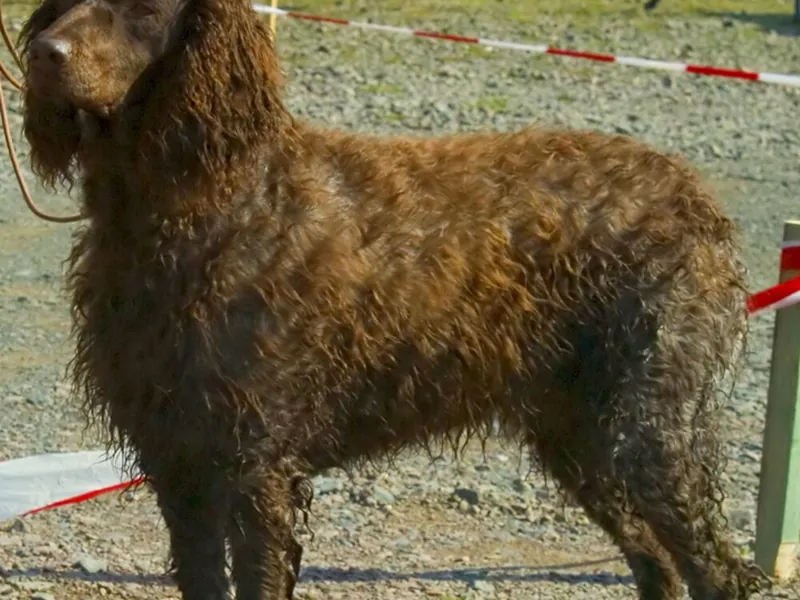
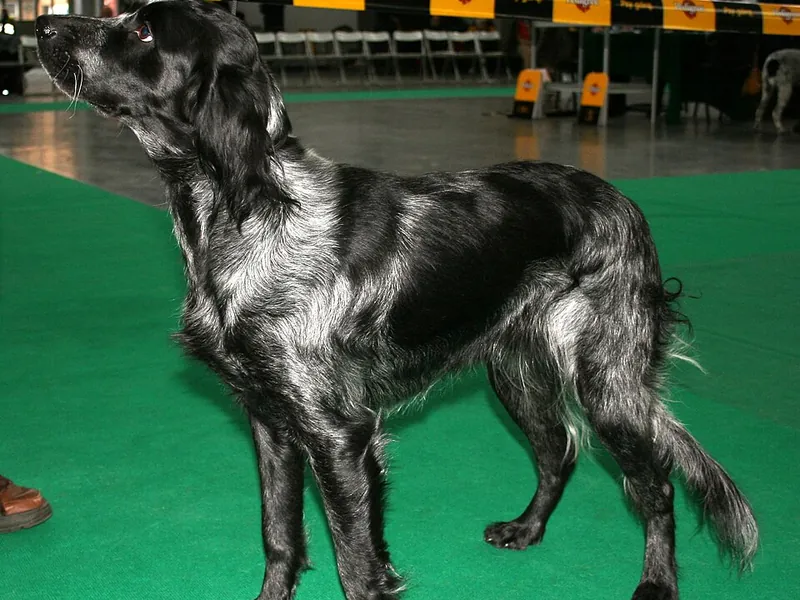
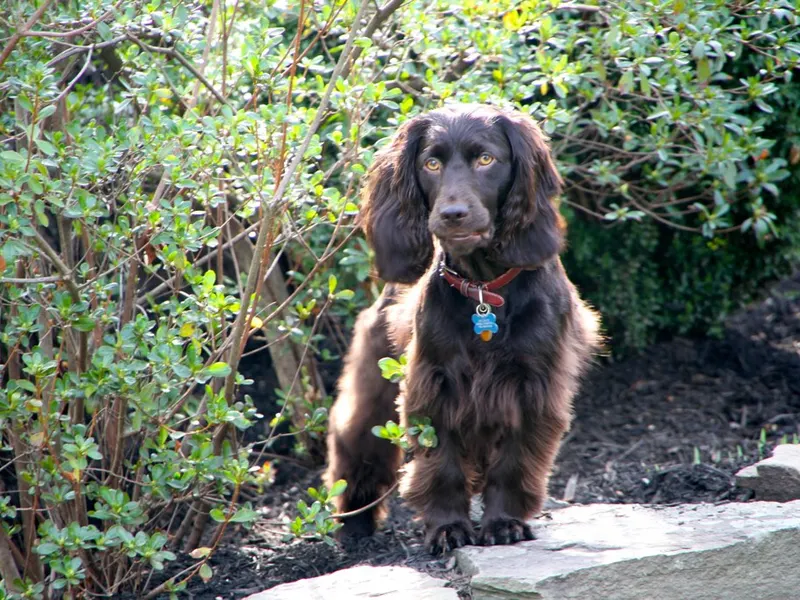
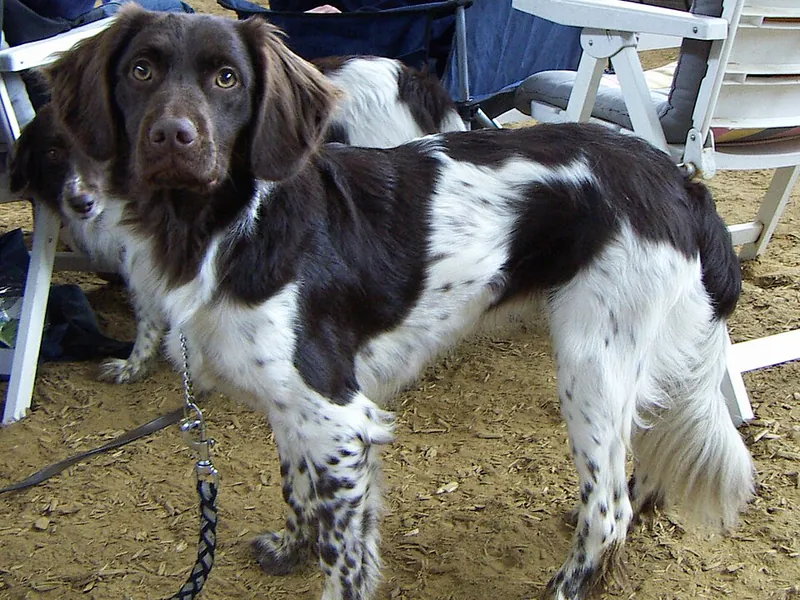
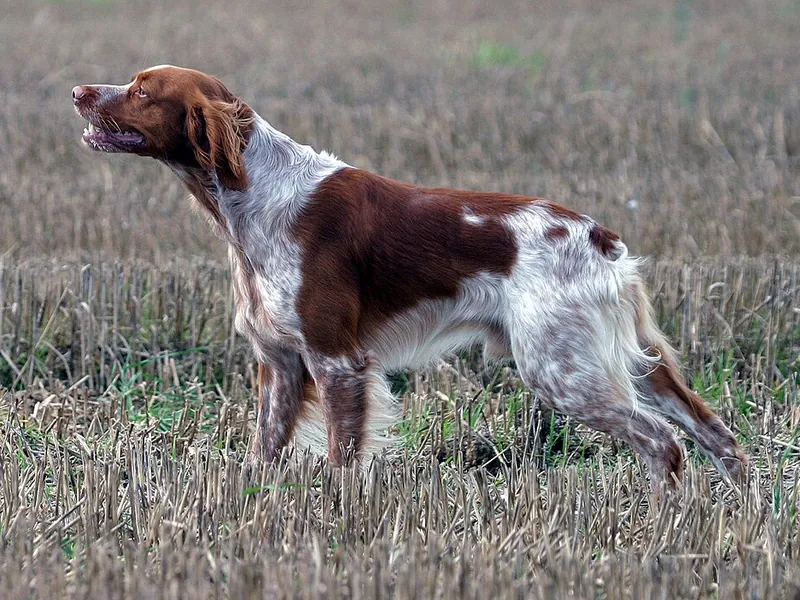
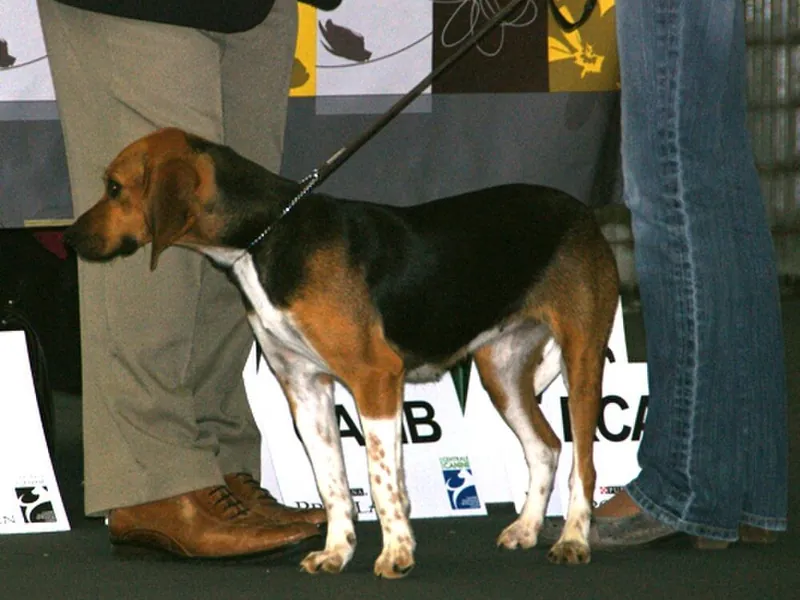
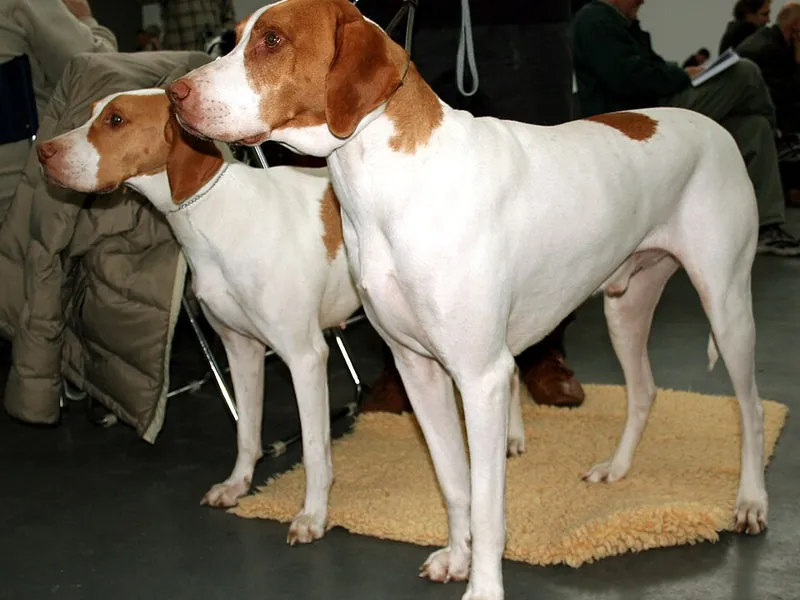
The breed's appearance reflects its mixed English and French ancestry: it has a pointer-like head, a lean, athletic body and a white coat with orange markings.
The Braque Saint-Germain was particularly favored by hunters around Paris, where its speed and elegance were admired.
Size, Coat and Colors
The Braque Saint-Germain is a medium-size, elegant pointing dog standing 21 to 24 inches and weighing 40 to 57 lb. It is lean and athletic, with a deep chest, a straight back and long, dry muscles that show its English Pointer ancestry. The head is long with a slight stop and a gentle, golden-yellow eye.
Males are somewhat taller and more substantial than females; the FCI standard gives roughly 22 to 24 inches for males and 21 to 23 inches for females.
The coat is short, fine and dense, but never hard. The color pattern is distinctive:
- Dull white base
- Orange or pale orange patches, especially on the head and ears
- Light orange ticking on the white is allowed
The nose is pink to dark pink, which harmonizes with the orange markings. A black nose or black markings are faults. Unlike many continental pointers, the tail is usually left natural and carried horizontally when the dog is working.
Temperament and Personality
Braques Saint-Germain are affectionate, gentle and attached to their families. They are usually excellent with children and get along with other dogs.
They are sensitive and respond poorly to harsh handling. In the field they are passionate, keen hunters.
Braques Saint-Germain are often described as affectionate and somewhat soft-natured. They enjoy close contact with their families and can be quite cuddly indoors.
They are generally friendly with strangers and are not guard dogs.
Is the Braque Saint-Germain Good for First-Time Owners?
A Braque Saint-Germain can suit a first-time owner who leads an active, outdoor life. It is gentle, affectionate and keen to cooperate, so training is generally pleasant when methods are positive.
The main demands are exercise and hunting instinct:
- At least an hour of running and scent work every day
- Recall training from puppyhood, with a long line near wildlife
- Calm, patient handling for a sensitive dog
- Patience to find a puppy, often from France
A sedentary beginner will struggle, but an active novice who enjoys hiking or field sports often finds this breed easygoing at home.
Are Braques Saint-Germain Good With Cats?
Braques Saint-Germain can live with cats, especially if they grow up together. As pointing dogs, they are bred to locate and point birds rather than chase and catch mammals, which tends to make household cats easier to accept.
Young dogs can still chase a running cat in play, so:
- Introduce on leash and reward calm behavior
- Give the cat high perches and dog-free rooms
- Supervise until both animals are relaxed
Outdoor cats and wildlife are more likely to trigger the hunting instinct, and pet birds or backyard poultry need careful protection from this bird-focused breed.
Can Braques Saint-Germain Live in Apartments?
The Braque Saint-Germain is not an ideal apartment dog. It is calm and affectionate indoors once exercised, but it needs a lot of daily running to reach that point.
Apartment life can work only if you provide:
- At least an hour of vigorous exercise, ideally off leash in safe areas
- Regular scent work, field training or hunting
- Company for most of the day
- Soft bedding and a warm coat in winter for its thin coat
A house with a fenced yard, in reach of fields or woods, matches the breed's needs much better.
Exercise and Training
This is an energetic breed that needs at least an hour of exercise daily, including running and scent work.
They are trainable but sensitive, so gentle, positive methods work best.
They enjoy hunting, tracking, field trials and long walks or runs. Off-leash running in safe areas helps burn off energy.
Because of their hunting instinct, teach a reliable recall early and use a long line in areas with wildlife.
Grooming and Shedding
The short coat needs weekly brushing. Shedding is moderate.
Check ears regularly and inspect paws after field work.
The short, fine coat is white with orange or pale orange markings and ticking. It provides little protection from cold, so a coat may help in winter.
Feeding and Nutrition
The Braque Saint-Germain should look lean and athletic, with the outline of the last ribs faintly visible and a clear tuck-up. Hunting dogs often need more food during the season than in quieter months, so adjust portions to activity and body condition rather than feeding a fixed amount year-round.
Puppies grow into a medium-size, fine-boned frame. A diet formulated for medium to large breed puppies, in measured meals, supports steady growth. Avoid long runs and repetitive jumping until growth plates close, especially since hip dysplasia is the main screening concern.
As a deep-chested pointer, the breed has some risk of bloat:
- Feed two meals a day rather than one
- Rest for an hour before and after hard exercise
- Offer water in small amounts right after work
The thin coat and low body fat mean the dog burns more energy in cold weather. Carry water and a small snack on long field days, and count training treats in the daily ration.
| Adult weight | Less active | Typical adult | Very active |
|---|---|---|---|
| 40 lb | 860 kcal | 980 kcal | 1,230 kcal |
| 57 lb | 1,120 kcal | 1,280 kcal | 1,610 kcal |
Estimates use the resting energy formula veterinarians work with (70 × body weight in kg0.75) and standard activity factors. Use the feeding guide on your food as a starting point and adjust to body condition. Puppies, seniors, pregnant animals and pets that need to lose weight have different needs, so ask your vet.
Health and Lifespan
No breed-specific health issues are documented in the sources we checked. Screening for hip dysplasia is advisable. Ask breeders for health results on both parents.
Typical lifespan is about 12 to 15 years.
The breed's small population means genetic diversity is a consideration. Choose breeders who are transparent about health and pedigrees.
Braque Saint-Germain Price and Cost of Ownership
The Braque Saint-Germain is very rare in the US, with no reliable published price range. Most breeders are in France, so buyers often import a puppy. Prices vary by breeder, region and lines, and importing adds transport, health certificates and sometimes travel costs.
Adoption in the US is unlikely given how few dogs live here, though pointing breed rescues occasionally see similar dogs.
Ongoing cost drivers:
- Hip screening and health checks, important in a small gene pool
- Field training, hunt tests and equipment if you hunt
- Winter coats for a thin-coated dog
- Insurance for field injuries and joint problems
Grooming costs are minimal thanks to the short coat.
Is the Braque Saint-Germain Right for You?
This breed suits active families, especially hunters, who want an affectionate, gentle companion.
It is not suited to sedentary owners or those away all day.
The Braque Saint-Germain is a good choice for hunters seeking a gentle, affectionate gundog and for active families who can provide regular exercise. Because it is rare outside France, finding a puppy may require patience or importing.
Braque Saint-Germain Traits at a Glance
Braque Saint-Germain FAQ
How big do Braques Saint-Germain get?
They stand about 21 to 24 inches tall and weigh roughly 40 to 57 lb.
Are Braques Saint-Germain good family dogs?
Yes. They are affectionate and usually excellent with children.
Do Braques Saint-Germain shed?
Yes, moderately. Weekly brushing keeps the coat tidy.
Are Braques Saint-Germain easy to train?
They are trainable but sensitive, so gentle methods work best.
How long do Braques Saint-Germain live?
Typically about 12 to 15 years.
How much exercise does a Braque Saint-Germain need?
At least an hour of exercise daily, including running and scent work.