Oriental LonghairSiamese style, silky coat, endless colors
The Oriental Longhair is a slender, elegant cat with Siamese body type, large ears, almond-shaped eyes and a fine, silky semi-long coat that comes in a vast range of colors. It is talkative, energetic and devoted, best for people who want a highly interactive companion.
Why people love the Oriental Longhair
- Highly social and devoted to its people
- Silky coat with no woolly undercoat, mats little
- Huge range of colors and patterns
- Intelligent, learns tricks and harness walking
- Long lifespan of 12 to 18 years
Things to consider
- Very vocal, comments on everything
- Needs constant company and interaction
- Can become noisy or destructive when lonely
- Prone to dental disease and amyloidosis
- Sensitive to being ignored
Is this breed right for you?
10 questions · live resultHistory and Origin
The Oriental Longhair comes from the same family as the Siamese, Balinese and Oriental Shorthair. In Britain in the 1960s and 1970s, breeders worked to create a longhaired cat of Oriental type, and for some years these cats were called Angoras in the UK, a name later changed to avoid confusion with the Turkish Angora.
In the United States, breeders crossed Oriental Shorthairs with Balinese in the 1980s to produce longhaired cats with full Oriental coloring. CFA accepted the Oriental Longhair as part of the Oriental breed, alongside the shorthair. The breed is recognized by TICA, CFA, FIFe and the GCCF, though names and groupings differ between registries.
Size, Coat and Colors
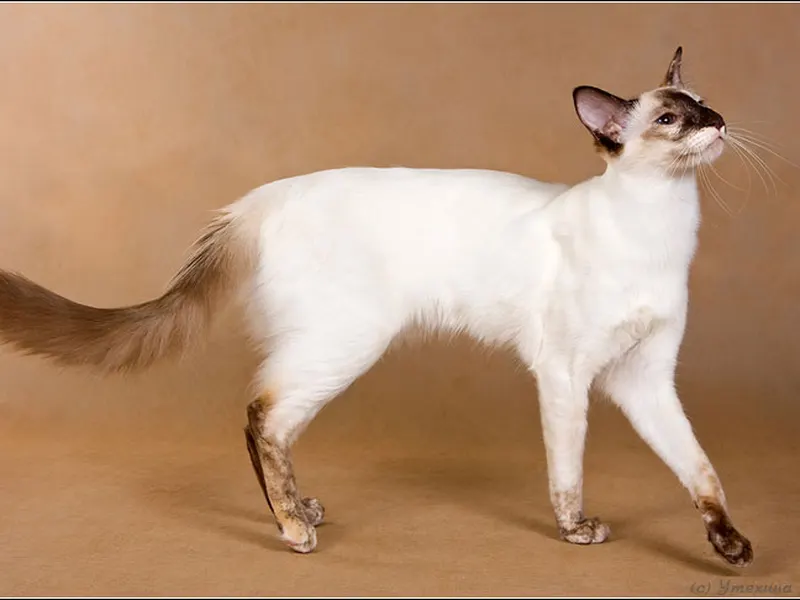
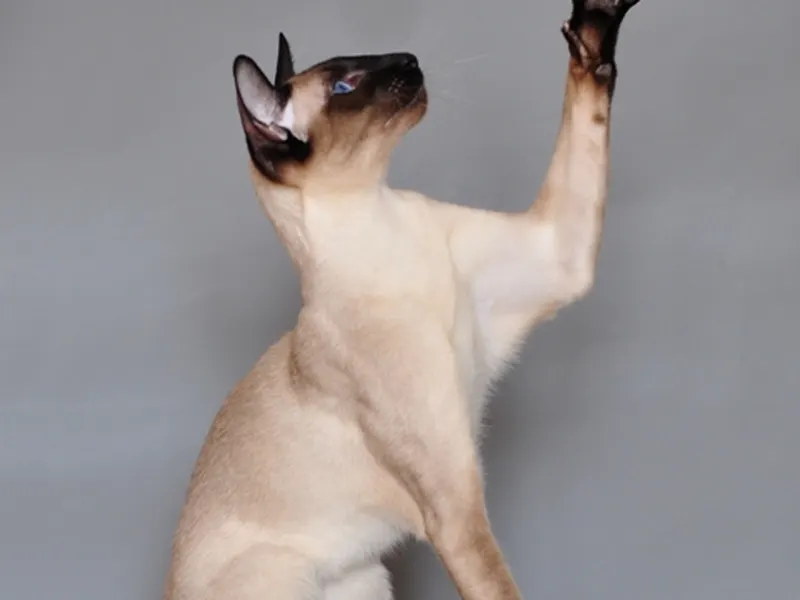
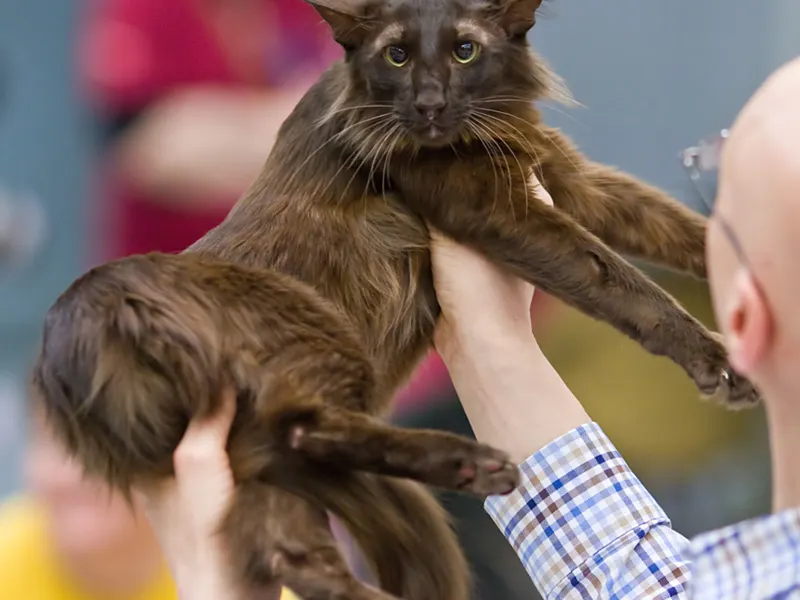
The Oriental Longhair is a slender, elegant cat weighing 5 to 11 lb. It has the same body type as the Siamese and Oriental Shorthair: long, tubular and fine-boned, with long legs, small oval paws and a long, tapering tail. Males are larger than females.
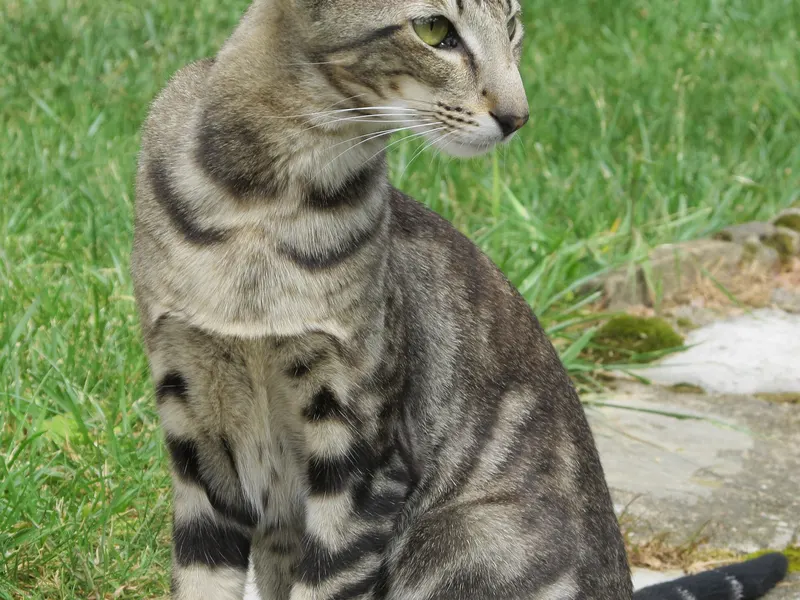
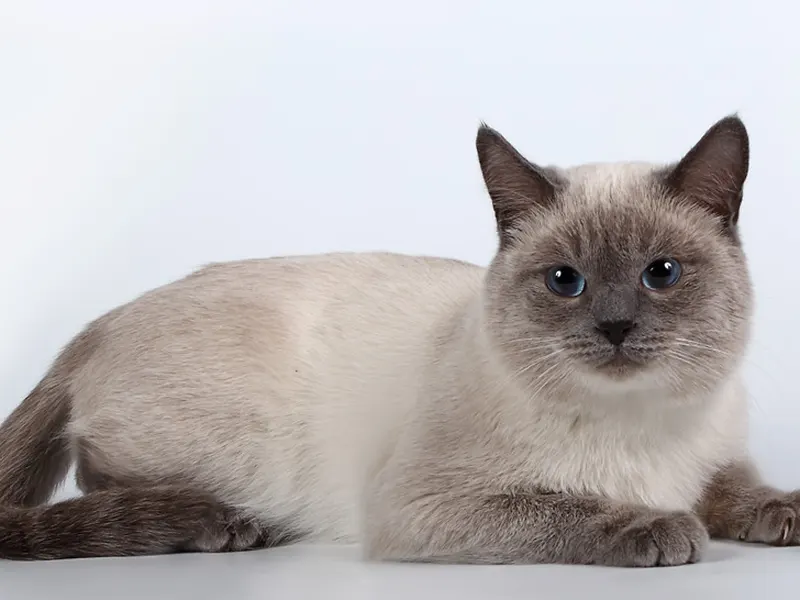
The head is a long wedge with very large, pointed ears and almond-shaped eyes, usually green. White cats may have blue, green or odd eyes.
The coat is semi-long, fine and silky, lying close to the body. There is no woolly undercoat, so the coat looks shorter than it is. The tail is plumed.
Colors and patterns include:
- Solids, such as ebony, blue, chestnut, lavender, cinnamon, red and white
- Tabbies in classic, mackerel, spotted and ticked patterns
- Smokes and shadeds
- Bicolors and parti-colors
CFA counts hundreds of color and pattern combinations. Pointed patterns are excluded and belong to the Balinese.
Personality and Temperament
Oriental Longhairs share the Siamese personality: intensely social, curious and vocal. They comment on everything, follow their people and want a role in daily activities.
They bond strongly and can be sensitive to being ignored. Many enjoy being carried, and they often get along with other cats and friendly dogs. A lonely Oriental may become noisy or destructive, so companionship is important.
Typical behaviors include greeting you at the door with a stream of commentary, sleeping under the covers and carrying small toys from room to room. Many learn their names and respond to simple cues quickly.
Can Oriental Longhairs Be Left Alone?
Oriental Longhairs do not cope well with long periods alone. They are intensely social and bond strongly to their people, and a lonely Oriental may become noisy, anxious or destructive.
To help:
- Provide climbing structures, window perches and rotating toys
- Use puzzle feeders
- Play actively before leaving and after returning
- Consider a second Oriental, Siamese or sociable cat
Breeders often recommend pairs for owners who work outside the home. For trips, a cat sitter who will spend time with them is better than one who only refills the bowl.
Are Oriental Longhairs Good for First-Time Owners?
Oriental Longhairs can suit first-time owners who are home often and want a highly interactive cat. They are affectionate and intelligent, and their coat is easy to care for.
Beginners should be ready for:
- A very vocal cat that expects conversation
- Daily play and attention
- Regular tooth brushing
- A cat that may follow you everywhere
If you want a quiet or independent cat, another breed may suit you better. For people who enjoy a chatty, devoted companion, the Oriental Longhair is a rewarding choice.
Are Oriental Longhairs Good With Kids?
Yes, Oriental Longhairs often do well with children who are respectful and enjoy playing. They are playful, curious and love interactive games such as fetch and wand toys.
Tips for families:
- Teach children to handle the cat gently
- Give the cat high perches to retreat to
- Include kids in play sessions
Their sensitivity means loud, chaotic households can stress them. Calm, engaged families with older children are usually a good match. Many Orientals bond strongly with a child who plays with them regularly.
Activity, Play and Enrichment
This is a high-energy, intelligent breed.
- Daily interactive play with wand toys and fetch games.
- Climbing structures and window perches.
- Puzzle feeders, clicker training and harness walks.
Rotate toys often, and consider a second cat if you work long hours.
Grooming and Shedding
The coat is fine and silky, lying close to the body, with a plumed tail and no woolly undercoat. That means it mats far less than many longhaired breeds.
- Brush or comb once or twice a week.
- Brush teeth regularly, as dental disease is common in the Siamese family.
Shedding is fairly light for a longhair. Colors and patterns include solids, tabbies, smokes, shadeds and bicolors, and eyes are usually green.
Feeding and Nutrition
Oriental Longhairs are naturally slender and active. Aim for a lean, muscular body: ribs easy to feel, a defined waist and no belly pouch beyond the normal primordial pouch. Their fine build can make extra weight noticeable early.
Kittens grow quickly; feed a kitten diet in several small meals for the first year.
Practical steps:
- Feed two to four measured meals daily
- Use puzzle feeders to engage their minds
- Count treats used in clicker training
Dental disease is common in the Siamese family. Some owners use dental-friendly foods or treats recommended by their vet, alongside regular tooth brushing.
Amyloidosis, which mainly affects the liver in this family, is not caused by diet, but regular vet checks help catch problems early. Fresh water should always be available; a fountain encourages drinking.
| Adult weight | Indoor, less active | Typical adult | Active or intact |
|---|---|---|---|
| 5 lb | 130 kcal | 160 kcal | 180 kcal |
| 8 lb | 180 kcal | 220 kcal | 260 kcal |
| 11 lb | 230 kcal | 280 kcal | 330 kcal |
Estimates use the resting energy formula veterinarians work with (70 × body weight in kg0.75) and standard activity factors. Use the feeding guide on your food as a starting point and adjust to body condition. Kittens, seniors, pregnant animals and pets that need to lose weight have different needs, so ask your vet.
Health and Lifespan
Oriental Longhairs usually weigh 5 to 11 lb and commonly live 12 to 18 years.
They share some inherited risks with the Siamese:
- Progressive retinal atrophy (rdAc PRA), with a DNA test available.
- Amyloidosis, mainly affecting the liver.
- Dental and gum disease.
Ask breeders for DNA test results and buy from someone who knows their lines well.
Oriental Longhair Price and Cost of Ownership
Typical breeder price in the US$800 to $2,000
An Oriental Longhair kitten from a reputable US breeder typically costs about $800 to $2,000. Prices vary by breeder, region and lines, and certain colors may cost more. Ask for PRA DNA test results and information on amyloidosis in the lines.
Siamese and Oriental rescues occasionally place Oriental Longhairs or similar cats.
Breed-specific ongoing costs:
- Regular dental cleanings, often needed in the Siamese family
- Climbing furniture and toys for an active cat
- A second cat for companionship, if needed
- Pet insurance covering dental and liver conditions
Grooming costs are low despite the long coat, since the lack of undercoat means professional grooming is rarely needed.
Is the Oriental Longhair Right for You?
A good match if you are home much of the day, enjoy a talkative and interactive cat, and want a longhair without heavy grooming.
Think twice if you want a quiet cat, live with noise-sensitive neighbors, or are away for long hours without a companion animal.
Allergies: the lack of undercoat means less shedding, but these cats still produce Fel d 1, so allergy sufferers should test their reaction first.
US pet kittens typically cost about $800 to $2,000, varying by breeder and region.
Pairing an Oriental with a second Oriental, Siamese or another sociable cat is a common recommendation from breeders, especially for working households.
Oriental Longhair Traits at a Glance
Oriental Longhair FAQ
What is the difference between an Oriental Longhair and a Balinese?
Both are longhaired Siamese-type cats. The Balinese has the Siamese pointed pattern and blue eyes, while the Oriental Longhair comes in solid and patterned colors, usually with green eyes.
Do Oriental Longhairs shed?
Lightly for a longhair, as they lack a dense undercoat. Brushing once or twice a week is usually enough.
Are Oriental Longhairs vocal?
Yes, very. Like Siamese, they are talkative and expect a reply.
Are Oriental Longhairs hypoallergenic?
No cat is. They shed relatively little but still produce the Fel d 1 allergen.
How long do Oriental Longhairs live?
Commonly 12 to 18 years.
How much does an Oriental Longhair cost?
About $800 to $2,000 for a pet kitten in the US, depending on breeder and region.