Cornish RexThe curly-coated greyhound of cats
The Cornish Rex has a coat made only of soft down hair, set in tight, even waves, on a tall, arched, racy body. It is an energetic, affectionate cat for people who want constant company and a lot of play.
Why people love the Cornish Rex
- Affectionate, outgoing and people-loving
- Athletic and playful throughout life
- Sheds very little thanks to its down-only coat
- Suits apartment living
- Intelligent and trainable with games and tricks
Things to consider
- Feels the cold and seeks warmth constantly
- Needs daily vigorous play and company
- Mischievous; opens cabinets and explores counters
- Not allergen-free
- Skin oils may need occasional baths
Is this breed right for you?
10 questions · live resultHistory and Origin
In 1950, on a farm near Bodmin Moor in Cornwall, England, a tortoiseshell cat owned by Nina Ennismore gave birth to a curly-coated orange and white male kitten named Kallibunker. Ennismore consulted a geneticist and bred Kallibunker back to his mother, which produced more curly kittens and confirmed a recessive gene.
The first Cornish Rex reached the United States in 1957. With a very small gene pool, breeders outcrossed to Siamese, Burmese, British Shorthair and other cats, and in the US the breed developed a particularly slender, arched shape. The Cornish Rex is recognized by TICA, CFA, FIFe and the GCCF. The German Rex, found in Berlin in 1951, carries the same gene.
Size, Build, Coat and Colors
The Cornish Rex is a small to medium, slender cat with a dramatic, athletic look. Adults weigh about 6 to 10 lb. Males are slightly larger and more muscular than females.
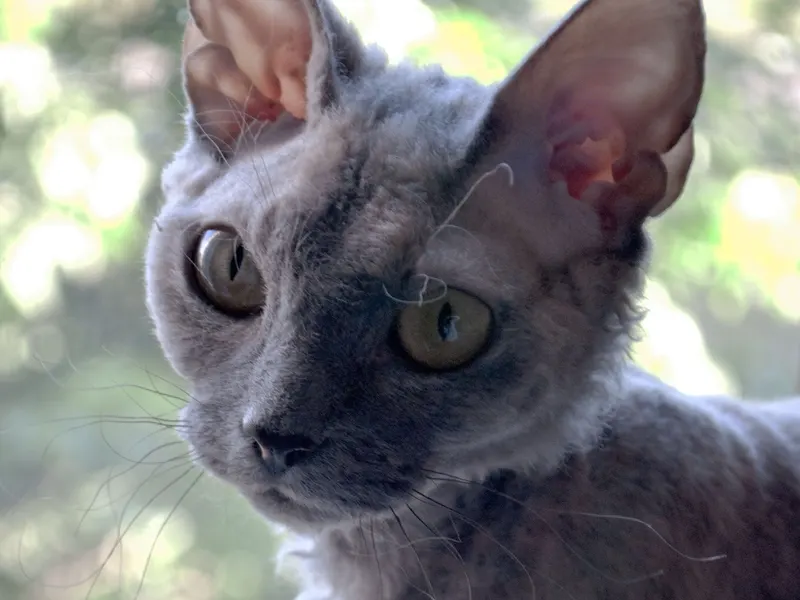
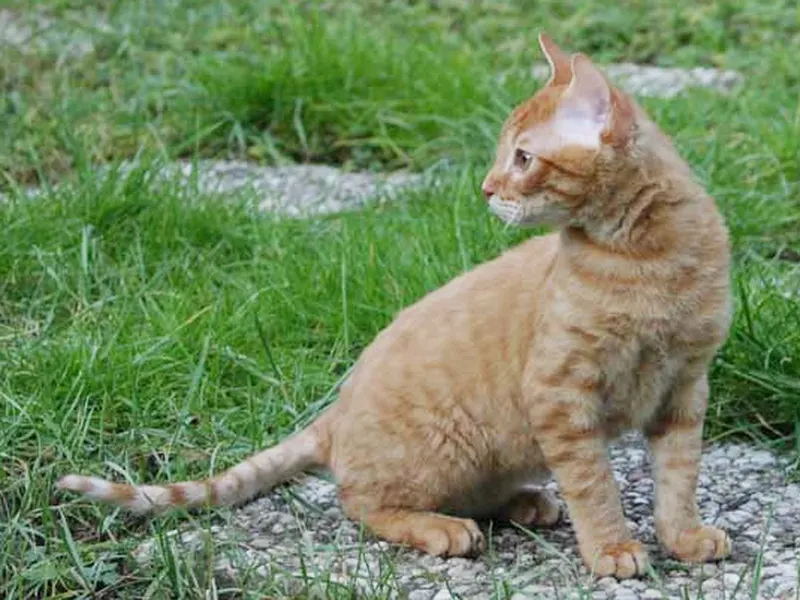
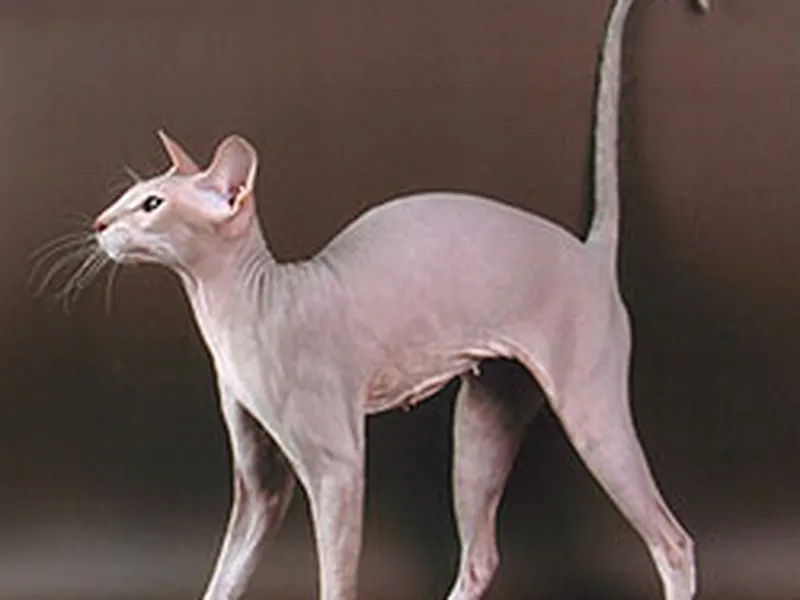
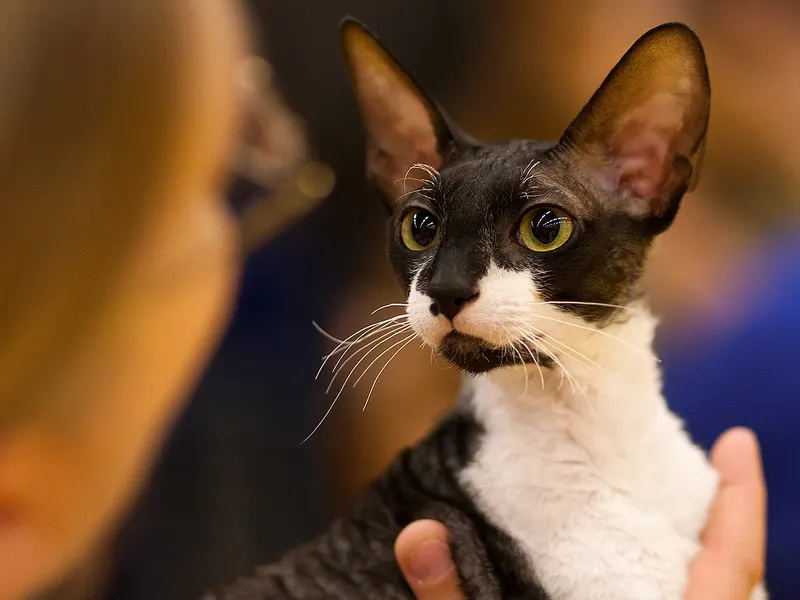
The body is long and lean with an arched back, a tucked-up waist and long, fine legs, giving the cat a Greyhound-like profile, especially in US lines. The head is egg-shaped with high cheekbones, a Roman nose, large, high-set ears and oval eyes.
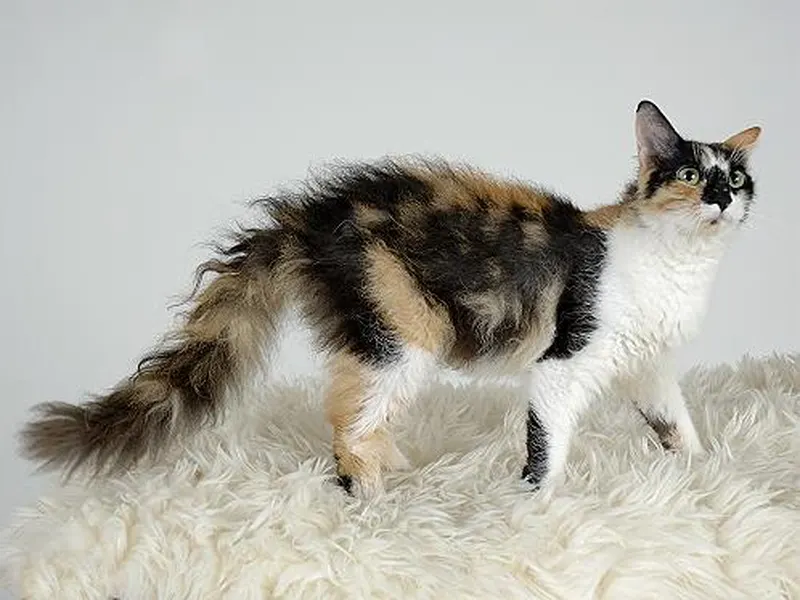
The coat is the breed's trademark. It consists only of soft down hairs, without guard hairs, and forms tight, uniform waves called marcel waves. It feels like velvet or suede. Whiskers and eyebrows are curly.
Cornish Rex come in almost every color and pattern:
- Solid, tabby, tortie and calico
- Smoke, shaded and bicolor
- Colorpoint, sometimes called Si-Rex
Eye color is usually consistent with coat color, and pointed cats have blue eyes.
Personality and Temperament
Cornish Rex are extroverts. They greet guests, investigate every activity and want to be involved in your day. Many retain kitten-like behavior throughout life.
They are affectionate and seek warmth, so expect a cat that sleeps in your bed and sits on your lap after a play session. They usually get along with considerate children and cat-friendly dogs. They can be mischievous: drawers, cabinets and counters are fair game to a bored Cornish.
Are Cornish Rex Cats Good for First-Time Owners?
Yes, for owners who want an active, social cat. Cornish Rex are affectionate, playful and easy to groom, which suits first-time owners.
New owners should be ready for a cat that wants daily interaction, needs warmth and can be mischievous. Cornish Rex do best when someone is around much of the day or when they have a companion cat. Keeping the home warm and providing heated beds helps. Owners who enjoy play and want a cat involved in everything usually find the breed rewarding.
Can Cornish Rex Cats Be Left Alone?
They can manage a typical workday once adult, but they are happiest with company. Cornish Rex are social and energetic, and long, regular hours alone often lead to boredom, attention-seeking and mischief when you come home.
Set the home up for your absence:
- Climbing furniture and window perches for activity
- Puzzle feeders and rotating toys
- Heated beds or warm resting spots, since they lose heat quickly
A second active cat, ideally another rex or a similarly playful breed, makes a big difference for owners who work outside the home. For trips longer than a day, a cat sitter who will also play is better than a quick feeding visit.
Are Cornish Rex Cats Destructive?
They are not usually heavy furniture scratchers, but they are curious and mischievous. Cornish Rex open cabinets, explore counters, unroll toilet paper and investigate drawers, especially when bored or under-stimulated.
The best prevention is an outlet for their energy. Provide sturdy scratching posts in several rooms, climbing routes on shelves and cat trees, and two vigorous play sessions a day. Puzzle toys and clicker training engage their quick minds, and many learn to fetch. Childproof latches on cabinets and keeping food off counters reduce temptation. Most Cornish Rex respond well to redirection and positive training rather than scolding.
Activity, Play and Enrichment
This is one of the most athletic breeds, with long legs, a tucked-up waist and a fast, springy gait.
- Plan daily, vigorous play: wand toys, chase and fetch, which many Cornish Rex love.
- Tall cat trees and wall shelves give them high-speed routes.
- Puzzle toys and trick training engage their quick minds.
A second active cat can help if you are out during the day. Provide warm resting spots, since the thin coat loses heat quickly.
Grooming and Shedding
The coat lacks guard hairs and consists only of fine down, so it feels like velvet and sheds very little. Brushing is unnecessary and can damage the hair; stroking with your hand or a soft cloth is enough.
- Skin oils are not absorbed by a full coat, so some cats need an occasional bath or wipe-down.
- Clean the large ears regularly.
- Keep indoors or provide shade outdoors; light-colored cats can sunburn.
Whiskers are curly and may be short or broken.
Feeding and Nutrition
Cornish Rex have a fast metabolism and often hearty appetites, partly because a coat made only of down offers little insulation. They can still gain weight if overfed, so measure food and monitor body condition. A healthy Cornish Rex looks slender, with a tucked-up waist, but should not show sharp hip bones or a bony spine.
Many do well with several small meals spread through the day, which suits their energy pattern and helps prevent begging.
- Feed kittens three to four meals a day and adults at least two.
- Puzzle feeders slow down fast eaters and provide mental stimulation.
- Keep rooms warm so cats stay comfortable without relying on extra food.
- Fresh water and some wet food support hydration and urinary health.
- Store food securely; cabinet-opening Cornish Rex are known for helping themselves.
Because HCM has been reported in the breed, keeping cats lean is wise. If appetite or weight changes suddenly, check with your vet.
| Adult weight | Indoor, less active | Typical adult | Active or intact |
|---|---|---|---|
| 6 lb | 150 kcal | 180 kcal | 210 kcal |
| 8 lb | 180 kcal | 220 kcal | 260 kcal |
| 10 lb | 220 kcal | 260 kcal | 300 kcal |
Estimates use the resting energy formula veterinarians work with (70 × body weight in kg0.75) and standard activity factors. Use the feeding guide on your food as a starting point and adjust to body condition. Kittens, seniors, pregnant animals and pets that need to lose weight have different needs, so ask your vet.
Health and Lifespan
Cornish Rex typically weigh 6 to 10 lb (about 3 to 4.5 kg) and live around 11 to 15 years.
- Hypertrophic cardiomyopathy (HCM) has been reported; good breeders screen breeding cats by echocardiogram.
- Patellar luxation occurs in some lines.
- Blood type B is relatively common, so blood typing matters before transfusions and in breeding.
- Temperature sensitivity and sunburn result from the sparse coat.
Because they burn energy fast, they can have hearty appetites; measure food to keep them lean.
Cornish Rex Price and Cost of Ownership
Typical breeder price in the US$800 to $2,500
A Cornish Rex kitten from a reputable US breeder typically costs about $800 to $2,500. Prices vary by breeder, region and lines, and show-quality kittens or rare colors can cost more. Ask for HCM echocardiogram results of the parents, patella checks and blood typing information.
Cornish Rex occasionally appear in breed rescues and shelters, often adults that need new homes because of owner circumstances.
Breed-specific ongoing costs include:
- Heated beds and warm clothing in cold climates
- Gentle bathing supplies for oily skin
- Ear cleaning supplies for the large ears
- Insurance covering heart and knee conditions
- Toys and climbing furniture for a very active cat
- A second cat or a sitter if you work long hours
Is the Cornish Rex Right for You?
A good match if you want an active, people-loving cat, enjoy daily play and live in a warm home. Cornish suit apartments well.
Think twice if you prefer a calm lap cat, are away for long hours, or keep your home cool.
Allergies: the low-shedding coat is often cited as helpful, but Cornish Rex still produce Fel d 1 in saliva and skin secretions. Some allergic people react less, others do not, so test with the breed first.
US pet kittens typically cost about $800 to $2,500, depending on breeder and region.
Cornish Rex Traits at a Glance
Cornish Rex FAQ
Are Cornish Rex cats hypoallergenic?
No. They shed little, but they still produce the Fel d 1 allergen, so reactions vary from person to person.
Do Cornish Rex cats need baths?
Some do. Without guard hairs, skin oils can build up, so an occasional bath or wipe-down keeps the coat clean.
How big do Cornish Rex cats get?
Adults usually weigh 6 to 10 lb. Their long legs and arched back make them look taller than most cats.
Are Cornish Rex cats cold all the time?
They feel warm to the touch but lose heat quickly, so they seek out warm spots and appreciate heated beds.
How long do Cornish Rex cats live?
Typically 11 to 15 years. Choose a breeder who screens for HCM.
How much does a Cornish Rex cost?
About $800 to $2,500 for a pet kitten in the US, varying by breeder and region.