LaPermCurly-coated, affectionate cat from Oregon
<p>The LaPerm is a small to medium cat with a soft, springy coat of curls and waves, in both shorthair and longhair forms. It is affectionate, curious and gentle, often reaching for faces with its paws. It suits owners who want an interactive lap cat with an unusual coat that is easy to maintain.</p>
Why people love the LaPerm
- Affectionate, gentle and people-oriented
- Unique curly coat that is easy to maintain
- Usually good with gentle children and other pets
- Healthy breed with diverse farm-cat origins
- Curious and enjoys learning tricks
Things to consider
- Does not like being alone for long periods
- Coat goes through thinning phases
- Strong hunting instinct around small pets
- Uncommon; few breeders
- Not suitable for allergy sufferers without testing
Is this breed right for you?
10 questions · live resultHistory and Origin
The LaPerm began in 1982 on a farm near The Dalles, Oregon, owned by Linda and Richard Koehl. A barn cat gave birth to a kitten that was born bald, with long ears and a tabby pattern visible on its skin. By a few months old it had grown a soft, curly coat, and the Koehls named her Curly.
Curly went on to produce more curly kittens, and over the next decade the curly cats on the farm multiplied. Linda Koehl started controlled breeding and chose the name LaPerm. The curly coat is caused by a dominant gene, so a LaPerm bred to a straight-coated cat can produce curly kittens. CFA accepted the breed for registration in 2000 and for championship in 2008, and it is also recognized by TICA, FIFe and the GCCF.
Size, Coat Types and Colors
The LaPerm is a small to medium cat weighing 5 to 10 lb. Males are larger and more muscular than females, with broader heads. The body is medium in length with fine to medium bone, giving the cat a graceful, athletic appearance.
The head is a modified wedge with slightly rounded contours, a medium-length nose and large, flared ears. The eyes are almond-shaped and expressive.
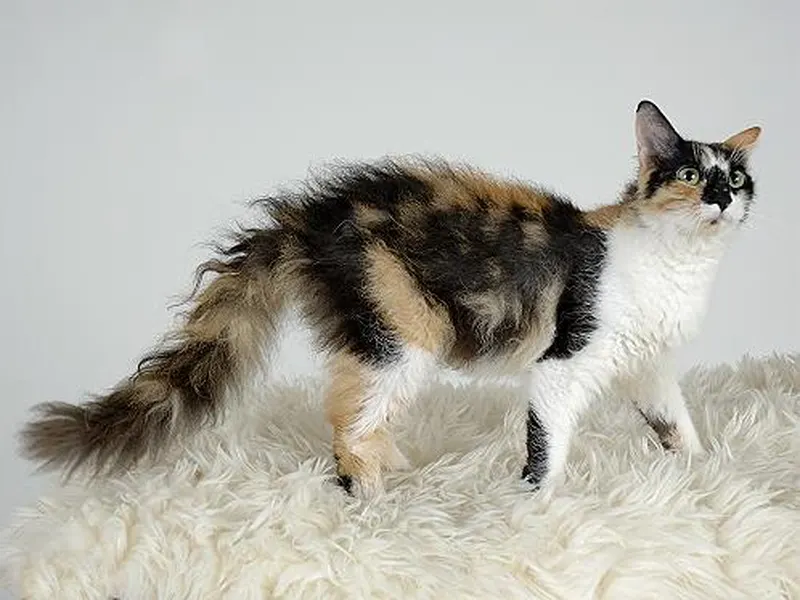
Two coat lengths exist:
- Longhair: curls or ringlets throughout, with a full ruff and a plumed tail
- Shorthair: wavier body coat with a bottlebrush tail
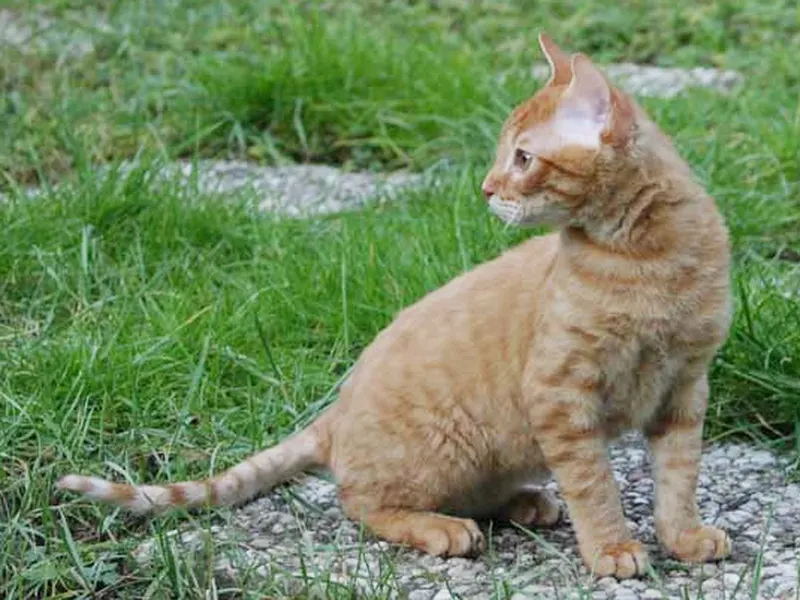
Curls are often tightest at the throat and base of the ears. All colors and patterns are accepted, including pointed, tabby, tortoiseshell, solid and bicolor varieties. Red and tabby patterns are common in the breed due to its farm-cat origins.
Personality and Temperament
LaPerms are people-oriented and gentle. Many enjoy being held, ride on shoulders and like to touch faces and rub against their owner's head. They tend to be curious rather than demanding, and most are moderately vocal at most.
Their farm-cat background shows in strong hunting instincts and a lively, inquisitive streak. They usually get on with children who handle them gently and with other pets. Because they are so social, they are happier when they are not alone for long periods.
Is the LaPerm a Lap Cat?
Yes, many LaPerms are true lap cats and enjoy being held, cuddled and close to their people.
LaPerms often ride on shoulders, touch faces with their paws and rub against their owner's head. They usually settle into a lap after a play session. Individual personalities vary, and some are more independent, but most enjoy physical contact. Their gentle, people-oriented nature makes them good companions for those who want an interactive cat. Regular attention and play help them feel secure and content. Many also greet visitors with the same curiosity.
Can LaPerms Live with Dogs?
Yes, LaPerms usually get along with cat-friendly dogs after gradual introductions.
Their sociable nature helps them adapt to other pets. Start with separate spaces and scent swapping, then short supervised meetings. Give the cat high perches and safe retreats. Calm dogs that respect the cat's space make the best companions. Dogs with strong prey drive or rough play styles are not suitable. Once settled, many LaPerms enjoy the company of a dog, which can also help when owners are away.
Is the LaPerm Good for First-Time Owners?
Yes, the LaPerm is a good choice for first-time cat owners who want an affectionate, interactive companion.
Its easy-care coat, gentle temperament and good health make it manageable for beginners. The main consideration is time: LaPerms are social and dislike being left alone for long periods. First-time owners should provide daily play, climbing spaces and attention. Grooming is simple, needing only gentle combing. Finding a kitten may take time, as the breed is uncommon, so contacting breeders early helps. Ask breeders about the temperament of the parents.
Activity, Play and Enrichment
LaPerms are active but not hyper. They enjoy climbing, exploring and chase games, then settle into a lap.
- Feather wands and small chase toys use their hunting drive.
- Many can be taught tricks with treats.
- Cat trees near windows give them a lookout.
Grooming and Shedding
The coat varies from tight ringlets to loose waves, and it is light and airy, often compared to mohair. Longhairs have a curly plumed tail and ruff; shorthairs have a wavier body coat. Both are easy to care for.
- Comb gently once a week with a wide-toothed comb, or simply run damp fingers through to define curls.
- Avoid heavy brushing, which flattens the curl and can break hairs.
- Kittens may be born bald or straight-coated and change coat several times before the adult coat settles.
Shedding is usually light, though some cats go through phases of thinning.
Feeding and Nutrition
LaPerms are small to medium cats, and a few extra treats a day can lead to weight gain. Measure meals and check body condition by feel, since the curly coat can hide the waist.
Kittens need a growth formula until about one year. After neutering, energy needs often drop, so adjust portions accordingly.
- Feed kittens three or four meals a day and adults two or three.
- Use treats in trick training, deducting them from the daily ration.
- Use puzzle feeders to add mental stimulation.
- Encourage water intake with fountains or wet food.
No breed-specific food sensitivities are documented. LaPerms descend from farm cats and are generally robust eaters. If your cat shows persistent digestive issues, skin problems or weight changes, a vet check can help identify any underlying cause.
Dental care is important for all cats. Regular tooth brushing and dental checkups help prevent tartar and gum disease.
Seniors may need adjusted portions as activity decreases.
| Adult weight | Indoor, less active | Typical adult | Active or intact |
|---|---|---|---|
| 5 lb | 130 kcal | 160 kcal | 180 kcal |
| 8 lb | 180 kcal | 220 kcal | 260 kcal |
| 10 lb | 220 kcal | 260 kcal | 300 kcal |
Estimates use the resting energy formula veterinarians work with (70 × body weight in kg0.75) and standard activity factors. Use the feeding guide on your food as a starting point and adjust to body condition. Kittens, seniors, pregnant animals and pets that need to lose weight have different needs, so ask your vet.
Health and Lifespan
LaPerms descend from a broad base of farm cats and are generally considered healthy, with lifespans commonly given as 10 to 15 years or more. No breed-specific inherited diseases are well documented. Routine care covers dental health, weight and annual checkups.
LaPerms are sometimes recommended for people with allergies. No cat is hypoallergenic: allergies are mainly triggered by the protein Fel d 1, made in saliva and skin glands, not by hair itself. Some people with mild allergies report fewer symptoms around LaPerms, possibly because of lower shedding, but spend time with the breed before committing.
LaPerm Price and Cost of Ownership
Typical breeder price in the US$800 to $2,000
A LaPerm kitten from a reputable US breeder typically costs about $800 to $2,000. Prices vary by breeder, region and lines. The breed is uncommon, so expect waitlists and possibly travel or shipping costs. LaPerms are rarely found in shelters.
Breed-specific cost drivers include:
- Travel or shipping costs due to limited breeders
- Pet insurance for a long-lived cat
- Dental cleanings under anesthesia over the years
- Cat trees, scratching posts and toys for enrichment
- Pet sitters or companion animals for owners away often
Grooming costs are minimal, as the coat needs only gentle combing. Because the coat changes during kittenhood, breeders may wait before confirming pet or show quality.
Is the LaPerm Right for You?
The LaPerm suits households that want an affectionate, hands-on companion, including families with gentle children and indoor apartments. It is less suited to owners who are away for long hours with no other pets at home.
The breed is uncommon. US pet kittens typically cost about $800 to $2,000, varying by breeder and region.
LaPerm Traits at a Glance
LaPerm FAQ
Are LaPerm cats hypoallergenic?
No cat is truly hypoallergenic. Some people with mild allergies tolerate LaPerms better, but they still produce the Fel d 1 allergen.
How big do LaPerm cats get?
Most weigh 5 to 10 lb (about 2 to 4.5 kg). They are small to medium, with males slightly larger.
Do LaPerm cats shed?
They usually shed lightly, though some go through temporary coat thinning, especially around hormonal changes.
Are LaPerms born curly?
Not always. Many are born bald or with straight hair and develop curls over the first months.
Are LaPerm cats good with kids?
Generally yes. They are affectionate and gentle and usually enjoy considerate children.
How long do LaPerm cats live?
Commonly 10 to 15 years or more with good care.