Best Cat Breeds for ApartmentsAdaptable cats that thrive indoors
The breeds here adapt well to indoor life in smaller spaces: they tend to be moderate in energy, not overly loud and content with play rather than roaming. This page helps renters and city dwellers choose a cat that will be happy in an apartment.
Top 10 Cat Breeds for Apartments
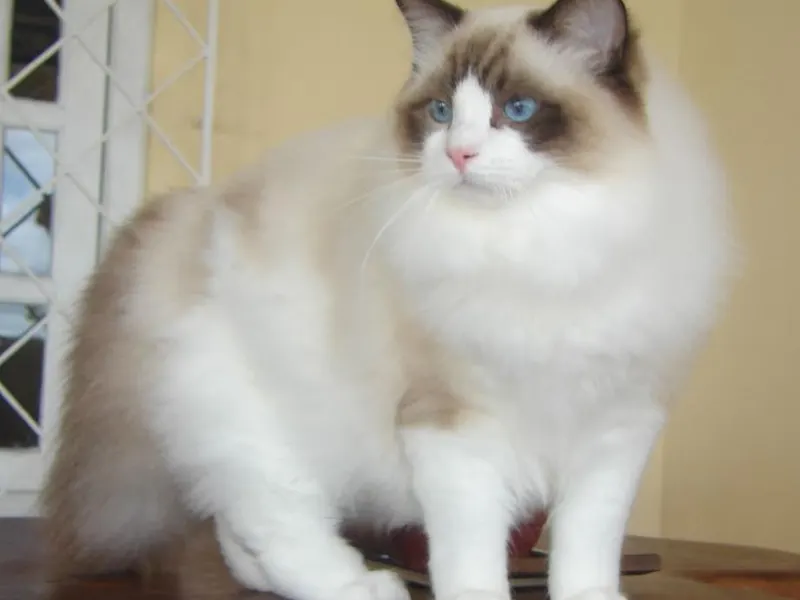
Gentle, relaxed and happy to lounge, the Ragdoll is content indoors and rarely tears around the furniture.
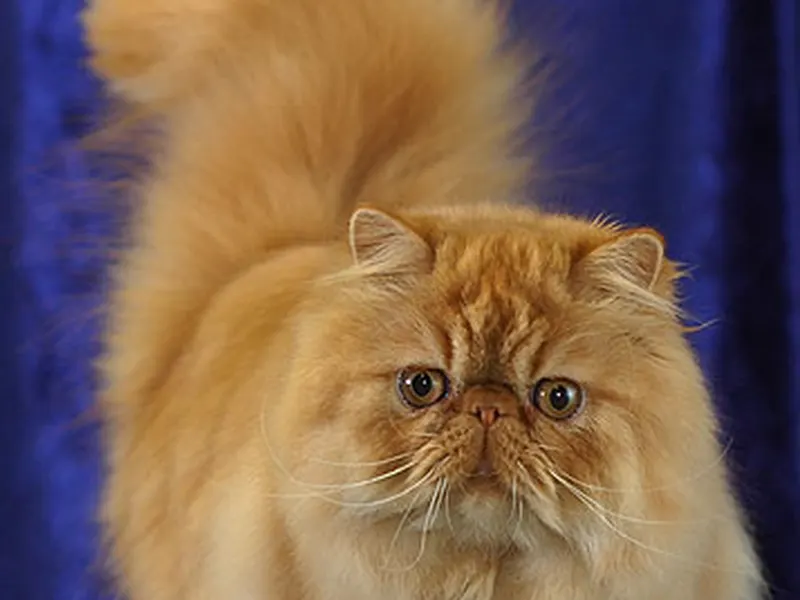
A quiet, low-energy lap cat that enjoys a calm home and has no interest in high-speed climbing.
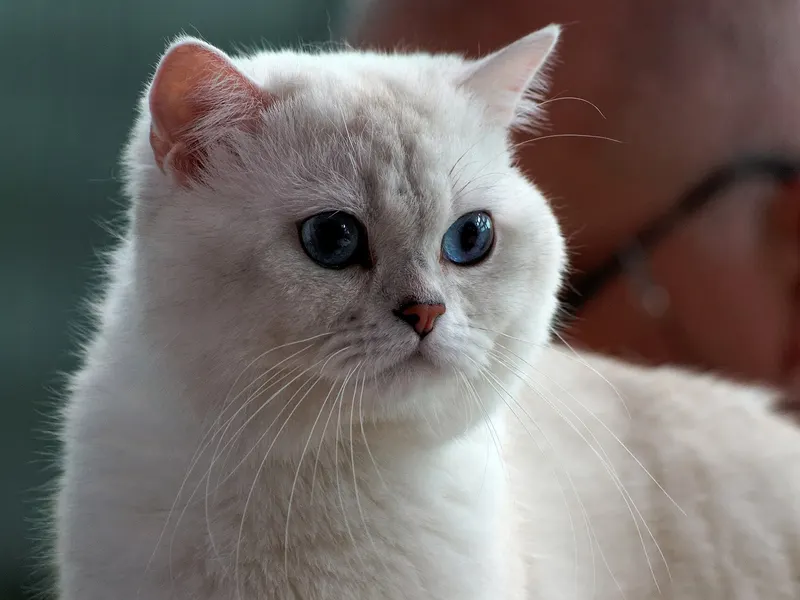
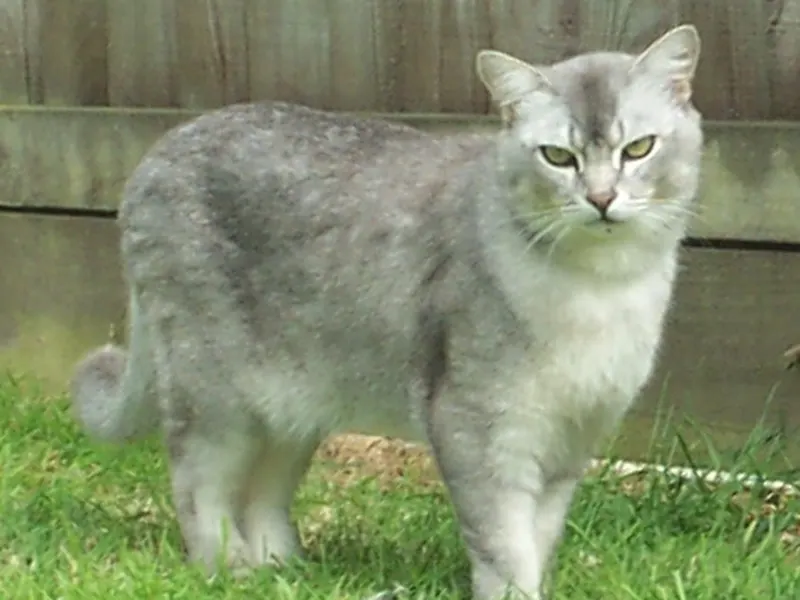
Calm, independent and quiet, it handles a working owner's schedule better than most breeds.
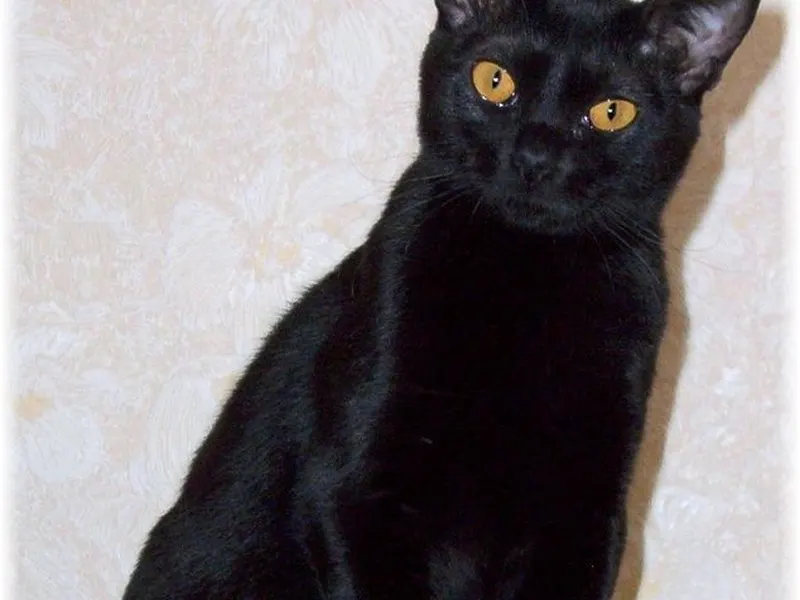
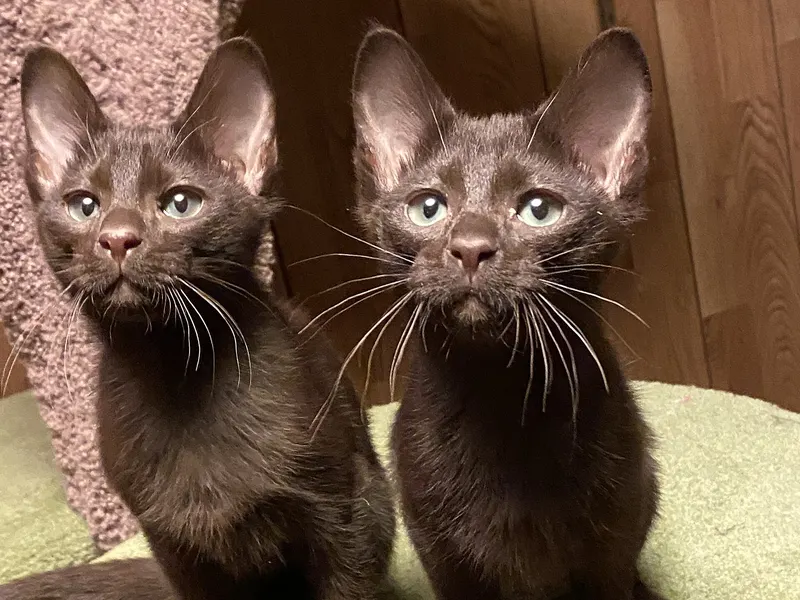
Affectionate and adaptable, this sleek black cat is happy with play sessions and a warm sunny window.
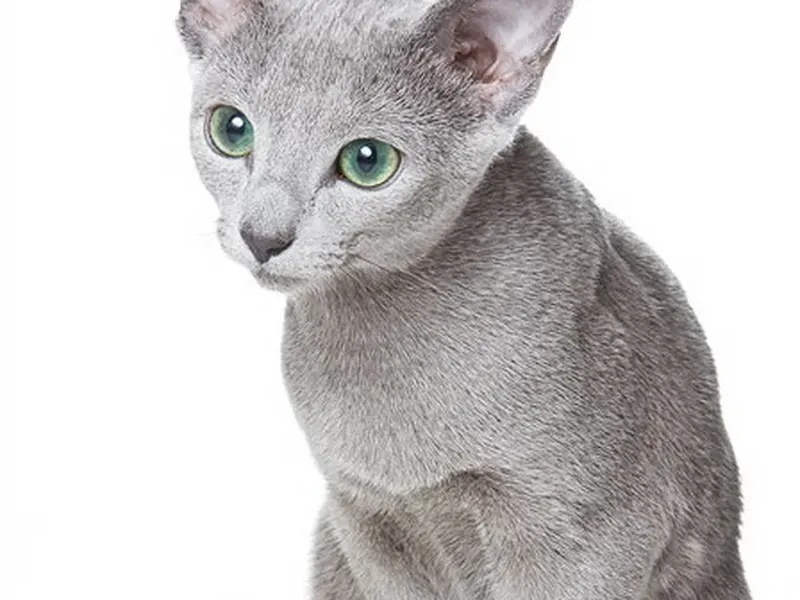
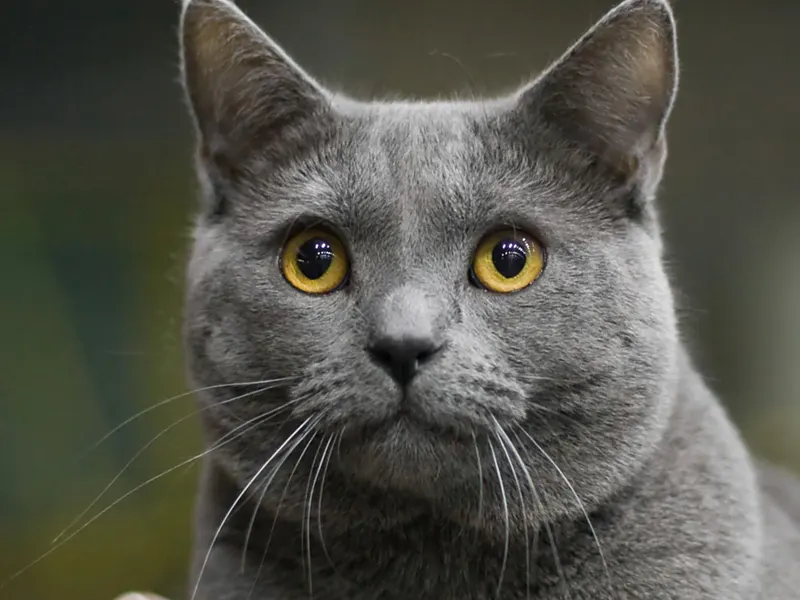
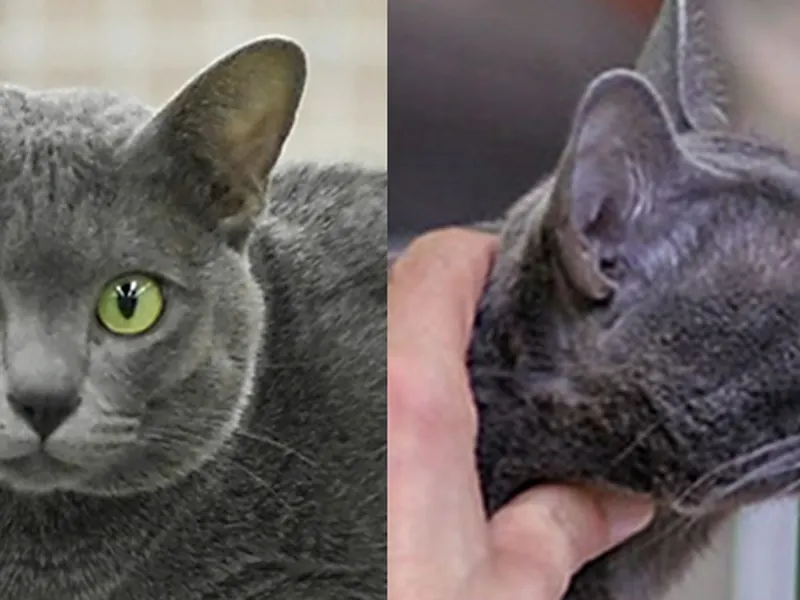
Quiet, tidy and loyal, the Russian Blue likes routine and a peaceful home without constant visitors.
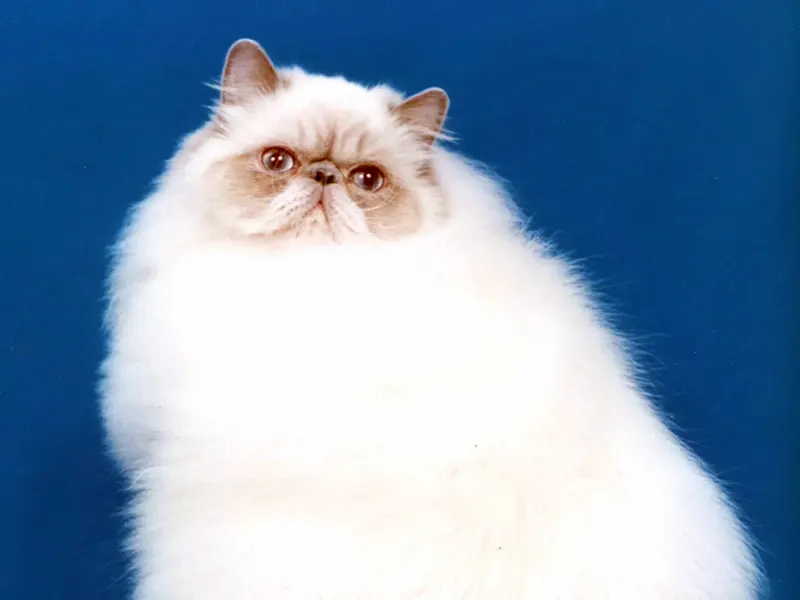
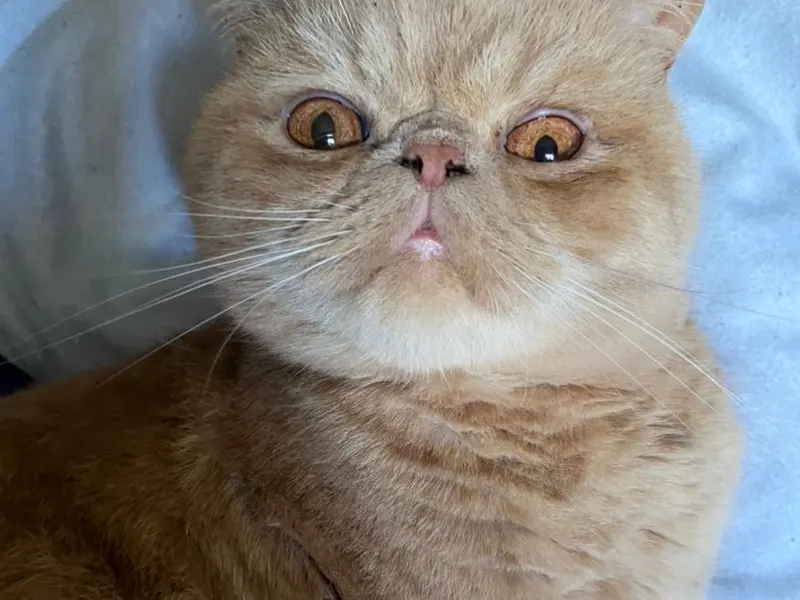
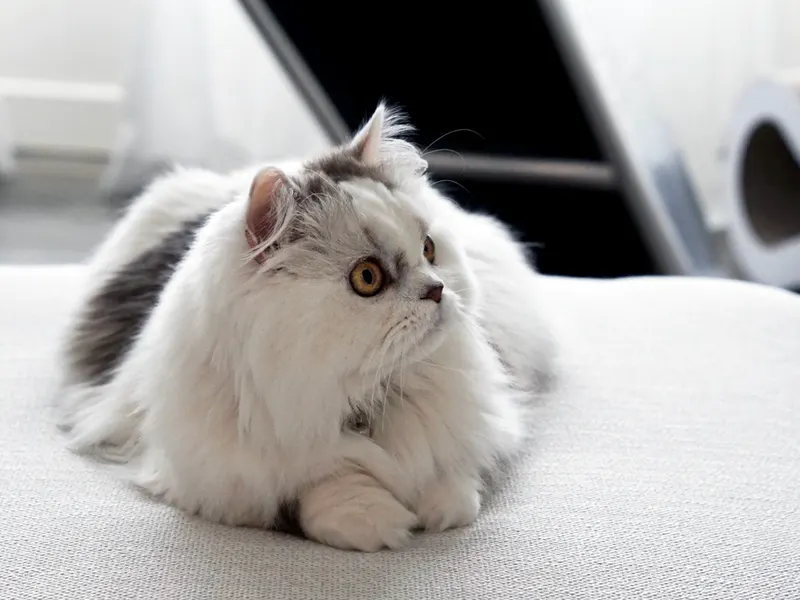
With the relaxed Persian temperament, it is happy indoors, though its long coat needs daily grooming.
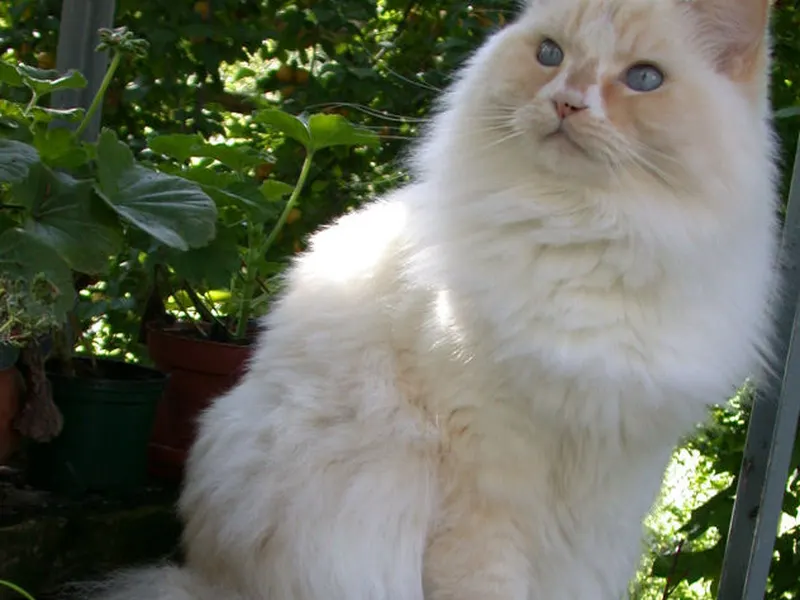
Large but mellow, this cuddly cat prefers laps to leaps and settles well in smaller spaces.
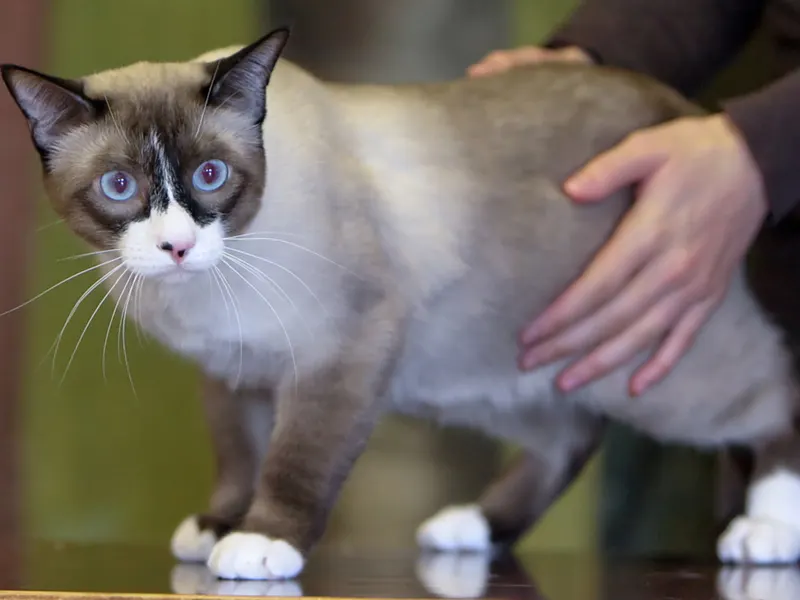
Sociable and moderately active, it adapts to indoor living if someone is home often to keep it company.
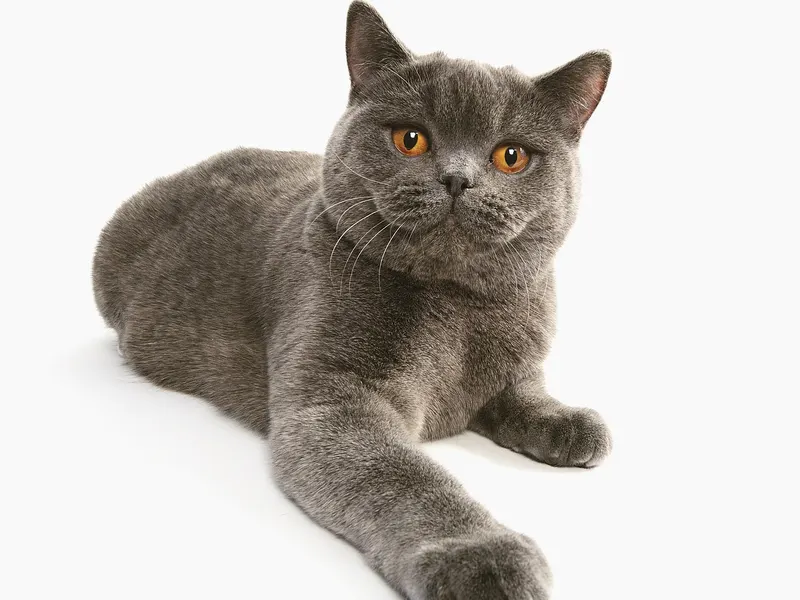
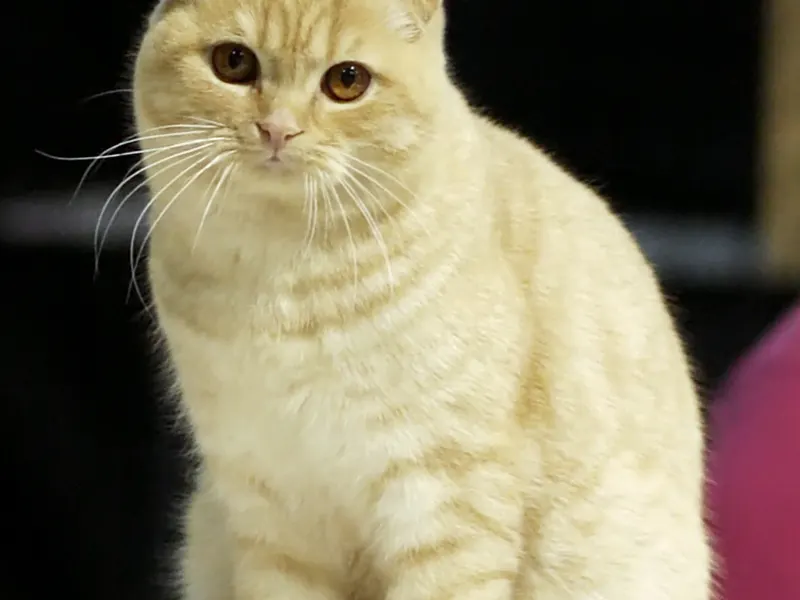
Shares the calm, self-reliant British temperament with a softer coat that needs regular brushing.
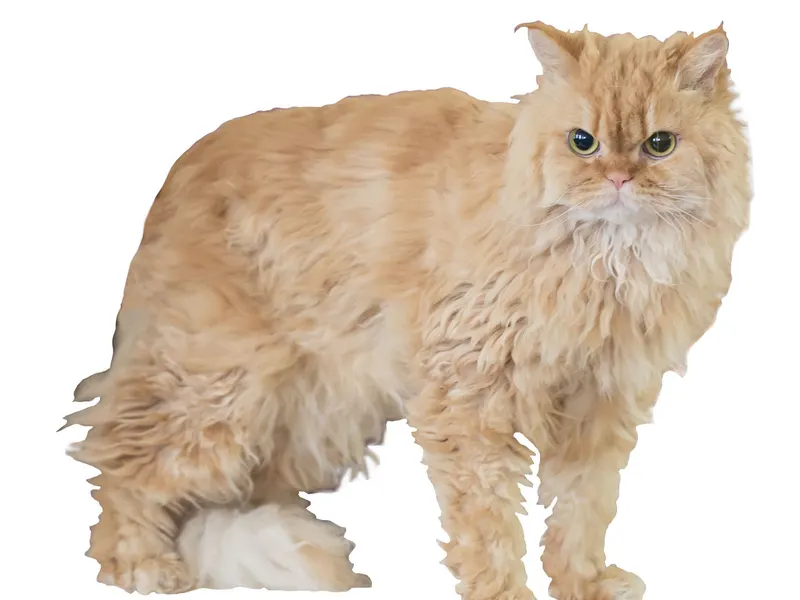
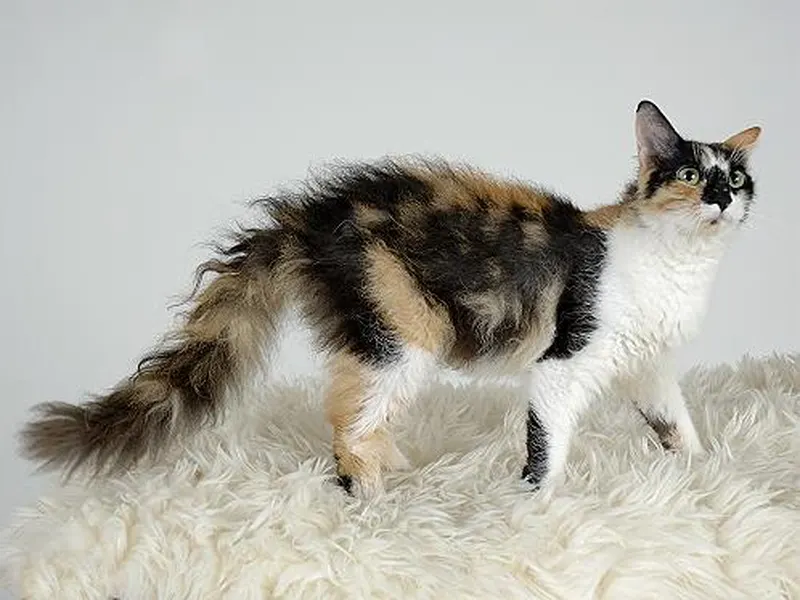
A sturdy, easygoing cat with a curly plush coat and a patient, tolerant personality.
All Apartment Cat Breeds A to Z
What makes a good apartment cat
Floor space matters less than you might think. Cats live vertically, so a small apartment with shelves, a tall cat tree and window perches can feel big to a cat. What matters more is temperament:
- Moderate energy: breeds like the Ragdoll, British Shorthair and Persian are happy with a few play sessions a day.
- Low to moderate voice: the Russian Blue, Chartreux and Korat are quieter than chatty Siamese types, which helps with thin walls.
- Adaptability: breeds that cope with routine changes and visitors settle more easily.
Very active breeds such as the Bengal, Abyssinian and Savannah can live in apartments, but they need a lot of daily play and climbing space, or they may find their own entertainment.
How to choose among apartment breeds
Start with your schedule. If you are out most of the day, independent breeds like the British Shorthair, Russian Blue and Chartreux cope best. If you work from home, a more social breed such as the Ragdoll, Snowshoe or Burmilla will enjoy the company. Then think about grooming: the Persian, Himalayan and Ragamuffin need regular brushing, while the Bombay, Korat and Havana Brown are low effort.
Small, lighter breeds like the Toybob or Minuet take up little room, but size matters less than energy. A large but mellow Ragdoll is often a better apartment cat than a small, restless climber. Check your lease too, since some buildings limit the number of pets.
Setting up an apartment for a cat
- Add vertical territory: a floor-to-ceiling cat tree, shelves or a cleared bookcase.
- Secure windows and balconies with screens or netting. Falls from height are a common injury in city cats.
- Place the litter box in a quiet spot, and scoop daily to control odor in small spaces.
- Offer scratching posts near sofas and doorways so your cat scratches there instead of the furniture.
- Rotate toys and use puzzle feeders to prevent boredom.
Indoor cats and weight
Indoor cats burn fewer calories, and many apartment-friendly breeds are naturally relaxed, so weight gain is the most common problem. Measure meals, limit treats and build in short daily play. A healthy cat should have a visible waist and ribs you can feel easily.
Noise, neighbors and welfare notes
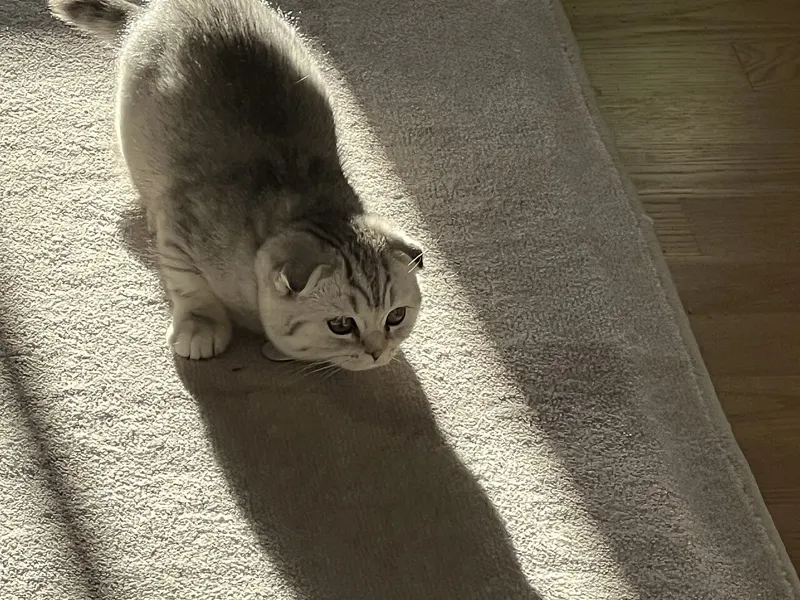
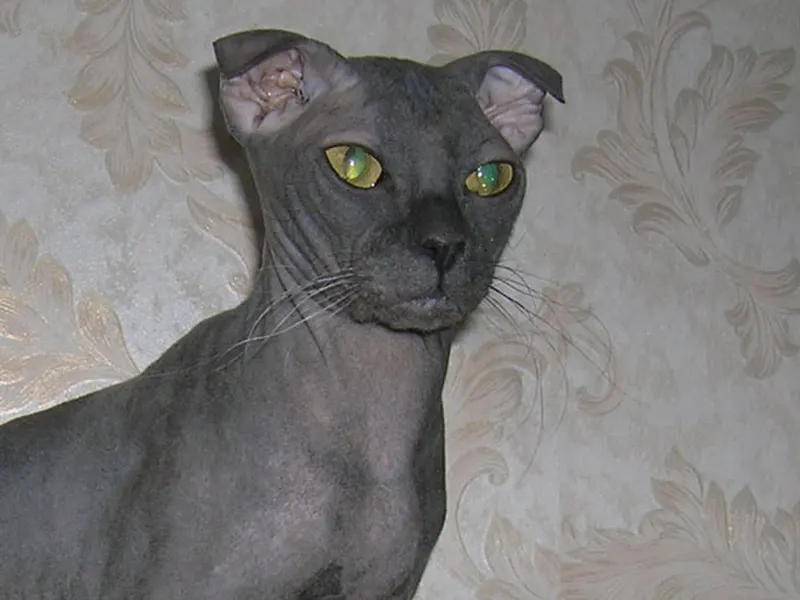
If you share walls, think about voice as well as energy. Unspayed females in heat can be very loud regardless of breed, so spaying early helps. Some breeds on this list need welfare consideration: the Persian, Himalayan and Exotic Shorthair have flat faces that can affect breathing, and the Scottish Fold and Ukrainian Levkoy carry a folded-ear gene linked to cartilage and joint disease.
Adult shelter cats are often ideal apartment cats, because staff can tell you whether a cat is calm, quiet and comfortable indoors.
Frequently Asked Questions
What is the best cat breed for a small apartment?
Calm, moderately active breeds such as the Ragdoll, British Shorthair, Russian Blue and Persian usually adapt best. A calm adult shelter cat is also an excellent choice.
Can a cat be happy living indoors only?
Yes, if it has vertical space, scratching posts, window views and daily play. Many cats live long, healthy lives entirely indoors.
Which cat breeds are quiet for apartments?
The Russian Blue, Chartreux, Korat, British Shorthair and Persian are generally quieter than Siamese-type breeds.
Is a Bengal good for an apartment?
It can work, but Bengals are very active and need a lot of daily play and climbing space. Calmer breeds are easier for most apartment owners.
Should I get two cats for an apartment?
Two compatible cats can keep each other company, which helps social breeds when you are at work. Littermates or a bonded pair from a shelter are a good option.
Not sure which cat breed fits you?
Answer 10 quick questions and get cat breeds ranked for your home, schedule and family.